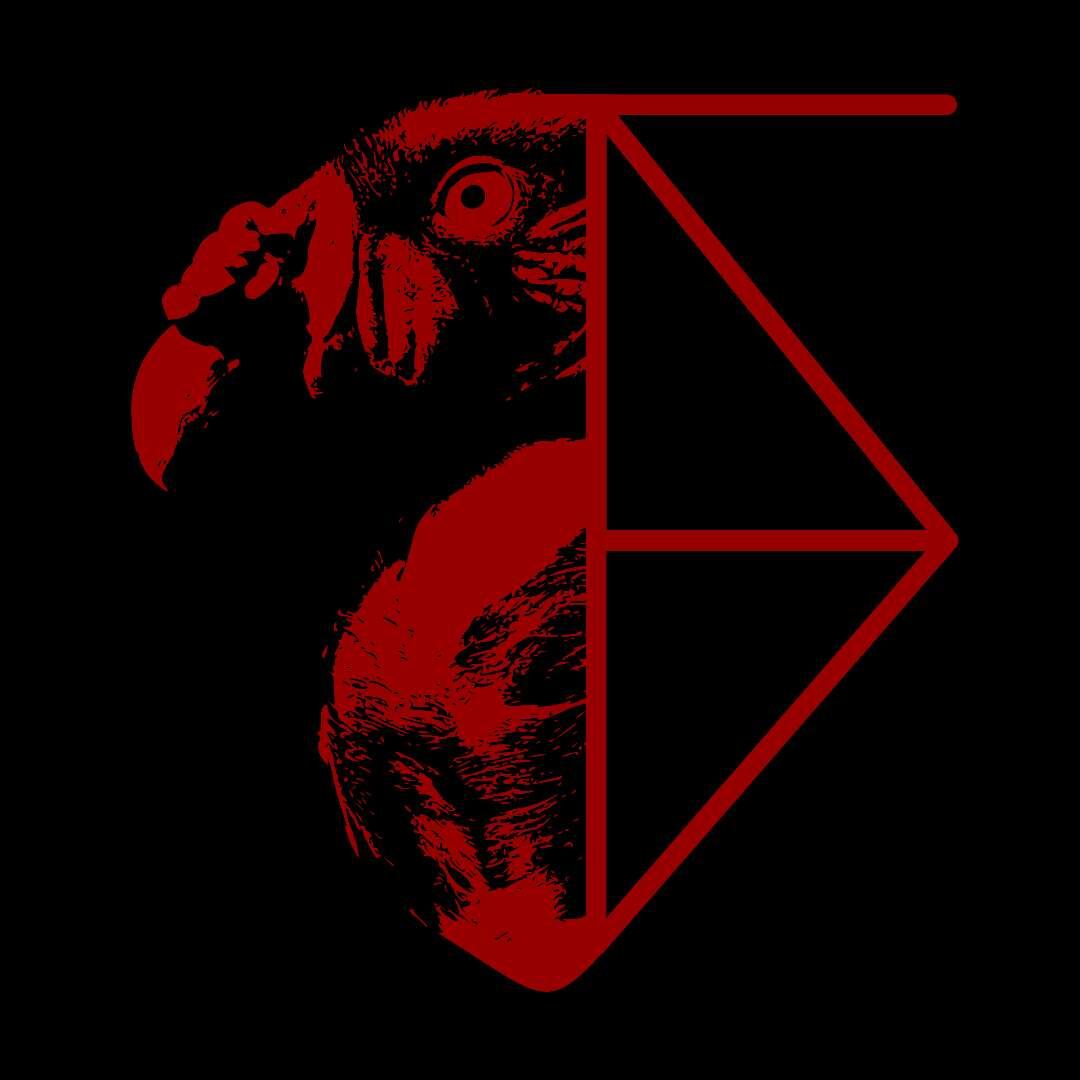
"Like Native peoples, Jung felt that the animal was sublime, that it was indeed the “divine” side of the human psyche.

Animals live much more in contact with a “secret” order within nature itself and – far more than man – live closely connected with the “absolute knowledge” of the unconscious.

In contradistinction to man, the animal is the living being that follows its own inner laws beyond good and evil.

And herein lies the superiority of the animal.

Presumably out of similar reflections Marie-Louise von Franz expressed the idea that the utmost fulfillment is that human ritual follows the order of the animal, for here we experience absolute harmony with nature.

The greatest consciousness, she once said, “is like a return to the animal, but on a higher level.”

Both Jung and von Franz set a premium value on the study of animal symbolism and felt that it was an indispensable tool for the correct interpretation of the representations of animals as they appear in dreams, visions, spontaneous paintings, autonomous fantasies, active imagination, and so forth.

Barbara Hannah, The Archetypal Symbolism of Animals, Page viii.

Art: He Duoling #animalsymbolism #Jung

Reply to this note

Please Login to reply.

Discussion

While I generally in a broad sense have sympathy for some of Jung's work, it also has some pitfalls. There is logically no such thing as a 'collective consxiousness' other than in the context of some national identity including stories, etc. People are individuals. We are all exposed to different stories through our own unique experiences and lives.

It isn't possible to say that I as a Canadian am a part of some collective consciousness. My life is different than that of my friends, parents and fellow citizens. There is perhaps some overlap but that is it.

I went through Analysis with a respected Jungian Analyst here several years ago. His Analysis was great but... he also invited me into a dream work group.

People in the group, particularly intellectual university types bullied people who had unique views and used 'collective consciousness' as an argument to belittle people and mock their dreams.

To understand Jung and his work, you have to go deep. Skimming the surface and using his work inappropriately and without understanding causes harm.

Dreams are formulated from symbols. These symbols are unique to each individual. Our dreams are about our own inner subconscious and when we dream we express ourself in our own metaphors.

For example, dreaming of a particular friend or family member is a metaphor for what that person means to us. Dreaming of chocolate could be a metaphor for just plain eating, a sickly sweet personality, overindulgence, some metaphor involving its texture, smell, etc. The work of dreams is self discovery and the metaphors are the mind trying to understand itself.

Metaphysics is not real. The world is real and so are we.

Here's my copy of Jung's Red Book.

Yes, I agree with everything you said but my concept of the collected unconscious is different. I see it more as the cloud of higher intelligence (which allows for the 100 monkey effect) that we can all tap into. We have our own personal dream world but we can enrich the collective dream. No one should be interpreting our personal dream--I had the same experience.