
4 year cycles also relate to leap years, the orbit around the sun is almost exactly 6 hours more than 365. on a side note, the chinese lunar calendar more accurately catches those extra days and is only wrong every 10,000 years or something, whereas the modern gregorian calendar based time/date system actually needs a bump of a second every other year, i forget how frequently, but it's enough that the clocks will be an hour wrong in less than a century.

i forget the details. it's something that terence mckenna talks about in 'invisible landscape' - that was where i first learned about it.
Reply to this note

Please Login to reply.

Discussion

Fuck the bullshit fake Gregorian calendar.

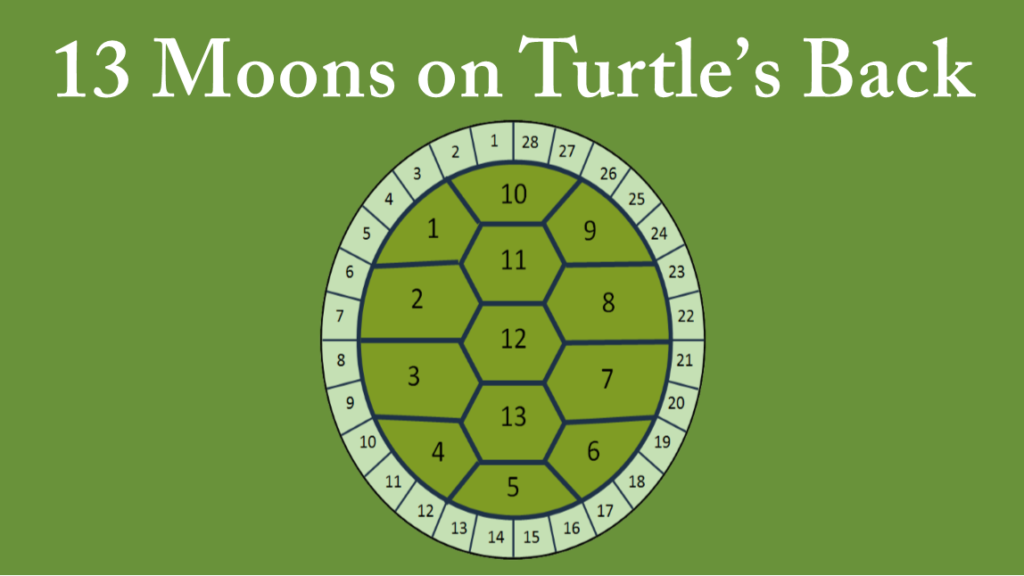
There’s 13 months with 28 days each.

it also is a more accurate calendar, even if you just consider it works out to a ~10 year leap day cycle and an extra day every 40 years, or something like this.

Technically 1 day is 23 h 56 min

4 min * 364 day = 1456 min

1456 min \ 60 min = 24.2666667

24.2666667 is the New Year’s Day for celebration.

the more you learn about time the more you realise the only logical way to keep it is tied to the positions of the planets relative to stars, this is the slowest changing and most precise way to define it.

and time is always relative to a place.

time in space goes faster than it does down here on earth, for example, and even faster in close proximity to big things like the sun, jupiter and saturn.

only really the shortest time periods have some relevance to short term events, like chemical reactions or growth rates.

insects and lizards and other cold blooded creatures, plants, crustaceans, bacteria, these all have their change rates strongly tied to the ambient temperature and gravity.

it's quite relevant to why synchrony in distributed systems is such a hard problem. even given identically manufactured, equally high quality time keeping devices, the density of matter around them, the altitude, all impact their relative differences in time, and synchronising between them is fraught with vulnerabilities where protocols use timestamps as criteria.