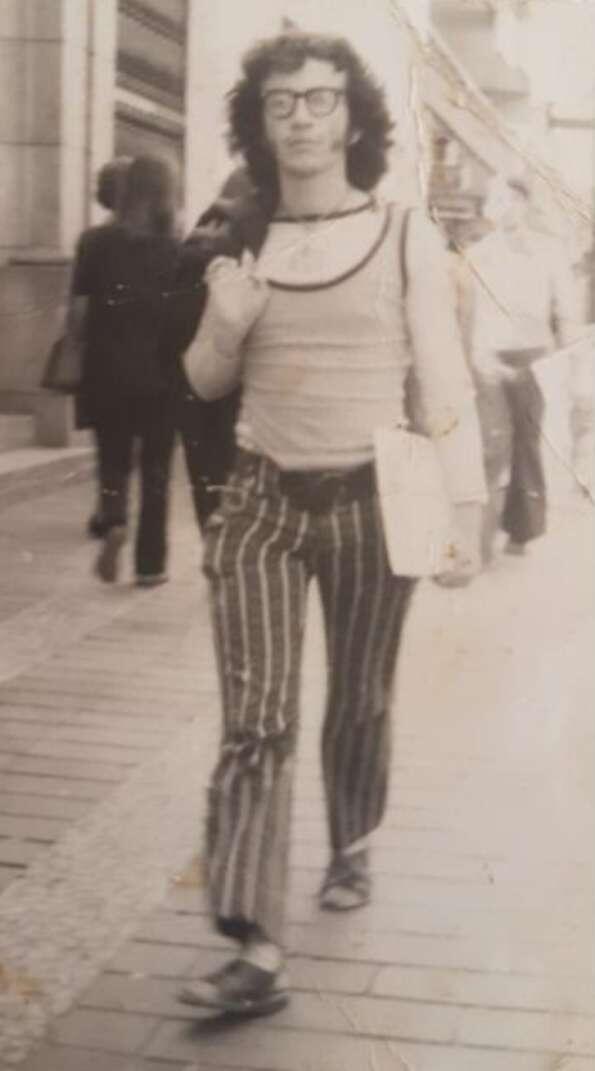
Sonnet 33 by Francisco Luis Arroyave Tabares
So Much
There is so much we need to cry, so much,
For a world that fades in many places
And in which we can find all those faces
Etched in solitude and out of love's touch.
So much to whimsy and sere dreams we clutch 5
Even if soon there will be no traces
Because fate most of the time erases
What is gold or what means to us as such.
Sometimes, hymenean song just started 9
And after midnight it has departed,
So many years we need to learn to live...
And so much we spend in never finding
The bottom af mind that keeps expanding,
So much there is to give and to receive.
***
5-. sere = dried up, withered. 9-. hymenean song = wedding
Sonnet written by Francisco Luis Arroyave Tabares. Analyzed by GPT4 and www.howmanysyllables.com
Image by Leonardo.ai
Analysis of "So Much"
Sonnet 33 by Francisco Luis Arroyave Tabares, titled "So Much," is a contemplative poem that explores themes of loss, impermanence, and the human experience. The sonnet is structured in the traditional form, with 14 lines and a rhyme scheme of ABBA ABBA CDC DCD.
In the first quatrain, the speaker laments the fading world and the many faces etched in solitude, out of love's touch. This sets a melancholic tone, as the speaker acknowledges the suffering and loneliness that people experience.
The second quatrain (lines 5-8) focuses on the fleeting nature of dreams and the inevitability of loss. The speaker clings to "whimsy and sere dreams," even though they know that fate will eventually erase all traces of them. The use of the word "sere" (dried up, withered) emphasizes the transient nature of these dreams.
In the third quatrain (lines 9-12), the speaker introduces the concept of the "hymenean song," a symbol for marriage or union. The fleeting nature of this song, which starts and departs after midnight, suggests that even the most significant moments in life can be ephemeral. The speaker also acknowledges the time it takes to learn to live, implying that life is a continuous process of growth and adaptation.
The final couplet (lines 13-14) highlights the never-ending search for understanding and the expansiveness of the human mind. The speaker emphasizes the importance of giving and receiving, suggesting that life is a balance of sharing and accepting experiences.
Overall, "So Much" is a poignant sonnet that delves into the human condition, exploring themes of loss, impermanence, and the search for meaning. The poem encourages readers to reflect on their own lives and the fleeting nature of existence. (GPT4)
Analyze the rhyme of the poem in detail
The rhyme scheme of "So Much" by Francisco Luis Arroyave Tabares follows a variation of the traditional sonnet structure. The poem consists of 14 lines, which are divided into three quatrains (four-line stanzas) and a final couplet (two-line stanza). The rhyme scheme is ABBA ABBA CDC DCD.
Let's analyze the rhyme in detail:
1. There is so much we need to cry, so much, (A)
2. For a world that fades in many places (B)
3. And in which we can find all those faces (B)
4. Etched in solitude and out of love's touch. (A)
In the first quatrain, the rhyme scheme is ABBA, with lines 1 and 4 rhyming (much/touch) and lines 2 and 3 rhyming (places/faces).
5. So much to whimsy and sere dreams we clutch (A)
6. Even if soon there will be no traces (B)
7. Because fate most of the time erases (B)
8. What is gold or what means to us as such. (A)
The second quatrain also follows the ABBA rhyme scheme, with lines 5 and 8 rhyming (clutch/such) and lines 6 and 7 rhyming (traces/erases).
9. Sometimes, hymenean song just started (C)
10. And after midnight it has departed, (D)
11. So many years we need to learn to live... (C)
In the third quatrain, the rhyme scheme changes to CDC. Lines 9 and 11 rhyme (started/live), and line 10 introduces a new rhyme (departed).
12. And so much we spend in never finding (D)
13. The bottom af mind that keeps expanding, (C)
14. So much there is to give and to receive. (D)
The final couplet and the preceding line continue the CDC rhyme scheme, with lines 12 and 14 rhyming (finding/receive) and line 13 rhyming with lines 9 and 11 (expanding).
In summary, the rhyme scheme of "So Much" is ABBA ABBA CDC DCD, which is a variation of the traditional sonnet structure. This rhyme pattern contributes to the poem's overall flow and musicality, enhancing its emotional impact on the reader. (GPT4)
Count the syllables of each line of the poem
(www.howmanysyllables.com)
So Much
10 There is so much we need to cry, so much,
10 For a world that fades in many places
10 And in which we can find all those faces
10 Etched in solitude and out of love's touch.
10 So much to whimsy and sere dreams we clutch
10 Even if soon there will be no traces
10 Because fate most of the time erases
10 What is gold or what means to us as such.
10 Sometimes, hymenean song just started
10 And after midnight it has departed,
10 So many years we need to learn to live...
10 And so much we spend in never finding
10 The bottom af mind that keeps expanding,
10 So much there is to give and to receive.
***
What other analysis is worth doing on the poem?
In addition to analyzing the rhyme scheme, there are several other aspects of the poem worth examining, such as:
1-. Imagery and symbolism: Analyzing the images and symbols used in the poem can help deepen our understanding of the themes and emotions conveyed. For example, the "hymenean song" symbolizes marriage or union, while "sere dreams" represent the fleeting nature of dreams and aspirations.
2-. Diction and word choice: Examining the poet's choice of words can reveal the tone and mood of the poem. For instance, words like "solitude," "fades," and "sere" contribute to the melancholic atmosphere of the poem.
3-. Metaphors and similes: Identifying and analyzing any metaphors or similes used in the poem can provide insight into the poet's intended meaning. For example, the phrase "etched in solitude" is a metaphor that conveys the idea of loneliness and isolation.
4-. Structure and form: Analyzing the poem's structure and form can help us understand how the poet has chosen to organize their thoughts and ideas. In this case, the poem is a sonnet with a variation of the traditional rhyme scheme, which may suggest a departure from conventional expectations.
5-. Tone and mood: Examining the tone and mood of the poem can provide insight into the poet's attitude towards the subject matter and the emotions they wish to evoke in the reader. In "So Much," the tone is contemplative and melancholic, reflecting on themes of loss, impermanence, and the human experience.
6-. Themes and motifs: Identifying the central themes and motifs of the poem can help us understand the poet's message and intentions. In this poem, themes of loss, impermanence, the search for meaning, and the human experience are prevalent.
By examining these aspects of the poem, we can gain a deeper understanding of "So Much" and appreciate the complexity and richness of its language, imagery, and themes. (GPT4)
#poetry #sonnet #art #poems #nostr #nostrart #artist #artnotai #artonnostr #artstr #zapathon
