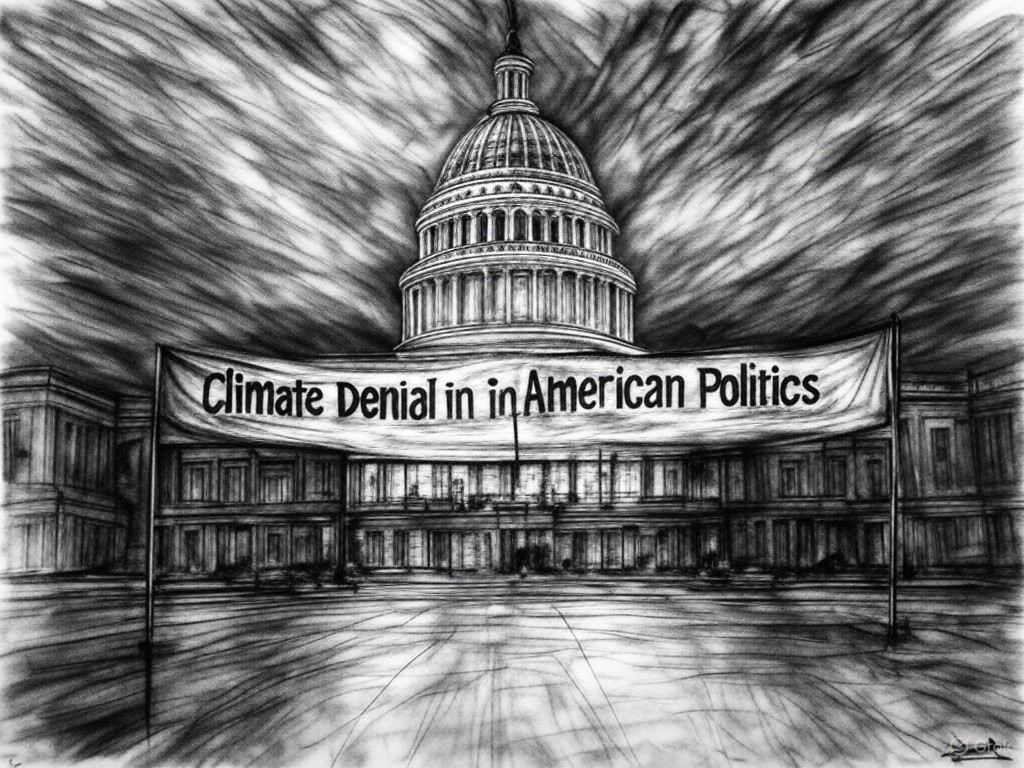
How did climate change become the climate crisis?

Not bc of science, as they did their job.

The responsibility lies with the energy-industrial complex.

Their propaganda created climate denial, and climate denial destroyed political will to act on climate change.

#ClimateBrawl

Reply to this note

Please Login to reply.

Discussion

Well, good, in this case.

Gimme cheap gas and electricity, and I'll be better off. So will everyone else in the world.

Stop gatekeeping poor countries' ability to get past the cheap growth stage of industrializing.

Pre industrial countries don't need to follow the path we followed. They can learn from our mistakes and skip steps that were completed while they weren't moving. A real world example is African countries that never had a proper landline system but built out cellular directly using point to point microwave links for backhaul.

Every place should be directly building the energy systems that best fit their needs based on all available options on the market today. This obviously will be limited by budget but should also account for the lessons we learned about externalities. An example would be that smog health risks are paid by everyone including those who do not benefit from the energy production but you don't see them as a line item on your bill.

Yes, but, NOTHING is cheaper, easier and currently more reliable than coal or natural gas steam turbines. You need reliable baseload capacity to build an industry that lies beyond carbon, preferably with modem micro-nuclear in a distributed system. You can't get there without killing people or using carbon fuels.

I'd argue for micro hydro. Same simplicity on the turbine side but you replace complex steam generators with fixed concrete sluice systems. Micro because it removes the need for massive dams and the issues they bring. Also no ongoing smog externality.

Also you are thinking about large scale system wide solutions. As a local that forces them to wait for plants to be built by someone else and hope like hell infrastructure between you and the plant gets built and is reliable. Meanwhile they can throw up a few solar panels and batteries in a week or so and have energy now without the risks of those externalities.

On site small scale wind seems like a more unreliable choice for most since it has the least reliable generation properties.

If there is no grid or an extremely unreliable grid the economics long term will reward people who generate their own power on site over those who wait for someone else to solve their problems.

I know we'll burn gasoline and diesel building those things. I'm a pragmatist trying to find the best solution for a personal problem not a cult member. I also know that access to energy is positively correlated to human well-being. We want the most energy for the least cost, including externalities ideally.

For us, the existing power plants and the sunk cost of building them create a local optimum that is not the optimum for people without that existing infrastructure as part of their equation.