"Spend the bad now, save the good for later."
 #m=image%2Fjpeg&dim=300x151&blurhash=ipQIO%7CxroeRlyYa%23a%7Da%23kYa%5Efkj%3Fj%40a%23ayazj%40juyZRlayoexva%7DazoeoIo0jZaza%23bJj%40j%5BazkCtTa%23azfQn%23oekBazV%3F&x=27b500f3ce0ee184494fa10659b2e767bd9c2902c7b856d541dbfaa54913118b
Gresham's Ghost: When Good Bitcoin Drives Out Bad Cash
In the shadowy alleys of the digital frontier, a silent war is brewing. Not one of clashing titans or roaring cannons, but a subtle tug-of-war, governed by an ancient law and fueled by the invisible ink of the digital age.
This, my friends, is the battle of Gresham's Law in the bitcoin battlefield.
Sir Thomas Gresham, a financial alchemist from Elizabethan England, observed a curious phenomenon: "Bad money drives out good."
In simpler terms, if you have two currencies of varying value circulating freely, people will hoard the "good" one and spend the "bad" one quickly. Imagine crisp, gold-backed coins tucked away in velvet pouches, while worn-out, clipped shillings dance from hand to hand like nervous fleas.
Now, let's cast this dusty economic principle onto the gleaming screens of our laptops.
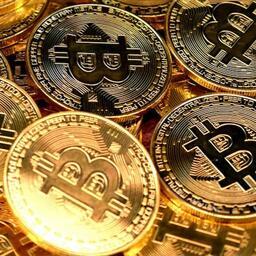
Bitcoin, the digital phoenix rising from the ashes of financial crisis, stands tall as the "good" money. Its scarcity, immutability, and decentralized nature imbue it with an aura of trustworthiness that traditional currencies, weighed down by inflation and governmental manipulation, can only dream of.
But in the murky corners of the crypto-cosmos lurk the "bad" coins. Forked clones, overhyped ICOs, and vaporware projects fueled by empty promises and meme-driven mania.
These are the clipped shillings of the digital realm, circulating rapidly through exchanges and shadowy Telegram groups, tempting the uninitiated with their siren song of quick gains.
Gresham's ghost whispers in the ear of every bitcoin holder: "Spend the bad now, save the good for later."
This creates a curious dynamic.
While we dream of a world where our morning lattes are bought with Satoshis, the fear of missing out on bitcoin's meteoric rise keeps it locked away in digital vaults. Meanwhile, the "bad" coins fuel the day-to-day transactions of the crypto-verse, their volatility masked by the thrill of the gamble.
This creates a paradox.
Bitcoin, the currency designed to liberate us from the clutches of centralized control, becomes, in a way, a prisoner of its own value. Its "goodness" traps it in a digital vault, while the "bad" coins dance merrily through the marketplace, their ephemeral existence fueling the gears of a nascent crypto-economy.
But like all good ghost stories, there's hope. Slowly, the tide is turning. As Bitcoin's network hardens and its use cases expand, more businesses are opening their doors to the digital gold.
Lightning Network, a layer-two scaling solution, promises to unlock the true potential of bitcoin as a medium of exchange. And as the dust settles from the ICO frenzy, investors are becoming more discerning, gravitating towards projects with real utility and long-term vision.
Gresham's ghost may still linger, but its grip is loosening. The "good" bitcoin is beginning to circulate, not just as an investment, but as a practical tool for everyday life.
We're seeing coffee shops accepting satoshis for cappuccinos, artists getting paid in bitcoin for their digital masterpieces, and even international remittances happening on the blockchain with breathtaking speed and transparency.
This isn't just about technology. It's about a cultural shift, a slow but steady rejection of the old financial order and its flawed currencies. It's about reclaiming control, embracing transparency, and building a more equitable world, one Satoshi at a time.
So, the next time you open your digital wallet, remember Gresham's ghost. But don't let it deter you. Spend the bitcoin you're comfortable with, invest in projects that resonate with you, and most importantly, be a part of the movement building a world where the "good" money, not just financial freedom, but freedom itself, flows freely through the veins of the digital future.
Because in the end, Gresham's Law teaches us not just about economics, but about human behavior. It tells us that while the allure of the quick buck may still dance in the shadows, the real value lies in building something lasting, something true, something that transcends the whispers of a long-dead economist. And what better foundation for that future than the digital gold we hold in our own hands?