
**Alaskan Trucking Fleets Promise $150K Driver Salaries Amid Drilling Boom**
Alaskan Trucking Fleets Promise $150K Driver Salaries Amid Drilling Boom
_By Rachel Premack of FreightWaves (https://www.freightwaves.com/news/alaskan-trucking-fleets-promise-150k-driver-salaries-amid-drilling-boom)_
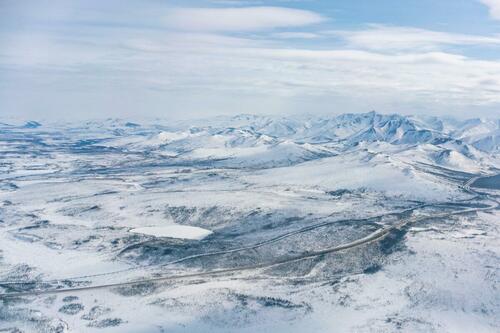
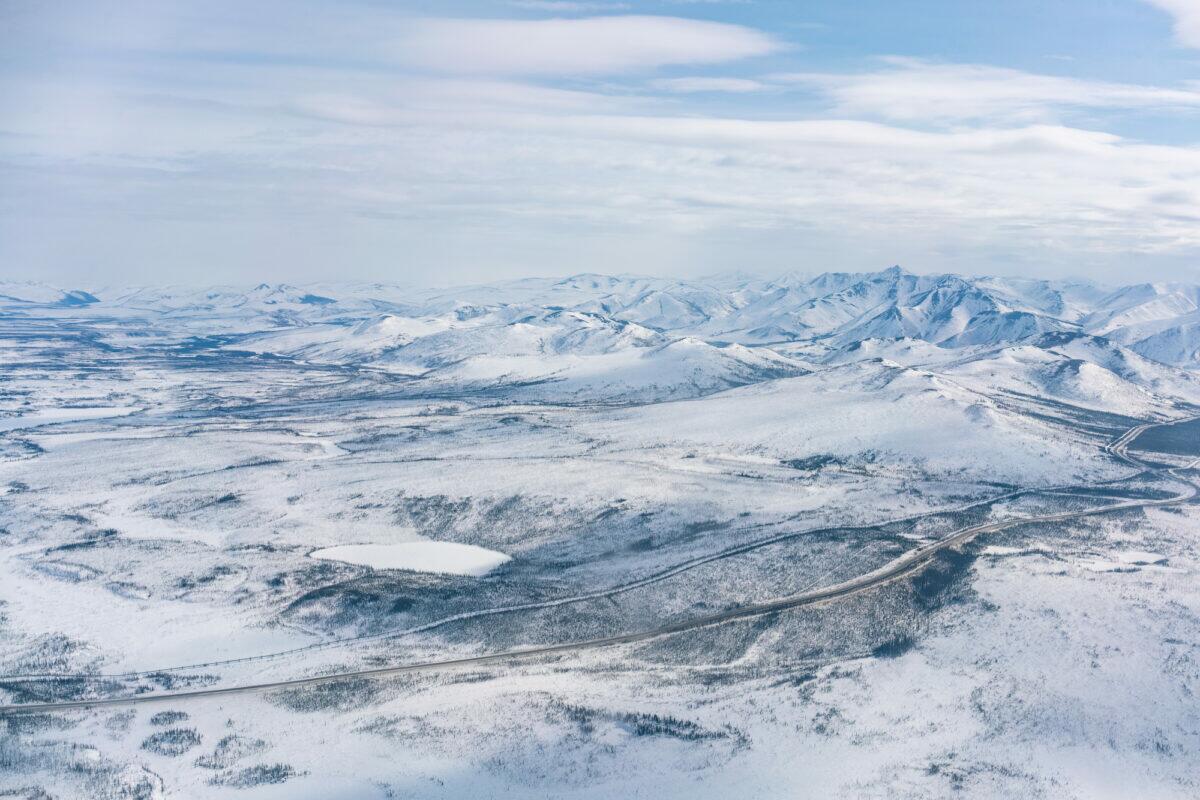
As more drilling and mining projects are approved in Alaska, local trucking fleets are planning to hire drivers around the United States to haul equipment, chemicals and other loads — particularly on its fearsome Dalton Highway, a remote, 414-mile road that connects Fairbanks to oil fields near the Arctic Ocean.
 ?itok=TslHFEL4 (
 ?itok=TslHFEL4)
The developments, particularly ConocoPhillips Alaska’s Willow project (https://apnews.com/article/alaska-oil-drilling-biden-environment-climate-c39147c8ae1797aab9cb27219bf92675), have been controversial as they may mar some of Earth’s most remote land. However, for the residents of the United States’ third-least-populated state, the new investments could bring an economic boom that many locals say the state needs.
The construction of the Trans-Alaska Pipeline System in the 1970s and oil boom of the 1980s transformed Alaska. The pipeline brought in some 70,000 workers (https://aoghs.org/transportation/trans-alaska-pipeline/#:~:text=The%20pipeline%20project%20involved%20some,laid%20on%20March%2027%2C%201975.) and often their families. Many of them stayed; Alaska’s population grew three times as fast as the rest of the country in the 1970s and 1980s. As of 2013, (https://laborstats.alaska.gov/trends/dec13art3.pdf) more than half of Alaska’s housing stock was built in those decades.
Josh Norum, the president of Fairbanks-based Sourdough Express, said the impending explosion in mining and drilling could rival those frothy years.
“We’re calling it our second pipeline,” Norum said. “(The Trans-Alaska Pipeline) was a huge boom. … We’re comparing that opportunity with this next phase.”
**6-figure salaries for Alaskan truck drivers — but the job isn’t for everyone**
In response, Alaskan trucking companies are searching for truck drivers to haul equipment — and they’re paying them massive salaries.
Drivers who can tackle the so-called haul road, which is packed with ice in the winter and prone to dust and mud the other three seasons, are in particular demand.
Norum said Sourdough Express drivers on the haul road earn $95,000 to $120,000, in addition to health care, retirement and paid time off benefits. Compensation has increased by 15% over the past two years.
Sourdough Express currently employs 85 company drivers in addition to contractors, Norum said, adding that over the next few years the company will add 50 to 100 new drivers.
Gage Schutte, vice president of freight operations for Alaska West Express, also said the company is looking to add 50 to 100 new drivers to its fleet. According to a federal database (https://safer.fmcsa.dot.gov/query.asp?searchtype=ANY&query_type=queryCarrierSnapshot&query_param=USDOT&original_query_param=NAME&query_string=222&original_query_string=ALASKA%20WEST%20EXPRESS%20INC), the company currently has 121 drivers.
Alaska West Express increased driver compensation by 11% this year. Each round trip between Fairbanks and Prudhoe Bay on the haul road pays around $1,500, Schutte said. Drivers can expect to make 100 to 115 trips to Prudhoe a year. That means Alaska West Express drivers can earn around $150,000 to $170,000 a year, in addition to benefits.
That might be enticing for truck drivers who are struggling with slumping freight volumes and looking for a well-paid gig. Thousands of trucking authorities have already shut down this year as gigs available for drivers dry up (https://www.freightwaves.com/news/trucking-bloodbath-snares-fleets-large-and-small). According to federal data, tractor-trailer drivers earn a median annual wage of around $48,000 (https://www.bls.gov/ooh/transportation-and-material-moving/heavy-and-tractor-trailer-truck-drivers.htm).
However, these aren’t easy jobs. The best conditions on the haul road are in the winter, when temperatures in the negative 20s give the ice-packed highway its best traction. Fall and spring make the road slushy, while summertime means the haul road is dusty or slick with calcium that’s used to make it _less_ dusty.
Robb Christenson, the director of sales and pricing at Sourdough Express, was a truck driver around his native Alaska for nearly three decades, including some 50 runs on the haul road. He said those loads weren’t easy, but hauling chemicals and heavy equipment near the Arctic Circle was certainly memorable.
“The equipment that you haul you’ve never seen before in your life,” Christenson said. “Being a part of that and doing that, it means som…