xiaomitime (Article)
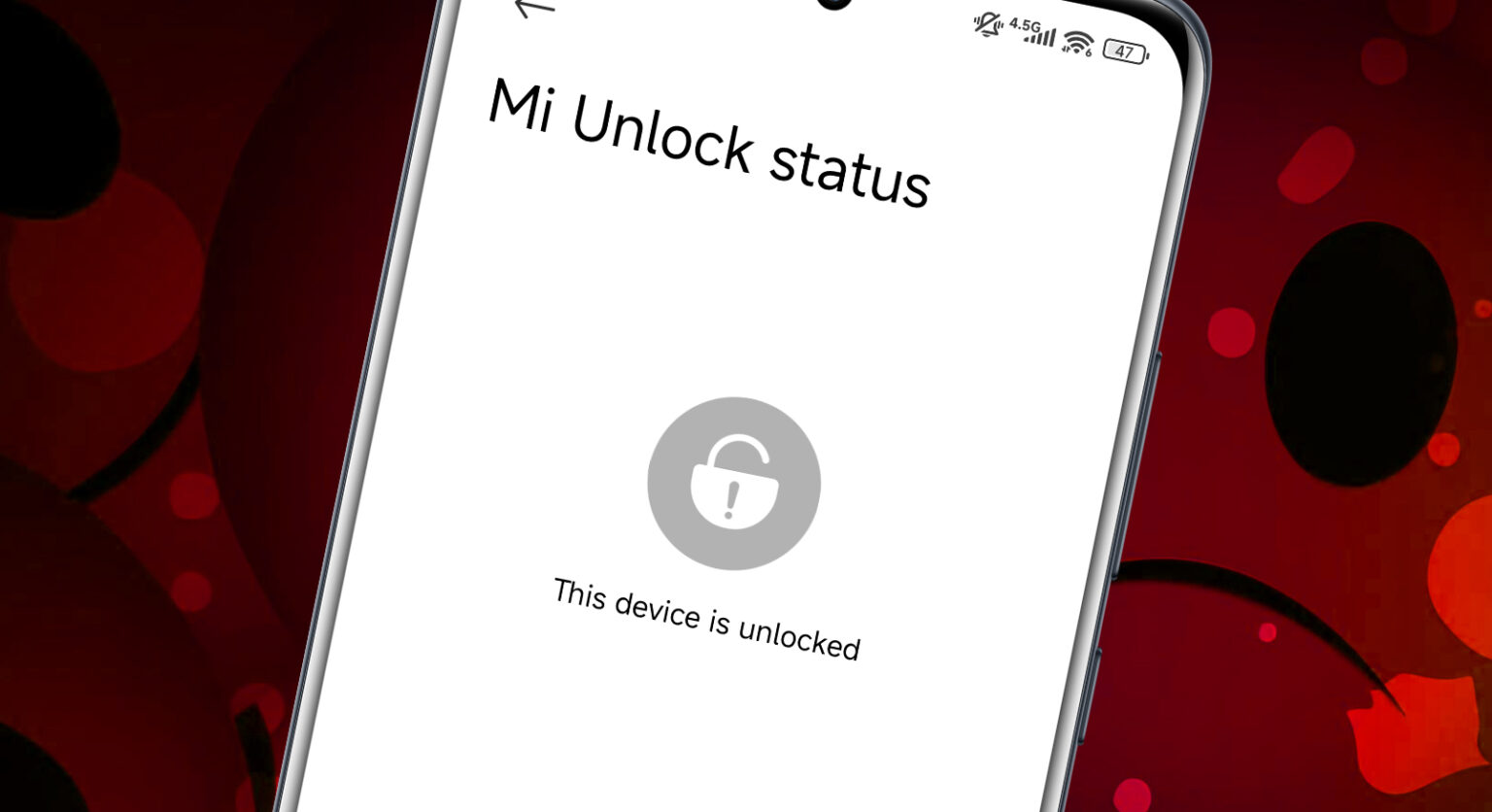
EU kills Android bootloader unlock starting August 1
Emir Bardakçı
Aug. 1, 2025, 15
August 1, 2025, is shaping up to be a pivotal date for the mobile industry. That’s when the European Union’s Radio Equipment Directive (RED) 2014/53/EU cybersecurity requirements officially take effect—directly impacting the long-standing openness that’s defined Android smartphones.
Just days ahead of the new rules, Samsung quietly removed the bootloader unlock feature ( https://xiaomitime.com/android-makers-remove-bootloader-unlock-will-xiaomi-follow-58715/ ) in its OneUI 8 update. Clearly, they’re getting ahead of compliance. For Xiaomi, Google, and every other Android manufacturer that’s built their brands on flexibility, the message is clear: the landscape is changing, fast.
RED’s Cybersecurity Shift: What’s Actually Changing
In 2022, a new set of rules (delegated act 2022/30) brought cybersecurity front and center.
As of August 2025, manufacturers selling devices in the EU need to:
Block the installation of unauthorized software
Use Secure Boot (or similar) to verify firmware authenticity
Ensure only signed and approved ROMs can run
The directive doesn’t name “bootloaders” specifically, but its demand for software authenticity basically makes bootloader unlocking—at least in its current form—a thing of the past.
Why Bootloaders Matter for Business and Users
The bootloader is the starting gate for any smartphone OS. For years, Android stood out by letting users—and even enterprise clients—unlock bootloaders, install custom ROMs, and tailor devices to unique needs. This flexibility has been a selling point, especially for power users and certain business verticals.
But RED’s new requirements mean:
Every bit of firmware must be cryptographically signed
Hardware and software must be validated together before startup
Unapproved or altered ROMs are blocked by default
This sharply reduces user and enterprise control over device software—something that’s likely to impact both consumer satisfaction and niche business deployments.
Samsung’s Early Move: A Sign for the Whole Market
Samsung’s decision to disable bootloader unlocking in OneUI 8 wasn’t random. It was a strategic move, anticipating RED’s enforcement. Other manufacturers—Xiaomi, Google, and beyond—will need to follow to keep their devices certified for sale in Europe.
The pressure is on to:
Maintain CE certification
Guarantee firmware can’t be tampered with
Realign policies to meet RED’s cybersecurity demands
Failing to comply isn’t an option for any brand that wants to keep a foothold in the EU market.
Is Android Becoming iOS?
There’s a real question here: is Android losing its edge? With RED’s rules, Android devices in Europe will look a lot more like iPhones, at least in terms of software control:
Reduced flexibility: Rooting and custom ROMs could disappear for most users
Increased security: Secure Boot offers more protection against malware at startup
Greater vendor control: Only official firmware updates will be allowed
Regional fragmentation: China and India may keep the old, open model—for now
For businesses, this shift could limit the ability to deploy specialized software or tailor devices for unique operational needs.
Xiaomi’s Likely Response
Xiaomi has built a reputation for flexibility, but RED compliance could force major changes:
Xiaomi China already blocked bootloader unlock
Bootloader unlocking will likely be removed from European models
Global variants may face stricter policies in the EU than elsewhere
Developer or enterprise-focused devices might get special exceptions
Upcoming versions like HyperOS 3 may ship with Secure Boot and strict ROM validation
Given Xiaomi’s public stance on regulatory compliance, it’s almost certain they’ll align their European operations with Samsung’s new standard.
Xiaomi users stole their phones from the service center to unlock the bootloader ( https://xiaomitime.com/xiaomi-users-stole-their-phones-from-the-service-center-to-unlock-the-bootloader-58781/ )
Bottom Line: A New Chapter for Android
RED isn’t just another technical update. It’s a significant shift in how Android devices will be sold, managed, and used in the EU.
Bootloader unlock freedom is disappearing
Custom ROM and root access may become a thing of the past
Android devices in Europe are poised to resemble iOS in terms of control and restrictions
For most consumers, the upside is better security. For businesses and enthusiasts, it’s the end of an era of openness and customization—a trade-off that will shape the future of the Android ecosystem in Europe and, potentially, worldwide
+++
https://xiaomitime.com/eu-kills-android-bootloader-unlock-starting-august-1-59449/