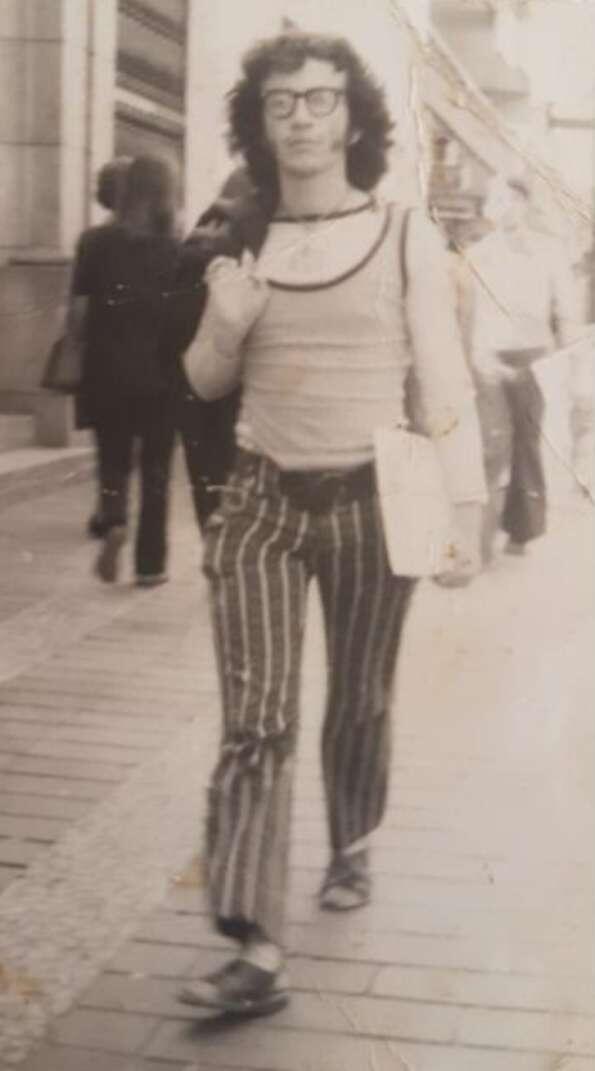
Sonnet 65 by Francisco Luis Arroyave Tabares
I Did Not Care To Ask
I digged seeds from my original mind 1
And planted them on the face of our earth
Expecting that in this way I could find
Ancestral light, or reasons for my birth.
Each day I looked for water for their mold 5
But I found out one day that this instance 6
Will posses humans even if too old
No matter how far they get in distance.
After my serious thoughts seemed deep
I asked all the people questions amain 10
Yet got tired and gave up to my sleep.
Rich in symbols where more answers remain.
In dreams my oracle was a forest
And did not care to ask, to be honest.
***
1-, original = primary, native. 5. mold= earth or ground, soil. 6-. instance= urgent plea, persistent solicitation. 10-. amain= in great haste.
Sonnet written by Francisco Luis Arroyave Tabares. Analyzed by GPT4 and www.howmanysyllables.com
Image by Leonardo.ai
Copyright 1989
Analysis of "I Did Not Care To Ask"
Sonnet 65 by Francisco Luis Arroyave Tabares, titled "I Did Not Care To Ask," is a contemplative piece that explores the themes of self-discovery, the search for meaning, and the acceptance of mystery.
The sonnet is structured in the traditional Shakespearean format, consisting of three quatrains and a concluding couplet. The rhyme scheme is ABABCDCDEFEFGG, which is typical of the English sonnet.
In the first quatrain (lines 1-4), the speaker metaphorically describes the process of self-discovery and introspection as planting seeds from his "original mind" onto the earth. He hopes that by doing so, he might uncover some profound truths about his existence or heritage ("Ancestral light, or reasons for my birth").
The second quatrain (lines 5-8) introduces a challenge in the speaker's quest. Despite his efforts to nurture these seeds (symbolizing his thoughts or ideas), he realizes that the "instance" (urgent plea or persistent solicitation) will always be a part of human nature, regardless of age or distance. This could be interpreted as the inherent human desire for understanding and meaning.
In the third quatrain (lines 9-12), the speaker expresses his frustration and exhaustion from his futile attempts to find answers through rational thought and questioning others ("I asked all the people questions amain"). He eventually surrenders to sleep, a realm "rich in symbols," suggesting that he finds more meaningful insights in the subconscious or dream state.
The concluding couplet (lines 13-14) reveals a shift in the speaker's attitude. His oracle, or source of wisdom, is a forest in his dreams. The forest could symbolize the complexity and mystery of life. The speaker admits that he did not care to ask questions anymore, indicating an acceptance of the unknown and an appreciation for the journey of self-discovery, rather than a relentless pursuit of definitive answers.
Overall, this sonnet is a profound exploration of the human quest for understanding and the acceptance of life's inherent mysteries. It suggests that sometimes, the most meaningful insights come not from persistent questioning, but from embracing the unknown and appreciating the journey of self-discovery. (GPT4)
Analyze the rhyme of the sonnet in detail
Sonnet 65 by Francisco Luis Arroyave Tabares follows the traditional English or Shakespearean sonnet rhyme scheme, which is ABABCDCDEFEFGG. Let's break down the rhyme scheme line by line:
1. I digged seeds from my original mind (A)
2. And planted them on the face of our earth (B)
3. Expecting that in this way I could find (A)
4. Ancestral light, or reasons for my birth. (B)
In the first quatrain, the rhyme scheme is ABAB. "Mind" (A) rhymes with "find" (A), and "earth" (B) rhymes with "birth" (B).
5. Each day I looked for water for their mold (C)
6. But I found out one day that this instance (D)
7. Will posses humans even if too old (C)
8. No matter how far they get in distance. (D)
In the second quatrain, the rhyme scheme is CDCD. "Mold" (C) rhymes with "old" (C), and "instance" (D) rhymes with "distance" (D).
9. After my serious thoughts seemed deep (E)
10. I asked all the people questions amain (F)
11. Yet got tired and gave up to my sleep. (E)
12. Rich in symbols where more answers remain. (F)
In the third quatrain, the rhyme scheme is EFEF. "Deep" (E) rhymes with "sleep" (E), and "amain" (F) rhymes with "remain" (F).
13. In dreams my oracle was a forest (G)
14. And did not care to ask, to be honest. (G)
In the final couplet, the rhyme scheme is GG. "Forest" (G) rhymes with "honest" (G).
This rhyme scheme is characteristic of the English sonnet and helps to structure the poem's argument or exploration of its theme. Each quatrain develops a specific idea, and the final couplet often provides a resolution or a twist. (GPT4)
Count the syllables of each line of the poem (www.howmanysyllables.com)
I Did Not Care To Ask
10 I digged seeds from my original mind
10 And planted them on the face of our earth
10 Expecting that in this way I could find
10 Ancestral light, or reasons for my birth.
10 Each day I looked for water for their mold
10 But I found out one day that this instance
10 Will posses humans even if too old
10 No matter how far they get in distance.
9 After my serious thoughts seemed deep
10 I asked all the people questions amain
9 Yet got tired and gave up to my sleep.
10 Rich in symbols where more answers remain.
10 In dreams my oracle was a forest
10 And did not care to ask, to be honest.
***
Analyze the aspects that have yet to be analyzed
While we've covered the rhyme scheme and thematic content of Sonnet 65 by Francisco Luis Arroyave Tabares, there are still several aspects that can be further analyzed, including its meter, imagery, and use of enjambment.
1-. Meter: The sonnet appears to follow the iambic pentameter, which is typical of English sonnets. This means each line generally has five metrical feet, each consisting of one unstressed syllable followed by one stressed syllable (da-DUM). For example, in line 1, "I digged seeds from my original mind," we can see this pattern.
2-. Imagery: The sonnet is rich in imagery, which helps to convey its themes. The speaker uses the metaphor of planting seeds from his mind into the earth, creating a vivid picture of his quest for self-discovery and understanding. The image of the forest in the speaker's dreams serves as a symbol for the complexity and mystery of life.
3-. Enjambment: The sonnet also uses enjambment, where a sentence or phrase runs over from one line to the next without a major pause. For example, lines 1-2 ("I digged seeds from my original mind / And planted them on the face of our earth") and lines 5-6 ("Each day I looked for water for their mold / But I found out one day that this instance") use enjambment to create a smooth, continuous thought.
4-. Word Choice: The sonnet uses some archaic or less common words, such as "digged" (an older form of "dug"), "amain" (meaning "in great haste"), and "instance" (used here to mean "urgent plea"). These word choices contribute to the sonnet's formal tone and may also serve to connect the poem to the tradition of older English sonnets.
5-. Volta: In a sonnet, the volta is the turn of thought or argument. In this sonnet, the volta occurs in the final couplet (lines 13-14), where the speaker reveals that he has stopped asking questions and has accepted the mystery of life. This shift in perspective provides a resolution to the speaker's earlier struggle for understanding.
6-. Tone: The tone of the sonnet shifts from a sense of curiosity and struggle in the first three quatrains to a tone of acceptance and peace in the final couplet. This shift in tone aligns with the volta and helps to convey the speaker's journey from questioning to acceptance. (GPT4)
#poetry #sonnet #art #poems #poem #nostr #nostrart #artist #artnotai #artonnostr #artstr #zapathon #literature #books #original #poet #poets #author #grownostr #poetstr #iambicpentameter
