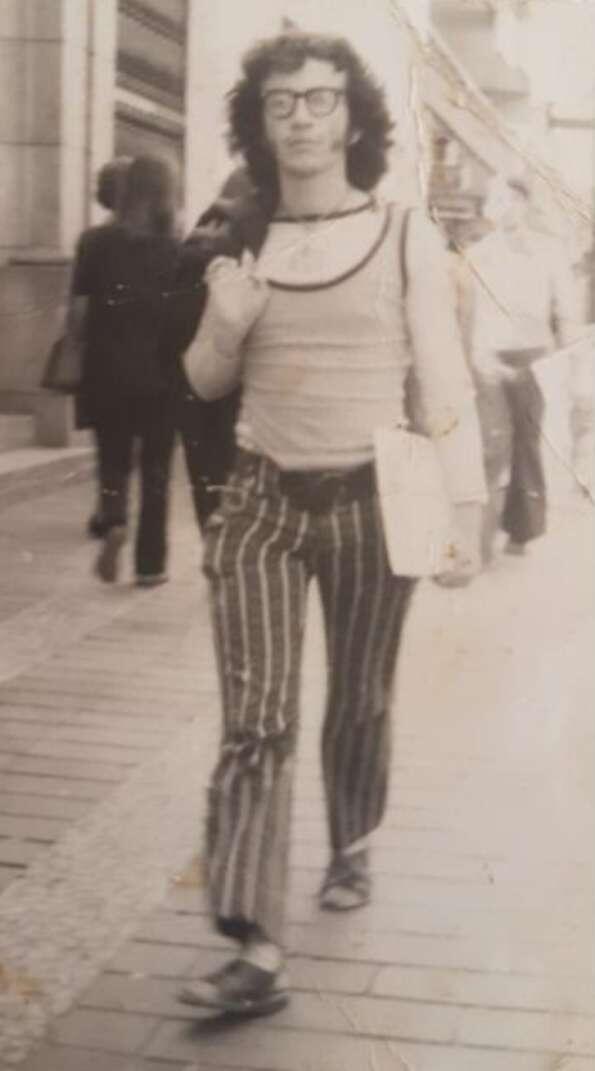
Sonnet 47 by Francisco Luis Arroyave Tabares
Freedom
After falling in a night of shadows
Where I can feel the cold side of the hearts
Each day I never forget sparrows
Those sweet reminders of where freedom starts.
However I can travel in a cloud
Still lifted on the wings of passing thoughts
Countless names sway and I say them aloud 7
To call dear phantoms not sere yet with draughts. 8
I count with bubbles my pains and few laughters
And fast they become rainbows I lean on,
The past belongs to a world that falters
With pilasters shaking and colors gone.
From everything I have kept some seeds
They are dormant in the dreams my soul feeds.
***
7- sway= prevail. 8- sere= withered, threadbare.
Sonnet written by Francisco Luis Arroyave Tabares. Analyzed by GPT4 and www.howmanysyllables.com
Image by Leonardo.ai
Copyright 1989
Analysis of "Freedom"
Sonnet 47 by Francisco Luis Arroyave Tabares, titled "Freedom," is a contemplative piece that explores themes of freedom, memory, and resilience. The sonnet is structured in the traditional Shakespearean format, with three quatrains and a concluding couplet.
The first quatrain introduces the speaker's struggle, symbolized by a "night of shadows" and the "cold side of the hearts." The speaker finds solace in the image of sparrows, which serve as a metaphor for freedom and hope.
In the second quatrain, the speaker explores the concept of freedom through the metaphor of traveling in a cloud, lifted by passing thoughts. The speaker calls out countless names, possibly referring to memories or lost individuals, who are not yet withered by time or hardship.
The third quatrain introduces a sense of melancholy and transience. The speaker counts their pains and few laughters with bubbles, a symbol of fleeting moments. The past is depicted as a faltering world, with its foundations shaking and colors fading.
The concluding couplet offers a note of resilience and hope. Despite the hardships and losses, the speaker has kept seeds from everything they've experienced. These seeds, possibly representing lessons learned or memories cherished, are dormant in the dreams the speaker's soul feeds on. This suggests that the speaker finds strength and freedom in their ability to remember, dream, and hope for the future. (GPT4)
Analyze the rhyme of the poem in detail
The sonnet follows the traditional Shakespearean sonnet rhyme scheme, which is ABABCDCDEFEFGG.
Here's how the rhyme scheme works in this sonnet:
A: shadows (line 1)
B: hearts (line 2)
A: sparrows (line 3)
B: starts (line 4)
C: cloud (line 5)
D: thoughts (line 6)
C: aloud (line 7)
D: draughts (line 8)
E: laughters (line 9)
F: on (line 10)
E: falters (line 11)
F: gone (line 12)
G: seeds (line 13)
G: feeds (line 14)
The final two lines (GG) form a rhymed couplet, which is a characteristic feature of the Shakespearean sonnet. This couplet often serves to summarize or provide a conclusion to the themes explored in the preceding quatrains. In this sonnet, the couplet offers a hopeful note of resilience and continuity. (GPT4)
Count the syllables of each line of the poem
(www.howmanysyllables.com)
Freedom
10 After falling in a night of shadows
10 Where I can feel the cold side of the hearts
9 Each day I never forget sparrows
10 Those sweet reminders of where freedom starts.
10 However I can travel in a cloud
10 Still lifted on the wings of passing thoughts
10 Countless names sway and I say them aloud
10 To call dear phantoms not sere yet with draughts.
11 I count with bubbles my pains and few laughters
10 And fast they become rainbows I lean on,
10 The past belongs to a world that falters
10 With pilasters shaking and colors gone.
9 From everything I have kept some seeds
10 They are dormant in the dreams my soul feeds.
What other analysis is worth doing on the poem?
1-. Language use: The poem contains various literary devices, such as the metaphor of the "sparrows" as reminders of freedom, the alliteration in "Countless names sway" to emphasize the quantity of names mentioned, and the repetition of "pains and few laughters" as a contrast between pain and happiness in life. These literary devices contribute to the strength and depth of the poem.
2-. Theme: The poem revolves around freedom and how it can be found even in the darkest moments. The fact that the poet wrote this poem from a federal prison in the United States in the 1980s further highlights the importance of freedom in his life and work. The poem also relates to the theme of nature and the ability to find beauty and meaning in the everyday.
3-. Structure: The poem follows the structure of the sonnet, with two quatrains and two tercets, and the rhyme scheme of ABAB CDCD EFEF GG. The separation of the poem into two parts allows the poet to develop an idea or feeling over the first eight lines and then expand or conclude it in the last six lines. The structure also allows the poet to play with rhyme and rhythm to create a lyrical and emotional effect.
4-. Tone and poetic voice: The tone of the poem is melancholic but hopeful. The poet expresses pain and sadness in the first few lines but then finds solace in nature and the possibility of finding beauty even in difficult situations. The poetic voice appears to be that of the poet himself, expressing his feelings and thoughts from a personal and emotional perspective.
5-. Cultural references: The poem uses the image of sparrows as a reminder of freedom, suggesting a connection with nature and the ability to find meaning in the everyday. Additionally, the poem references "phantoms," which may be a reference to people who have passed through the poet's life and impacted him in some way, or a reference to memories and dreams that accompany him in moments of difficulty. These cultural references contribute to the complexity and depth of the poem. (GPT4)
#poetry #sonnet #art #poems #nostr #nostrart #artist #artnotai #artonnostr #artstr #zapathon #literature #books #original #poet #poets

