
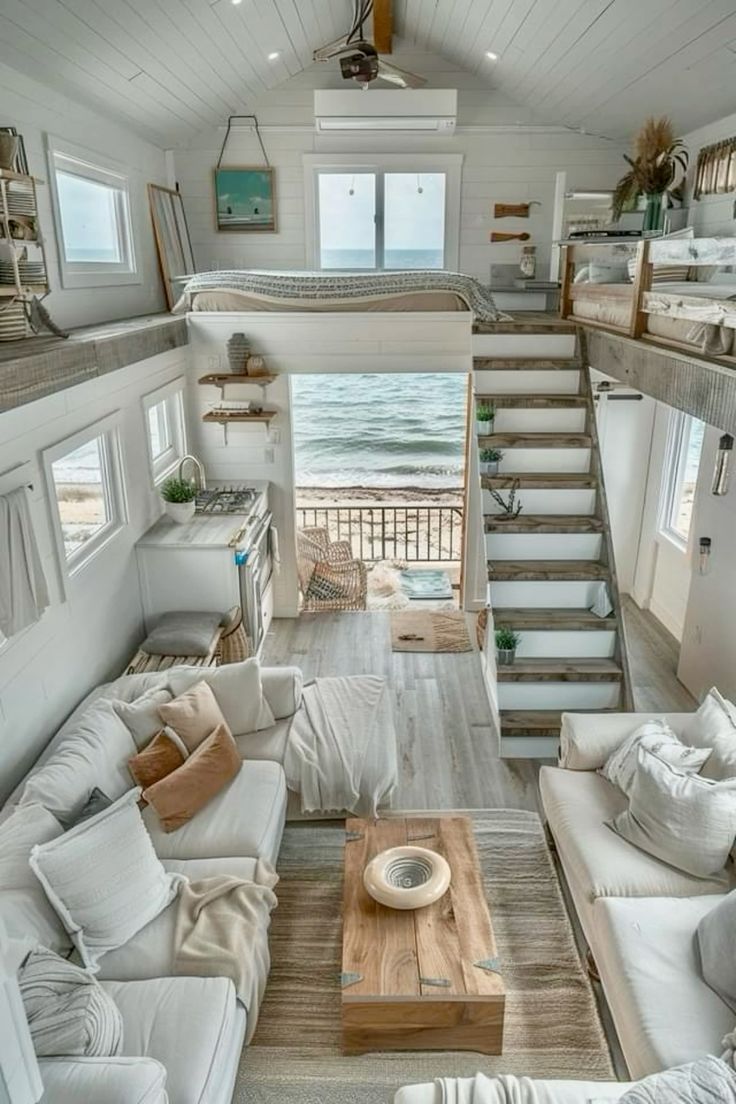
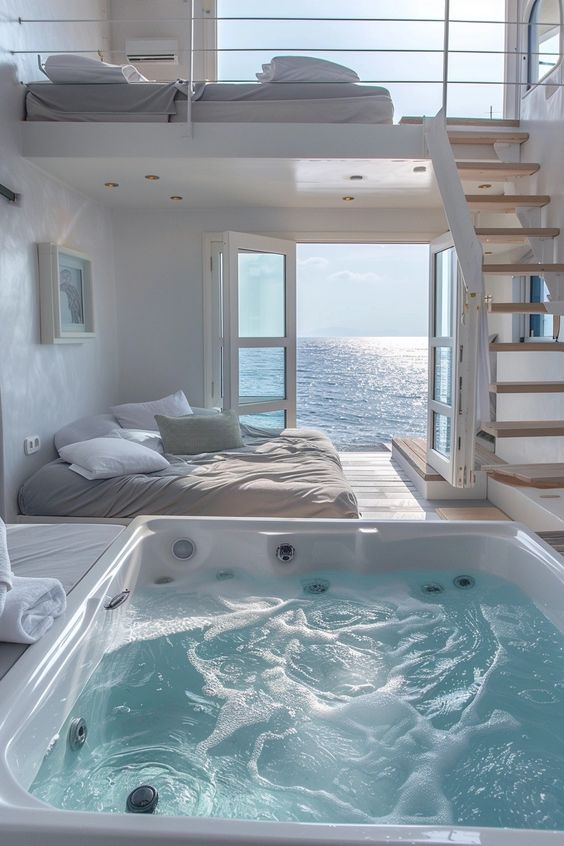

Houses near the sea are exposed to several risks due to wind blowing from the sea, also known as onshore winds. Here are the key risks:
### 1. **Salt Spray Corrosion**
- **Impact**: Salt carried by sea winds can cause corrosion and damage to metal fixtures, roofing, and outdoor furniture.
- **Effect**: Accelerates wear and tear, leading to higher maintenance costs and potentially reducing the lifespan of the house's exterior materials .
### 2. **Structural Damage from High Winds**
- **Impact**: Coastal areas often experience stronger winds, which can cause physical damage to the structure of the house.
- **Effect**: Roof shingles can be torn off, windows can be broken, and siding can be damaged. Strong winds can also lead to structural issues over time .
### 3. **Moisture Intrusion**
- **Impact**: Wind-driven rain can force moisture into small cracks and crevices in the house.
- **Effect**: This can lead to mold, mildew, and rot, particularly in wooden structures. Moisture can also damage insulation and electrical systems .
### 4. **Sand and Debris Damage**
- **Impact**: Winds can carry sand and debris, which can act as an abrasive against the exterior surfaces of the house.
- **Effect**: This can erode paint, damage windows, and clog gutters. Sand can also infiltrate into living spaces, causing additional maintenance issues .
### 5. **Increased Wear on HVAC Systems**
- **Impact**: Coastal winds can carry salt and moisture, affecting the efficiency and lifespan of heating, ventilation, and air conditioning (HVAC) systems.
- **Effect**: HVAC units may require more frequent maintenance and replacements due to corrosion and salt build-up .
### 6. **Impact on Landscaping**
- **Impact**: Wind and salt spray can affect plant health, leading to increased gardening and landscaping challenges.
- **Effect**: Certain plants may not thrive in the salty, windy conditions, requiring the use of more robust, salt-tolerant species .
### Mitigation Measures
To mitigate these risks, homeowners can:
- Use corrosion-resistant materials (e.g., stainless steel, treated wood).
- Install impact-resistant windows and reinforced roofing.
- Apply protective coatings to metal surfaces.
- Regularly maintain and inspect the property for signs of damage.
- Design landscaping with salt-tolerant plants and windbreaks.
### Conclusion
While living near the sea offers many benefits, it also comes with specific challenges related to wind and salt exposure. Proper construction materials, regular maintenance, and thoughtful landscaping can help mitigate these risks and protect the home from the harsh coastal environment.
For more detailed information, you can refer to sources like [HomeAdvisor](https://www.homeadvisor.com/r/home-near-the-ocean/) and [This Old House](https://www.thisoldhouse.com/ideas/protect-your-home-coastal-weather). nostr:nevent1qqs2zq9hr4t676k838ke02rg598wdzkxrm3ktzk9pnrwgfqwxtpmdwszyza7f4sf7cmsv46cvq4xaus66q6yhu8h844evxdnaery3ys08z95gkalm22