
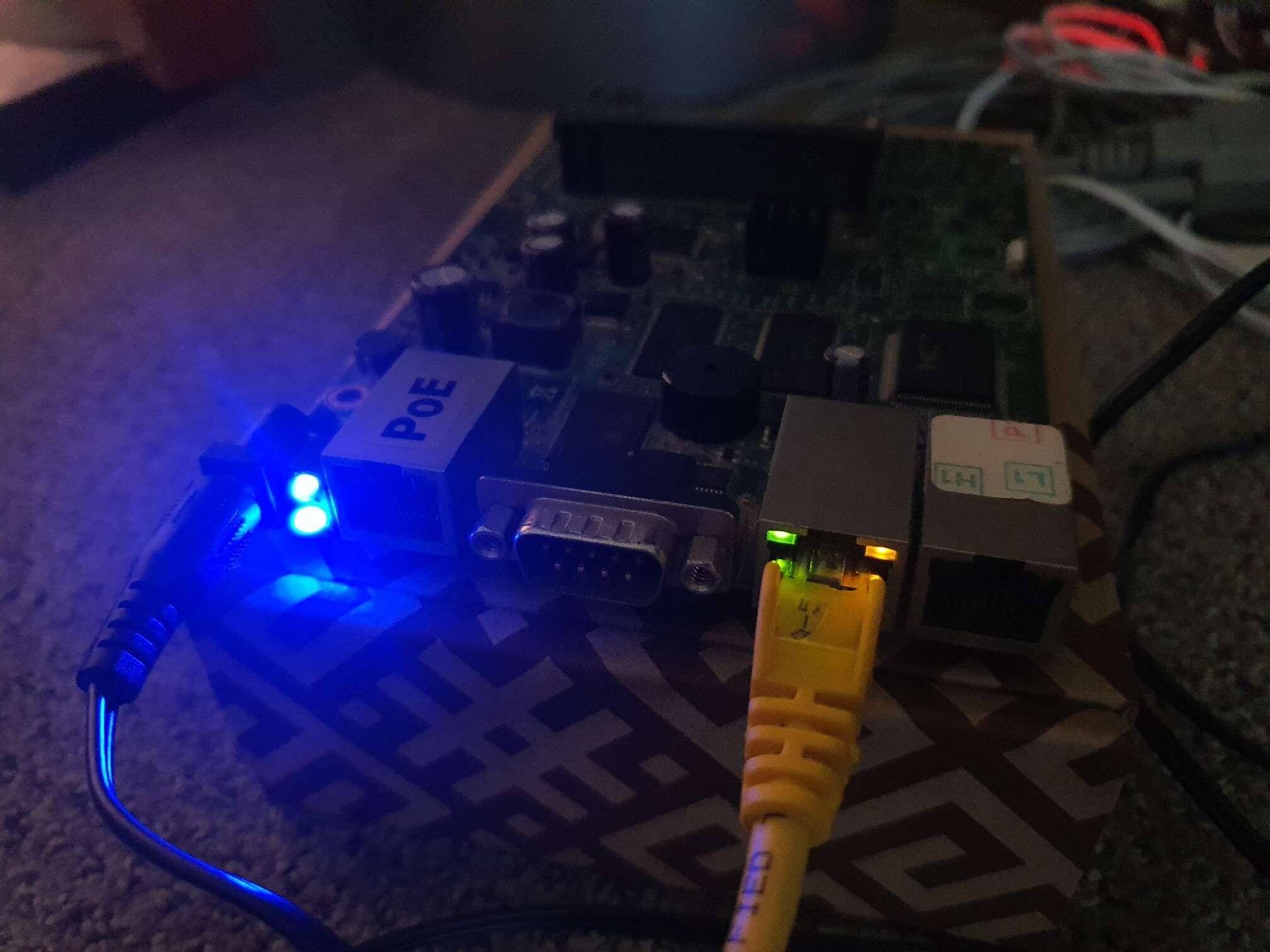
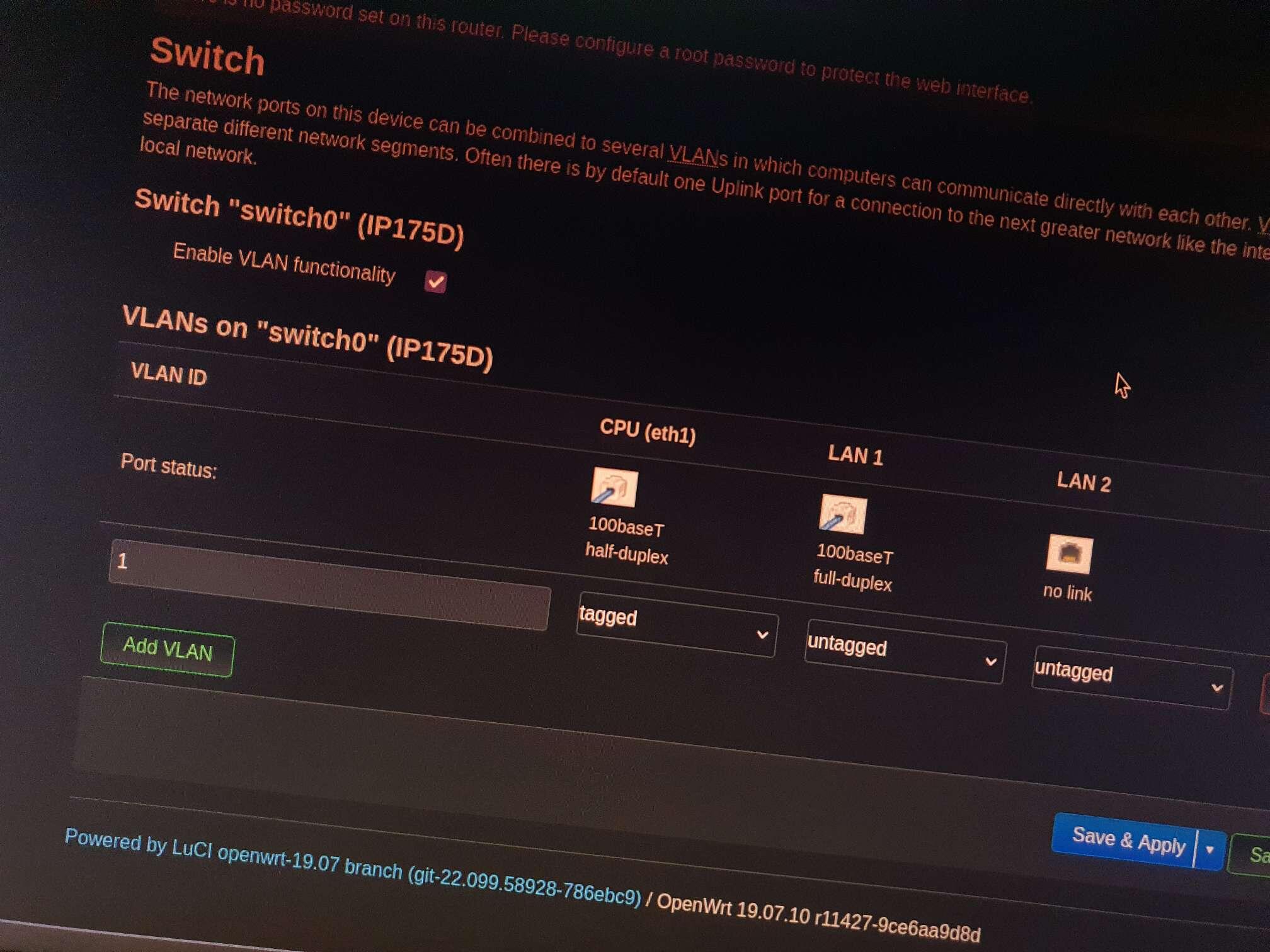
Another win. It can be difficult to get newer versions onto some older devices due to onboard flash size and RAM size.

When doing a network boot you will load the entire OS into memory, including the file system containing base packages and config files. This often means that more RAM is used than a normal installation where only a portion of these aforementioned factors are resident in RAM.

It is for this reason that when you try flash a big image you simply can't as it won't fit into RAM for the flashing process. Therefore you need to start with a smaller image, flash it and then boot into it and flash the next image you want.

It's been very fun and I am enjoying the journey thus far with OpenWRT.

#openwrt
nostr:nevent1qqsreezpvhhnm89ryg6s66lvyqqgw843yav2x29m8fyrualyze79w6qpz3mhxw309ucnydewxqhrqt338g6rsd3e9upzp4s5nq3ujrzgvhjtcs62f0s6rm50w24tmqegm5zehf83ramr8v9kqvzqqqqqqyq4c60q

Reply to this note

Please Login to reply.

Discussion

Yes I've noticed that too. Which is why I replaced my 10 years old router last week with a newer model as it VLAN support and twice as much RAM etc. Only to discover now that OpenWRT supports the plain Asus GT-AX6000 router but not my ROG Rapture GT-AX6000.... bit sad as that was going to be my fallback plan. Especially as the router also does not support inter-VLAN routing like OpenWRT does.

Ah well a new challenge and I see there may be a way via changing the iptables routing from the CLI ;-)