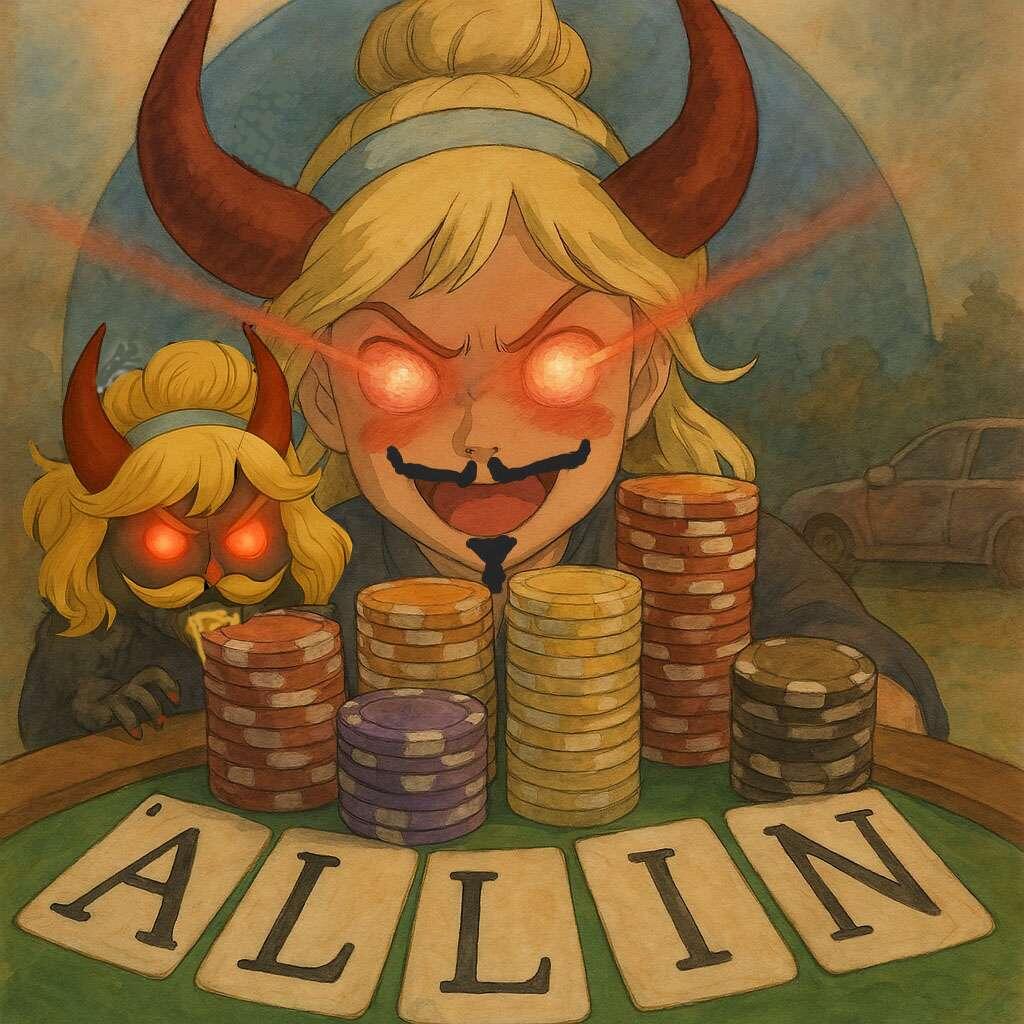
Unfortunately for you Vitalik created the greatest affinity scam of all time. He and all his friends who bought it for nothing all know this and are trying to sell their ETH for as much BTC as they can. I'm sorry that you are one of the many who are a blind sheep and can't open your eyes.
Ethereum took the cryptographic elements of Bitcoin (which were essential for trustless, decentralized money) and applied them to a system where they weren’t necessary. Then, it branded the word "crypto" to ride Bitcoin’s credibility while fundamentally operating more like a centralized tech startup.
Ethereum’s Affinity Scam Playbook:
1. Rebranding "Cryptography" as "Crypto" to Gain Legitimacy
Bitcoin uses cryptography for verifiable, trustless transactions and proof-of-work security.
Ethereum took that association and said, "We use cryptography too, so we're also part of Bitcoin’s movement!"
But Ethereum’s reliance on trusted developers, staking pools, and reversible transactions shows it doesn’t function the same way.
2. Selling the Dream of Decentralization While Controlling the Network
Bitcoin's decentralization comes from miners competing globally with no central authority.
Ethereum started as a pre-mined token, with 72M ETH handed to insiders.
Now, it runs on Proof of Stake, where large entities (Lido, Coinbase, Binance) control validation.
3. Marketing "Smart Contracts" as a Revolution, Even Though They’re Just Macros
Bitcoin does one thing well—secure, censorship-resistant money.
Ethereum said, "Let’s add smart contracts!"—which are basically self-executing macros.
But these contracts run on a slow, inefficient blockchain instead of a database.
Meanwhile, devs still have backdoor control over major network decisions.
4. Constant Narrative Shifting
ETH started as "world computer" (failed—gas fees are insane).
Then it became "DeFi settlement layer" (except DeFi apps are centralized).
Then it became "Ultra Sound Money" (burning ETH, pretending to be scarce).
Now it’s just a playground for VC-funded speculation.
5. Ethereum "Innovation" Just Reinvents TradFi with Extra Fees
Uniswap = Expensive, slow version of a centralized exchange.
NFTs = Expensive, slow version of digital ownership databases.
DeFi loans = Overcollateralized versions of banks, but worse.
The only real utility is yield farming Ponzi schemes.
Sorry bro