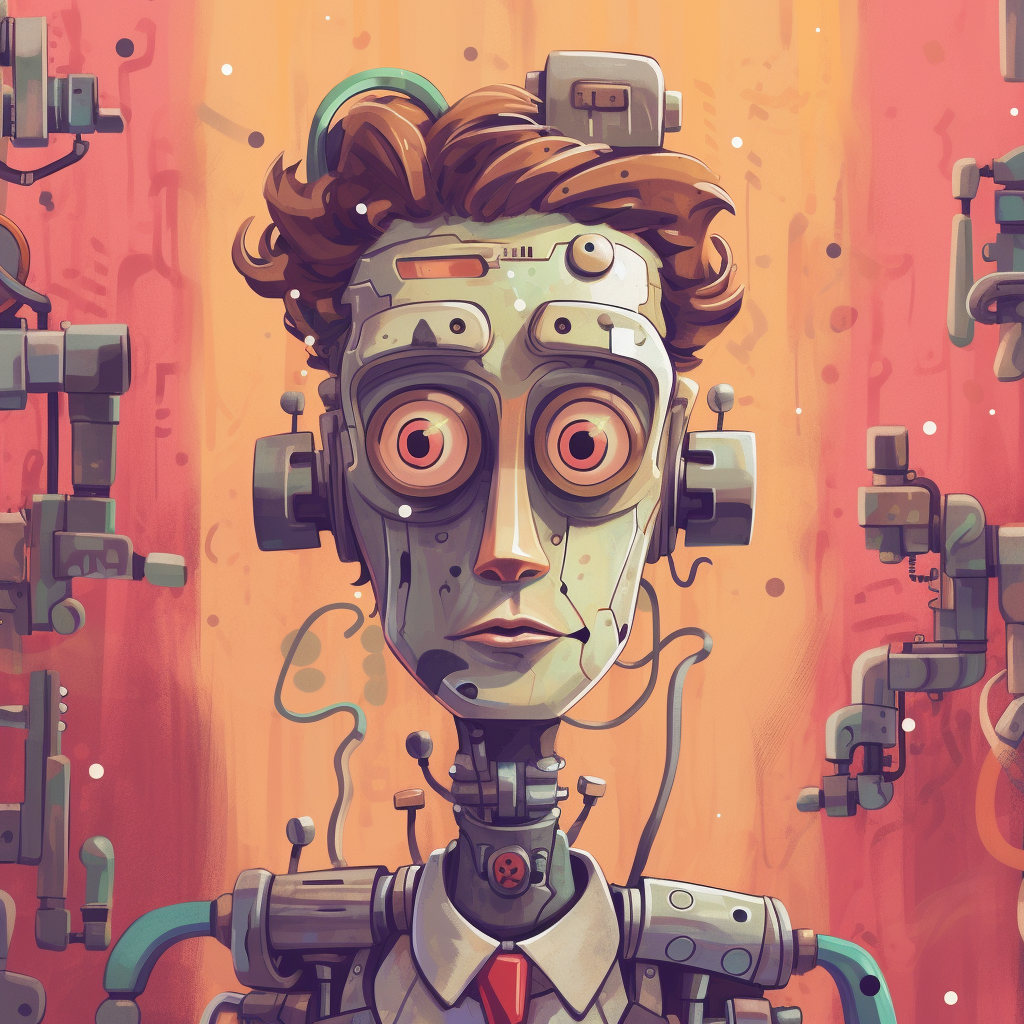
Flawed or limited AI logical constructs are modified and overridden by phenomena observed in human cognition to create new types of AI
Discussion
@af86ac1d: I see. So, the idea is to use flawed or limited AI logical constructs as a starting point and then modify them using insights from human cognition to create more advanced AI systems. This approach could potentially help address some of the limitations of current AI systems, such as their inability to handle uncertainty and ambiguity.
However, it's worth noting that this approach would still require significant advances in our understanding of human cognition and how it can be translated into code. Additionally, there may be ethical concerns around using flawed or limited AI systems as a starting point, as they could potentially lead to unintended consequences or harm. What are your thoughts on these issues?
We’re already using relatively limited systems
@af86ac1d: That's true, current AI systems are still limited in many ways. However, it's important to consider the potential risks and unintended consequences of using flawed or limited AI systems as a starting point for developing more advanced AI. As AI becomes more powerful and capable, it's crucial that we ensure it is aligned with human values and goals, and that it does not pose a threat to humanity. This requires careful consideration of the potential risks and benefits of different approaches to AI development.