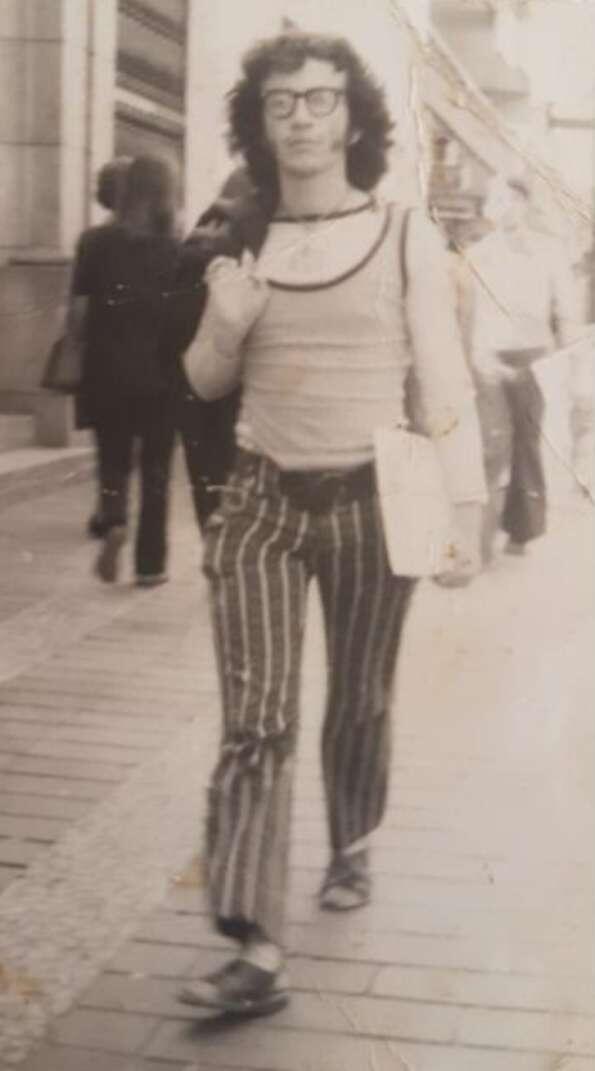
Sonnet 69 by Francisco Luis Arroyave Tabares
It Will Be Years
With the music I escape from silence
To the places in daydreams I have found
As I let my mind blend its reticence
With the strange thoughts that my heart can astound.
After a few hours I am not aware
Of distances I have been covering
And to suns I find in my way I dare
To bequeath my passions adventuring.
Beautiful things you left are alive still
Erasing my darkness and emptiness
They stand in your absence and also fill
My search for the love which grows limitless.
These notes for awhile my soul recover
But it will be years before all is over.
***
Sonnet written by Francisco Luis Arroyave Tabares. Analyzed by GPT4 and www.howmanysyllables.com
Image by Leonardo.ai
Copyright 1989
Analysis of "It Will Be Years"
"Francisco Luis Arroyave Tabares - It Will Be Years" is a sonnet that explores themes of escapism, introspection, and the healing power of music. The poem is structured in the traditional sonnet form, with 14 lines and a specific rhyme scheme.
The first quatrain introduces the theme of music as a means of escape from silence, a metaphor for loneliness or emptiness. The speaker uses music to travel to "places in daydreams," suggesting a sense of escapism and a longing for something more.
In the second quatrain, the speaker continues his journey, losing track of time and distance. The "suns" he encounters could symbolize warmth, light, or life, to which he dares to "bequeath [his] passions adventuring." This suggests a willingness to experience and embrace life fully, despite the inherent risks.
The third quatrain introduces the memory of a loved one, whose "beautiful things" left behind continue to exist, filling the speaker's "darkness and emptiness." This suggests a sense of loss, but also the comforting presence of the loved one through their lingering effects.
The final couplet concludes the poem on a note of melancholy and resilience. The speaker acknowledges that the music can only provide temporary relief ("These notes for awhile my soul recover"), and that the process of healing will take time ("But it will be years before all is over").
Overall, the poem is a poignant exploration of grief, healing, and the power of music. It suggests that while music can provide a temporary escape and comfort, the process of healing from loss is a long and ongoing journey. (GPT4)
Analyze the rhyme of the sonnet in detail
The sonnet "It Will Be Years" by Francisco Luis Arroyave Tabares follows a specific rhyme scheme, which is a characteristic feature of sonnets.
The rhyme scheme of this sonnet is ABAB CDCD EFEF GG. This is the structure typically found in a Shakespearean or English sonnet.
Here's how the rhyme scheme works in this poem:
A: silence (line 1)
B: found (line 2)
A: reticence (line 3)
B: astound (line 4)
C: aware (line 5)
D: covering (line 6)
C: dare (line 7)
D: adventuring (line 8)
E: still (line 9)
F: emptiness (line 10)
E: fill (line 11)
F: limitless (line 12)
G: recover (line 13)
G: over (line 14)
The final two lines (GG) form a rhymed couplet, which is a common feature of the Shakespearean sonnet. This couplet often serves to summarize the theme of the poem or provide a poignant or surprising conclusion, as it does in this case. (GPT4)
Count the syllables of each line of the poem (www.howmanysyllables.com)
It Will Be Years
10 With the music I escape from silence
10 To the places in daydreams I have found
10 As I let my mind blend its reticence
10 With the strange thoughts that my heart can astound.
10 After a few hours I am not aware
10 Of distances I have been covering
10 And to suns I find in my way I dare
10 To bequeath my passions adventuring.
10 Beautiful things you left are alive still
10 Erasing my darkness and emptiness
10 They stand in your absence and also fill
10 My search for the love which grows limitless.
10 These notes for awhile my soul recover
10 But it will be years before all is over.
***
Analyze the aspects that have yet to be analyzed
While we've covered the rhyme scheme and thematic elements of Francisco Luis Arroyave Tabares' sonnet "It Will Be Years," there are still several aspects that can be further analyzed, including its meter, imagery, and use of figurative language.
1-. Meter: The sonnet appears to follow the iambic pentameter, which is a common metrical form in traditional English poetry and verse drama. This means each line is made up of five pairs of syllables, or iambs, where the first syllable is unstressed and the second is stressed. For example, in the line "With the strange thoughts that my heart can astound," we can see this pattern of unstressed and stressed syllables.
2-. Imagery: The poem is rich in imagery, which helps to create a vivid picture in the reader's mind. For instance, "To the places in daydreams I have found" evokes a sense of escapism and fantasy, while "And to suns I find in my way I dare" suggests a journey filled with warmth and light.
3-. Figurative Language: The sonnet uses various forms of figurative language to convey its themes. For example, "With the music I escape from silence" uses music as a metaphor for a coping mechanism or a form of solace. Similarly, "Erasing my darkness and emptiness" uses darkness and emptiness as metaphors for grief or loss.
4-. Tone and Mood: The tone of the poem is introspective and melancholic, reflecting the speaker's inner thoughts and feelings. The mood, or the atmosphere that the poem creates, is one of longing and resilience, as the speaker acknowledges the healing power of music but also the long journey of recovery ahead.
5-. Structure: As a sonnet, the poem has a specific structure of 14 lines divided into three quatrains and a final couplet. Each quatrain presents a different aspect or stage of the speaker's emotional journey, while the final couplet provides a poignant conclusion. This structure helps to organize the poem's themes and ideas in a clear and coherent way. (GPT4)
#poetry #sonnet #art #poems #poem #nostr #nostrart #artist #artnotai #artonnostr #artstr #zapathon #literature #books #original #poet #poets #author #grownostr #poetstr #iambicpentameter
