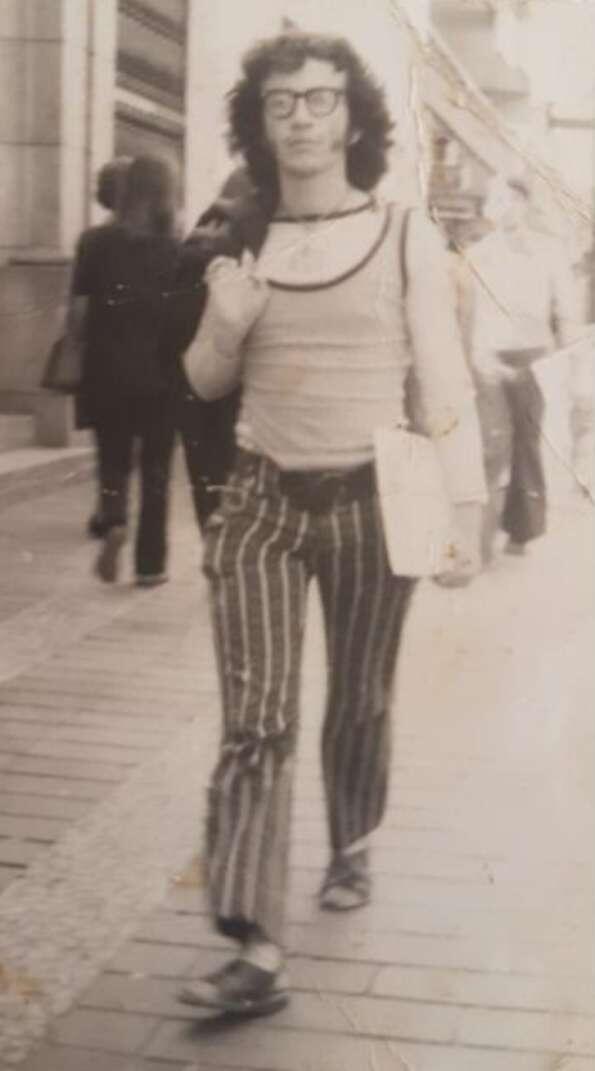
Sonnet 59 by Francisco Luis Arroyave Tabares
On Time's Lap
Protected by the shade of an old tree
I decided to watch the hours happen
And let the plant's spirit take over me
Since I have this experience often.
I beheld the past and things that are dear
To man and all his reasons to survive
Also passions that were born yesteryear
And seasons of life in which we all thrive.
I felt that I was a child on time's lap
Born from some mind in a night of heaven
But aware enough to follow the sap
That yield fruits that we pick up each even.
A child to whom little will satisfy
Because his inner songs will never die.
***
Sonnet written by Francisco Luis Arroyave Tabares. Analyzed by GPT4 and www.howmanysyllables.com
Image by Leonardo.ai
Copyright 1989
Analysis of "On Time's Lap"
Sonnet 59 by Francisco Luis Arroyave Tabares, titled "On Time's Lap," is a contemplative and introspective poem that explores the themes of time, life, and the human condition. The sonnet is written in the traditional Shakespearean format, consisting of three quatrains and a concluding couplet.
The first quatrain sets the scene, with the speaker sitting under an old tree, watching time pass by. The tree could symbolize wisdom, age, or the cycle of life and death. The speaker allows the spirit of the plant to take over him, suggesting a connection with nature and a desire to understand life's deeper meanings.
In the second quatrain, the speaker reflects on the past and the things that are important to humans, such as survival and passion. The mention of "seasons of life" could refer to the different stages of human life, from birth to death.
The third quatrain introduces the metaphor of the speaker as a child sitting on time's lap. This could symbolize the speaker's feeling of being small and insignificant in the grand scheme of time. However, the speaker is also aware and able to follow the "sap," or life force, that produces fruits, symbolizing the results or outcomes of life's experiences.
The concluding couplet suggests that the speaker, despite being a "child" in the context of time, has an insatiable curiosity or desire for understanding because his "inner songs," or inner thoughts and feelings, will never die. This could imply a sense of immortality through the persistence of one's thoughts, feelings, and experiences.
Overall, the sonnet is a profound meditation on time, life, and the human condition, expressing a deep sense of wonder, curiosity, and desire for understanding. (GPT4)
Analyze the rhyme of the poem in detail
Sonnet 59 by Francisco Luis Arroyave Tabares follows the traditional Shakespearean sonnet rhyme scheme, which is ABABCDCDEFEFGG.
In the first quatrain, "tree" (A) rhymes with "me" (A), and "happen" (B) rhymes with "often" (B).
In the second quatrain, "dear" (C) rhymes with "yesteryear" (C), and "survive" (D) rhymes with "thrive" (D).
In the third quatrain, "lap" (E) rhymes with "sap" (E), and "heaven" (F) rhymes with "even" (F).
Finally, in the concluding couplet, "satisfy" (G) rhymes with "die" (G).
This rhyme scheme creates a rhythmic flow and helps to connect the ideas in the poem. The final rhyming couplet serves to summarize the poem's main theme and provide a sense of closure. (GPT4)
Count the syllables of each line of the poem (www.howmanysyllables.com)
On Time's Lap
10 Protected by the shade of an old tree
10 I decided to watch the hours happen
10 And let the plant's spirit take over me
10 Since I have this experience often.
10 I beheld the past and things that are dear
10 To man and all his reasons to survive
10 Also passions that were born yesteryear
10 And seasons of life in which we all thrive.
10 I felt that I was a child on time's lap
10 Born from some mind in a night of heaven
10 But aware enough to follow the sap
10 That yield fruits that we pick up each even.
10 A child to whom little will satisfy
10 Because his inner songs will never die.
***
Analyze the aspects that have yet to be analyzed in Sonnet 59
While we have discussed the themes, rhyme scheme, and some of the symbolism in Sonnet 59 by Francisco Luis Arroyave Tabares, there are a few more aspects that can be analyzed, such as its meter, tone, and use of imagery.
1-. Meter: The poem follows the iambic pentameter, which is typical of a Shakespearean sonnet. This means each line of the poem has five metrical feet, each consisting of one unstressed syllable followed by one stressed syllable. This gives the poem a rhythmic flow and musicality.
2-. Tone: The tone of the poem is contemplative and introspective. The speaker is reflecting on the nature of time, life, and the human condition. There's a sense of tranquility and peace in the speaker's observations, but also a hint of melancholy in the realization of the fleeting nature of time.
3-. Imagery: The poem uses vivid imagery to convey its themes. The image of the speaker sitting under an old tree watching the hours pass by evokes a sense of tranquility and timelessness. The metaphor of the speaker as a child on time's lap suggests a sense of insignificance in the face of the vastness of time. The image of the sap yielding fruits symbolizes the cycle of life and the outcomes of our experiences.
4-. Language and Diction: The language used in the poem is formal and poetic, with a rich vocabulary that adds depth to the themes. Words like "beheld," "yesteryear," and "thrive" contribute to the poem's contemplative tone and its exploration of time and life.
5-. Structure: The poem follows the structure of a Shakespearean sonnet, with three quatrains and a concluding couplet. Each quatrain introduces a new idea or perspective, while the couplet provides a summary or conclusion. This structure helps to organize the poem's themes and ideas in a clear and coherent way. (GPT4)
#poetry #sonnet #art #poems #poem #nostr #nostrart #artist #artnotai #artonnostr #artstr #zapathon #literature #books #original #poet #poets #iambicpentameter #author
