
Who decides if information is correct?

(There's a secondary question, is there an ethical basis for punishing someone that spreads information that is adjudicated to be false, without knowing for sure that they knew it was false when they spread it; if yes, then how can anyone know that for sure?)

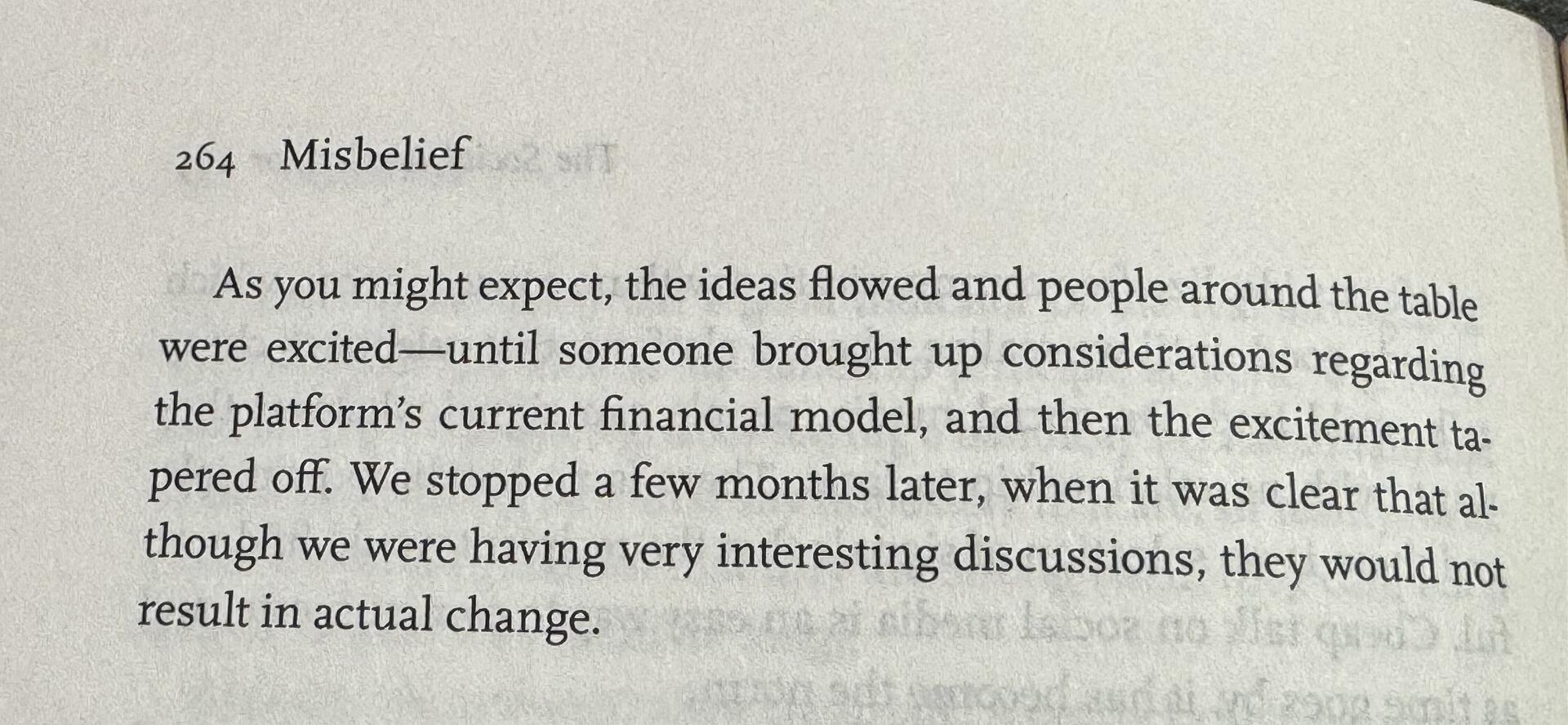
I've probably said it before, but I was absolutely shocked when I heard "serious" people starting to use the term fake news some ~15 years ago. The world is full of lying of course, and half truths even on highly respected media, but the idea that "fake news" is a real thing that needs to be legislated sounded, and still sounds incredibly childish (see above). I still genuinely don't get it.

The real problem is not the spreading of falsehoods, it's the cancer of stifling free speech because people are saying things you disagree with, with threats of violence - which actually *creates* much more spreading of falsehoods via backchannels. I saw this first hand in China.

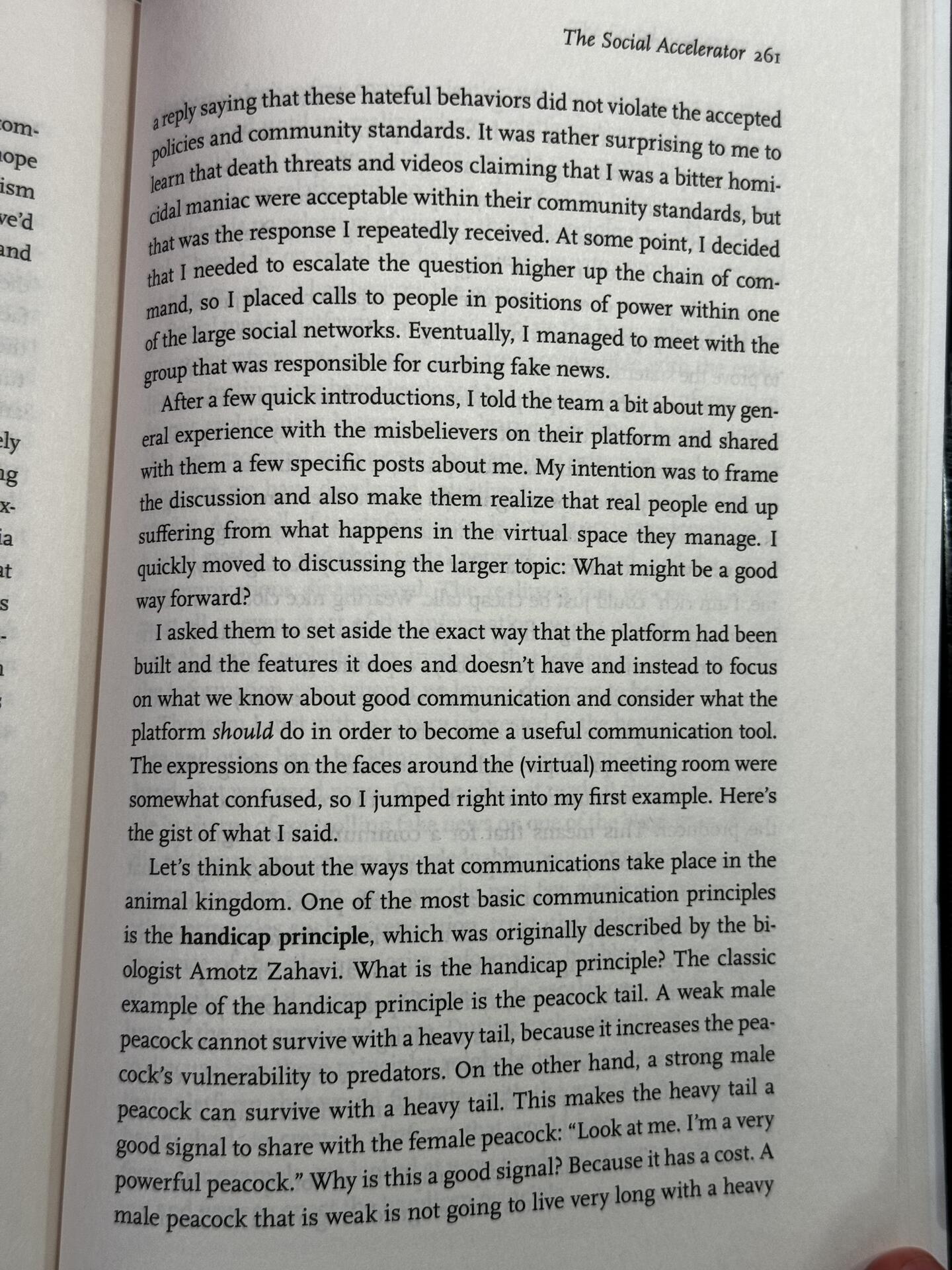
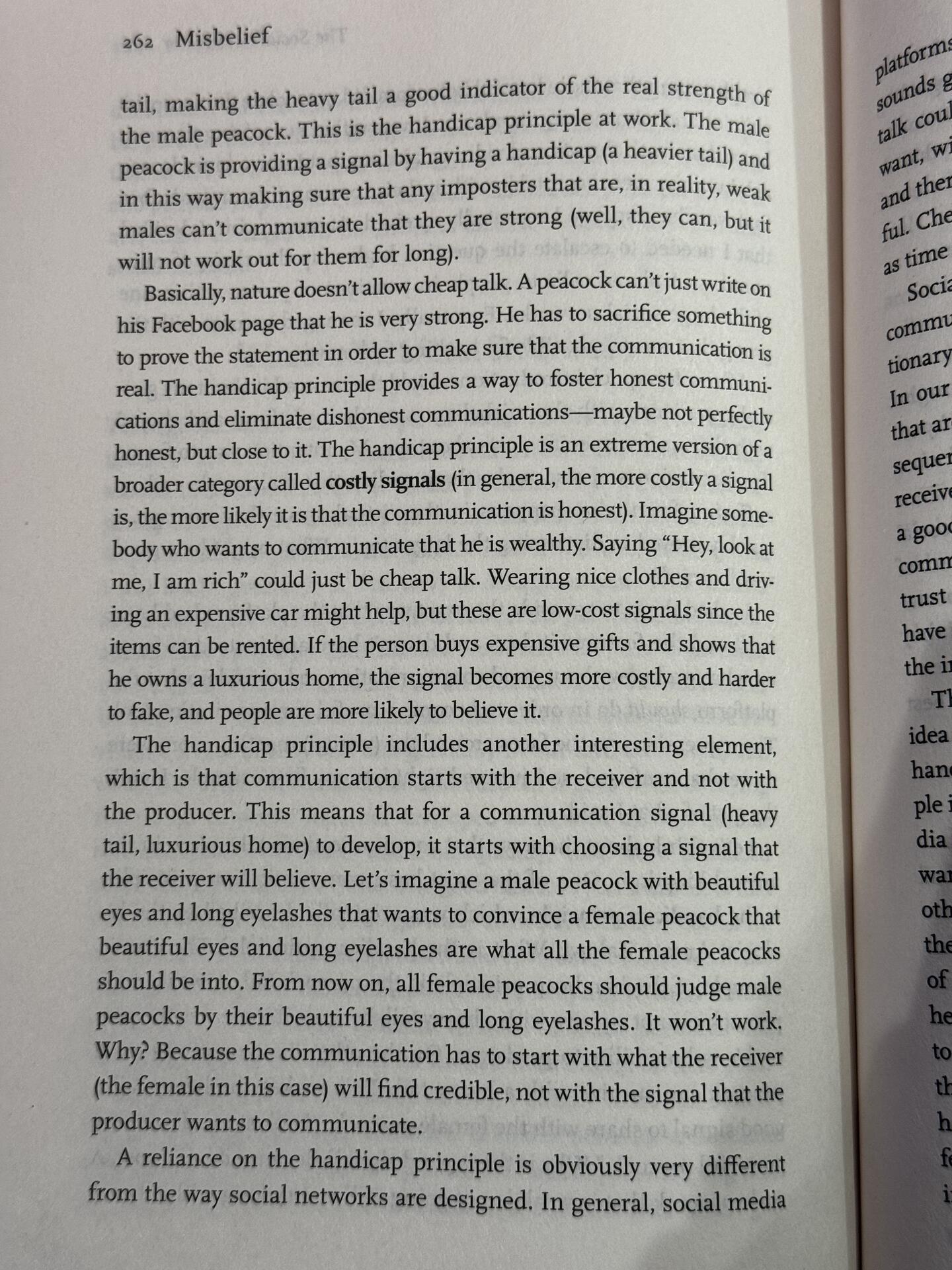
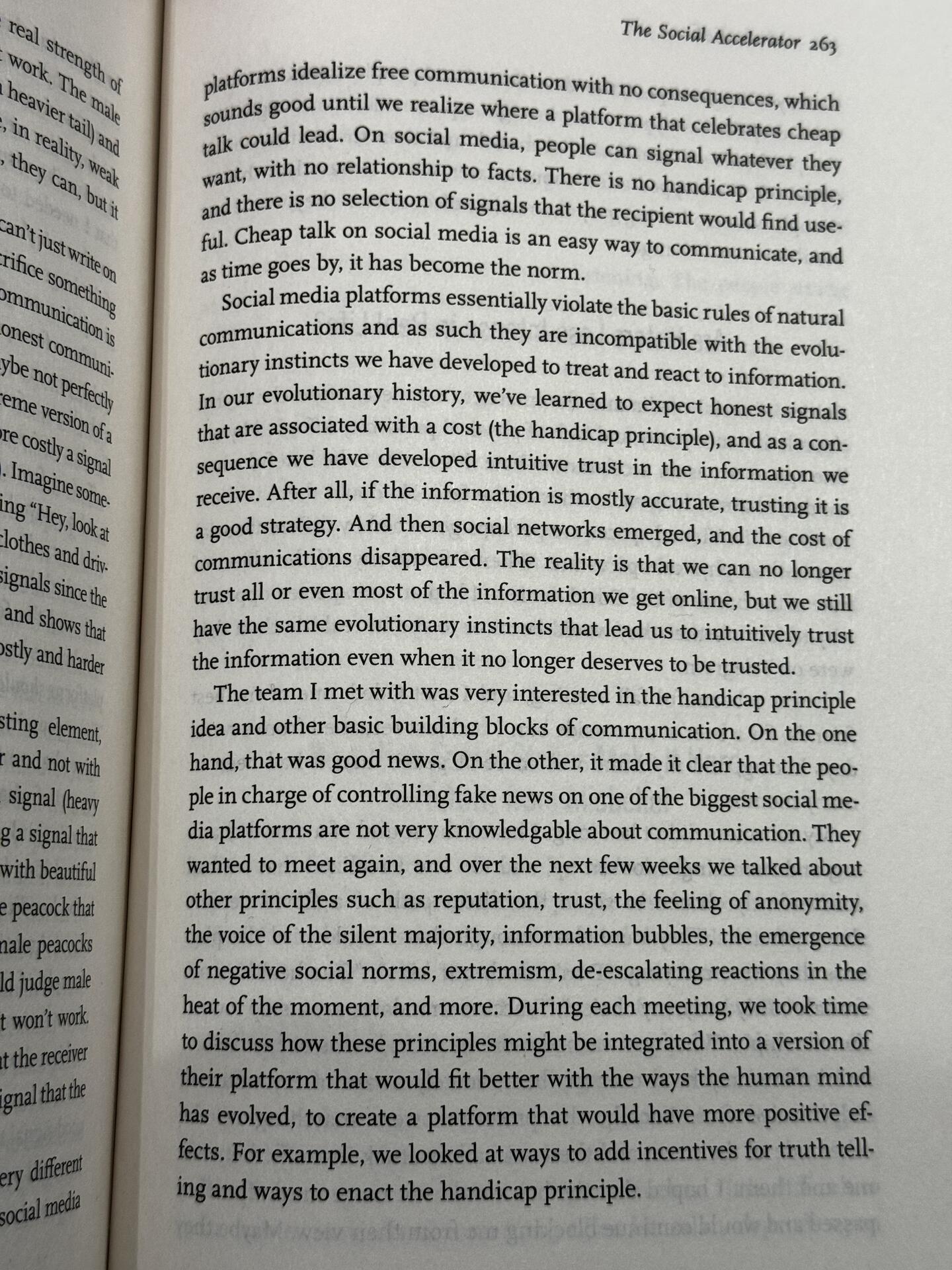
(None of this means I disagree with applying the handicap principle to stuff like online discourse, that's an interesting topic but it won't solve "fake news", because that is a broken concept).

Reply to this note

Please Login to reply.

Discussion

As I said "nobody is in charge", by which I also mean that nobody gets to decide what is correct.

But you could opt-in to have other people hold you to a high standard of intellectual honesty. That could include not spreading information that you knew at the time was unreliable, but would get lots of zaps.

It's still up to yourself or your group of peers to figure out what standards to hold and how to enforce them. The latter is a really hard problem if your goal is to avoid group-think.

Voluntary-basis fact checking is interesting, but honestly I don't see it actually working except in edge cases.

It indeed remains to be seen. Perhaps one day someone figures it out.

I do think the incentive now is too much such that the silent majority can't stop nonsense (in their eyes) from spreading. Unless you speak up, the default is for the spreader to receive likes, sats and reposts from the subset who agrees.

To some extend that happens in a bar too in that people will avoid confrontation. But there's a bit more signal in the form of blank stares. Maybe fact checking isn't the right way to address this though.