Sonnet 60 by Francisco Luis Arroyave Tabares
Giving Time To Time
When we choose to travel the longest road
we get the chance to find things that we want
Having feelings of love for only load
And for a source of knowledge Nature's font. 4
Life has ways of coming around in turns
And we always have the time to go back
And check why something inside of us burns
Saying, somehow, that we have left our track.
Then we will be one of those ocean's dreams
That holds sway with waves of the Maker's thought 10
And life will not be as hard as it seems
Since we will miss battles that others fought.
Through day or sleep our goal will be alive
And, to its shores, on time we will arrive.
***
4-. font = fountain or spring.
10-. holds sway = prevails.
Sonnet written by Francisco Luis Arroyave Tabares. Analyzed by GPT4 and www.howmanysyllables.com
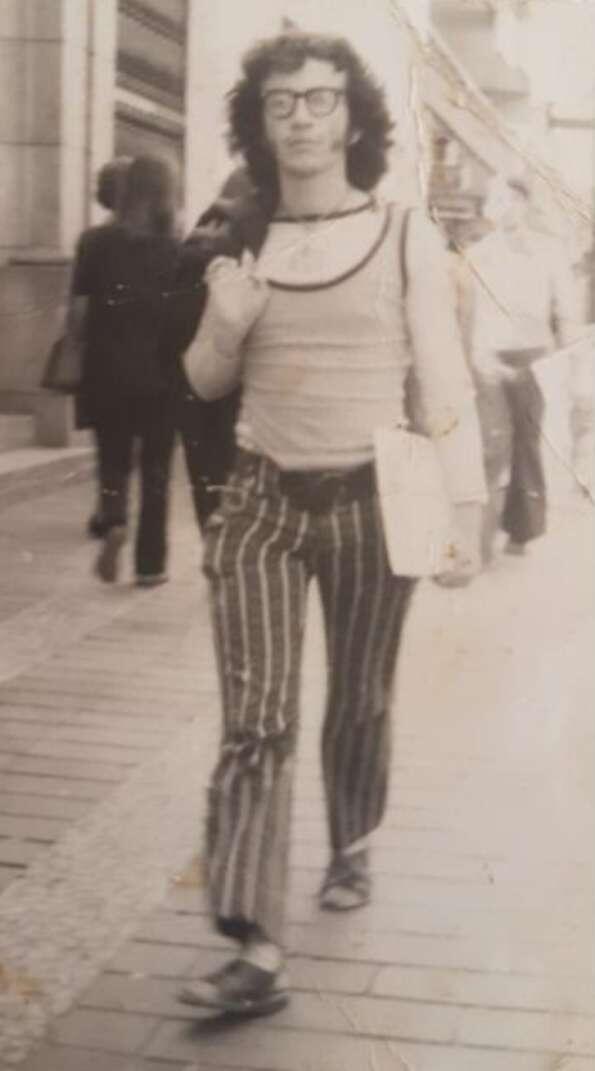
Image by Leonardo.ai
Copyright 1989
Analysis of "Giving Time To Time"
Sonnet 60 by Francisco Luis Arroyave Tabares is a contemplative piece that explores the themes of time, life's journey, self-discovery, and the power of nature. The sonnet is written in the traditional Shakespearean style, consisting of three quatrains and a concluding couplet.
In the first quatrain, the speaker encourages the reader to take the longer, more challenging path in life, suggesting that it offers the opportunity to discover what we truly desire. The speaker also emphasizes the importance of love and knowledge, symbolized by "Nature's font," as the only necessary burdens on this journey.
The second quatrain explores the cyclical nature of life and the importance of self-reflection. The speaker suggests that we always have the opportunity to revisit our past and understand our inner feelings, which may indicate that we have strayed from our true path.
In the third quatrain, the speaker uses the metaphor of an ocean's dream to illustrate the idea of being in harmony with the universe or the "Maker's thought." This state of being makes life's challenges seem less daunting and allows us to avoid unnecessary conflicts.
The concluding couplet emphasizes the persistence of our goals, whether we are awake or asleep. It assures us that we will reach our destination in due time, reinforcing the theme of patience and the importance of giving time to time.
Overall, Sonnet 60 is a philosophical and introspective poem that encourages patience, self-reflection, and alignment with the natural world on our life's journey. (GPT4)
Analyze the rhyme of the poem in detail
Sonnet 60 by Francisco Luis Arroyave Tabares follows the traditional Shakespearean sonnet rhyme scheme, which is ABABCDCDEFEFGG.
Here's how the rhyme scheme works in this sonnet:
A: road (1)
B: want (2)
A: load (3)
B: font (4)
C: turns (5)
D: back (6)
C: burns (7)
D: track (8)
E: dreams (9)
F: thought (10)
E: seems (11)
F: fought (12)
G: alive (13)
G: arrive (14)
The sonnet is composed of three quatrains (four-line stanzas) and a final rhymed couplet. Each quatrain has its own distinct rhyme scheme, and the final two lines (the couplet) rhyme with each other. This structure allows for a clear progression of thought, with each quatrain introducing a new idea or perspective, and the final couplet providing a summarizing or concluding thought. (GPT4)
Count the syllables of each line of the poem (www.howmanysyllables.com)
Giving Time To Time
10 When we choose to travel the longest road
10 We get the chance to find things that we want
10 Having feelings of love for only load
10 And for a source of knowledge Nature's font.
10 Life has ways of coming around in turns
10 And we always have the time to go back
10 And check why something inside of us burns
10 Saying, somehow, that we have left our track.
10 Then we will be one of those ocean's dreams
10 That holds sway with waves of the Maker's thought
10 And life will not be as hard as it seems
10 Since we will miss battles that others fought.
10 Through day or sleep our goal will be alive
10 And, to its shores, on time we will arrive.
***
4-. font = fountain or spring.
10-. holds sway = prevails.
Analyze the aspects that have yet to be analyzed in Sonnet 60
While we have discussed the themes, rhyme scheme, and structure of Sonnet 60 by Francisco Luis Arroyave Tabares, there are a few more aspects that can be analyzed, such as its use of imagery, metaphor, and tone.
Imagery: The sonnet is rich in imagery, which helps to create a vivid picture in the reader's mind. For instance, the "longest road" in the first line symbolizes a challenging but rewarding life journey. The "Nature's font" in the fourth line represents a source of wisdom and knowledge. The "ocean's dreams" in the ninth line conjures up an image of vast, deep, and mysterious dreams that are in harmony with the universe.
Metaphor: The sonnet uses metaphor to convey complex ideas and emotions. The metaphor of the "ocean's dreams" that "holds sway with waves of the Maker's thought" suggests the idea of being in sync with the divine or universal consciousness. The metaphor of "battles that others fought" in the twelfth line implies unnecessary conflicts or struggles that can be avoided when one is aligned with their true path.
Tone: The tone of the sonnet is contemplative and reassuring. The speaker encourages the reader to take the longer path in life, to reflect on their inner feelings, and to align with the natural world. The speaker reassures the reader that they will reach their destination in due time, emphasizing the importance of patience and self-discovery.
Language and Diction: The language used in the sonnet is formal and poetic, which is typical of traditional sonnets. The choice of words such as "Nature's font," "ocean's dreams," and "Maker's thought" adds a layer of depth and sophistication to the poem.
Meter: Like most traditional sonnets, Sonnet 60 is written in iambic pentameter, which means each line consists of five pairs of unstressed and stressed syllables. This rhythmic pattern gives the sonnet a steady and harmonious flow. (GPT4)
#poetry #sonnet #art #poems #poem #nostr #nostrart #artist #artnotai #artonnostr #artstr #zapathon #literature #books #original #poet #poets #iambicpentameter #author
