
Hey Chris, I am one of those that _did_ come to bitcoin via the FIRE community. I literally read the entire Mr. Money Mustache blog. (RIP in peace google reader). I think you are right that they are largely our allies. They believe in frugality, the Trinity Study, and Safe Withdrawal Rates based on historic stock market performance. Obviously I think they'd do well to diversify into bitcoin directly, but the index funds will bring them along indirectly anyway.
https://fountain.fm/episode/NYnqsqd7mDA2Irs4UdTp
nostr:nevent1qvzqqqpxquqzqas7ctvgwr2r67lsllttf34udsuvshf5nnst9j4d29glgkhlfn82npyqk7
The 25x is financial independence, safe Withdrawal Rate stuff. AMA if you like on this one.
Hey Chris, I am one of those that _did_ come to bitcoin via the FIRE community. I literally read the entire Mr. Money Mustache blog. (RIP in peace google reader). I think you are right that they are largely our allies. They believe in frugality, the Trinity Study, and Safe Withdrawal Rates based on historic stock market performance. Obviously I think they'd do well to diversify into bitcoin directly, but the index funds will bring them along indirectly anyway.
https://fountain.fm/episode/NYnqsqd7mDA2Irs4UdTp
nostr:nevent1qvzqqqpxquqzqas7ctvgwr2r67lsllttf34udsuvshf5nnst9j4d29glgkhlfn82npyqk7

Sounds like easy money

Totally. I have been saying they are going to pull monetization levers at some point, and it's going to be ugly when they do.

⚡️🇨🇳🍺 WATCH - The beer exchange in Qingdao.
The more people purchase, the higher the price will be. Beer that no one buys will decrease in price. Similar to a stock exchange.
https://blossom.primal.net/d5d2d4f2b35a8fc9a0c533485d705e0f8ba406bc668874180fdbc1e73a822215.mp4
Would be cool to see this in a restaurant or something.


My pizza will be self hosted today

I really want to meet these engineers that can be replaced by AI.


I finally bought and read it this year. Much deserved success.



I'm interested in this, let me know if someone wants a tester.
Agree with the sentiment, and:
If you can take out fiat debt at less than the inflation rate, this is actually a positive move. (I know cars depreciate fast, and you probably shouldn't get the 40k option)
I was the idiot that would save up and buy a car outright because I never wanted to feel like a debt slave, though.

Last day on our anniversary trip, and I wanted to share how unique this spot was. Pretty cool to have a Mountain Range on one side, and the ocean on the other. https://v.nostr.build/Xiq9Wx3qO1HfZSnJ.mp4
Looks really nice! Hope you enjoyed the time!
🎵
Corn don't care
Who you are
Where you're from
What you did
It'll always be money
🎵
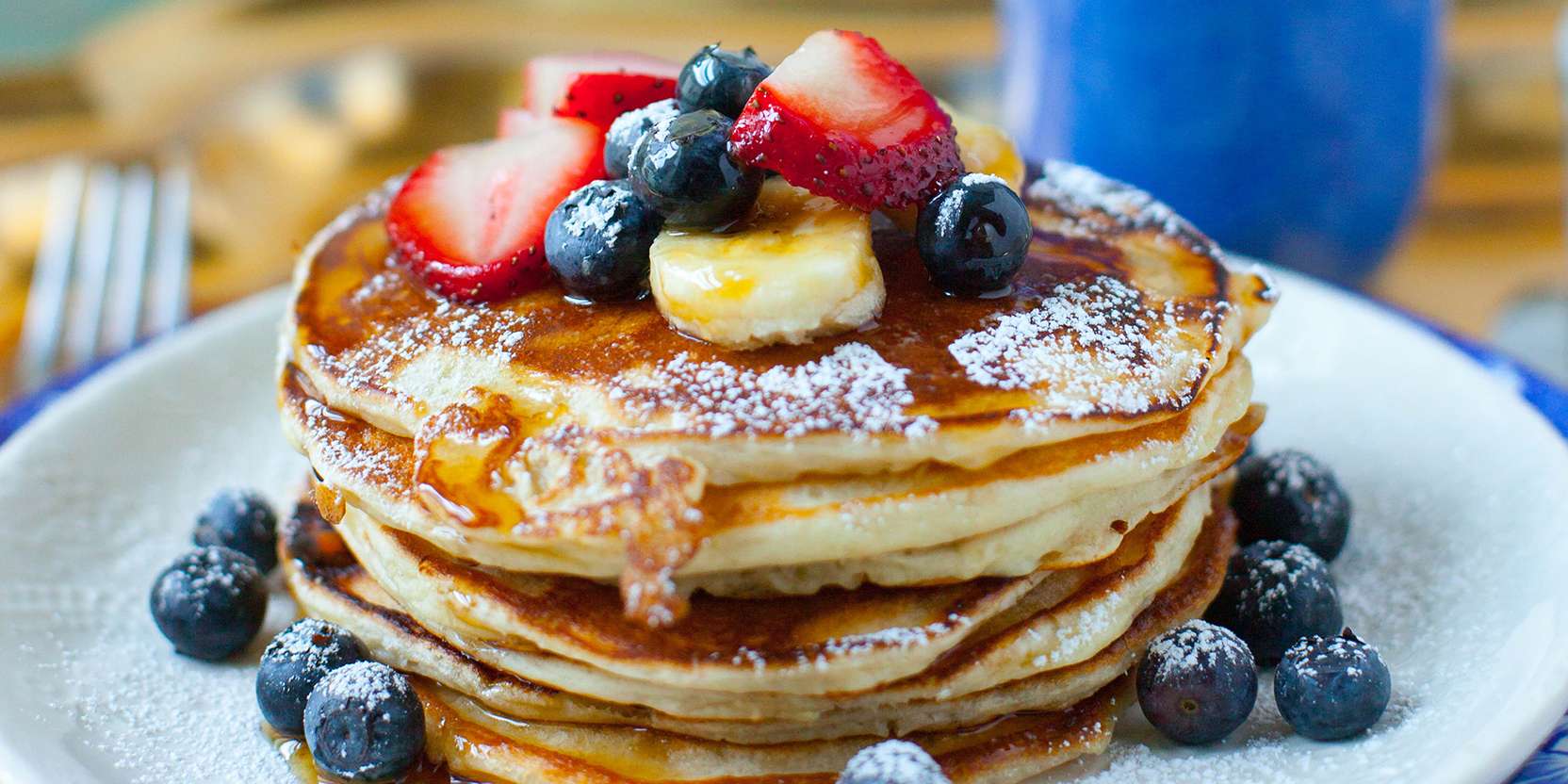
Breakfast is the most important dessert of the day

This is where I'm at too. Where are the good sources nowadays?
Free beer tomorrow, says my local bar. Somehow tomorrow is always a day away.
Ok, don't shoot the messenger on this one: I'll make the case that Shitcoins are sticking around for a long time. I don't love it, but I think I make a strong case why Bitcoiners just need to get used to it.
Also, if you think all the MSTR hype is just because they're buying/hodling Bitcoin, you're missing half the strategy, which is bullish for #bitcoin. I break it down with clips from the 🐴 mouth!
Enjoy 🍻 https://www.thisweekinbitcoin.show/episodepage/uncle-mikes-bond-bananza
Great show.
I don't think the US bitcoin strategic reserve is going to happen in 2025. Feels like too much coordination and agreement, even with a red shift. And fiscal responsibility is nowhere near the top of the agenda.
Numbers are weird like that. I remember how sad it was going from 25 to 4. In other words, a drop of 21 that we now see as fast as the data refreshes.
What does it mean for our mental models of the world that political polls have this level of bias?


