

🧵
Desde hace algún tiempo, algunos venimos comentando la necesidad de ganar soberanía digital (nos llaman los paranoicos).
No es difícil entender las razones, basta con dar un paso atrás y observar los ataques a la libertad que se producen sin cesar en todo el mundo.
Por ejemplo, la última con lo que esta sucediendo en Brazil con la censura a X. No es cuestión de que te guste o no X. Es un ataque a la libertad de las personas a utilizar las plataformas que les gusten, y es por sobre todo, un abuso del poder del Estado.
Imo, no basta con decir, "Tal cosa" arregla esto, no, ni #Bitcoin lo arregla ni #Nostr ni #SimpleX, #Tor, #VPN, etc.
Son herramientas, son tecnología que nos permiten mitigar el daño, pero mientras no seamos conscientes de su existencia y posibilidad de uso, no arreglan nada.
Necesitamos despertar y aprender a usar herramientas, tenemos que ser individuos soberanos, tomar el control en nuestras manos.
En ese momento, las herramientas, si servirán para arreglar eso, pero si la gente no despierta, seguirás siendo herramientas.
Aprende sobre #Bitcoin, #Tor, #i2p, #Nostr, #SimpleX, #Session, #Librewolf, #Brave, #Mullvad Browser, sobre #OpenVPN, sobre #Amnezia, #LightningNetwork, #DuckDuckGo, #Startpage, y seguro me dejo muchas cosas, pero aprende.
Nunca antes hemos tenido tan a la mano información, tantas posibilidades de aprender, de formarnos.
Solo necesitas querer hacerlo, lo demás esta ahí, al alcance de una búsqueda.
Por ejemplo, si quieres podrías empezar a leer sobre cómo tener tu propia VPN:
https://amnezia.org/en/self-hosted

Excelente
My love ❤️ 


The Australian dream used to be straightforward: secure a job, pay off your house by your late thirties, and retire with substantial assets and savings to support your lifestyle.
Some argue the introduction of compulsory superannuation contributions in 1991 signaled the government's lack of trust in Australians' ability to save and be self-sufficient in their later years. But I disagree.
The issue wasn’t that Australians were incapable of saving; it was that saving money was no longer enough. The erosion caused by the Keynesian experiment had seeped into Australian retirements, making it nearly impossible for an entire generation to retire off the savings from a [median salary of $27,200](https://www.9news.com.au/finance/rates-1990-versus-2007/8251875f-a878-49a5-bca6-559d2dcdb361#:~:text=Against%20a%20backdrop%20of%20average,up%2044.99%20percent%20of%20income.).
Superfunds were thus established by the government as a supposed solution to the problem they had created. How unsurprising.
Fast forward 33 years, and Australian superfunds, like those in most of the western world, are now facing two insurmountable challenges of population demographic, and a debasing currency.
**1. Our Population is Ageing**
On face value, it shouldn't matter whether the population is ageing. If I have my own retirement account which I paid into each month, why would it matter if the people around me are ageing as well?
The answer lies in duration mismatch. Retirement funds must manage a mix of short-term, long-term, and continuous obligations, balancing liquid liabilities (cash payments to members) with illiquid assets (investments). Because funds rely on more inflows (super contributions) than outflows (payouts to retirees), population demographics play a critical role in maintaining this balance - and Australia's isn't looking great.
 )   )
)
*An example of an ageing population (Australia) vs a growing population (Nigeria)*
**2. Our Currency is Ever Debasing**
This is far more pernicious for our retirees
| Financial Year | [Average Super Return](https://www.superguide.com.au/comparing-super-funds/super-funds-returns-financial-year) | [Money Supply Growth](https://data.worldbank.org/indicator/FM.LBL.BMNY.ZG?locations=AU&most_recent_year_desc=true) | Net Return |
| --- | --- | --- | --- |
| 2023-24 | 9.1% | 4% | 5.1% |
| 2022-23 | 9.2% | 7.8% | 1.4% |
| 2021-20 | -3.3% | 6.7% | -10% |
| 2020-21 | 18% | 13.6% | 4.4% |
In Austrian Economics, inflation is understood as a monetary phenomenon that occurs when new monetary units are added to the existing supply. This monetary inflation is the precursor to both price and asset inflation.
Austrians also reject the idea of measuring price inflation with a single number, such as the CPI, as different asset classes respond differently to monetary inflation. For instance, industries like technology and manufacturing are less susceptible to price inflation due to the deflationary effects of increased automation and competition.
Conversely, hard assets like gold and real estate have reached record highs, as easy money tends to flow toward the most reliable stores of value.
#### Average Yearly Prices Increase since 2018 - Against YoY M2 and CPI
| | Iphone | [Median House](https://www.aussie.com.au/content/dam/aussie/documents/home-loans/aussie_25_years_report.pdf) | Money Supply Growth | [CPI](https://www.rba.gov.au/inflation/measures-cpi.html) |
| ----- | ----| ---- | ------ | --- |
| Since 2018 | 2.24% | 6.8% | 7.2% | 3.1%
---
*Although simplistic, the table above shows that hard assets move with monetary inflation, not CPI.
The real hurdle, or the absolute **minimum** that a superfund has to give it's members is not CPI or the 3.95% 10 year, but that monetary inflation rate of 7.2%.
An increase in the required rate of return invariably brings an increase in risk. Superfunds can't simply gamble Australians' retirement savings on high-risk offshore tech startups, so these returns are often sought through listed equities and commercial real estate—two interest rate sensitive asset classes. This correlation significantly limits the RBA's ability to manoeuvre and the dilemma is clear:
* Drop rates, inflate away our retirement.
* Increase rates, crash our retirement.
**Bitcoin to the Rescue**
You guess it, bitcoin fixes this.
Take the same example from 1991, but replace the Australian Peso with Bitcoin. In a Bitcoin world, we wouldn’t need superannuation. By simply saving 40 years of time and energy in a deflationary currency like Bitcoin, our savings alone would **increase** in purchasing power, eliminating the need to burden future generations for our retirement.
In the meantime, Australian superfunds should take a leaf out of a few smaller US pension funds like the [Wisconsin Pension Fund](https://www.wpr.org/news/wisconsin-pension-fund-bitcoin) and start gaining exposure to bitcoin.
A 2% allocation to a Bitcoin ETF is enough to ignite a chain reaction toward full institutional adoption. This truly scarce and desirable asset, with its **low** correlation to existing portfolios, isn’t just an opportunity—it’s a lifeline for the future of Australian retirees. It’s only a matter of time.
Colin Gifford
August 2024
It make sense… Really good article.

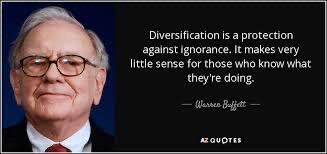
People are stubborn… diversification is the best strategy to stay poor.
Do you guys reckon bitcoin will crash soon?

Venezuela toda se quedó sin luz, sin internet.
Why is X banned in Brasil?
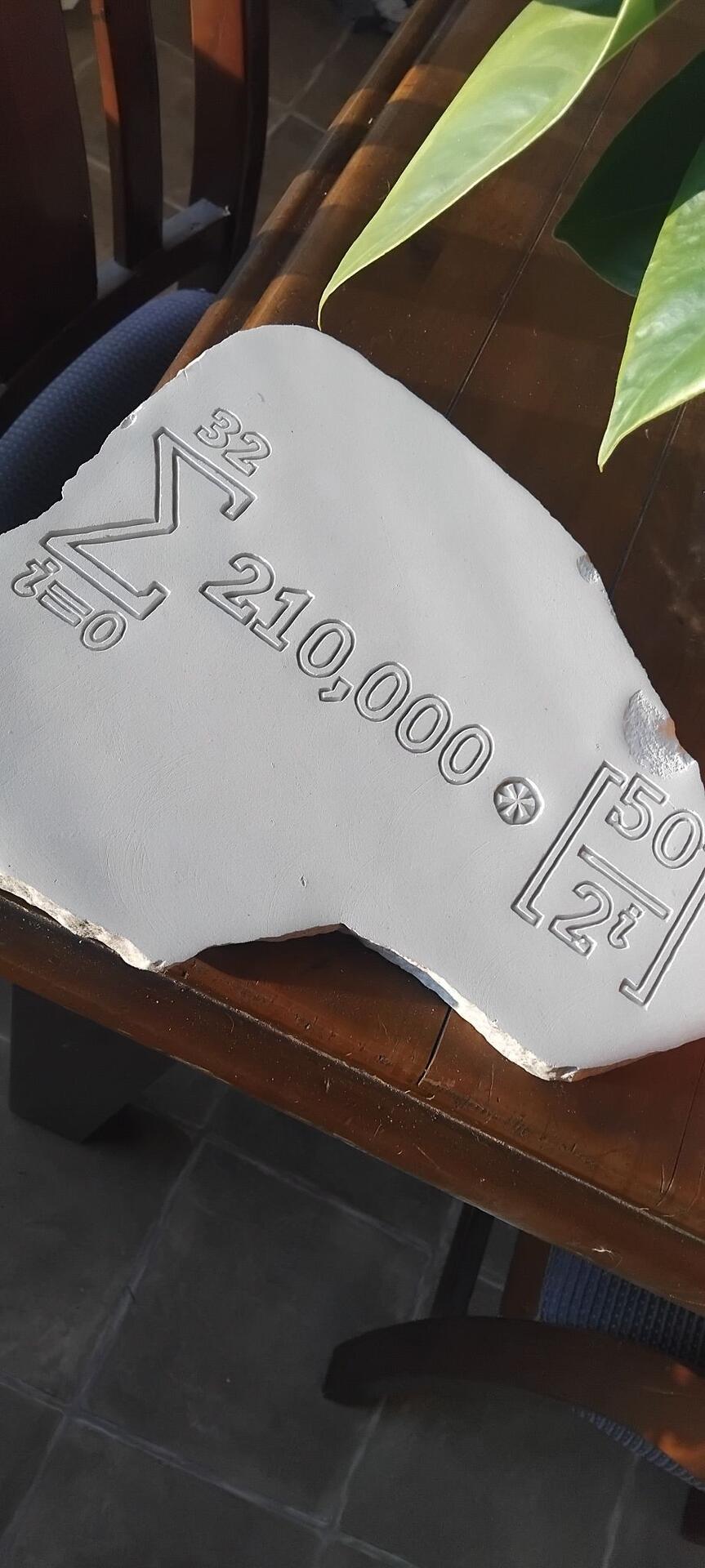


On onnnnn
Must be love in the brain. nostr:note15ssxaryvm4cfj6wjemw0dsmkvug83v572f8e70vnt7hv7n9dk4hse69cct

La gente grita por más impuesto para terminar pagándole a personas que les enseñan cómo evadirlos…
A de a alpha, B de brava…

Very cool. If I could zap you I would but apple vale verga…