
In the beginning there was HOSTS.TXT and it was administered centrally.

I feel the same way about npubs, events, zaps and relays. Entirely new approach, but not sure what the killer use case will be. Bezos understood the tech and had the faith to apply it to a business model with an entirely new possibility. It took 20 years to be profitable, but he did it. Likely similar pattern for #nostr, hopefully not as long.

Twitter is still useful. I have several private lists that keep me on top of a bunch of industry news, developments, etc. It's all that 'global town square' tripe they are espousing. At best, they are a commercial section of downtown with some seedy sections.


Everyone smells blood in the water after that video.
If you have no exit alternative then you're the product.
I felt like I was being talked at - that’s why I stopped the video. I still have Twitter, but have pretty much stopped posting. Nostr now has the feel that Twitter had over a decade ago. I hope bad things don’t catch up to it.
I stopped listening after I learned she worked for X.



Oh dang, sorry to hear 😢. ❤️ vibes from our npug. 
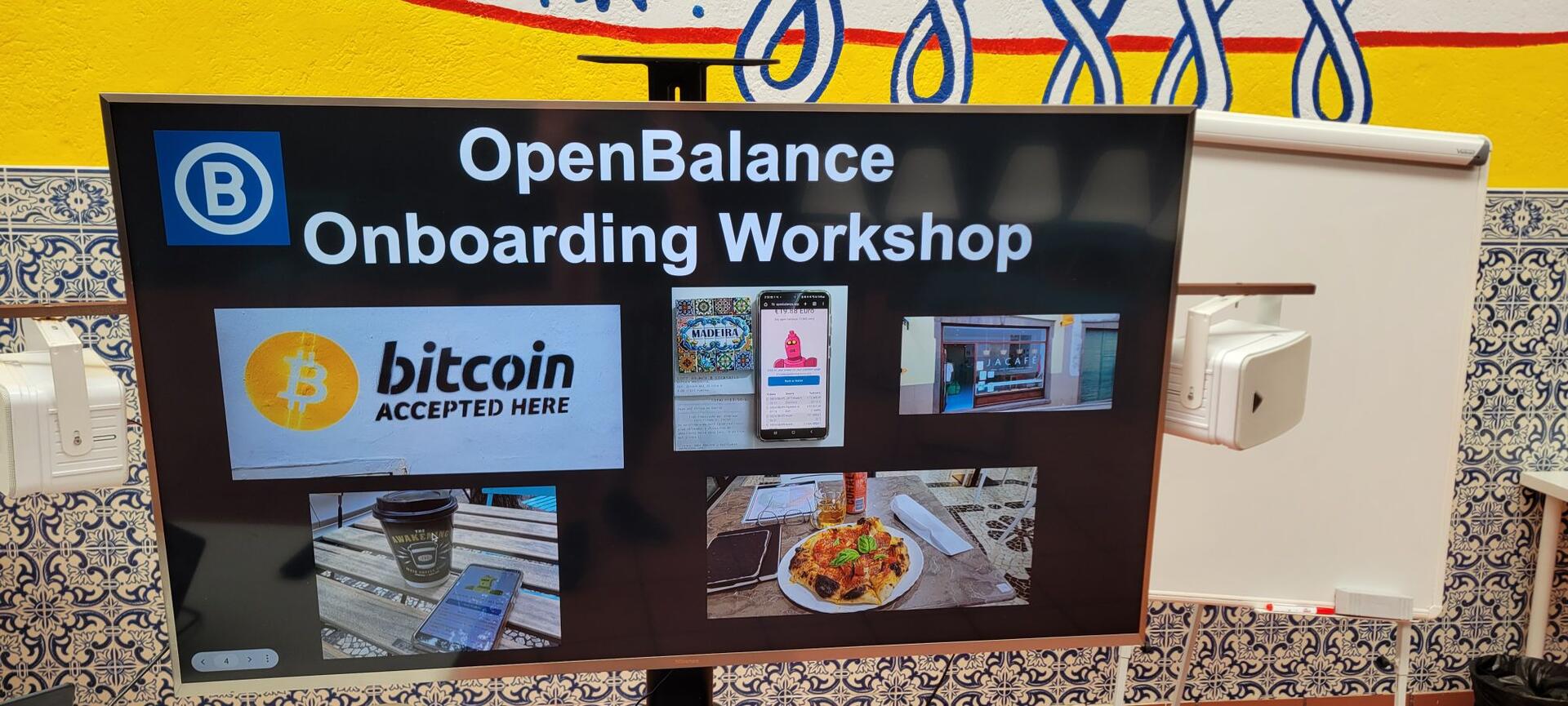
FWIW, I did some real-world stuff in #SEC02 as part of nostr:nprofile1qqsg8kve59yxyhpa9wupntesvnq0dgfd0k5g769jc6fzrua8gct36xgpzpmhxue69uhkumewwd68ytnrwghszxthwden5te0wfjkccte9eekummjwsh8xmmrd9skctcpz4mhxue69uhhyetvv9ujuerpd46hxtnfduhsq53ra5
By the end of the cohort, and after several weeks of field-testing and refinement, I was using my wallet (and payment system) as a matter of routine.
The system uses ecash under the hood (thanks to nostr:nprofile1qqs9pk20ctv9srrg9vr354p03v0rrgsqkpggh2u45va77zz4mu5p6ccpz4mhxue69uhhyetvv9ujuerpd46hxtnfduhsz9thwden5te0dehhxarj9ehhsarj9ejx2a30qythwumn8ghj7un9d3shjtnswf5k6ctv9ehx2ap09krt7g) , not readily apparent to the end user but enabled it to be super fast for payment.
A direct portal (more like a wormhole) of what it’s like being in Venezuela. No algorithm to screen out.
Also, authentic because I got to know this account months ago as an accomplished photographer before things went south.
This is #nostr nostr:note1sgkllgluyutxcp3t8qnwd07e964e7lvfy4d8vtu2rc7zplf0k77snjvt57
read. code. cook. sleep. repeat.


When power > rules.
We need rules > power.

My early morning reading companion

The DNS has three major components:
- The DOMAIN NAME SPACE and RESOURCE RECORDS, which are
specifications for a tree structured name space and data
associated with the names. Conceptually, each node and leaf
of the domain name space tree names a set of information, and
query operations are attempts to extract specific types of
information from a particular set. A query names the domain
name of interest and describes the type of resource
information that is desired. For example, the Internet
uses some of its domain names to identify hosts; queries for
address resources return Internet host addresses.
- NAME SERVERS are server programs which hold information about
the domain tree's structure and set information. A name
server may cache structure or set information about any part
of the domain tree, but in general a particular name server
has complete information about a subset of the domain space,
and pointers to other name servers that can be used to lead to
information from any part of the domain tree. Name servers
know the parts of the domain tree for which they have complete
information; a name server is said to be an AUTHORITY for
these parts of the name space. Authoritative information is
organized into units called ZONEs, and these zones can be
automatically distributed to the name servers which provide
redundant service for the data in a zone.
- RESOLVERS are programs that extract information from name
servers in response to client requests. Resolvers must be
able to access at least one name server and use that name
server's information to answer a query directly, or pursue the
query using referrals to other name servers. A resolver will
typically be a system routine that is directly accessible to
user programs; hence no protocol is necessary between the
resolver and the user program
“The domain system assumes that all data originates in master files
scattered through the hosts that use the domain system. These master
files are updated by local system administrators. Master files are text
files that are read by a local name server, and hence become available
through the name servers to users of the domain system. The user
programs access name servers through standard programs called resolvers.”
Now reading…

Dawn dish detergent.