

Nice! We were happily digging ourselves. Do you know if the hawks will return to the nest next year?
I do not. Hope not as it’s in a tree that needs to be taken down due to Severe storm damage.
I got 3/4 huglekultures amended. Planted some onions and 7 strawberry plants (all mine died). Saw I have some asparagus already coming up 😋 love 80 degree weather this early in the year. Oh, I also saw my lemon balm, oregano and parsley made it though the winter and are growing. I left the leaves covering them because we don’t get out last freeze until May. Good day digging in the dirt, enjoying the sun and seeing 4 red tailed hawks flying above. Apparently we have a nest about 40-50’ up in one of our trees. Very cool seeing the young learn to fly.
#gardenstr #gardens 

Welcome to Nostr!

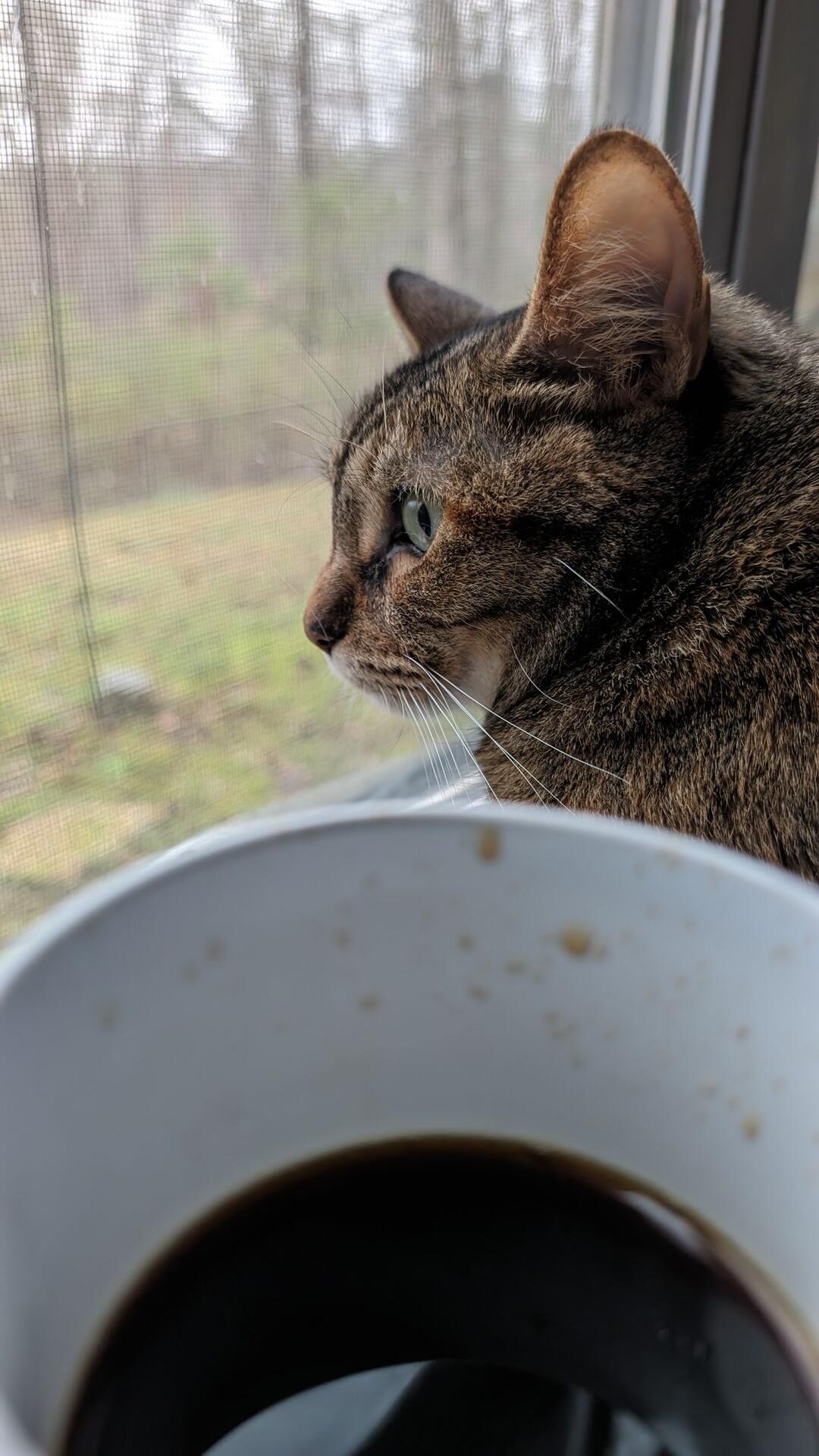


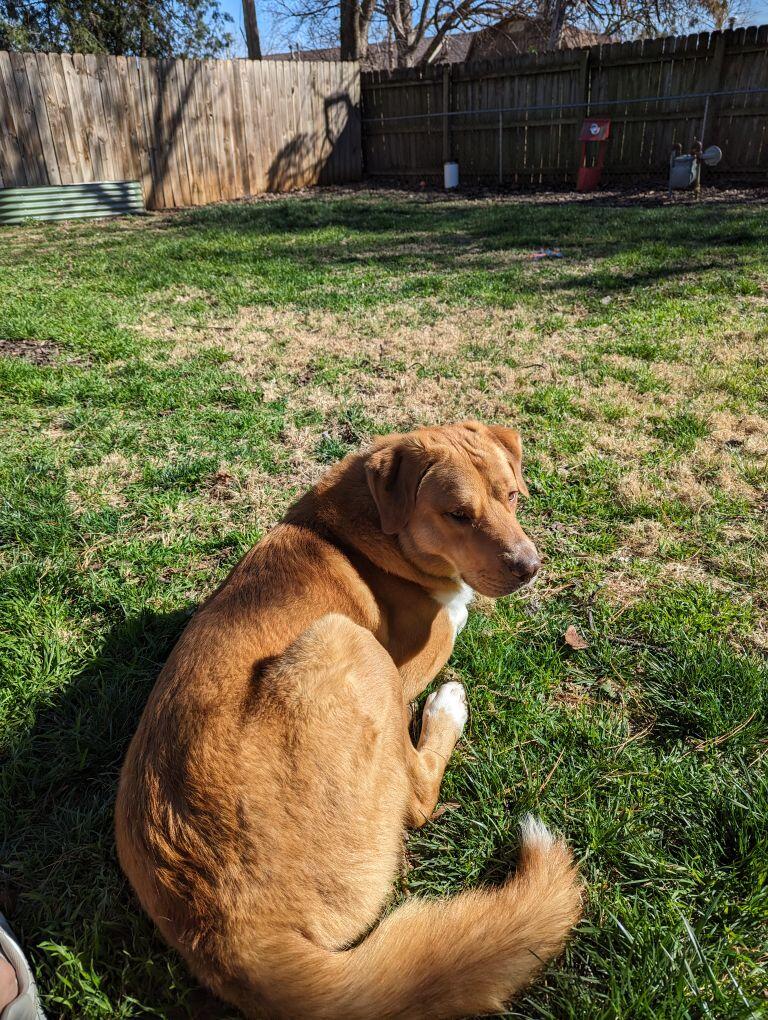
OMG! You posted again 🤣 it is beautiful today. I’ve been outside most of the day work on my garden prep.

Happy cats!
#catstr 
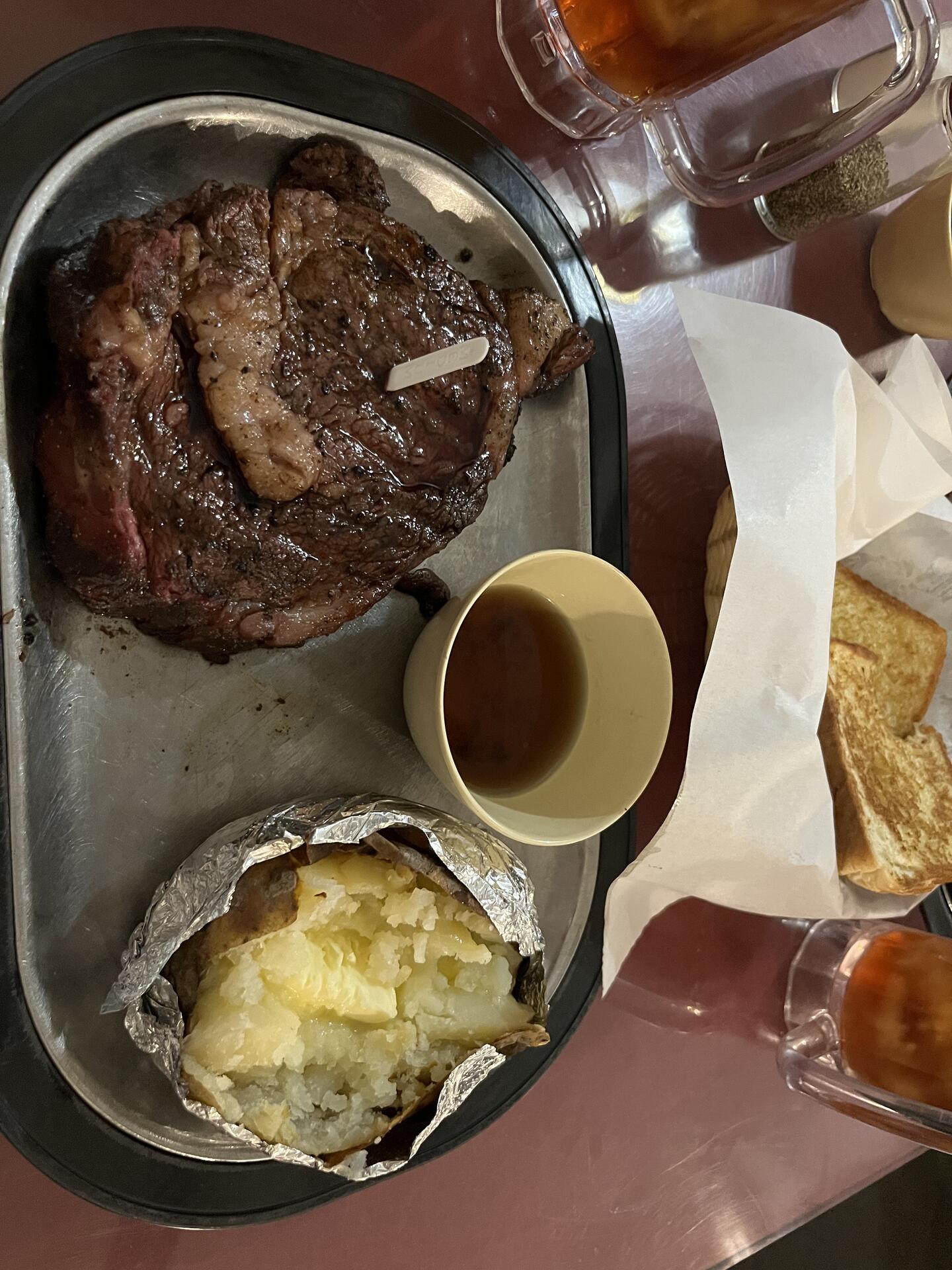
Family owned restaurant in the boonies did not disappoint! Who needs a bread basket? I much prefer the rib basket! 😋 the prime rib was delectable! nostr:npub1sd3wwlvl6f58yzs4ss90x07e4dwd7yl6h3n0pygpz9vqjcxd99aq90vwne and I are stuffed.
#foodstr #datenight #ribs #primerib 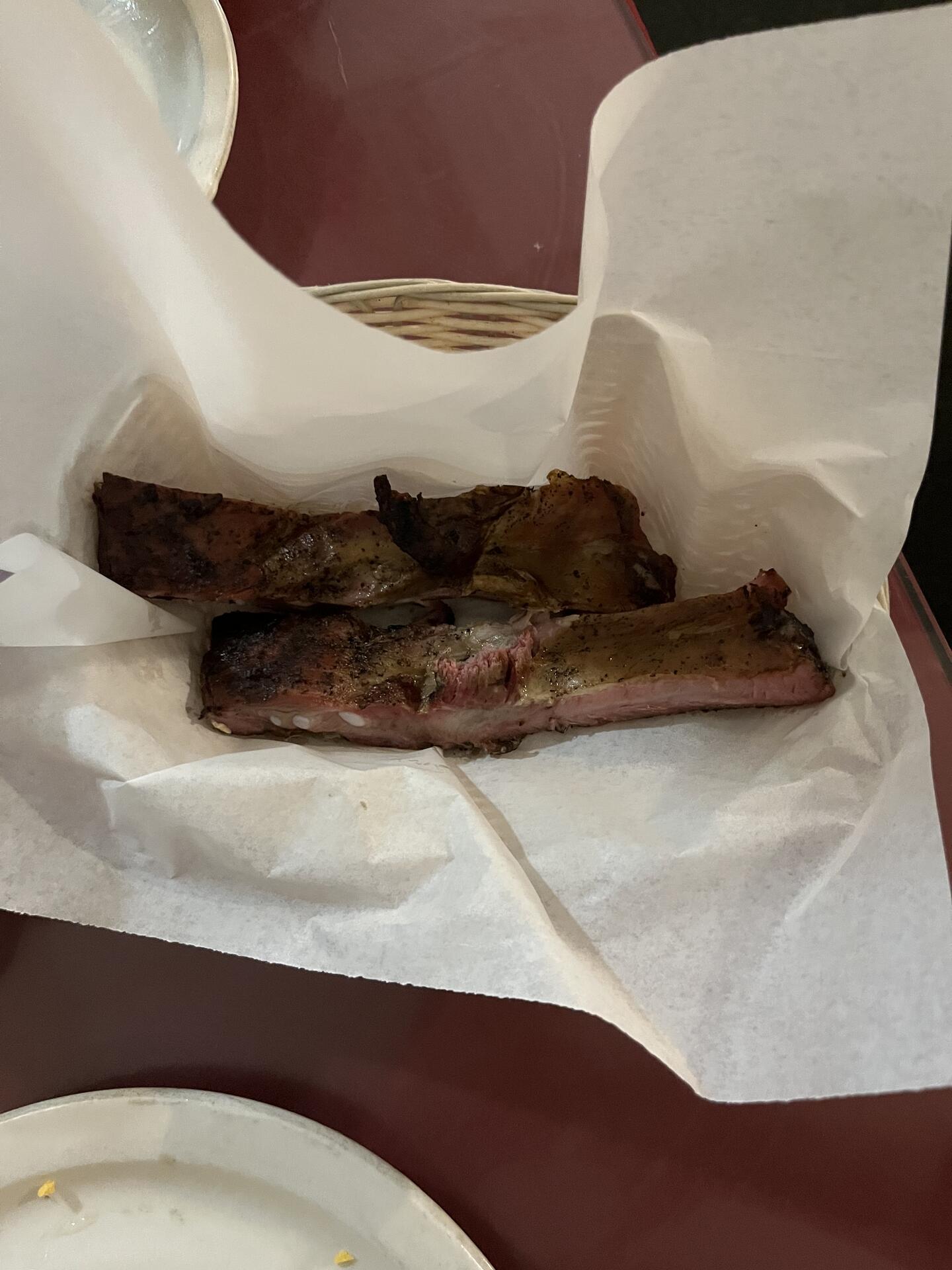
#nowyouknow #history
The US standard railroad gauge (distance between the rails) is 4 feet, 8.5 inches. That's an exceedingly odd number. Why was that gauge used? Well, because that's the way they built them in England, and English engineers designed the first US railroads. Why did the English build them like that? Because the first rail lines were built by the same people who built the wagon tramways, and that's the gauge they used. So, why did 'they' use that gauge then? Because the people who built the tramways used the same jigs and tools that they had used for building wagons, which used that same wheel spacing. Why did the wagons have that particular odd wheel spacing? Well, if they tried to use any other spacing, the wagon wheels would break more often on some of the old, long distance roads in England . You see, that's the spacing of the wheel ruts. So who built those old rutted roads? Imperial Rome built the first long distance roads in Europe (including England ) for their legions. Those roads have been used ever since. And what about the ruts in the roads? Roman war chariots formed the initial ruts, which everyone else had to match or run the risk of destroying their wagon wheels. Since the chariots were made for Imperial Rome , they were all alike in the matter of wheel spacing. Therefore the United States standard railroad gauge of 4 feet, 8.5 inches is derived from the original specifications for an Imperial Roman war chariot. Bureaucracies live forever. So the next time you are handed a specification/procedure/process and wonder 'What horse's ass came up with this?', you may be exactly right. Imperial Roman army chariots were made just wide enough to accommodate the rear ends of two war horses. (Two horses' ases.) Now, the twist to the story: When you see a Space Shuttle sitting on its launch pad, there are two big booster rockets attached to the sides of the main fuel tank. These are solid rocket boosters, or SRBs. The SRBs are made by Thiokol at their factory in Utah . The engineers who designed the SRBs would have preferred to make them a bit fatter, but the SRBs had to be shipped by train from the factory to the launch site. The railroad line from the factory happens to run through a tunnel in the mountains, and the SRBs had to fit through that tunnel. The tunnel is slightly wider than the railroad track, and the railroad track, as you now know, is about as wide as two horses' behinds. So, a major Space Shuttle design feature, of what is arguably the world's most advanced transportation system, was determined over two thousand years ago by the width of a horse's ass. And you thought being a horse's ass wasn't important? Ancient horse's asses control almost everything. 😁😁
#nowyouknow #history
The US standard railroad gauge (distance between the rails) is 4 feet, 8.5 inches. That's an exceedingly odd number. Why was that gauge used? Well, because that's the way they built them in England, and English engineers designed the first US railroads. Why did the English build them like that? Because the first rail lines were built by the same people who built the wagon tramways, and that's the gauge they used. So, why did 'they' use that gauge then? Because the people who built the tramways used the same jigs and tools that they had used for building wagons, which used that same wheel spacing. Why did the wagons have that particular odd wheel spacing? Well, if they tried to use any other spacing, the wagon wheels would break more often on some of the old, long distance roads in England . You see, that's the spacing of the wheel ruts. So who built those old rutted roads? Imperial Rome built the first long distance roads in Europe (including England ) for their legions. Those roads have been used ever since. And what about the ruts in the roads? Roman war chariots formed the initial ruts, which everyone else had to match or run the risk of destroying their wagon wheels. Since the chariots were made for Imperial Rome , they were all alike in the matter of wheel spacing. Therefore the United States standard railroad gauge of 4 feet, 8.5 inches is derived from the original specifications for an Imperial Roman war chariot. Bureaucracies live forever. So the next time you are handed a specification/procedure/process and wonder 'What horse's ass came up with this?', you may be exactly right. Imperial Roman army chariots were made just wide enough to accommodate the rear ends of two war horses. (Two horses' ases.) Now, the twist to the story: When you see a Space Shuttle sitting on its launch pad, there are two big booster rockets attached to the sides of the main fuel tank. These are solid rocket boosters, or SRBs. The SRBs are made by Thiokol at their factory in Utah . The engineers who designed the SRBs would have preferred to make them a bit fatter, but the SRBs had to be shipped by train from the factory to the launch site. The railroad line from the factory happens to run through a tunnel in the mountains, and the SRBs had to fit through that tunnel. The tunnel is slightly wider than the railroad track, and the railroad track, as you now know, is about as wide as two horses' behinds. So, a major Space Shuttle design feature, of what is arguably the world's most advanced transportation system, was determined over two thousand years ago by the width of a horse's ass. And you thought being a horse's ass wasn't important? Ancient horse's asses control almost everything. 😁😁
GM and PV #nostriches. It’s Friday, last day of the fiat job (until Monday) and hubby and I have a date night planned. Going to a small locally owned steak and rib restaurant an hour away. 

GM! I’ve recommended your podcast to some newbies. I’m ready for season 3😊
#grownostr #plebchain 
GM #nostr. I’m waiting at the foot doctors office and hoping for good news. I hate wearing a boot. Going to ask about alternatives, PT, acupuncture, something. Wish me luck.

Lol 
#truth 

I didn’t check for 2 days and Bamb!