
🌊 SURF 'N TURF 🏝️
-THE ISLAND LIFE-

This is my copy of the original book of 'V for Vendetta' that I picked up in Thailand many years ago after watching the movie for the first time. Back in the day it was released on DVD and I still have a copy of that too.

The artwork is great, and of course the story is very prescient. I can highly recommend both the book and the film if you have not already checked them out.

As a kid growing up in Britain the 5th of November was my favourite celebration.

Have a good 'Bonfire Night'
First published in 1982, the graphic novel V for Vendetta depicts a near-future version of a dystopian Britain in the 1990s, following a nuclear war that decimated much of Europe and the world.

The racist, homophobic, neo-fascist Norsefire party has restored postwar order, but at a serious human toll: at gruesome Resettlement Camps, the party imprisoned, tortured, and killed all citizens it deems to be undesirable, including gay people, immigrants, racial minorities, socialists, dissidents, Jewish people, and other non-Christians.
The authoritarian Norsefire government, led by Leader Adam Susan, allows its surviving citizens very few freedoms, and they also suffer from food shortages and environmental-induced illnesses.

Surveillance cameras record people’s every move and word, any form of dissent is quickly suppressed, and state-produced propaganda, broadcast through The Voice of Fate program fills citizens’ minds with a steady stream of lies and disinformation.

V for Vendetta is a 2005 dystopian political action film directed by James McTeigue (in his feature directorial debut) from a screenplay by the Wachowskis.[a] It is based on the 1988–89 DC Vertigo Comics limited series of the same title by Alan Moore, David Lloyd, and Tony Weare. The film, set in a future where a fascist totalitarian regime has subjugated the UK, centres on V (portrayed by Hugo Weaving), an anarchist and masked freedom fighter who attempts to ignite a revolution through elaborate terrorist acts, and on Evey Hammond (portrayed by Natalie Portman), a young woman caught up in V's mission. Stephen Rea portrays a detective leading a desperate quest to stop V.
Credits goes to the respective
Author ✍️/ Photographer📸
🐇 🕳️
#Bitcoin #Satoshis #Freedom #Apocalypse #Music #Movies #Philosophy #Literature
#Grownostr #Stoicism #Nature
APOCALYPSE ANONYMOUS by
ATOSHI ANARKOMOTO

The book must be better than the movie. 👍 The movie produced by the Obamas was all predictive programming.
🌊 SURF 'N TURF 🏝️
-THE ISLAND LIFE-

The Yellow Brick Road in The Wizard of Oz serves as a rich and multi-layered symbol that invites a range of interpretations, often spiritual, psychological, and even socio-political. Its symbology is profound and can be seen from several angles, each offering a unique perspective on what this iconic path represents within the narrative and beyond.
1. The Spiritual Path and Journey to Enlightenment
At its most symbolic level, the Yellow Brick Road represents a journey toward self-discovery and enlightenment. Dorothy’s path, lined with brilliant yellow bricks, can be seen as a “golden path” of spiritual awakening. Gold, in various esoteric traditions, symbolizes purity, wisdom, and the alchemical transformation of base metals (representing the baser self) into gold (the enlightened self). Dorothy’s journey reflects the challenges and insights one gains on the road to self-realization.
Each companion she meets symbolizes aspects of self—mind (Scarecrow), heart (Tin Man), and courage (Cowardly Lion)—that she must integrate to truly understand her own power and potential. By the time Dorothy reaches the Wizard, she realizes that the qualities she sought were within her all along, echoing the Hermetic principle of "As above, so below; as within, so without." The journey on the Yellow Brick Road thus becomes a metaphor for the inner journey to reclaim these intrinsic qualities.
2. The Material World and Its Illusions
Some interpretations see the Yellow Brick Road as a representation of material wealth and the illusions that come with it. Just as gold can dazzle, the road lures Dorothy and her companions toward the Emerald City, a place of illusion where they believe they will find ultimate answers. However, upon arriving, they discover that the Wizard, who they thought would solve their problems, is himself a powerless man hiding behind a curtain.
This revelation aligns with a Hermetic view that the material world can mislead those who seek external answers to internal questions. The journey to the Emerald City represents society's tendency to seek power, success, and solutions outside oneself. The illusion of the Wizard, like the illusions often found in the material world, shows the hollowness of external validation when true power lies within.
3. The Hero’s Journey and Psychological Development
In psychological terms, the Yellow Brick Road symbolizes the stages of the Hero's Journey, a concept developed by mythologist Joseph Campbell. Dorothy, like many heroes, begins her journey reluctantly, thrust into an unfamiliar world. The Yellow Brick Road is her path through trials and tribulations that ultimately lead to personal growth and transformation. Along this road, Dorothy faces internal and external challenges that test her resilience, compassion, and ingenuity.
The road can also represent the unfolding of the psyche, as Dorothy encounters figures that represent different facets of the self. Her experiences on the road are like a gradual unveiling of the subconscious, leading her to a more integrated understanding of who she is. By the end of her journey, Dorothy has a clearer sense of herself and is empowered to find her way "home," representing an integration of self.
4. Socio-Political Allegory
Interpreted from a socio-political perspective, some scholars argue that The Wizard of Oz offers an allegory for the political and economic issues of the late 19th century, particularly relating to the Populist movement and the Gold Standard debate. In this reading, the Yellow Brick Road represents the Gold Standard, a path that leads to an uncertain and ultimately unsatisfying destination—the "Emerald" (or "greenback") City, symbolic of currency and wealth.
According to this interpretation, Dorothy’s journey along the road reflects the common person's struggle to navigate an economic system controlled by unseen powers (the Wizard). The yellow bricks could represent the lure of wealth and the difficulties that ordinary people face when they place their faith in institutions and leaders who promise prosperity but often fail to deliver meaningful change.
5. The Path of Self-Reliance and Inner Wisdom
Another level of symbolism relates to the idea of self-reliance and the discovery of inner wisdom. While Dorothy is encouraged to follow the Yellow Brick Road to find her answers, her journey teaches her that reliance on external paths and authorities may not yield true understanding or empowerment. This can be seen as an embodiment of the Hermetic principle of self-sufficiency: that wisdom and truth are found within, not by following others.
As she progresses, Dorothy’s encounters with false promises and empty authority figures encourage her to look inward. By the end of the story, she realizes that she has the power to return home on her own terms. Her realization exemplifies the Hermetic belief that knowledge of self is the key to freedom, and that external paths (such as the Yellow Brick Road) are ultimately just tools for awakening one’s innate potential.
6. Alchemy and the Quest for Transformation
Alchemically, the Yellow Brick Road can be seen as a symbol of the journey from a base state to a more refined one. Alchemy is not just the transformation of lead into gold, but a metaphor for the transformation of the soul. Dorothy’s journey, accompanied by friends who represent aspects of the self needing transformation, is an alchemical journey toward wholeness. The yellow bricks, like alchemical gold, guide her through the stages of self-purification and enlightenment.
The Wicked Witch of the West, who tries to stop Dorothy, represents the shadow self or the dark forces that oppose spiritual growth and transformation. By overcoming these obstacles, Dorothy purifies her spirit and reaches a state of wholeness, symbolized by her realization that "there’s no place like home." This phrase, on a deeper level, can be seen as the return to the self—home as the ultimate, indivisible unity within.
In The Wizard of Oz, the Yellow Brick Road serves as a potent metaphor for a journey that is both outer and inner. Whether seen as a path toward enlightenment, a psychological journey of self-discovery, or a cautionary tale about material illusions, it leads Dorothy and her companions toward a confrontation with themselves. The road ultimately teaches them that the power they sought was never outside of them; it was within them all along, a profound message on the importance of inner strength, wisdom, and self-reliance.
Credits goes to the respective
Author ✍️/ Photographer📸
🐇 🕳️
#Bitcoin #Satoshis #Freedom #Apocalypse #Music #Movies #Philosophy #Literature
#Grownostr #Stoicism #Nature
APOCALYPSE ANONYMOUS by
ATOSHI ANARKOMOTO
I appreciate your messages David, have a good day.

Very nice addition. Perfect. Very discreet.
🌊 SURF 'N TURF 🏝️
-THE ISLAND LIFE-

On April 19, 2016, scientists confirmed that Freddie Mercury had one of the most extraordinary voices ever.
A team of researchers from Austria, the Czech Republic and Sweden dedicated their research to the voice of Freddie Mercury.
Dr. Christian Herbst of the University of Vienna, in his article published in the journal Logopedics Phoniatrics Vocology, wrote:
"The emergence of subharmonics helps create the impression of a vocal system pushed to its limits, used with extreme mastery. These characteristics, combined with a fast and irregular vibrato, may have contributed to creating Freddie Mercury's eccentric and theatrical character ."
Scientists discovered that Freddie Mercury's vocal cords moved at a faster speed than others. His vibrato, typically oscillating between 5.4 and 6.9 Hz, reached 7.04 Hz, a frequency so high that it vibrated the throat in a way that not even Pavarotti was able to replicate.
Freddie demonstrated a mastery of subharmonics, a singing style only manageable by Tuvan singers, and did so with disarming ease.
The conclusion was unequivocal: Freddie Mercury possessed a unique voice in the Rock 'n' Roll panorama, making him one of the most singular artists ever. (A truth we already knew)
Unrivalled, unmatched, extraordinary - A Legend!
Credits goes to the respective
Author ✍️/ Photographer📸
🐇 🕳️
#Bitcoin #Satoshis #Freedom #Apocalypse #Music #Movies #Philosophy #Literature
#Grownostr #Stoicism #Nature
APOCALYPSE ANONYMOUS by
ATOSHI ANARKOMOTO
🌊 SURF 'N TURF 🏝️
-THE ISLAND LIFE-

Borobudur Temple' (9th Century CE), the largest Buddhist Temple in the world; situated at Magelang regency, in Central Java, Indonesia.
Temple is a Mahayana buddhist site, has 504 Buddha statues. It was built by famous Sailendra Dynasty (750-850 CE).
Credits goes to the respective
Author ✍️/ Photographer📸
🐇 🕳️
#Bitcoin #Satoshis #Freedom #Apocalypse #Music #Movies #Philosophy #Literature
#Grownostr #Stoicism #Nature
APOCALYPSE ANONYMOUS by
ATOSHI ANARKOMOTO

 Come try and take my squirrel fkrs.
That sounds very plausible.
'From the 7th to the 3rd century BC, the Scythian people of the Pontic Steppes produced and adopted a wide arrangement of clothing. The clothing of the Scythians was formulated in response to the nomadic, highly mobile lifestyle of the early Scythian era and the sedentary lifestyle of later Scythian kingdoms. Much of what is known about Scythian attire comes from the remains of clothing found in Scythian burial sites.'
🌊 SURF 'N TURF 🏝️
-THE ISLAND LIFE-

Underworld is a 1997 novel by American writer Don DeLillo.
The novel is centered on the efforts of Nick Shay, a waste management executive who grew up in the Bronx, to trace the history of the baseball that won the New York Giants the pennant in 1951, and encompasses numerous subplots drawn from American history in the second half of the twentieth century.
Described as both postmodernist and a reaction to postmodernism, it examines themes of nuclear proliferation, waste, and the contribution of individual lives to the course of history.

A best-seller that was nominated for the National Book Award and shortlisted for the Pulitzer Prize, Underworld is often regarded as DeLillo's supreme achievement. In 2006, a survey of eminent authors and critics conducted by The New York Times named Underworld as the runner-up for the best work of American fiction of the past 25 years, behind only Toni Morrison's Beloved.
Credits goes to the respective
Author ✍️/ Photographer📸
🐇 🕳️
#Bitcoin #Satoshis #Freedom #Apocalypse #Music #Movies #Philosophy #Literature
#Grownostr #Stoicism #Nature
APOCALYPSE ANONYMOUS by
ATOSHI ANARKOMOTO
🌊 SURF 'N TURF 🏝️
-THE ISLAND LIFE-

In The Wizard of Oz, Dorothy’s ruby slippers (or silver shoes in L. Frank Baum’s original novel) carry a profound symbolism, tied both to her personal journey and to the broader themes of the story. These shoes are far more than a magical object—they represent inner power, protection, and the journey home to self-discovery.

Inner Power and Potential: The slippers symbolize the power that Dorothy unknowingly possesses within herself.
Throughout her journey, she seeks guidance and protection from others—the Scarecrow, Tin Man, Lion, and even the Wizard—when, in reality, the key to returning home lies within her all along. Glinda the Good Witch eventually reveals that the ruby slippers have had the power to send Dorothy back to Kansas from the very beginning, underscoring that our greatest strengths often lie within us, waiting to be realized.
Protection and Guidance: The slippers act as a protective talisman.
When Dorothy wears them, the Wicked Witch of the West cannot harm her directly, as the shoes shield her from the Witch’s power.
This protection symbolizes how inner strength and self-belief serve as shields against negative forces in life. Dorothy’s innocence, goodness, and inherent strength prevent the Witch from seizing the slippers, highlighting the idea that virtue protects and guides us on life’s path.

The Journey Home and Self-Realization: On a metaphorical level, Dorothy’s journey through Oz is a quest for self-knowledge. The slippers represent the "home" she’s trying to find, not just in Kansas, but within herself.
When Glinda tells Dorothy that she always had the power to return home, it emphasizes that self-discovery and personal strength allow us to navigate life’s trials. The ruby slippers symbolize the journey of returning to one’s authentic self and finding peace within.
Breaking from Illusions: The Wizard of Oz as a whole presents many illusions—from the Wizard’s deceptive power to the identity of the Wicked Witch. Dorothy’s slippers, by contrast, represent an undeniable truth. While others try to manipulate or control, the slippers remain a steadfast symbol of pure, untapped potential.
They remind Dorothy, and us, that truth and power often reside beneath illusions, waiting to be recognized.
Color Symbolism: In the film, the slippers are famously red (ruby), which is a powerful color associated with life, vitality, and courage. This red hue contrasts with the dreary sepia tones of Kansas, suggesting the vibrancy of self-discovery and the courage required to embark on the journey.
The bold color makes Dorothy stand out, symbolizing that embracing one’s inner strength often requires standing apart and venturing beyond the familiar.
Freedom from External Validation: Finally, the slippers reveal the limitations of relying on external authority. Dorothy initially believes she needs the Wizard’s help to get home, placing her hopes in him as a figure of power and authority. However, the slippers teach her that true power doesn’t reside in external figures or symbols but is internal—a message about sovereignty, self-belief, and the realization that external forces are not the ultimate source of empowerment.
In short, Dorothy’s red shoes are more than just magical footwear—they symbolize a profound journey of self-empowerment, the importance of inner strength, and the realization that we often have within us the answers we seek. Just as Dorothy needed to trust in herself to find her way back, the slippers encourage all of us to look within for guidance and strength on our paths.

Credits goes to the respective
Author ✍️/ Photographer📸
🐇 🕳️
#Bitcoin #Satoshis #Freedom #Apocalypse #Music #Movies #Philosophy #Literature
#Grownostr #Stoicism #Nature
APOCALYPSE ANONYMOUS by
ATOSHI ANARKOMOTO
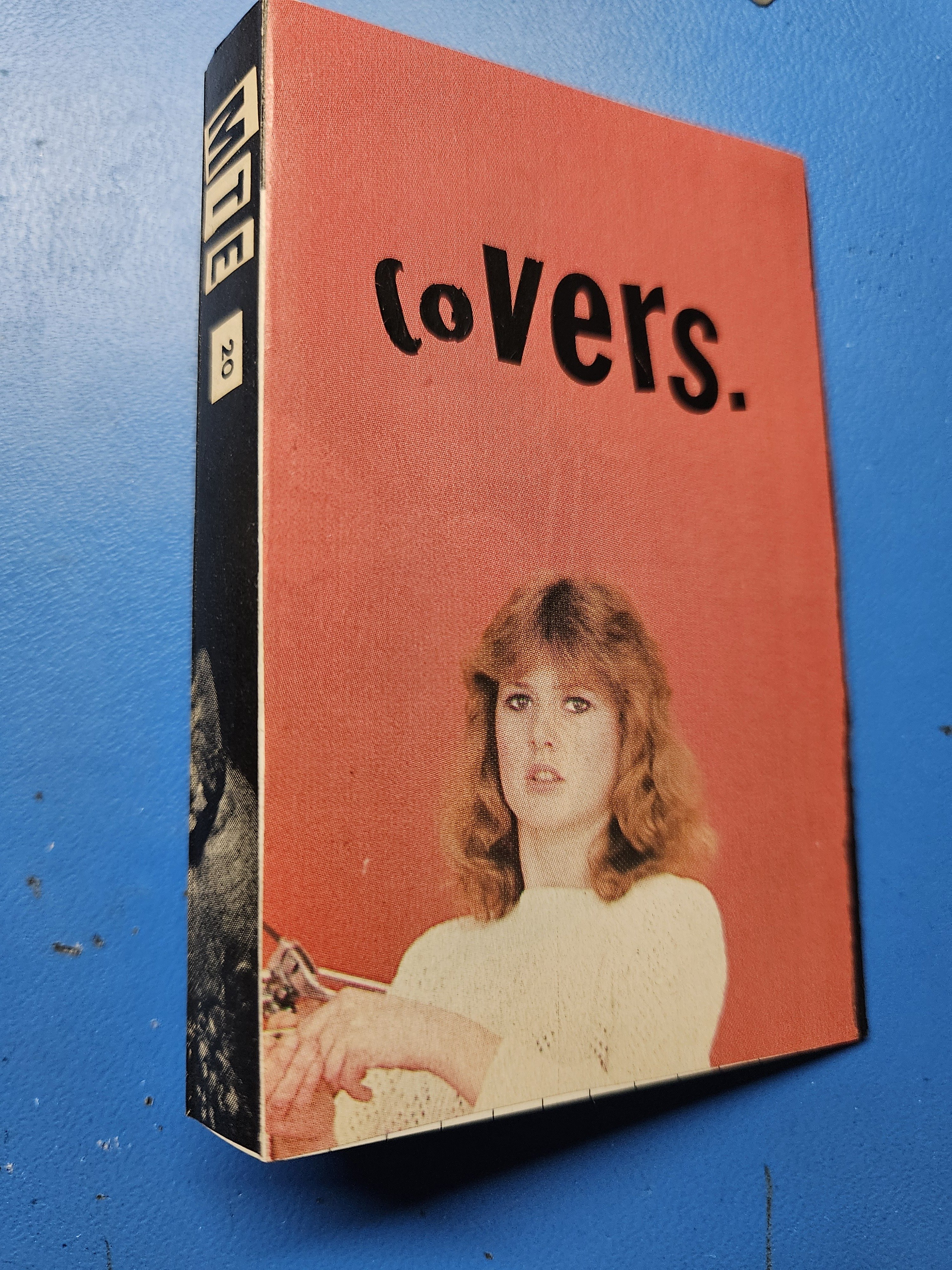
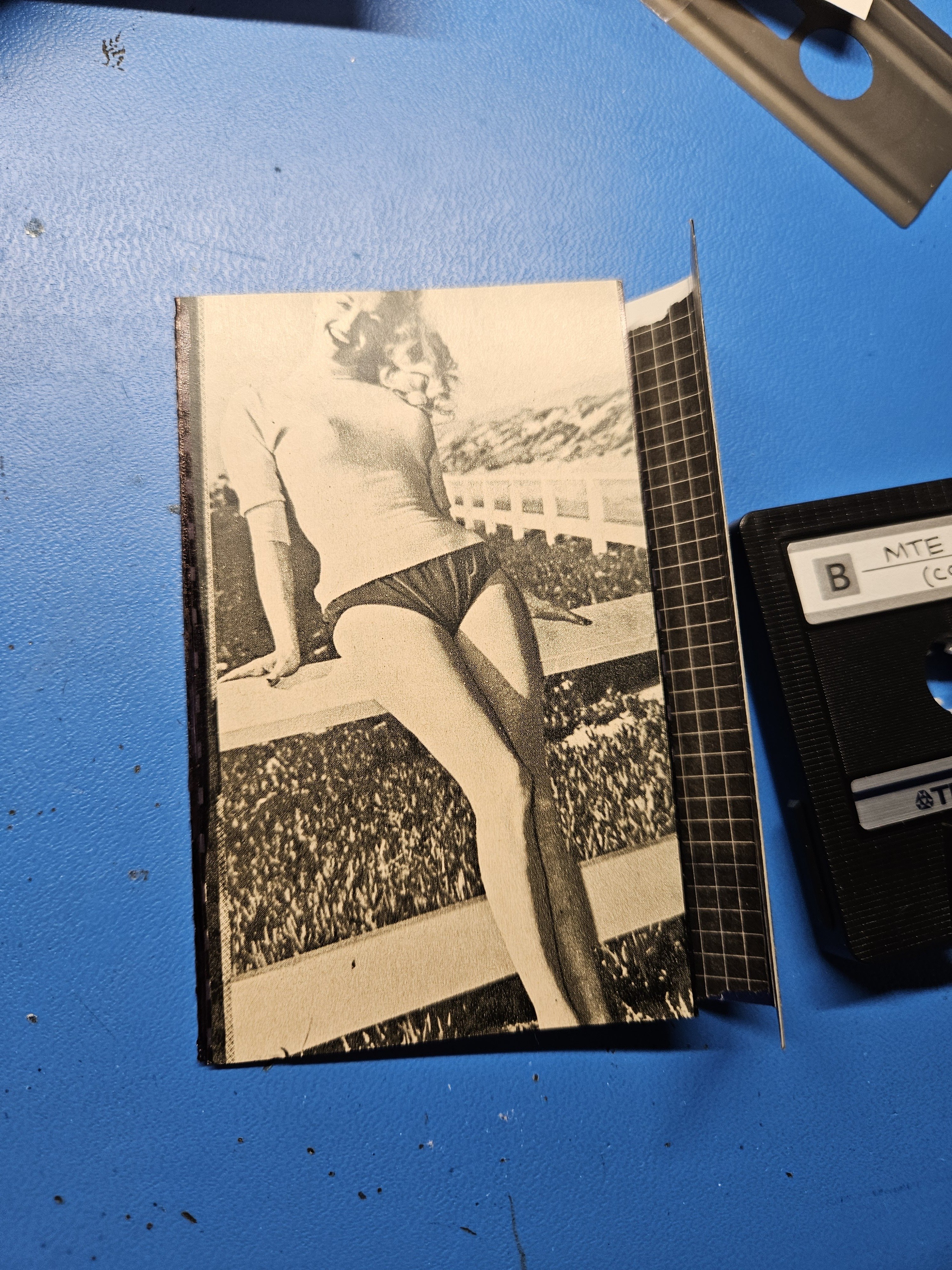

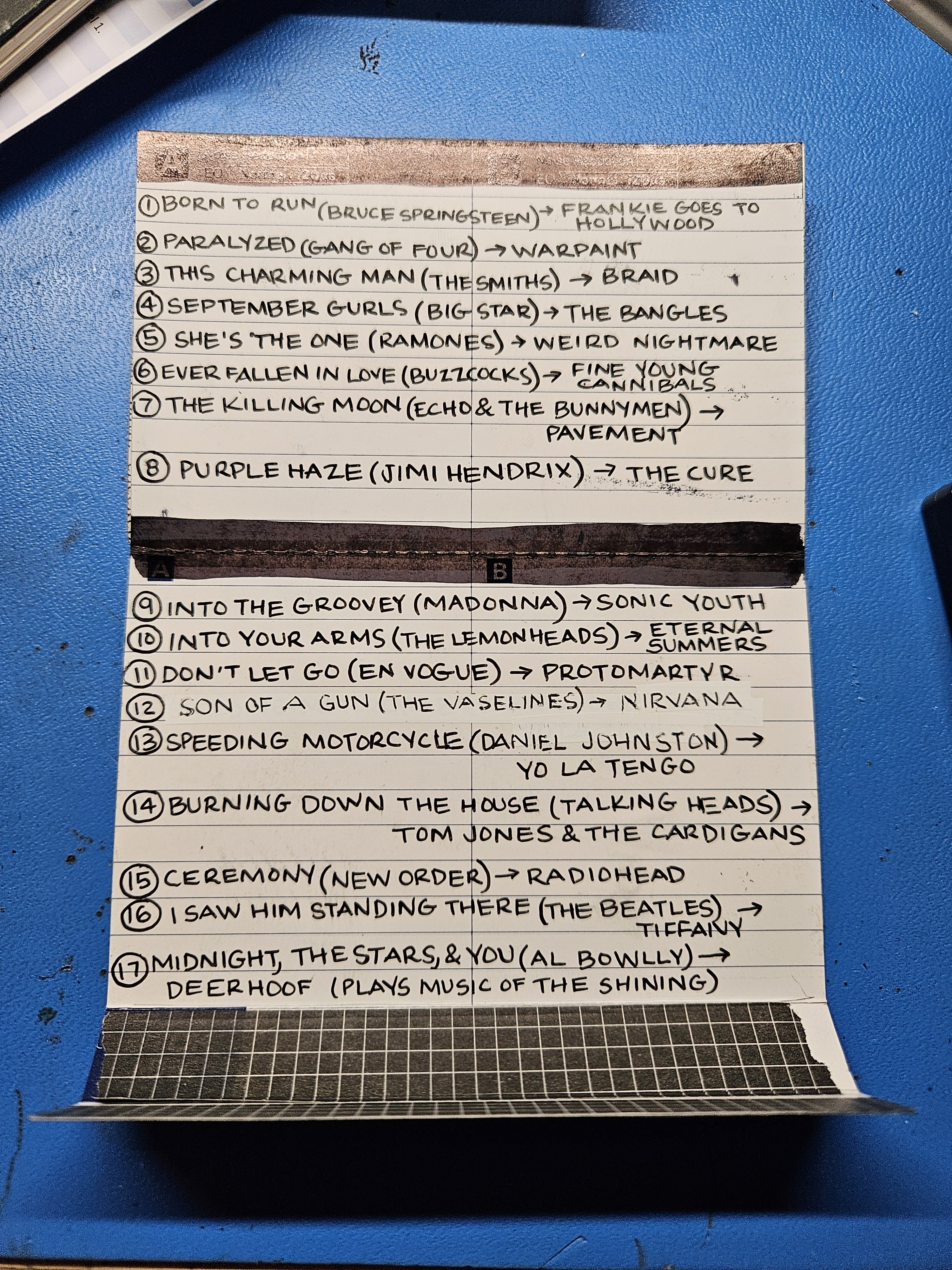
This takes me back in time. Yes, I have been alive that long.....
🌊 SURF 'N TURF 🏝️
-THE ISLAND LIFE-

Queen's final concert with all four original members—Freddie Mercury, Brian May, John Deacon, and Roger Taylor—occurred on August 9, 1986, at Knebworth House during the Magic Tour, which supported their album A Kind of Magic.
This concert, titled A Night of Summer Magic, marked a significant moment in rock history as it was the last time Mercury performed live with the band.
With 120,000 fans in attendance, the energy was electric, surpassing even their previous sold-out shows at Wembley Stadium and Manchester's Maine Road.
The concert featured a day of music, culminating in Queen's performance alongside acts like Big Country and Status Quo.
Mercury captivated the audience with iconic songs such as "Bohemian Rhapsody," "Radio Ga Ga," and "We Will Rock You."
As the night ended, chants for an encore echoed, but the concert symbolized a poignant farewell, foreshadowing the band's future without Mercury, who continued to record until his death in 1991.

A Night of Summer Magic is celebrated as a historic event that showcases Queen's remarkable artistry and lasting influence on music and their fans, solidifying their legacy in rock history.
Note: Just on a personal note here. This was my very first concert that I ever attended when I was just 15 years old. It is something that I will never forget and feel very privileged to have attended. Freddy was an amazing performer and he left this world way to early.
Gone,but never forgetten.
Rock on!

Credits goes to the respective
Author ✍️/ Photographer📸
🐇 🕳️
#Bitcoin #Satoshis #Freedom #Apocalypse #Music #Movies #Philosophy #Literature
#Grownostr #Stoicism #Nature
APOCALYPSE ANONYMOUS by
ATOSHI ANARKOMOTO
🌊 SURF 'N TURF 🏝️
-THE ISLAND LIFE-
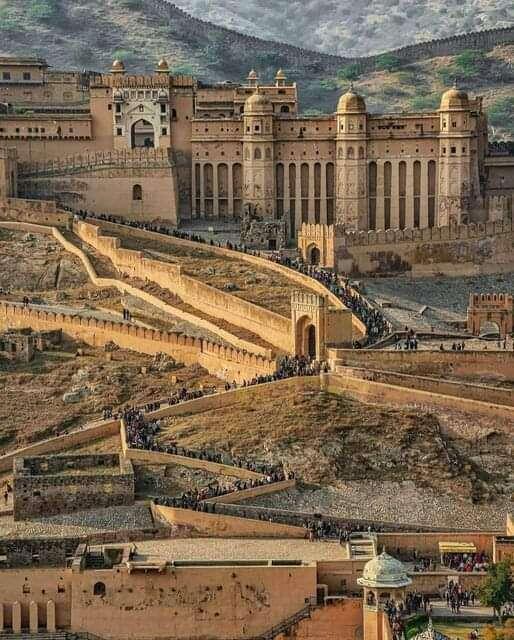
Amer Fort, one of the most magnificent palaces in India.
Also commonly known as the Amber Fort, this majestic building with its maze-like passages and serpentine staircases is an architectural masterpiece and with significant importance in Indian history.
Only 11 kilometres away from Jaipur, Amer Fort is clad in pink and yellow sandstone and is a part of an extensive complex.
Built by one of the most trusted generals of Akbar, Maharaja Man Singh I in the year 1592, Amer Fort served as the main residence of the Rajput Rulers.
Credits goes to the respective
Author ✍️/ Photographer📸
🐇 🕳️
#Bitcoin #Satoshis #Freedom #Apocalypse #Music #Movies #Philosophy #Literature
#Grownostr #Stoicism #Nature
APOCALYPSE ANONYMOUS by
ATOSHI ANARKOMOTO

GM. Have a good one. 🧡
🌊 SURF 'N TURF 🏝️
-THE ISLAND LIFE-
The Angkor Thom Gate in Cambodia

Angkor Thom (Khmer: អង្គរធំ [ʔɑŋkɔː tʰom]; meaning "Great City"), alternatively Nokor Thom (Khmer: នគរធំ [nɔkɔː tʰom]), located in present-day Cambodia, was the last and most enduring capital city of the Khmer Empire.
It was established in the late twelfth century by King Jayavarman VII.: 378–382 : 170.
It covers an area of 9 km², within which are located several monuments from earlier eras as well as those established by Jayavarman and his successors.
At the centre of the city is Jayavarman's state temple, the Bayon, with the other major sites clustered around the Victory Square immediately to the north.
The site is one of the major tourist attractions of Southeast Asia.

Credits goes to the respective
Author ✍️/ Photographer📸
🐇 🕳️
#Bitcoin #Satoshis #Freedom #Apocalypse #Music #Movies #Philosophy #Literature
#Grownostr #Stoicism #Nature
APOCALYPSE ANONYMOUS by
ATOSHI ANARKOMOTO
🌊 SURF 'N TURF 🏝️
-THE ISLAND LIFE-

"White Noise" is the eighth novel by Don DeLillo, published in 1985. It is widely regarded as a cornerstone of postmodern literature and won the U.S. National Book Award for Fiction. The novel follows the life of Jack Gladney, a professor at a small Midwestern college, and his family as they navigate the complexities of modern life, including consumerism, media saturation, and existential dread.
The narrative is set against the backdrop of a contemporary American society filled with "white noise," which symbolizes the constant barrage of information and distractions that characterize modern existence. Jack's life is disrupted when an industrial accident releases a toxic cloud, leading to an evacuation of his town. This event serves as a catalyst for exploring themes of death, fear, and the human condition.
DeLillo's writing is marked by its sharp observations and dark humor, effectively capturing the absurdities of contemporary life. The novel delves into the impact of technology and media on human relationships and individual identity, making it a profound commentary on the nature of existence in a rapidly changing world.
"White Noise" has been influential in both literature and popular culture, resonating with readers for its exploration of the anxieties of modern life. Its themes remain relevant today, reflecting ongoing concerns about the effects of technology and consumer culture on society.
Credits goes to the respective
Author ✍️/ Photographer📸
🐇 🕳️
#Bitcoin #Satoshis #Freedom #Apocalypse #Music #Movies #Philosophy #Literature
#Grownostr #Stoicism #Nature
APOCALYPSE ANONYMOUS by
ATOSHI ANARKOMOTO