
New iPhone 16 Pro 2TB Storage Option: All the Rumors In Favor
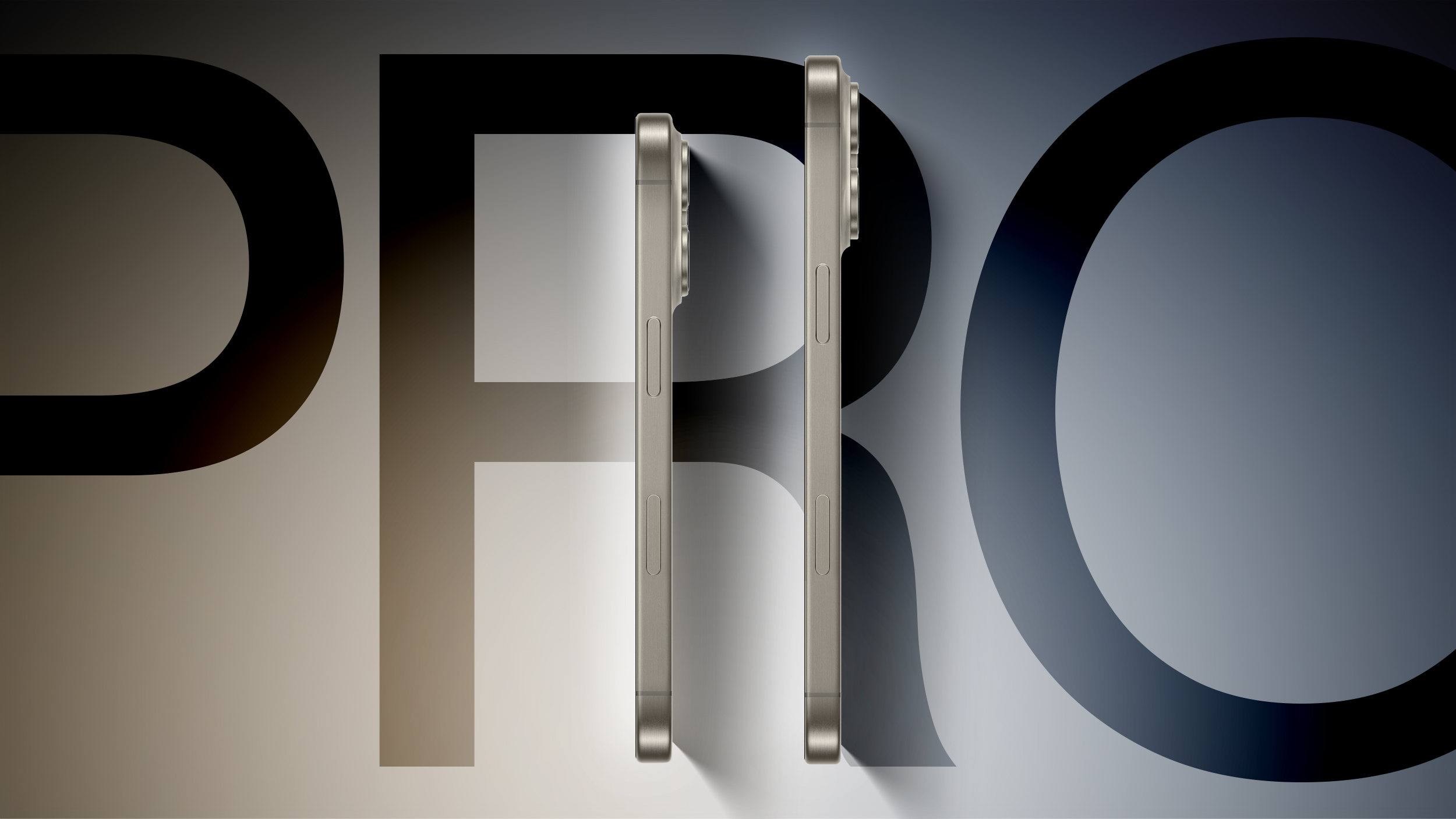
As Apple's iPhone 16 launch approaches, questions are swirling about a potential leap in storage capacity for the iPhone 16 Pro models. According to a January report, the iPhone 16 Pro and Pro Max will double their maximum storage to 2TB.
This speculation stems from Apple's rumored adoption of Quad-Level Cell (QLC) NAND flash memory. QLC technology could allow Apple to pack more storage into a smaller space while potentially reducing costs compared to the current Triple-Level Cell (TLC) NAND.
iPhone 14 Pro and iPhone 15 Pro, which ultimately proved false. Yet despite this history, there are new factors that lend credibility to the latest 2TB rumors.
improved ultra-wide camera with a 48-megapixel sensor, featuring the same pixel-binning technology as the main camera. This upgrade, combined with a wider f/2.2 aperture, promises substantially better low-light performance and support for 48-megapixel ProRaw photography.
new image format called "JPEG-XL." This addition to the existing lineup of HEIF, JPEG, HEIF Max, ProRaw, and ProRAW Max formats could potentially result in larger file sizes, making increased storage more necessary. The rumored capability to shoot 3K video at 120 frames per second with Dolby Vision on the Pro models would also generate significantly larger files.
Capture Button" for the iPhone 16 Pro models, emphasizing the device's role as a serious photography and video capture device. Taken together, this collective push towards professional-grade image and video capabilities could justify the need for increased storage options.
While the prospect of a 2TB iPhone is exciting, especially for content creators and power users, it's important to bear in mind that QLC NAND does have drawbacks. Most notably, it typically offers slower read and write speeds compared to TLC NAND.
iPhone 16 Launch Month Is Here: Everything We Know
"It's Glowtime" event on September 9, the possibility of a 2TB iPhone 16 Pro Max remains an intriguing, if uncertain, prospect. Whether this will be the year Apple finally breaks the storage barrier remains to be seen, but the combination of new hardware features and evolving storage technology certainly makes it a possibility. And if it doesn't happen, there's always hope for next year.
Related Roundup: iPhone 16 Pro
This article, "New iPhone 16 Pro 2TB Storage Option: All the Rumors In Favor" first appeared on MacRumors.com
Discuss this article in our forums
https://www.macrumors.com/2024/09/04/will-iphone-16-pro-max-get-a-2tb-storage-option/
This Case Turns Your iPhone Into a Game Boy for Retro Gaming
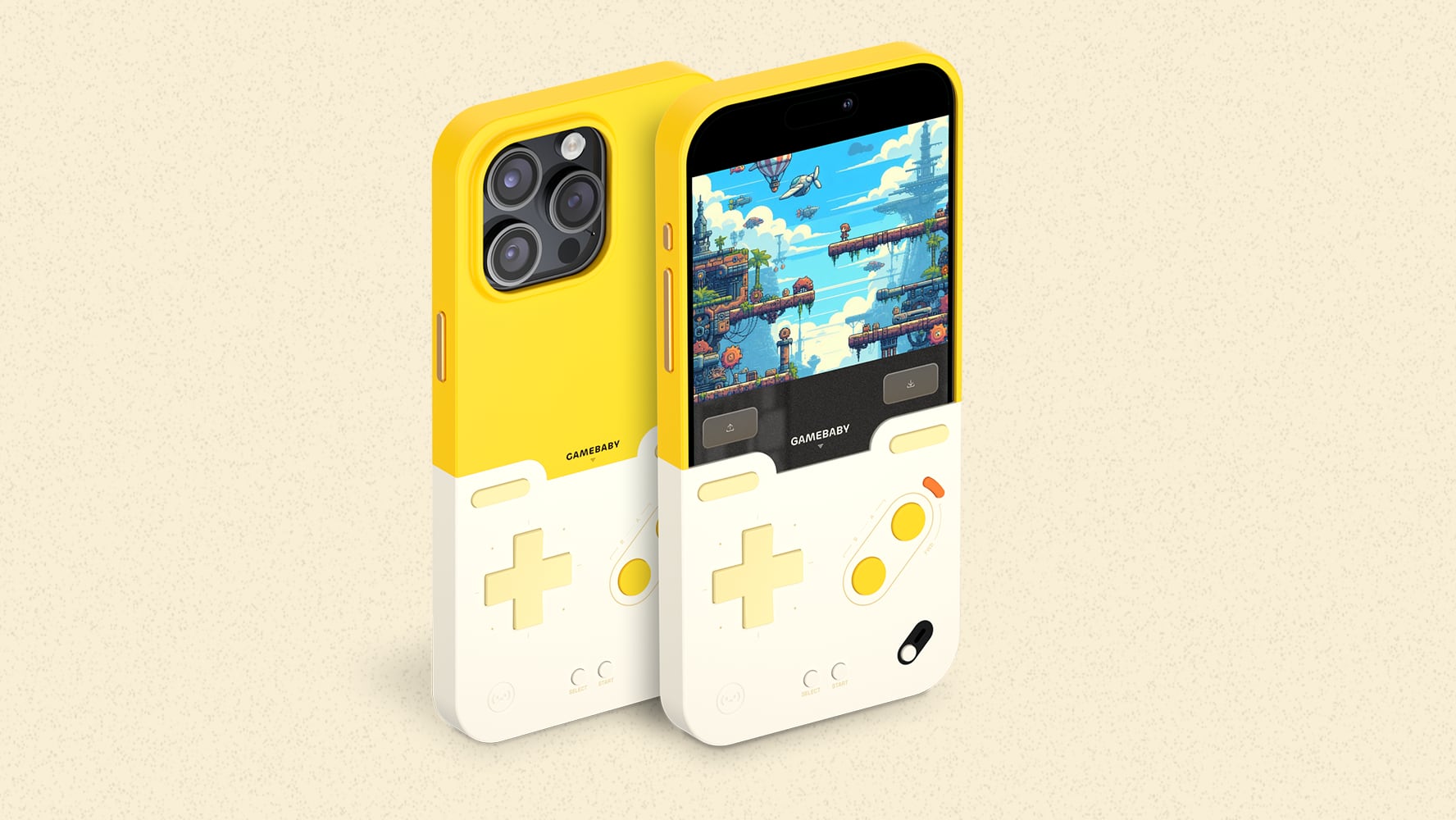
Bitmo Lab today introduced the GameBaby, a case that's perfect for playing retro games on an iPhone. The GameBaby is a clever two-part accessory that adds a d-pad and buttons to the iPhone for gaming, and works as a protective case for day-to-day use.
The lower part of the case can be detached from the upper part and placed on the front of the iPhone, providing a physical interface that's ideal for retro games that have recently been made available on iOS through emulators like Delta. When you're not gaming, it pops off and can be attached to the back of the phone, for protection with added gaming functionality.
The case does not have power and does not connect to the iPhone in any way, which suggests they are capacitive and designed to activate on-screen buttons. According to Bitmo Lab, the case is compatible with Game Boy, Game Boy Color, Game Boy Advanced and NES button layouts, with custom emulator skins that offer "perfect compatibility" across different handheld console layouts.
The GameBaby has specifically been designed to work with the layouts made available through the Delta emulator. It will be available for the iPhone 15 Pro Max and the iPhone 16 Pro Max.
can be pre-ordered for $20 for the first 1,000 units, with the pre-order price going up to $25 after that. It is expected to start shipping in October.
This article, "This Case Turns Your iPhone Into a Game Boy for Retro Gaming" first appeared on MacRumors.com
Discuss this article in our forums
Microsoft's New AI Computers Struggle With Hundreds of Popular PC Games
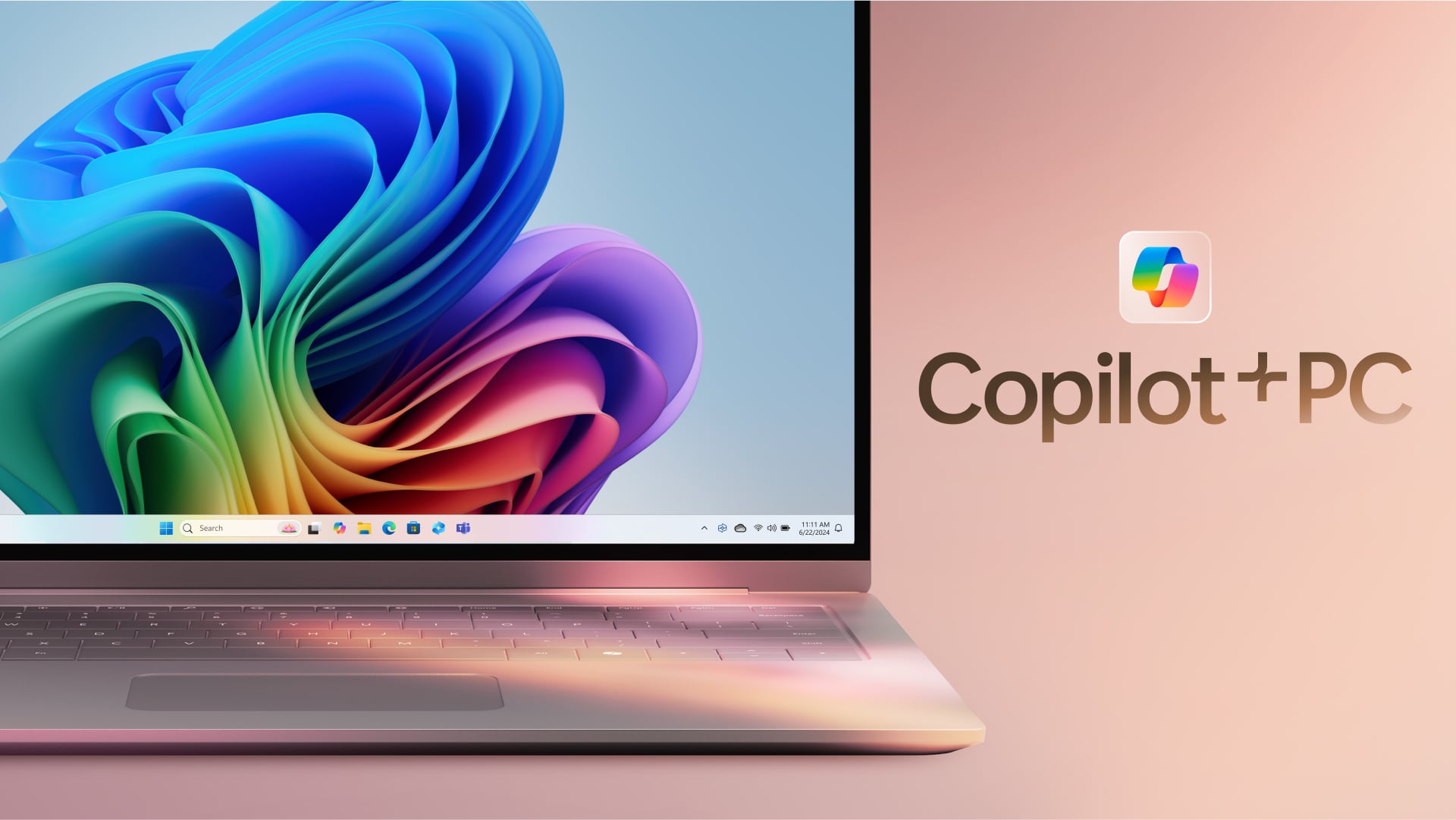
Microsoft's new Copilot+ PCs that offer super fast performance for AI tasks, all-day battery life, and other perks, struggle when it comes to gaming, according to a report from The Wall Street Journal.
The Copilot+ PCs are equipped with Arm-based Qualcomm Snapdragon chips that merge the CPU, GPU, and a Neural Processing Unit. Using an Arm chip means Microsoft's PCs now face the some of the same problems as Apple's Macs, such as an inability to run popular PC games designed for x86 chip architecture. Approximately 15 percent of PC laptop users are gamers, and Microsoft users aren't accustomed to having to deal with incompatibilities.
To get around the Arm issue, Microsoft designed Prism, which is basically the equivalent of Rosetta 2 on Apple Macs. It makes it so x86 apps can run on Arm-based Windows machines, but it turns out it's not working well. In a test of 1,300 PC games, only half of them ran without bugs, glitches, or launch issues.
In some cases, anti-cheating software in games like Fortnite and League of Legends can't be translated to run on Arm, preventing even games without significant graphics requirements from running. There is no quick fix for the problem.
The Verge, for example, said that Premiere Pro was "practically unusable" and that rendering projects in Blender was "terrible." Shadows of the Tomb Raider crashed continually, and other titles like Destiny 2, Starfield, Halo Infinite, and Fall Guys would not launch.
The Wall Street Journal that titles with demanding graphics requirements may not play on Copilot+ PCs, and that while it is aiming to make a "quality gaming experience" on the new devices, players who want a high-performance experience should choose an alternate PC.
Tag: Microsoft
This article, "Microsoft's New AI Computers Struggle With Hundreds of Popular PC Games" first appeared on MacRumors.com
Discuss this article in our forums
https://www.macrumors.com/2024/09/03/microsoft-ai-pcs-game-issues/
Microsoft's New AI Computers Struggle With Hundreds of Popular PC Games
Microsoft's new Copilot+ PCs that offer super fast performance for AI tasks, all-day battery life, and other perks, struggle when it comes to gaming, according to a report from The Wall Street Journal.
The Copilot+ PCs are equipped with Arm-based Qualcomm Snapdragon chips that merge the CPU, GPU, and a Neural Processing Unit. Using an Arm chip means Microsoft's PCs now face the some of the same problems as Apple's Macs, such as an inability to run popular PC games designed for x86 chip architecture. Approximately 15 percent of PC laptop users are gamers, and Microsoft users aren't accustomed to having to deal with incompatibilities.
To get around the Arm issue, Microsoft designed Prism, which is basically the equivalent of Rosetta 2 on Apple Macs. It makes it so x86 apps can run on Arm-based Windows machines, but it turns out it's not working well. In a test of 1,300 PC games, only half of them ran without bugs, glitches, or launch issues.
In some cases, anti-cheating software in games like Fortnite and League of Legends can't be translated to run on Arm, preventing even games without significant graphics requirements from running. There is no quick fix for the problem.
The Verge, for example, said that Premiere Pro was "practically unusable" and that rendering projects in Blender was "terrible." Shadows of the Tomb Raider crashed continually, and other titles like Destiny 2, Starfield, Halo Infinite, and Fall Guys would not launch.
The Wall Street Journal that titles with demanding graphics requirements may not play on Copilot+ PCs, and that while it is aiming to make a "quality gaming experience" on the new devices, players who want a high-performance experience should choose an alternate PC.
Tag: Microsoft
This article, "Microsoft's New AI Computers Struggle With Hundreds of Popular PC Games" first appeared on MacRumors.com
Discuss this article in our forums
https://www.macrumors.com/2024/09/03/microsoft-ai-pcs-game-issues/
Microsoft's New AI Computers Struggle With Hundreds of Popular PC Games
Microsoft's new Copilot+ PCs that offer super fast performance for AI tasks, all-day battery life, and other perks, struggle when it comes to gaming, according to a report from The Wall Street Journal.
The Copilot+ PCs are equipped with Arm-based Qualcomm Snapdragon chips that merge the CPU, GPU, and a Neural Processing Unit. Using an Arm chip means Microsoft's PCs now face the some of the same problems as Apple's Macs, such as an inability to run popular PC games designed for x86 chip architecture. Approximately 15 percent of PC laptop users are gamers.
To get around this, Microsoft designed Prism, which is basically the equivalent of Rosetta 2 on Apple Macs. It makes it so x86 apps can run on Arm-based Windows machines, but it turns out it's not working well. In a test of 1,300 PC games, only half of them ran without bugs, glitches, or launch issues.
In some cases, anti-cheating software in games like Fortnite and League of Legends can't be translated to run on Arm, preventing even games without significant graphics requirements from running. There is no quick fix for the problem.
The Verge, for example, said that Premiere Pro was "practically unusable" and that rendering projects in Blender was "terrible." Shadows of the Tomb Raider crashed continually, and other titles like Destiny 2, Starfield, Halo Infinite, and Fall Guys would not launch.
The Wall Street Journal that titles with demanding graphics requirements may not play on Copilot+ PCs, and that while it is aiming to make a "quality gaming experience" on the new devices, players who want a high-performance experience should choose an alternate PC.
Tag: Microsoft
This article, "Microsoft's New AI Computers Struggle With Hundreds of Popular PC Games" first appeared on MacRumors.com
Discuss this article in our forums
https://www.macrumors.com/2024/09/03/microsoft-ai-pcs-game-issues/
Zens Launches Qi2 Multi-Device Quattro Charger Pro 4
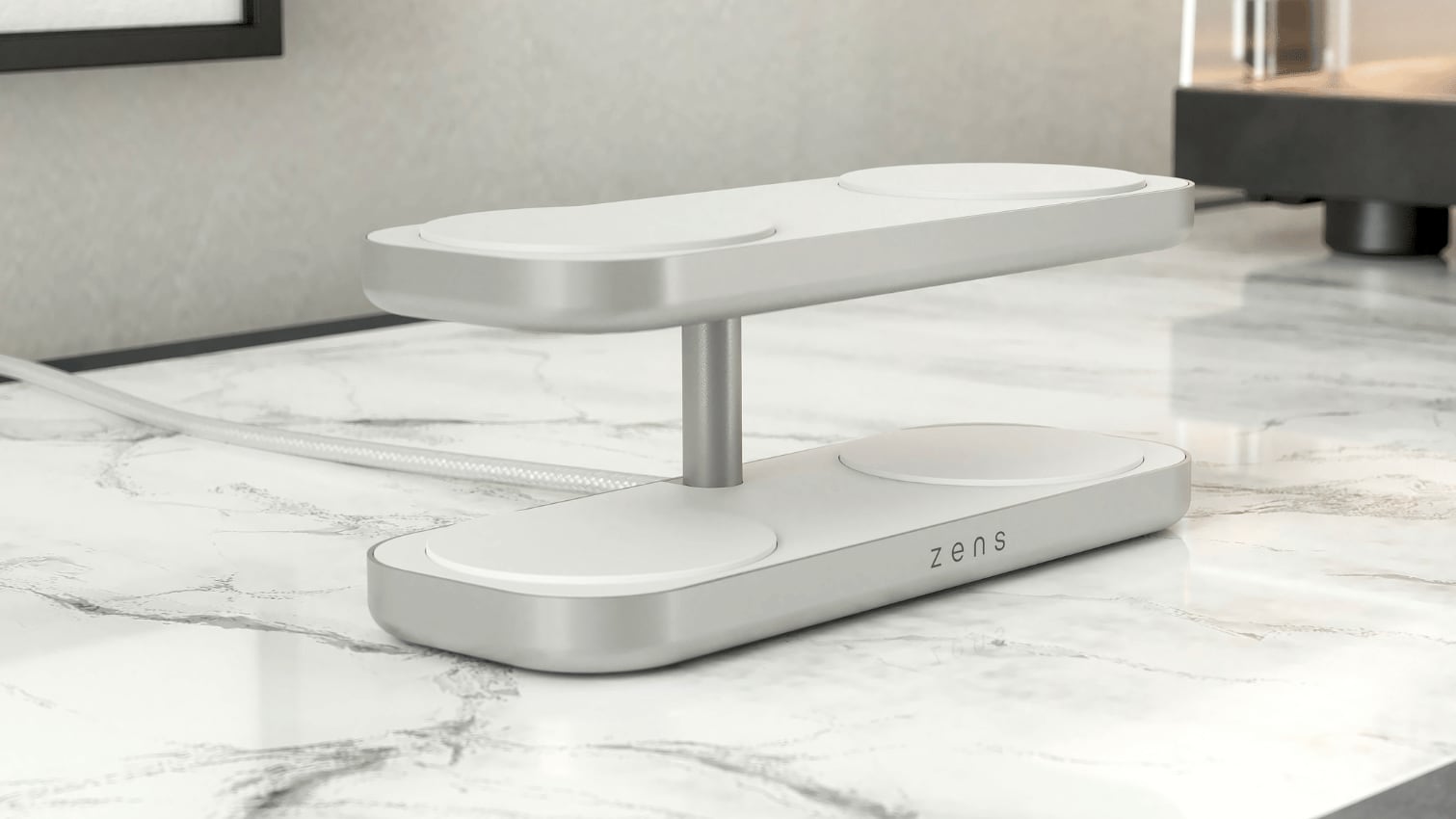
Accessory maker Zens this week introduced the Quattro Charger Pro 4, a multi-device charging station with a unique design. There are two rectangular charging platforms, each with a pair of magnetic charging surfaces for charging four total devices at one time.
The Quattro is a Qi2 charger, so each of the magnetic charging pucks can charge an iPhone at up to 15W. With Qi2 support and the multi-level design, the Quattro is able to charge four iPhones at once at 15W.
Because the charger is flat, it works with both MagSafe-compatible iPhones and older Qi devices that do not have included magnets. The charging surface can also be used for AirPods and other smartphones, but it does not work with the Apple Watch. Given the orientation of the charger, it is worth noting that StandBy is not supported.
pre-ordered from the Zens website for $200, with black and white color options available. It will ship out to customers at the end of October.
This article, "Zens Launches Qi2 Multi-Device Quattro Charger Pro 4" first appeared on MacRumors.com
Discuss this article in our forums
https://www.macrumors.com/2024/09/03/zens-quattro-charger-pro-4/
Microsoft Says Apple's 30% Fee Makes Xbox Cloud Gaming iOS App 'Impossible'
Apple has allowed cloud gaming apps on the App Store since earlier this year, but cloud gaming services still haven't bothered making iOS apps. Microsoft recently explained why, telling UK regulators that it didn't bring Xbox Cloud Gaming to Apple's App Store because the rules are still too restrictive.
The UK's Competition and Markets Authority is investigating mobile browsers and cloud gaming, and put out a call for comments. Microsoft responded in late July (via The Verge) and said [PDF] that while cloud gaming apps are technically allowed, there are still multiple rules that cloud gaming apps can't comply with for "technical and economic reasons."
Microsoft's chief complaint is that the App Store rules require subscriptions and features to be made available on iOS devices with in-app purchase, which is "not feasible." A consumption-only situation where content is purchased on another platform and played on iOS is not allowed for cloud gaming apps.
Apple's 30 percent commission fee "makes it impossible" for Microsoft to monetize its cloud gaming service, and it is neither "economically sustainable nor justifiable."
Microsoft also complains about Apple's lack of support for alternative app stores and the limitations of web apps, such as an inability to access device hardware features.
Google also submitted a separate document in the UK, and it simply suggests that regulators focus on the iOS App Store rather than taking a look at Google Play.
own statement said that it "supports and encourages" cloud gaming services on iOS, and that there are successful cloud gaming services such as Antstream. Apple suggested that regulators revisit their thinking following its support for cloud gaming, which did happen after the investigation launched.
Tags: App Store, Microsoft, United Kingdom, Xbox
This article, "Microsoft Says Apple's 30% Fee Makes Xbox Cloud Gaming iOS App 'Impossible'" first appeared on MacRumors.com
Discuss this article in our forums
https://www.macrumors.com/2024/09/03/microsoft-cloud-gaming-ios-app-impossible/
EU Consumer Group Summarizes How Apple Fails to Comply With DMA

There are a number of ways that Apple, Google, Amazon, Meta, ByteDance, and Microsoft are failing to comply with the Digital Markets Act, according to an analysis published by the European Consumer Organization (BEUC). The BEUC advocates for consumer rights and provides guidance to European lawmakers.
In regard to Apple, the BEUC outlines several ways that the company's DMA compliance efforts fall short, but it is worth noting that Apple has addressed many of these issues in its most recent DMA updates, which will be implemented starting later in 2024.
Apple creates unnecessary steps to impede or deter users from switching to alternative app stores or downloading apps outside of the App Store.
Apple does not make it easy for consumers to change their default settings.
Apple's browser choice screen does not provide enough information for consumers to make an effective choice, and the choice screen is "confusing, complex and creates negative friction."
Apple uses non-neutral language to scare consumers away from choosing alternative payment services or subscribing to cheaper services outside of an app. This is in reference to the disclosure screens that Apple presents when consumers use alternative payments.
Apple does not allow end users to easily uninstall first-party apps, and while Safari can be deleted by the end of 2024, Apple was required to allow that feature by March.
Apple does not provide adequate compliance reports to the European Commission, and has delayed the implementation of some of its DMA measures, a "blatant violation" of the DMA.
Many of the DMA changes that Apple announced last month make the report outdated, and the BEUC does acknowledge that Apple plans to implement tweaks to its DMA compliance. The BEUC says that the "precise details" of Apple's changes "will need to be evaluated." The report is clearly of the opinion, however, that Apple is taking too long to implement these features. Most of the updates will be made before the end of the year, while some others won't be enabled until spring 2025. Here's what Apple changed to better comply with the DMA:
New default apps will be able to be set for phone calls, messaging, password managers, keyboards, navigation, translation, and call spam filters.
There is a new Default Apps section in the Settings app, which specifically addresses one of the complaints in the BEUC's report. It was confusing to consumers to have to go to the "Safari" settings to manage a non-Safari default browser.
Safari, App Store, Messages, Camera, and Photos apps will be able to be deleted.
The browser selection screen shown to consumers at setup will include a description about the browser, an option to set a default right from the screen, and a requirement to scroll all the way down before choosing a browser.
When a default browser that is not Safari is selected, that browser's icon will replace Safari's icon on the Home Screen or Dock.
For other tech companies, the BEUC targeted Meta's cross-service ads and messaging interoperability, Google's self-preferencing in search results and personal data use across services, Amazon's self-preferencing and difficulty unsubscribing from services, TikTok's personal data consent implementation, and Microsoft's customer consent screen for the use of data across services.
This article, "EU Consumer Group Summarizes How Apple Fails to Comply With DMA" first appeared on MacRumors.com
Discuss this article in our forums
https://www.macrumors.com/2024/09/03/eu-apple-dma-non-compliance-report/
Apple Seeds Ninth visionOS 2 Beta to Developers
Apple today released the ninth beta of an upcoming visionOS 2 update to developers, with the beta coming a week after the eighth beta.
Registered developers are able to opt into the betas by opening up the Settings app on their device, going to the Software Update Section, tapping on the "Beta Updates" option, and toggling on the Developer Beta. Note that an Apple ID associated with a developer account is required to download and install the beta.
visionOS 2 is able to take the depth information from 2D photos and turn them into 3D photos using advanced machine learning. Apple says that the feature is meant to add depth to photos to make memories more immersive.
There are new hand gestures for activating the Home View and Control Center, and the Home View is also now customizable with apps able to be rearranged. Travel Mode now includes support for trains, and Guest User profiles are now saved for 30 days so guests don't have to do the setup process every time they try out the headset.
AirPlay update, the Vision Pro can serve as an AirPlay receiver, so content from the iPhone, iPad, or Mac can be shared to the headset.
Related Roundups: visionOS, visionOS 2
Related Forum: Apple Vision Pro
This article, "Apple Seeds Ninth visionOS 2 Beta to Developers" first appeared on MacRumors.com
Discuss this article in our forums
https://www.macrumors.com/2024/09/03/apple-seeds-visionos-2-beta-9/
Apple Seeds Ninth visionOS 2 Beta to Developers
Apple today released the ninth beta of an upcoming visionOS 2 update to developers, with the beta coming a week after the eighth beta.
Registered developers are able to opt into the betas by opening up the Settings app on their device, going to the Software Update Section, tapping on the "Beta Updates" option, and toggling on the Developer Beta. Note that an Apple ID associated with a developer account is required to download and install the beta.
visionOS 2 is able to take the depth information from 2D photos and turn them into 3D photos using advanced machine learning. Apple says that the feature is meant to add depth to photos to make memories more immersive.
There are new hand gestures for activating the Home View and Control Center, and the Home View is also now customizable with apps able to be rearranged. Travel Mode now includes support for trains, and Guest User profiles are now saved for 30 days so guests don't have to do the setup process every time they try out the headset.
AirPlay update, the Vision Pro can serve as an AirPlay receiver, so content from the iPhone, iPad, or Mac can be shared to the headset.
Related Roundups: visionOS, visionOS 2
Related Forum: Apple Vision Pro
This article, "Apple Seeds Ninth visionOS 2 Beta to Developers" first appeared on MacRumors.com
Discuss this article in our forums
https://www.macrumors.com/2024/09/03/apple-seeds-visionos-2-beta-9/
Apple Seeds Ninth visionOS 2 Beta to Developers
Apple today released the ninth beta of an upcoming visionOS 2 update to developers, with the beta coming a week after the eighth beta.
Registered developers are able to opt into the betas by opening up the Settings app on their device, going to the Software Update Section, tapping on the "Beta Updates" option, and toggling on the Developer Beta. Note that an Apple ID associated with a developer account is required to download and install the beta.
visionOS 2 is able to take the depth information from 2D photos and turn them into 3D photos using advanced machine learning. Apple says that the feature is meant to add depth to photos to make memories more immersive.
There are new hand gestures for activating the Home View and Control Center, and the Home View is also now customizable with apps able to be rearranged. Travel Mode now includes support for trains, and Guest User profiles are now saved for 30 days so guests don't have to do the setup process every time they try out the headset.
AirPlay update, the Vision Pro can serve as an AirPlay receiver, so content from the iPhone, iPad, or Mac can be shared to the headset.
Related Roundups: visionOS, visionOS 2
Related Forum: Apple Vision Pro
This article, "Apple Seeds Ninth visionOS 2 Beta to Developers" first appeared on MacRumors.com
Discuss this article in our forums
https://www.macrumors.com/2024/09/03/apple-seeds-visionos-2-beta-9/
Sonos End of Summer Sale Introduces Savings on Ace Headphones, Arc Soundbar, and More
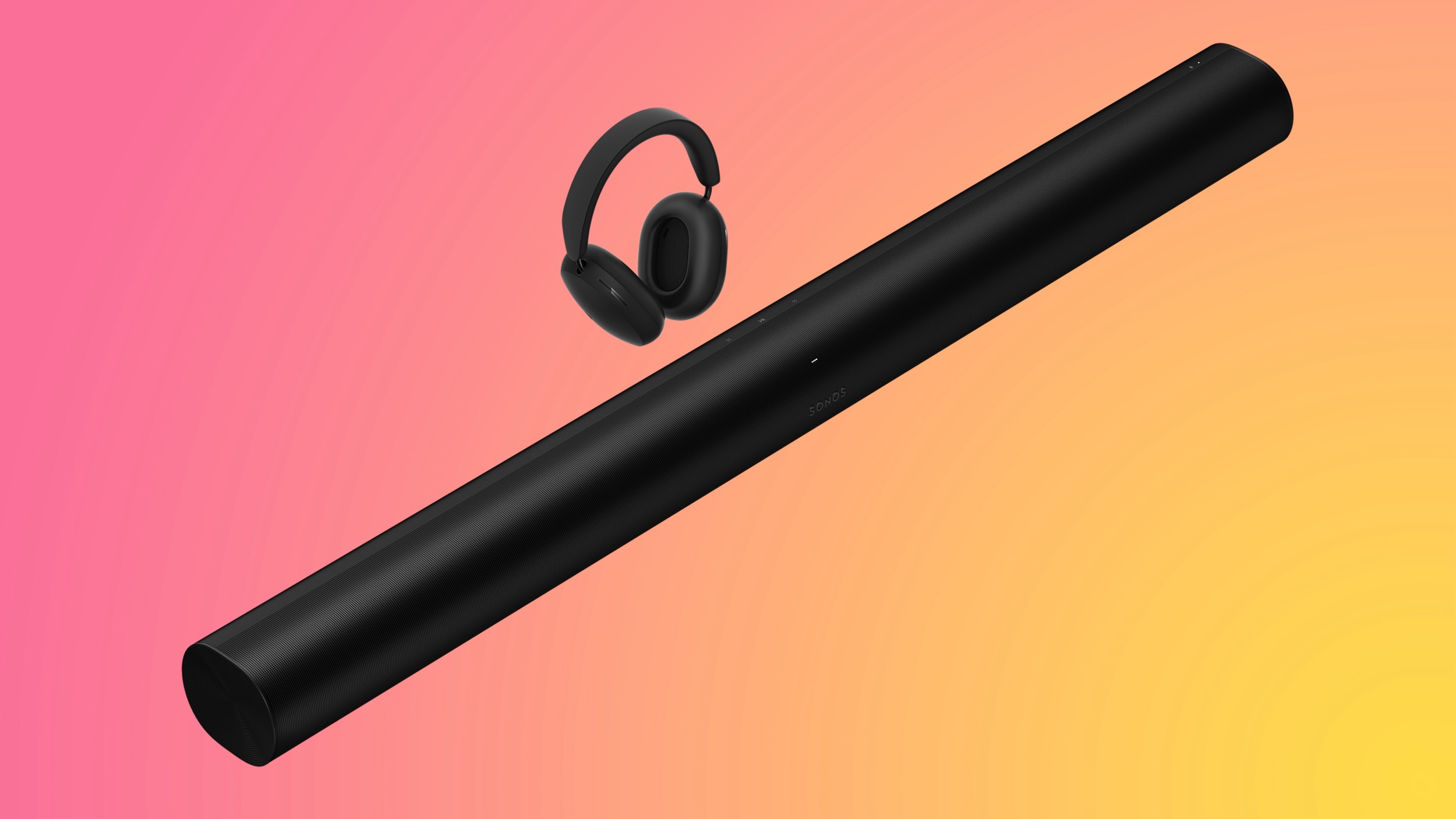
Sonos has expanded its Labor Day sale from over the weekend with more discounts, including $50 off the new Sonos Ace over-ear headphones. You can also save on the Roam 2 smart speaker, Arc soundbar, and more.
Note: MacRumors is an affiliate partner with Sonos. When you click a link and make a purchase, we may receive a small payment, which helps us keep the site running.
$399, down from $449. These headphones launched back in May as a direct competitor to the AirPods Max. They support spatial audio, Dolby Atmos, dynamic head tracking, and a 30 hour battery life.
UP TO $180 OFF
Sonos End of Summer Sale
browse the Sonos website to see everything on sale before it ends on September 8.
Sonos Ace Headphones - $399 ($50 off)
Sonos Ace (2x) Headphones - $798 ($100 off)
Roam 2 Speaker - $143 ($36 off)
Sonos Ace Headphones + Arc Soundbar - $1,280 ($68 off)
Arc Soundbar + Move 2 Speaker - $1,208 ($140 off)
Sub Mini + 2x Era 100 Speakers - $832 ($95 off)
Head to our full Deals Roundup to get caught up with all of the latest deals and discounts that we've been tracking over the past week.
Related Roundup: Apple Deals
This article, "Sonos End of Summer Sale Introduces Savings on Ace Headphones, Arc Soundbar, and More" first appeared on MacRumors.com
Discuss this article in our forums
https://www.macrumors.com/2024/09/03/sonos-end-of-summer-sale/
Sonos End of Summer Sale Introduces Savings on Ace Headphones, Arc Soundbar, and More
Sonos has expanded its Labor Day sale from over the weekend with more discounts, including $50 off the new Sonos Ace over-ear headphones. You can also save on the Roam 2 smart speaker, Arc soundbar, and more.
Note: MacRumors is an affiliate partner with Sonos. When you click a link and make a purchase, we may receive a small payment, which helps us keep the site running.
$399, down from $449. These headphones launched back in May as a direct competitor to the AirPods Max. They support spatial audio, Dolby Atmos, dynamic head tracking, and a 30 hour battery life.
UP TO $180 OFF
Sonos End of Summer Sale
browse the Sonos website to see everything on sale before it ends on September 8.
Sonos Ace Headphones - $399 ($50 off)
Sonos Ace (2x) Headphones - $798 ($100 off)
Roam 2 Speaker - $143 ($36 off)
Sonos Ace Headphones + Arc Soundbar - $1,280 ($68 off)
Arc Soundbar + Move 2 Speaker - $1,208 ($140 off)
Sub Mini + 2x Era 100 Speakers - $832 ($95 off)
Head to our full Deals Roundup to get caught up with all of the latest deals and discounts that we've been tracking over the past week.
Related Roundup: Apple Deals
This article, "Sonos End of Summer Sale Introduces Savings on Ace Headphones, Arc Soundbar, and More" first appeared on MacRumors.com
Discuss this article in our forums
https://www.macrumors.com/2024/09/03/sonos-end-of-summer-sale/
Huawei Aims to Upstage Sep 9 Apple Event With Tri-Fold Phone Debut

Huawei has announced a September 10 event where the Chinese company plans to unveil the world's first tri-folding smartphone, with the timing of the event an apparently deliberate attempt to upstage Apple's upcoming iPhone 16 reveal.
Huawei teaser showing tri-fold shape
Huawei hasn't yet officially shown off the pocketable phone, which reportedly has a 10-inch display when completely unfolded, but the company has shared a teaser on Weibo that depicts a device with three folding sides in a sort of reverse Z-shape, leaving little to the imagination about what's headlining the event.
suggested that it will be the most expensive smartphone yet. The company's consumer and automotive technology executive Richard Yu called it an "epoch-making product."
"It's Glowtime" event for observers on the US West Coast. Apart from the foldable, new smartwatches and an electric car are also expected to be announced by Huawei on stage.
Canalys, Apple's standing in China has notably declined, with the company falling out of the top five smartphone vendors by market share in the second quarter of 2023.
In stark contrast, Huawei has experienced a remarkable upswing during the same period. The company saw its smartphone shipments in China surge by 41% compared to the same quarter last year, marking the fastest growth rate among the top five brands in the country.
Taiwanese research firm TrendForce. Apple is widely expected to release a large-screen foldable iPad or MacBook to kick-off its foray into the product category.
Tags: Foldable iPhone, Huawei
This article, "Huawei Aims to Upstage Sep 9 Apple Event With Tri-Fold Phone Debut" first appeared on MacRumors.com
Discuss this article in our forums
https://www.macrumors.com/2024/09/03/huawei-upstage-apple-iphone-16-tri-fold/
iPhone SE 4 to Complete Apple's Switch to OLED Across iPhone Lineup
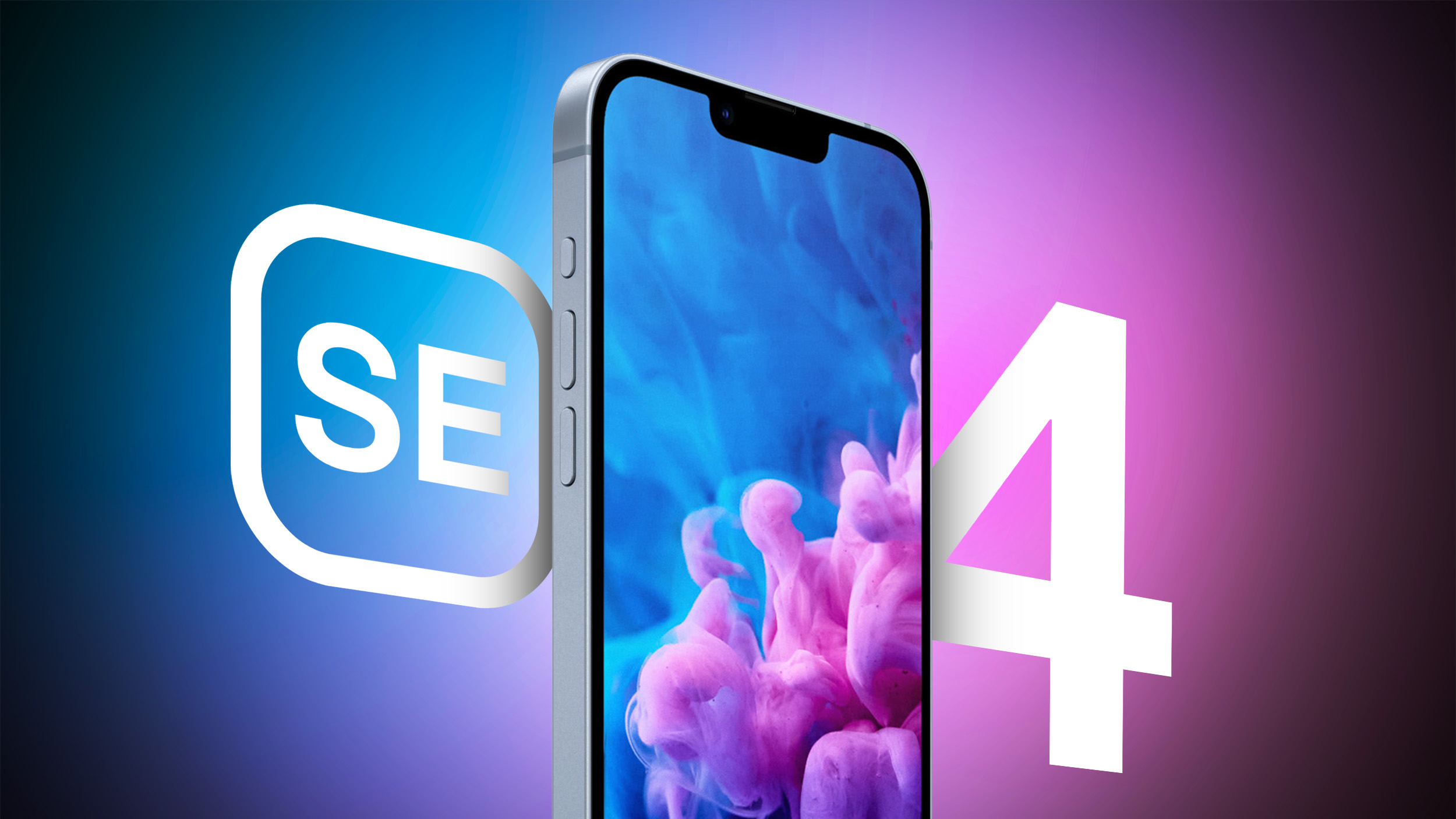
Apple is expected to launch a fourth-generation iPhone SE early next year with an OLED display for the first time, marking the completion of Apple's adoption of OLED technology across all iPhone models.
According to Nikkei Asia, the move away from LCD displays will exclude two longstanding Japanese panel makers, Japan Display (JDI) and Sharp, from Apple's iPhone supply chain.
In 2017, Apple introduced OLED screens with the iPhone X. Since then, OLED displays have replaced LCD screens in Apple's high-end iPhone models. This shift has significantly impacted LCD suppliers. In 2015, JDI and Sharp provided about 200 million LCD panels yearly for iPhones.
However, by 2023, this number had decreased dramatically to around 20 million. Recently, Apple's gradual adoption of OLED has seen both Japanese LCD makers supply for just iPhone SE models.
JDI currently only supplies small OLED displays for devices such as the Apple Watch. JDI is now focusing on revamping its business strategy around LCDs for automotive applications, while Sharp is scaling back its LCD business, which was primarily for TVs.
Meanwhile, Apple has reportedly begun placing orders for OLED displays for the upcoming iPhone SE from China's BOE Technology Group and South Korea's LG Display.
The fourth-generation iPhone SE is rumored to feature an iPhone 14-like design, Face ID instead of Touch ID, a USB-C port, an Action button, an Apple-designed 5G modem, an A18 processor, and an all-screen look that does away with the Home Button. The device's display is expected to grow in size from 4.7 inches to 6.06 inches, and internal RAM is likely to be 8GB, up from 4GB in the 2022 model, due to the hardware requirements of Apple Intelligence.
Related Roundup: iPhone SE
Tag: Nikkei
Buyer's Guide: iPhone SE (Don't Buy)
Related Forum: iPhone
This article, "iPhone SE 4 to Complete Apple's Switch to OLED Across iPhone Lineup" first appeared on MacRumors.com
Discuss this article in our forums
https://www.macrumors.com/2024/09/03/iphone-se-4-complete-apple-switch-oled/
iPhone 14 Pro vs. iPhone 16 Pro: 60 Upgrades to Expect
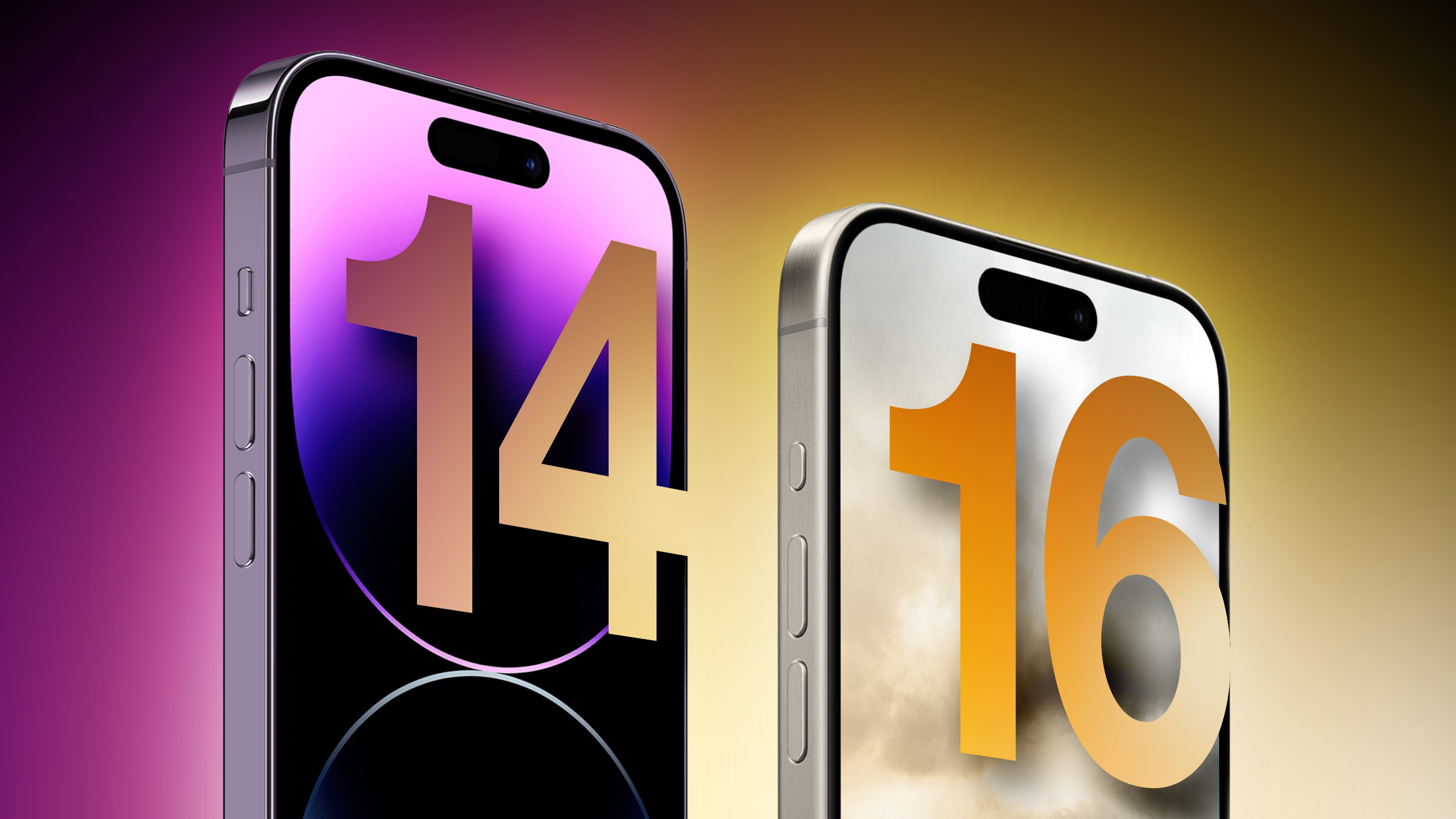
The iPhone 16 Pro is set to succeed 2023's iPhone 15 Pro, introducing over 30 new features and improvements to Apple's high-end smartphones. With many users adopting two-year upgrade cycles, plenty of iPhone 14 Pro owners will be looking to upgrade to the iPhone 16 Pro, so this guide breaks down every major difference you should be aware of between the two generations based on rumors.
In 2022, Apple unveiled the iPhone 14 Pro as the successor to the popular iPhone 13 Pro, introducing an always-on display, the Dynamic Island, a 48-megapixel camera, the A16 Bionic chip, longer battery life, and more. Two years later, the iPhone 16 Pro is expected to offer at least 60 upgrades. All of the changes the iPhone 16 Pro models are rumored to feature compared to their 2022 predecessor are listed below, using information from reliable sources that we have previously covered here on MacRumors. We will continue to update this article as more rumors emerge prior to Apple's "It's glowtime" event on Monday, September 9.
Design
The design of the iPhone 16 Pro is expected to be a relatively significant evolution over the iPhone 14 Pro, iterating on the titanium frame and slightly rounded edges introduced on the iPhone 15 Pro models last year.
iPhone 14 Pro
iPhone 16 Pro
Surgical-grade stainless steel chassis
Aerospace-grade titanium chassis
Glossy frame with squared-off edges
Brushed frame with contoured edges
Ring/Silent switch
Action button
Thermal design with copper heatsink and black foil battery casing
New thermal design with graphene heatsink and metal battery casing
More repairable design
Lightning port
USB-C port
Space Black, Silver, Gold, and Deep Purple color options
Black Titanium, White Titanium, Natural Titanium, and Desert Titanium color options
Dimensions
To accommodate larger displays, both iPhone 16 Pro models are rumored to grow in height and width. In addition to last year's increase in depth, the devices are due to be considerably larger, but with a notable reduction in weight thanks to the adoption of a titanium frame.
iPhone 14 Pro
iPhone 16 Pro
7.85mm depth
8.25mm depth (0.4mm thicker)
iPhone 14 Pro: 147.5mm height
iPhone 14 Pro Max: 160.7mm height
iPhone 16 Pro: 149.6mm height
iPhone 16 Pro Max: 163.0mm height
iPhone 14 Pro: 71.5mm width
iPhone 14 Pro Max: 77.6mm width
iPhone 16 Pro: 71.45mm width
iPhone 16 Pro Max: 77.58mm width
iPhone 14 Pro: 206g weight
iPhone 14 Pro Max: 240g weight
iPhone 16 Pro: 194g weight
iPhone 16 Pro Max: 225g weight
Displays
Both iPhone 16 Pro models are expected to feature larger displays than their predecessors, pushing the iPhone 16 Pro Max to be the biggest iPhone ever offered. There are also reportedly improvements to the underlying OLED technology in store, in addition to last year's slimmer bezels, making for a noticeable overall display upgrade.
iPhone 14 Pro
iPhone 16 Pro
6.1- or 6.7-inch display
6.3- or 6.9-inch display
Slimmer borders around the display
More efficient OLED display with brighter micro-lens technology
Performance
The iPhone 16 Pro models are rumored to bring notable improvements in processing power, including a 3nm Apple silicon chip and 33% more memory.
iPhone 14 Pro
iPhone 16 Pro
A16 Bionic chip (TSMC's "N4P" 5nm process)
A18 chip (TSMC's "N3E" enhanced 3nm process)
16-core Neural Engine
Enhanced neural Engine with "significantly" more cores to support Apple Intelligence more effectively
Dedicated AV1 decoder
6GB memory
8GB memory
Connectivity
Connectivity is also due to get a significant upgrade on the iPhone 16 Pro, bolstering the device's 5G, Wi-Fi, Thread, and Ultra Wideband specifications.
iPhone 14 Pro
iPhone 16 Pro
Snapdragon X65 5G modem
Snapdragon X75 5G modem
Wi‑Fi 6 connectivity
Wi‑Fi 7 connectivity
Thread networking technology
First-generation Ultra Wideband chip
Second-generation Ultra Wideband chip (connects from 3x further away)
Precision Finding for Find My friends
Cameras
The iPhone 16 Pro models are slated to receive a range of substantial camera enhancements, such as a larger main camera sensor, a 48-megapixel sensor on the ultra wide camera, and a dedicated hardware button for photography and videography on the side of the device.
iPhone 14 Pro
iPhone 16 Pro
1/1.28-inch main camera sensor
iPhone 16 Pro: 1/1.28-inch main camera sensor
iPhone 16 Pro Max: 1/1.14-inch main camera sensor (12% larger)
Sony IMX-803 main camera sensor
iPhone 16 Pro: Sony IMX-803 main camera sensor
iPhone 16 Pro Max: Sony IMX-903 main camera sensor with stacked design for better performance, a 14-bit Analog-to-Digital Converter (ADC) for high-quality image data conversion, and Digital Gain Control (DCG) for better dynamic range and noise control
7P main camera lens
8P main camera lens
48-megapixel super-high-resolution photos
24- and 48-megapixel super-high-resolution photos
Telephoto camera with second-generation sensor-shift optical image stabilization
Telephoto camera with larger sensor, folded tetraprism design, optical image stabilization, and autofocus 3D sensor-shift module
77mm maximum focal length
120mm maximum focal length
13mm, 24mm, 28mm, 35mm, and 120mm focal length picker
0.5x, 1x, 2x, and 3x optical zoom
0.5x, 1x, 2x, and 5x optical zoom
4P telephoto camera lens
5P telephoto camera lens
12-megapixel ultra wide camera with f/2.4 aperture
48-megapixel ultra wide camera with f/2.2 aperture, 48-megapixel ProRaw support, and improved low-light performance
5P ultra wide camera lens
6P ultra wide camera lens
Anti-reflective coating on camera lenses
Smart HDR 4
Smart HDR 5
Portrait mode with Focus and Depth Control
Next-generation portraits with Focus and Depth Control
Night mode and Night mode portraits
Improved Night mode and Night mode portraits
Support for new JPEG-XL format
Shoot and instantly transfer 48-megapixel ProRAW images to Mac via USB 3
Record video directly to an external drive
ProRes video recording up to 4K at 30 fps
ProRes video recording up to 4K at 60 fps with external recording
Support for 3K video at 120 fps with Dolby Vision
Action mode
Improved Action mode and low-light video
Log video recording
Academy Color Encoding System
Record spatial video for Apple Vision Pro
Capacitive "Capture Button" with force-sensitive half-press and sliding gestures to trigger photography and videography features
Batteries and Charging
The iPhone 16 Pro models could receive some major improvements in battery technology and charging, sporting bigger, denser batteries and faster charging capabilities.
iPhone 14 Pro
iPhone 16 Pro
Setting to prevent charging above 80%
Battery manufacture date, first use, and cycle count information in Settings
Single-layer battery technology
Stacked battery technology for increased energy density and prolonged lifespan
iPhone 14 Pro: 3,200 mAh battery
iPhone 14 Pro Max: 4,323 mAh battery
iPhone 16 Pro: 3,355 mAh mAh battery
iPhone 16 Pro Max: 4,676 mAh battery
Up to 27W wired charging
Up to 40W wired charging
15W charging via MagSafe
20W charging via MagSafe
Other Features and Changes
One of the major differences between the iPhone 14 Pro and iPhone 16 Pro is support for Apple's new suite of AI features called Apple Intelligence.
iPhone 14 Pro
iPhone 16 Pro
Apple Intelligence support with iOS 18.1, plus a suite of exclusive AI features
Microphone
Upgraded microphone with improved signal-to-noise ratio and water resistance
Improved audio quality on phone calls
USB 2 transfer speeds (up to 480Mb/s)
USB 3 transfer speeds (up to 10Gb/s, 20x faster)
DisplayPort support for up to 4K HDR video output
Up to 1TB of storage
Up to 2TB of storage
Release Date
The iPhone 16 Pro and iPhone 16 Pro Max are expected to be announced at Apple's "It's glowtime" event on Monday, September 9. Pre-orders are likely to open on Friday, September 13, with launch following one week later on Friday, September 20. For more information about the iPhone 16 Pro models, see our comprehensive roundup.
Will It Be Worth Upgrading?
The iPhone 15 Pro was a fairly significant upgrade over the iPhone 14 Pro in 2023, introducing a titanium chassis, slimmer bezels, the Action button, and a USB-C port. The iPhone 16 Pro will build on these upgrades, offering larger displays, the Capture button, and improved cameras. With at least 60 upgrades likely to be in store, many iPhone 14 Pro users will find upgrading to an iPhone 16 Pro model worthwhile.
Related Roundup: iPhone 16 Pro
Related Forum: iPhone
This article, "iPhone 14 Pro vs. iPhone 16 Pro: 60 Upgrades to Expect" first appeared on MacRumors.com
Discuss this article in our forums
https://www.macrumors.com/guide/iphone-14-pro-vs-iphone-16-pro/
Mac Mini to Lose Its USB-A Ports Later This Year
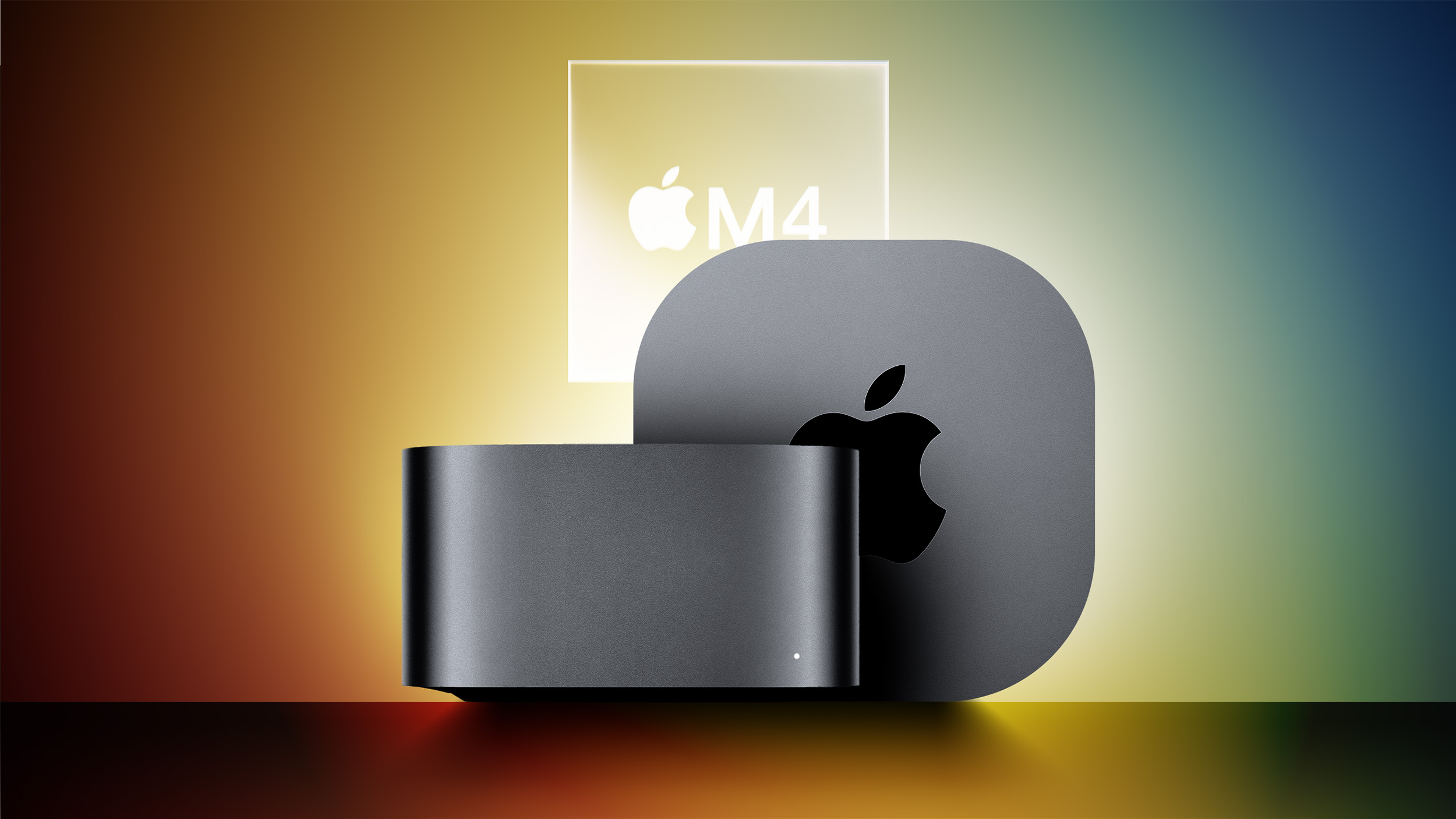
Apple's redesigned Mac mini will feature will not feature any USB-A ports, Bloomberg's Mark Gurman reports.
The current Mac mini with the M2 chip features two USB-C ports and two USB-A ports, while the M2 Pro variant has four USB-C ports and two USB-A ports. Writing in his latest "Power On" newsletter, Gurman explained that the new Mac mini with the M4 Pro chip will have a total of five USB-C ports, but no USB-A ports. Three USB-C ports will be located on the back, while two will be present on the front of the machine. There will continue to be ports for ethernet, HDMI, and 3.5mm audio.The power supply will apparently continue to be internal.
Apple TV, but it may be slightly taller than the current model, which is 1.4 inches high. It will continue to feature an aluminum shell. Individuals working on the new device apparently say that it is "essentially an iPad Pro in a small box."
MacBook Air, MacBook Pro, iMac, Mac Studio, and Mac Pro planned to take place over the next year.
This article, "Mac Mini to Lose Its USB-A Ports Later This Year" first appeared on MacRumors.com
Discuss this article in our forums
https://www.macrumors.com/2024/09/01/mac-mini-to-lose-usb-a-ports-later-this-year/
iPhone 16 Launch Month Is Here: Everything We Know
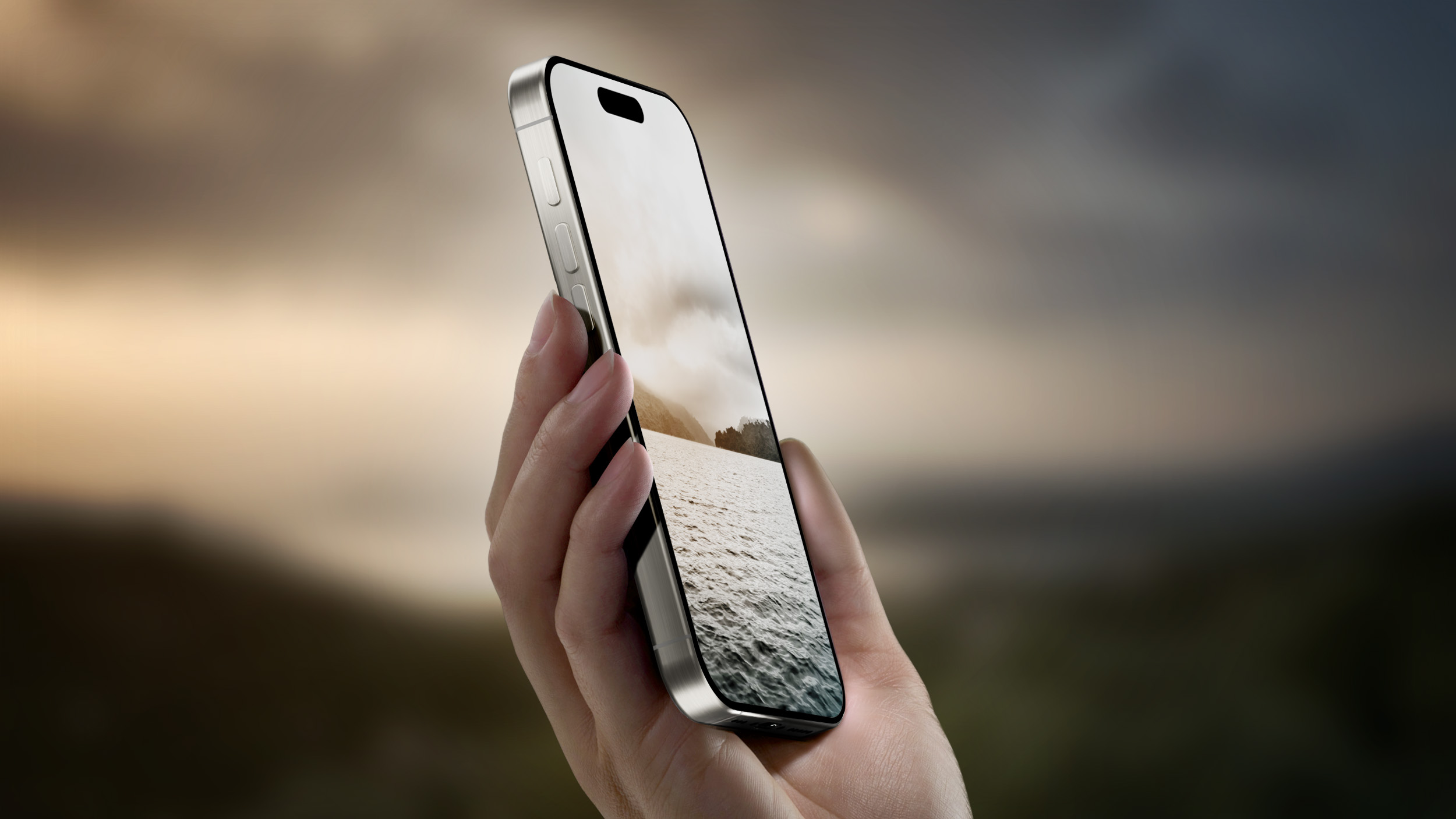
Apple has announced that on Monday, September 9 it will hold its annual fall event, which means we are just days away from the launch of the iPhone 16. Like the iPhone 15 series, this year's lineup is expected to stick with four models – iPhone 16, iPhone 16 Plus, iPhone 16 Pro, and iPhone 16 Pro Max – although there are plenty of design differences and new features to take into account.
To bring you up to speed ahead of Apple's "It's Glowtime" event, we've summarized below the biggest iPhone 16 rumors we've covered so far here on MacRumors. For more details, follow the links, or dive into our dedicated roundups for both iPhone 16 and iPhone 16 Pro models.
1. Larger Displays
Biggest Ever iPhones
This year's iPhone 16 Pro and iPhone 16 Pro Max are rumored to be getting bigger display sizes, increasing to 6.27- and 6.86-inches, respectively. For comparison, the iPhone 15 Pro and iPhone 15 Pro Max are equipped with 6.1-inch and 6.7-inch displays, respectively. The new display sizes would be the largest ever for the iPhone.
2. Vertical Camera Layout
iPhone 16 & iPhone 16 Plus
Apple's iPhone 16 base models will feature a vertical camera arrangement with a pill-shaped raised surface, instead of a diagonal camera arrangement like the iPhone 15. The new camera bump features two separate camera rings for the Wide and Ultra Wide cameras. The vertical camera layout is expected to enable Spatial Video recording, which is currently limited to the iPhone 15 Pro models.
3. Battery Changes
All iPhone 16 Models
Rumors suggest the iPhone 16 and iPhone 16 Pro Max will feature larger batteries than their predecessors, although the smaller iPhone 16 Pro device could see the biggest improvement, while the iPhone 16 Plus may have reduced capacity. The iPhone 16 is said to have a 6% increase over the iPhone 15, with the iPhone 16 Pro Max gaining a 5% increase, and the iPhone 16 Pro seeing a 9% increase. In contrast, the iPhone 16 Plus is rumored to have a 9% reduction in capacity. On the other hand, Apple could also potentially use stacked battery technology to increase energy density and prolong lifespan across the lineup.
4. Capture Button
New Camera Capabilities
All iPhone 16 models will have a new "Capture Button" dedicated to triggering image or video capture. The button will add features like the ability to zoom in and out by swiping left and right on the button, focus on a subject with a light press, and activate a recording with a more forceful press. The Capture Button will be located on the bottom right side of the iPhone 16, and will take the place of the mmWave antenna on U.S. iPhone models, with the antenna relocating to the left side of the device below the volume and Action buttons.
5. Ultra Wide Lens Upgrade
iPhone 16 Pro & iPhone 16 Pro Max
The iPhone 16 Pro models are expected to feature an upgraded 48-megapixel Ultra Wide camera lens, which should allow it to capture more light, resulting in improved photos when shooting in 0.5× mode, especially in low-light environments. This also means that iPhone 16 Pro models should be able to shoot 48-megapixel ProRAW photos in Ultra Wide mode. These photos retain more detail in the image file for more editing flexibility, and can be printed at large sizes. The iPhone 16 Pro Max is also rumored to boast a bigger main camera thanks to an advanced custom 48-megapixel Sony IMX903 sensor.
6. Super Telephoto Camera
iPhone 16 Pro Max
The iPhone 16 Pro Max could be the first to feature a super telephoto periscope camera for dramatically increased optical zoom. "Super" or "ultra" telephoto usually describes cameras with a focal length of over 300mm. The current telephoto lens is equivalent to a 77mm lens, so if accurate, there could be a notable increase in zoom capabilities. Super telephoto cameras are often used for sports and wild animal photography, but the extremely soft backgrounds they create also make them useful for portrait photography, providing there is enough distance between the subject and the photographer.
7. Faster Wi-Fi Support
Wi-Fi 6E & Wi-Fi 7
Apple's 2024 iPhone Pro models are expected to get Wi-Fi 7 in the Pro models, enabling data transfer over the 2.4GHz, 5GHz, and 6GHz bands simultaneously. This should result in faster Wi-Fi speeds, lower latency, and more reliable connectivity. With technologies such as 4K QAM, Wi-Fi 7 is also expected to offer peak data transfer speeds of over 40 Gbps, a 4× increase over Wi-Fi 6E. Meanwhile, the iPhone 16 and iPhone 16 Plus is rumored to support Wi-Fi 6E, which works with the 6 GHz band, enabling faster wireless speeds and reduced signal interference.
8. New A18 Series Chips
All iPhone 16 Models
Apple's next-generation A18 Pro chip is expected to be manufactured with TSMC's second-generation 3nm process, known as N3E. All four iPhone 16 models will be equipped with A18-branded chips, according to rumors, but Apple could still differentiate between the standard models and the Pro models, even giving the chips separate A18 and A18 Pro names. It makes sense for all four iPhone 16 models to have the same A18 chip because of the Apple Intelligence features set to debut in iOS 18. Apple Intelligence requires a high-powered chip for the AI features to run on-device. At this time, only the iPhone 15 Pro and Pro Max are able to use Apple Intelligence.
9. 5G Qualcomm Modem
iPhone 16 Pro & iPhone 16 Pro Max
Apple is expected to use Qualcomm's latest Snapdragon X75 modem in this year's Pro and Pro Max models. The Snapdragon X75 includes improved carrier aggregation and other technology advancements for faster 5G download and upload speeds compared to the X70, which is used in iPhone 15 models. The modem's combined mmWave and sub-6GHz 5G transceiver also takes up 25% less circuit board space, and is said to use up to 20% less power. The standard iPhone 16 and iPhone 16 Plus are expected to retain the Snapdragon X70 modem.
10. Tetraprism Lens
iPhone 16 Pro
Both iPhone 16 Pro models are expected to feature 5x optical zoom, which is currently exclusive to the iPhone 15 Pro Max. Apple's tetraprism lens system has a "folded" design that allows it to fit inside the smartphone, enabling up to 5x optical zoom and up to 25x digital zoom. In contrast, the current smaller iPhone 15 Pro is limited to up to 3x optical zoom, which is in line with the iPhone 14 Pro and iPhone 14 Pro Max.
11. Micro-Lens Technology
More Efficient OLED
Apple is said to be weighing up the use of micro-lens technology to maintain or increase the brightness of OLED displays on next year's iPhone 16 models while potentially reducing their power consumption. MLA works by using a uniform pattern of billions of lenses inside the panel that reduces internal reflections. These lenses turn the path of light reflected backwards from the inside of the panel towards the screen, which can serve either to increase perceived brightness while maintaining the same level of power consumption, or maintain brightness levels while consuming less power compared to conventional OLED panels at the same luminance.
12. Action Button
iPhone 16 & iPhone 16 Plus
The iPhone 15 Pro models include an Action Button, and in 2024, the Action Button is expected to be expanded to the standard iPhone 16 models. The Action Button used across the iPhone 16 lineup will be identical to the iPhone 15 Pro Action Button. The Action button, which replaces the traditional mute switch, can perform multiple functions such as activating the Flashlight, turning on the Camera, launching a Shortcut, enabling or disabling a Focus mode, using Translate, turning on/off Silent Mode, and more.
13. 40W Fast Charging and 20W MagSafe
Both iPhone 16 Pro Models
The iPhone 16 Pro and iPhone 16 Pro Max will support 40W wired fast charging and 20W MagSafe charging, according to a recurring rumor. Right now, iPhone 15 and iPhone 15 Pro models are capable of up to 27W peak charging speeds with an appropriate USB-C power adapter, while official MagSafe chargers from Apple and authorized third parties can wirelessly charge the iPhone 15 models at up to 15W. The charging boost is expected to balance and improve the problem of increasing charging time caused by the increase in battery capacity.
14. Upgraded Microphone
Enhanced Siri
Apple is said to be planning a significant upgrade to the iPhone 16 microphone to improve the new Apple Intelligence-enhanced Siri experience, which will include contextual awareness, semantic indexing, app control, and on-screen awareness. Apple's Siri AI ambitions will heavily rely on improved voice input processing, and the new mic is expected to offer significantly enhanced signal-to-noise ratio.
15. New Thermal Design
Reduced Heat
Apple is rumored to be working on a graphene thermal system for the iPhone 16 lineup, while the iPhone 16 Pro models could add metal battery casings to reduce overheating. Graphene has high thermal conductivity, surpassing that of copper, which is currently used in iPhone heat-sinks. Another source has claimed that iPhone 16 models will be equipped with a "larger graphite sheet" inside the chassis of the devices, to address potential overheating. The move could be in response to widely encountered overheating issues experienced with the iPhone 15 Pro, which Apple addressed through a software update.
16. Expanded Storage
Both iPhone 16 Pro Models
The iPhone 16 Pro and iPhone 16 Pro Max will be available with double the maximum storage capacity as the iPhone 15 Pro models, increasing from 1TB to 2TB, according to one rumor. The move is said to be a result of Apple's switch to higher-density Quad-Level Cell (QLC) NAND flash for higher storage models. Apple's use of QLC NAND could allow Apple to fit more storage into a smaller space and it is less expensive than Triple-Level Cell (TLC) NAND, which current iPhones use. On the downside, QLC has comparatively slower read and write speeds.
17. Increased Memory
iPhone 16 & iPhone 16 Plus
Apple's iPhone 16 and iPhone 16 Plus models have been rumored to both feature 8GB of RAM, an increase over the 6GB of RAM in the iPhone 15 and iPhone 15 Plus. More working memory should equate to improved performance for multitasking on the iPhone. Apple has hinted that plenty of RAM is required for Apple Intelligence features, so it is perhaps no coincidence that all devices in the iPhone 16 lineup will have at least 8GB of RAM.
18. Upgraded Neural Engine
Enhanced Machine Learning
Apple's next-generation A18 chips will feature an upgraded Neural Engine with "significantly" more cores, according to one Taiwanese report. An upgraded Neural Engine should improve the performance of Apple Intelligence features and machine learning tasks. Apple's iPhone 12 through iPhone 15 models all include a 16-core Neural Engine. Despite no difference in core counts across generations, Apple has still managed to improve their performance in successive models.
19. Ultra-Thin Bezel Technology
Maximized Display Size
Apple plans to maximize the display size on the iPhone 16 series by using a new ultra-thin bezel technology, according to one rumor. Apple will use Border Reduction Structure (BRS) technology to minimize the bezel at the bottom of the display. BRS achieves this by rolling up the internal copper wiring into a more compact package. Apple reportedly plans to apply the borderless display technology to all four iPhone 16 models, but the Pro models will have the thinnest bezels of any smartphone, beating the screen border thinness of even its latest iPhone 15 Pro devices.
20. New Polished Titanium Finish
iPhone 16 Pro & iPhone 16 Pro Max
Apple will use an improved finishing process for the titanium chassis on the iPhone 16 Pro models, according to one rumor. The new process will allegedly make the iPhone 16 Pro and iPhone 16 Pro Max look more polished than the iPhone 15 Pro models, which have a brushed finish. The improved manufacturing process will result in a glossy appearance that is more akin to the heavily polished stainless steel material used in previous Pro iPhones. However, the new titanium finish will be less prone to scratches compared to stainless steel.
21. Reduced Lens Flare
Less Photo Artifacts
Apple is said to be testing a new anti-reflective optical coating technology for its iPhone cameras that could improve the quality of photos by reducing artifacts like lens flare and ghosting. Apple plans to bring new atomic layer deposition (ALD) equipment into the iPhone camera lens manufacturing process to apply the coating. ALD-applied materials can also protect against environmental damage to the camera lens system without affecting the sensor's ability to capture light effectively.
22. New Colors
All iPhone 16 Models
The iPhone 16 Pro and iPhone 16 Pro Max are expected to be available in black, white or silver, gray or "Natural Titanium," and rose. This suggests that the iPhone 15 Pro's Blue Titanium option will be discontinued and replaced with a new rose or rose gold titanium color, which could even have a bronze appearance under certain lighting conditions. Meanwhile, the iPhone 16 and iPhone 16 Plus is said to be coming in black, green, pink, blue, and white. Compared to the iPhone 15, this means that white will replace yellow, with the other colors remaining the same.
10 Reasons to Wait for Next Year's iPhone 17
Are you looking forward to the iPhone 16 series and plan to upgrade, or are you skipping this year's model?
Related Roundups: iPhone 16, iPhone 16 Pro
This article, "iPhone 16 Launch Month Is Here: Everything We Know" first appeared on MacRumors.com
Discuss this article in our forums
https://www.macrumors.com/2024/09/01/iphone-16-launch-month-is-here-everything-we-know/
Apple Likely to Launch M4 Macs in November
Apple will likely announce new Mac models with M4-series chips in November, confidential information obtained MacRumors claims.
According to a reliable source familiar with the matter, Apple will release new Mac models in November 2024. While new Macs are usually released toward the end of the year, this is the first time a launch month has been singled out for the upcoming M4 Macs.
announced its "Scary Fast" event on Tuesday, October 23. It hosted the event on Monday, October 30, unveiling new MacBook Pro and iMac models with M3 chips. These new machines then launched on Tuesday, November 7, so we could see a similar series of events this year.
four new Mac models with M4-series chips before the end of the year: an entry-level 14-inch MacBook Pro with the M4 chip, new 14- and 16-inch MacBook Pro models with the M4 Pro and M4 Max chips, a new iMac with the M4 chip, and a completely redesigned Mac mini with the M4 and M4 Pro chips. With the exception of the new Mac mini, these devices are expected to be minor refreshes that focus on chip upgrades, but they could come with 16GB of memory as standard across the board for the first time. Some of these machines are now believed to be in mass production, which may line up with a November release date.
Related Roundups: iMac, MacBook Pro 14 & 16" , Mac mini
Tags: M4 iMac, M4 Mac mini, M4 MacBook Pro
Buyer's Guide: iMac (Neutral), 14" & 16" MacBook Pro (Caution), Mac Mini (Caution)
Related Forums: iMac, MacBook Pro, Mac mini
This article, "Apple Likely to Launch M4 Macs in November" first appeared on MacRumors.com
Discuss this article in our forums
https://www.macrumors.com/2024/09/01/apple-likely-to-launch-m4-macs-in-november/
Apple Likely to Launch M4 Macs in November
Apple will likely announce new Mac models with M4-series chips in November, confidential information obtained MacRumors claims.
According to a reliable source familiar with the matter, Apple will release new Mac models in November 2024. While new Macs are usually released toward the end of the year, this is the first time a launch month has been singled out for the upcoming M4 Macs.
announced its "Scary Fast" event on Tuesday, October 23. It hosted the event on Monday, October 30, unveiling new MacBook Pro and iMac models with M3 chips. These new machines then launched on Tuesday, November 7, so we could see a similar series of events this year.
four new Mac models with M4-series chips before the end of the year: an entry-level 14-inch MacBook Pro with the M4 chip, new 14- and 16-inch MacBook Pro models with the M4 Pro and M4 Max chips, a new iMac with the M4 chip, and a completely redesigned Mac mini with the M4 and M4 Pro chips. With the exception of the new Mac mini, these devices are expected to be minor refreshes that focus on chip upgrades, but they could come with 16GB of memory as standard across the board for the first time. Some of these machines are now believed to be in mass production, which may line up with a November release date.
Related Roundups: iMac, MacBook Pro 14 & 16" , Mac mini
Tags: M4 iMac, M4 Mac mini, M4 MacBook Pro
Buyer's Guide: iMac (Neutral), 14" & 16" MacBook Pro (Caution), Mac Mini (Caution)
Related Forums: iMac, MacBook Pro, Mac mini
This article, "Apple Likely to Launch M4 Macs in November" first appeared on MacRumors.com
Discuss this article in our forums
https://www.macrumors.com/2024/09/01/apple-likely-to-launch-m4-macs-in-november/