

I can see the heated marital discussions now.
Wife: you lost our life savings investing in Fartcoin Treasuries?!
Husband: but you don't understand, hot girl told me it was a good idea!

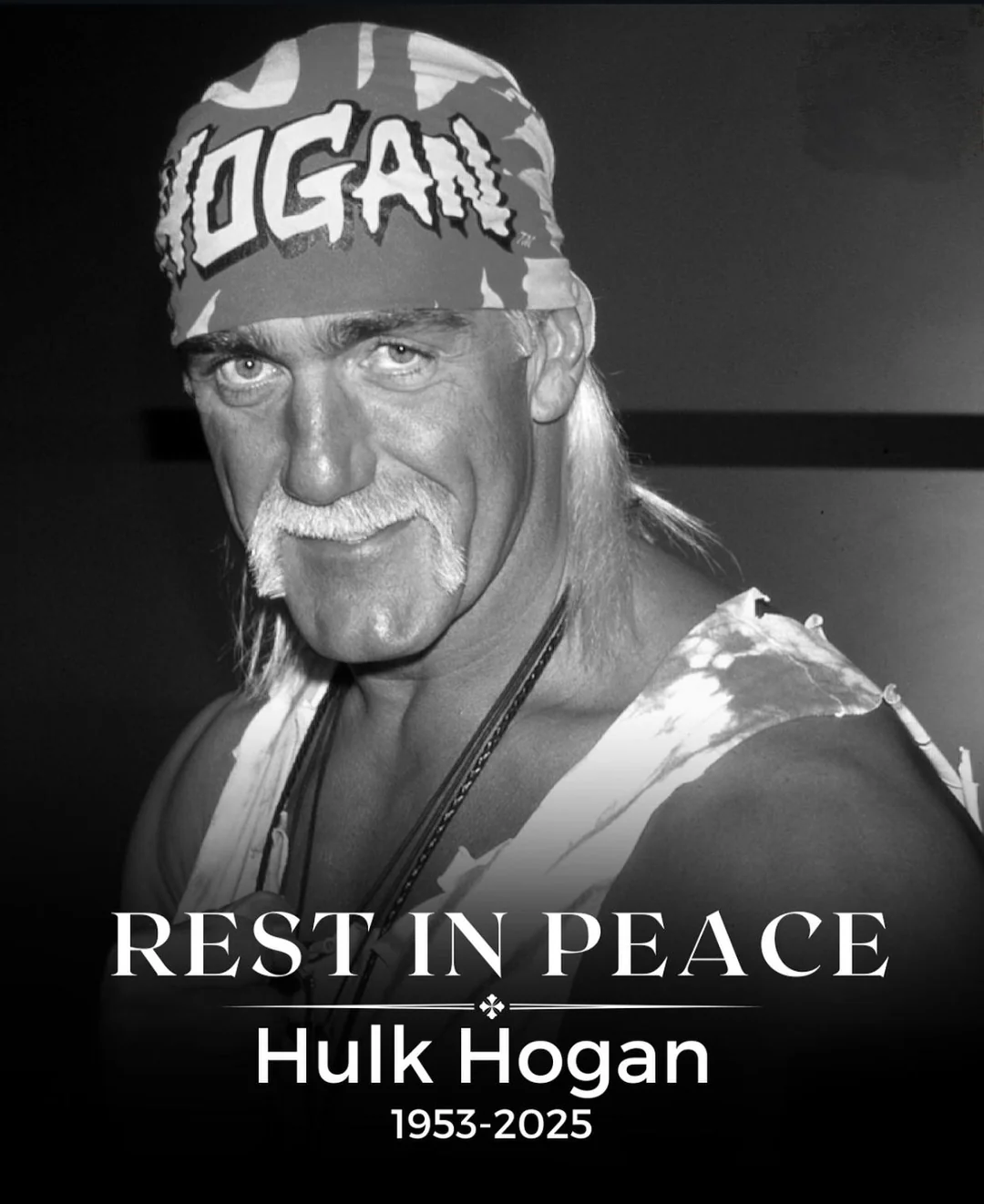
Holy crap. I will say though, he seemed to make it a lot longer than many of his colleagues did Macho Man, Miss Elizabeth, Bam Bam Bigelow, Razor Ramon, to name a few.


Amazing. I was there two weeks ago and pretended to be snoring.
😂😂 A Doge Treasury company. 🤡🌍


My guess would be less than 0.01% of all holders. It would be pretty sweet to be part of that group, that's for sure.

Some of what he says reminds me of what Andre Agassi said in his book "Open" after he won his first major title. I don't remember the exact words but it was something like "a dirty little secret I learned was that losing hurts more than winning feels good."


I love how they assert that there's no second best, yet by every observable measure that's clearly false.

Fantastic story, Scott. This is exactly the kind of stories that Canadians on the left side of the political spectrum need to hear more of to understand how Bitcoin is a force for good in the world.
And I don't know why my message is meeting flagged as sensitive - I guess Amethyst doesn't like the S word.

In part I remind myself that if I talk to the average person on the street if they've heard of Bitcoin, pretty much everybody has. Many will say they've heard of Ethereum. Far fewer will say they've heard of Solana, Ripple, Cardano, or Fartcoin or whatever other shitcoin.
I'm also reminded of something a friend told me a while back that stuck with me: back when the Internet protocol first took off, there were some people that came up with new ideas. When you asked what their idea was they'd say "it's like the Internet... but better". In my mind all the shitcoins are mostly solutions looking for a problem, and their main "selling point" is that "they're like Bitcoin... but better" - which is objectively nonsense. That's the message that I like to tell normies.

The land is unrelentingly nourishing. Go out, explore - let it replenish you!
https://video.nostr.build/2d75418e7026e8067d0c4065f26c45693c29707aab5c7492d74aa1705ed4cd66.mp4

Your dog always looks so happy. I love it!
How is the lubrication like with it? I have fairly sensitive skin and am prone to nicks when shaving. I use a decent single blade razor which is much better than the 5 blade nonsense that the shaving corporations sell (bought my razor from Supply), but still do get some cuts.

I made a short recap of the deficit situation. My first ever video meme. Enjoy:
https://www.captiongenerator.com/v/2310386/recap-of-the-deficit-situation
Genius! Well done Lyn I laughed the whole time.
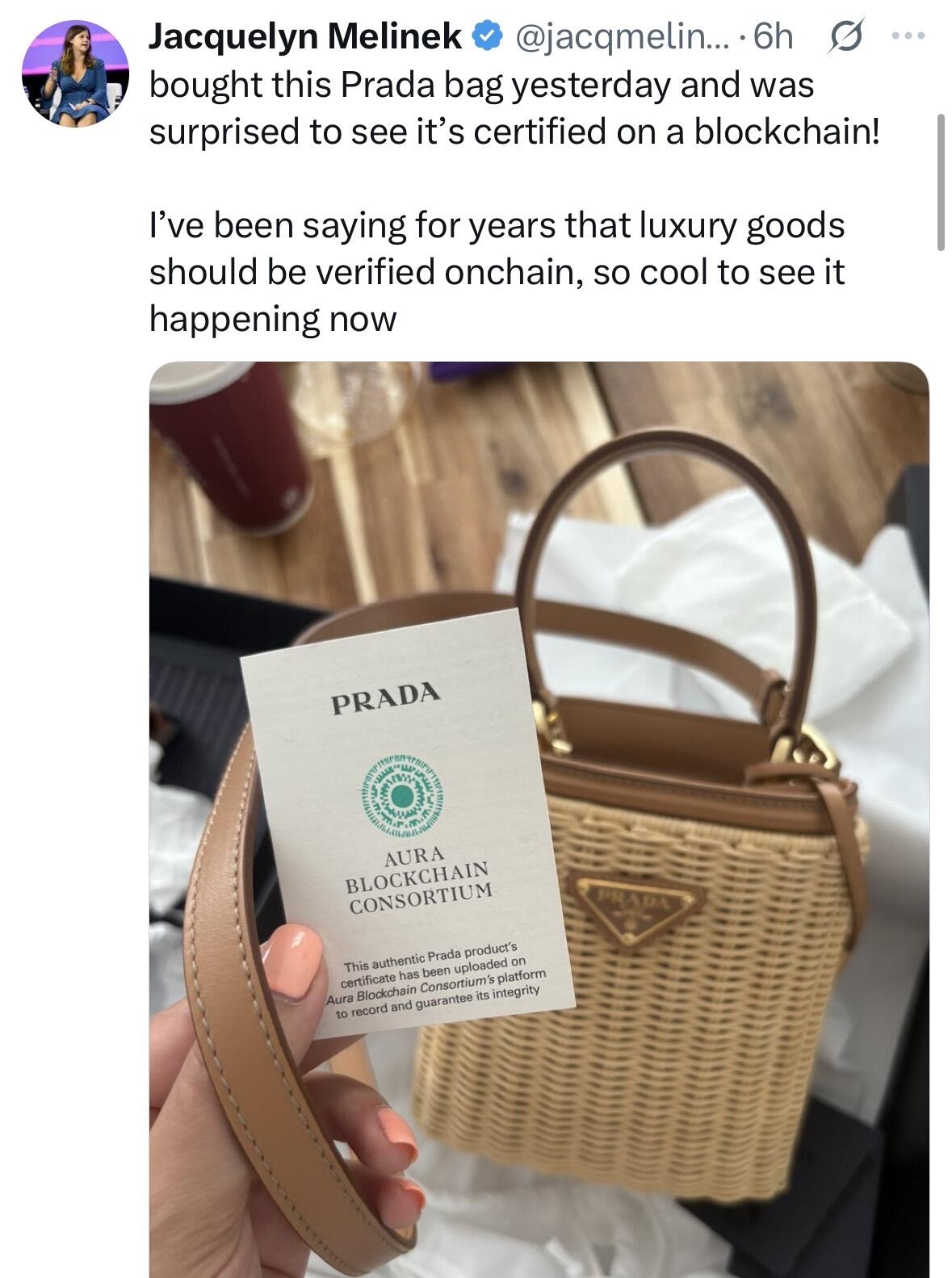
It's the 21st century version of a certificate of authenticity. Used to be a time where you'd buy some collectible, jewelry, etc and it would come with a certificate that 'proves" it's real and people would take that as "proof". Like seriously? If they're willing to fake the collectible/jewelry, they're willing to fake a paper certificate, or in this case fabricate a Blockchain out of thin air.
We made this video 3 years ago so haven't had a chance to post it here yet
But it still hits 👌
https://blossom.primal.net/7050fd702e0e43ffade3a3ed1902ab4280612283b62d6b3ed1c1474a26bd14dc.mp4
Great video. Sadly, citizens of developed nations are seeing more and more that their wages are stagnating while cost of living keeps rising all while wealth concentrates towards the already extremely wealthy. Obviously this is to a lesser extent than in the nations cited in the video, but nevertheless still a problem and a root cause of growing civil unrest.
I'll be sharing this video with those I know.

Comparing to the previous is a pretty low bar to be fair. I'll guess we'll see what this one does in the long run...

I think getting a tattoo about being either vaccinated OR unvaccinated is super cringe; neither is a personality trait. However, it's not for me to decide who gets what tattoo, so I'll just go on ignoring both.
Old people are the only ones I've ever seen driving Nissan Murano Convertibles, so there's that.
I remember these dumb drinks back in the 90s, made my Clearly Canadian (I tried one out of morbid curiosity, it was *not* good).


I find it ironic when normies say things like: "but isn't Bitcoin just created out of nothing?"
Ugh. Are people still going on with the whole purity thing? So cringey.
