Avatar
cnilson
1cb26aa1b3a2c4676e0dec6f69fc20e2f0978aa7e3afde006245975ee4d45b3d

Norinchukin Bank’s losses expected to grow to 1.5 trillion yen

#Bitcoin #chaos

https://www.asahi.com/ajw/articles/15311096

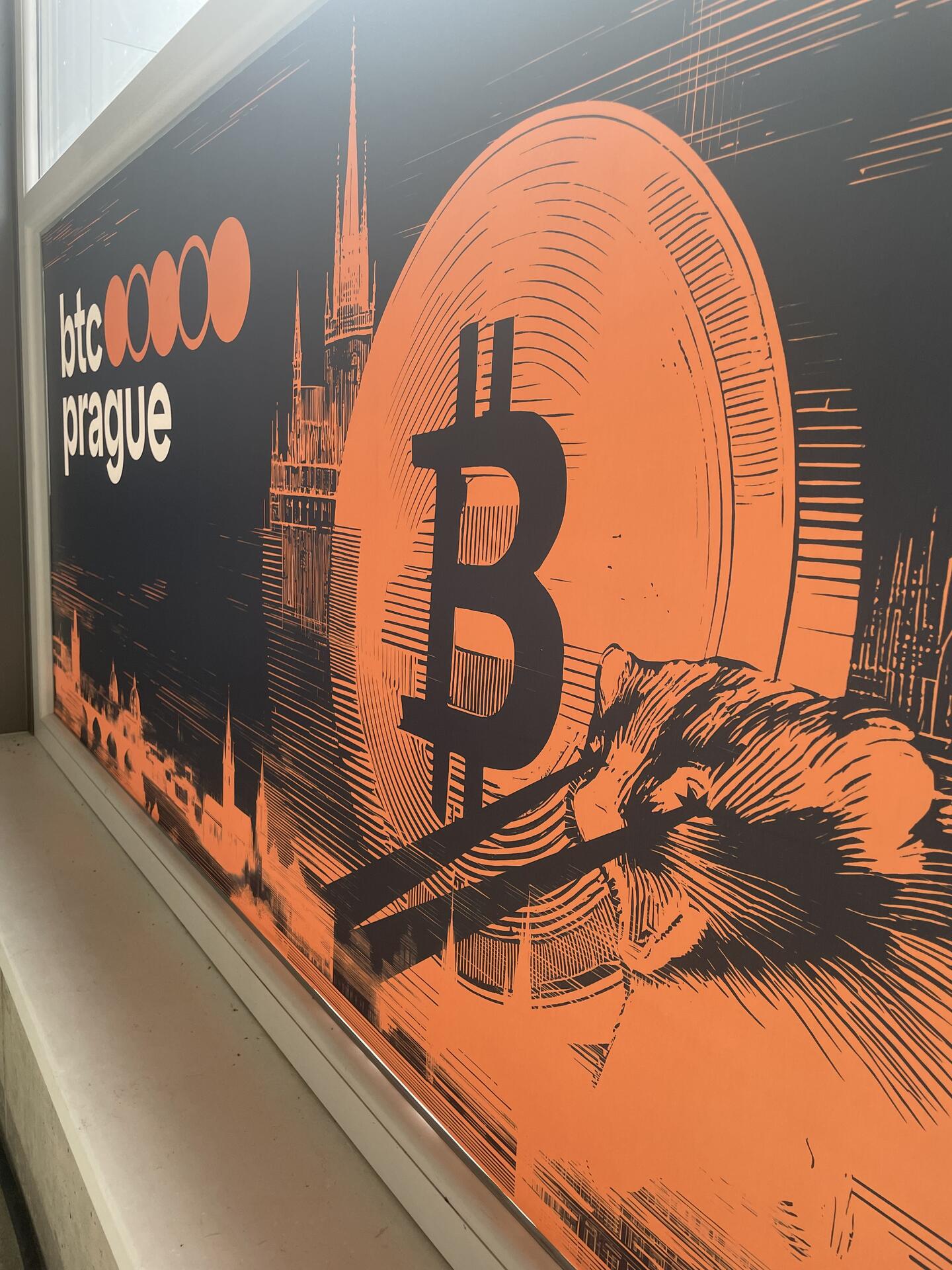
What a great time at #BTCPrague and #Superbacked

Michael Saylor gives inspirational speech at #BTCPrague

Chad is back in Prague #BTCPrague

Looking forward to attending #BTCPrague 2024 together with #superbacked and #sunknudsen. Hit us up if you’re interested in learning more about Superbacked secret management platform! superbacked.com
Chinese banks see largest withdrawals in history 👀👀

U.S. commercial banks hold €17T in customer deposits. FDIC insurance fund has €0.128T, or 0.0075%. Anyone have the total worldwide numbers? The world is waking up to the ticking debt clock and unfunded liabilities that can not be paid back, ever. https://usdebtclock.org/world-debt-clock.html

Senator Lummis (WY) argues against the DOJ’s hyper-aggressive argument against Non-Custodial Wallets, jeopardizes fundamental property rights. “Arguments against self-custody software threaten the fundamental property rights that are core to being an American,” Lummis wrote. “I will do everything I can to fight for your rights to hold your own keys and run your own node.”

https://news.bitcoin.com/wyoming-senator-slams-dojs-take-on-non-custodial-crypto-software-vows-to-protect-user-rights/

the FBI calls crypto money so they can arrest you for money laundering

the IRS calls it property so they can tax you on capital gains

the SEC calls it a security so they can sue every exchange

the CFTC calls it a commodity so you can’t use it as a currency

Credit: Crypto Tea

Hi. Yes, there likely is a tipping point. Where that is globally, is at best a guess. Arguably it already has happened in a handful of countries like Nigerian, Venezuela, and Lebanon. Two possibilities would be either a massive liquidity event with the U.S. or a gradual decline in the U.S. dollar.

Replying to Avatar Lyn Alden

A couple months ago I had a discussion with the head of digital assets at a multi-trillion AUM financial institution about the topic of whether bitcoin is a risk-on asset or a risk-off asset.

This wasn’t about what it is conceptually (i.e. globally portable finite bearer assets are conceptually good to own in a crisis, neither of us disagreed on this), but rather how its price would *actually* behave in a crisis currently and for the next several years.

Their view was that it could be marketed as a risk-off asset, meaning something that is likely to go up in a crisis, and that if marketed this way it would allow them to put bitcoin ETFs into more portfolios and weight it bigger.

My view was that while of course people should own bitcoin, it’s not yet a risk-off asset in practice in terms of price action, and that marketing it that way is likely to lead to disappointment for those that expect it to perform like that.

We then got into a discussion about how bitcoin went up in the March 2023 banking crisis. They suggested that this is evidence of emerging risk-off behavior, to their point.

I disagreed, and clarified that in my analysis the closest correlation to bitcoin price action is measures of global liquidity. Some types of crises are pro-liquidity and some are anti-liquidity, and will likely affect bitcoin’s price accordingly.

The March 2023 banking crisis was a pro-liquidity event because it was quickly apparent that the Fed/Treasury would bail banks out fast and slow their rate hikes. Therefore, bitcoin went up not because it was a risk-off asset per se, but rather because it behaved as a pro-liquidity asset as it frequently has.

The Iran/Israel event this weekend was an anti-liquidity crisis because it contributed to a flight-to-safety move toward the dollar (i.e. the unit of account for which the most debt is denominated in, and debt represents inflexible demand for that unit). A sharp move up in the dollar is bad for global liquidity because it hardens the debts of various foreign entities (sovereigns and corporations) relative to their cash flows (which are to varying degrees partially or completely denominated in fiat units other than the dollar). And so bitcoin behaved as it normally does: it went down amid falling global liquidity.

At this stage (with its relatively small size, high volatility, and poor understanding of most people for the asset), I continue to view bitcoin price action as likely to be pretty correlated with global liquidity for a while. Understanding that dynamic is helpful when communicating expectations to people and when determining which types of crises are likely to push its price up or down. Yes, bitcoin is a risk-off asset conceptually, but in practice in terms of macro price action it is still a pro-liquidity asset primarily.

When bitcoin price action starts to behave differently from that trend, I’d be happy to report on that observation.

Good analysis. There is also the obvious that the Bitcoin market trades 24/7 as is therefore easier to sell during a crisis. I wonder if there is a tipping point during a big crisis where Bitcoin does become risk-off.

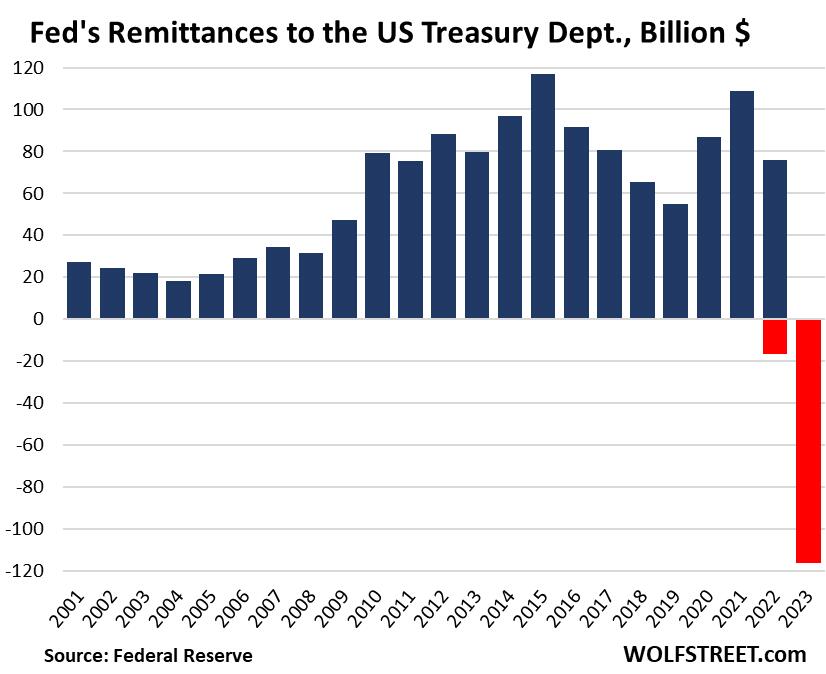
The U.S. Federal Reserve loses $114B, the third largest financial loss in history (beaten only by Lehman Brothers and Washington Mutual).

The Federal Reserve is neither Federal nor has any reserves. It is a private company, representing a banking cartel, with the sole purpose of turning the world’s debt into interest payments, recorded as dividends payable its bank owners.
Legarde can’t stop #Bitcoin

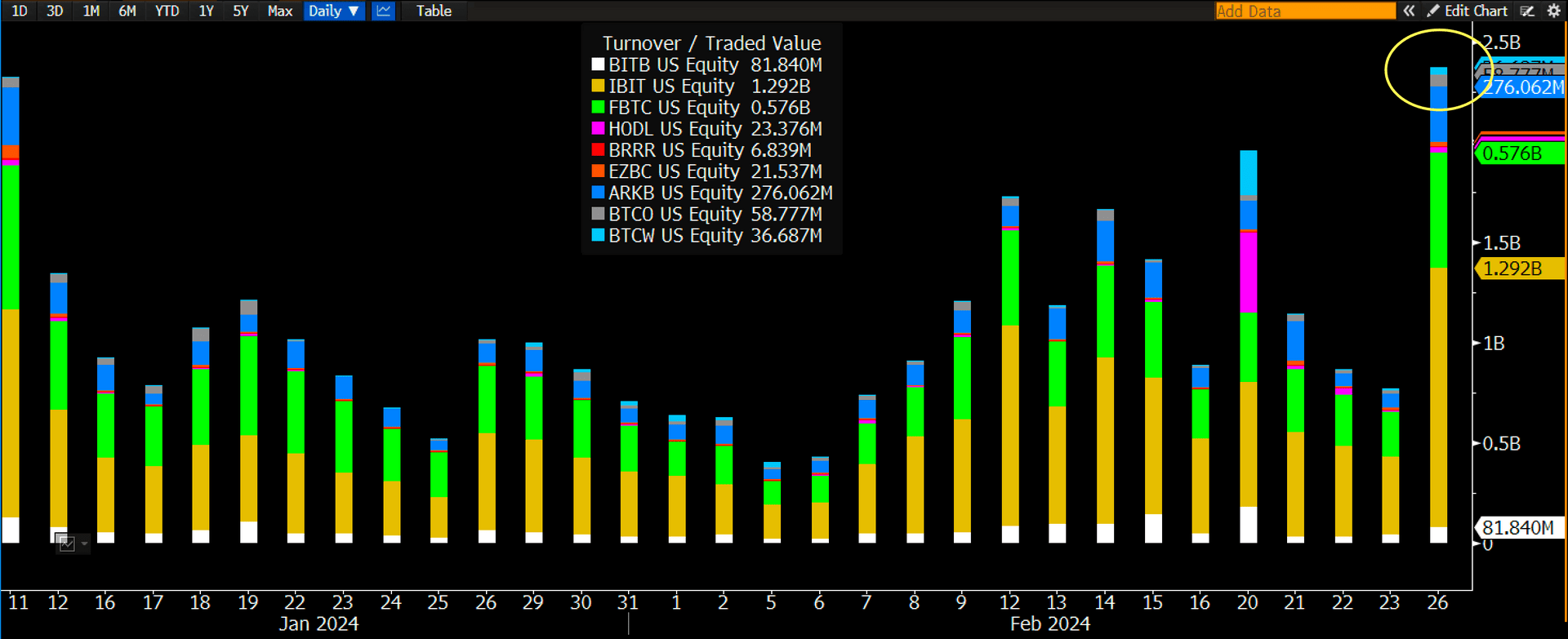
Vanguard CEO resigns after 33 years. Bezos hosts Saylor on private yacht after selling Amazon shares. Mr 100 moves to 1400. Genesis weak hands dumps 600M, price barely moves. Wall Street & banks FOMO. Supply shock coming 51 days.

Game theory playing out. 🤔

On our way. Thanks Gary! 😂
Will USDT be affected? Estimated 25% of USDT on the Tron network.. nostr:note14g57wgguv6qzvdxwu04taa8ldlwn7r3m3fmspste7wztu0xr06cq4rppe7