
The Fuqaha Sab'ah or the Top Seven Jurists of Madina which transmitted the most level of knowledge from the Sahabah in Fiqh and Hadith are the following:
1. Urwah Bin Zubair
2. Salyman Bin Yasar
3. Sa'eed Bin Musayyib
4. Al-Qasim Bin Muhammad Bin Abi Bakr
5. Abu Bakr Bin Abdurahman
6. Kharijah Bin Zaid Bin Thabit
7. Ubaydullah Bin Abdullah Bin Utbah
Point to note: they are all direct students of Aisha (R)!
“Investing” culture is a feature of colonization. “Which stocks/crypto is popping/ should I invest in?”
They debase your currency forcing you from being a simple saver to become an investor in their enterprise just so you give them back your money, so they can keep building their wealth and controlling grip over the world, while you take their 🥜
As Muslims we should instead be investing in institutional development, the Third Sector “Zakah, Sadaqah, and Awqaf, and children’s educati
How did the Hanbali School become an individual school?
It should have been that the Hanbali School be a part of the Shaf'ie school. Afterall Imam Ahmad was a prodigy student of Imam Shaf'ie and they had a very strong bond and great relationship. However there are many historical reasons why that wasn't the case. I will highlight just a few:
1. The Jami' of the Masail of Imam Ahmad: These are a collection of all of the position of Imam Ahmad as it relates to all kinds of fields in Islamic Sciences. A cursory reading into the Jami', one will clearly see that Imam Ahmad is performing Ijtihad (his own independent reasoning), unilaterally issuing fatwa or legal verdicts without an attempt to show that his reasoning goes back to his teacher Imam Shaf'ie. Also the sheer amount of Masail in this compendium also shows he was very independent in his judgments. These Masail were specifically and intentionally compiled after Imam Ahmad's demise, showing that there was a considerable following and there were students who valued and prized his statements.
2. The Mihna: Imam Ahmad's ordeal with the Mu'tazila and the Caliph Mamun led to "Celebrity" status. He was able to single handedly take down the authority of the Calpih on a matter that was completely based on speculative theology. This led to being championed by the people, effectively giving him raising him in status.
3. The Mufradat literature: These are other compendiums that were collected to show Imam Ahmad's independent reasonings in Fiqh. This was specifically collected and authored by later Hanabilah of the Early Period to dismiss the charge that Imam Ahmad wasn't a Faqih and also that he was just a Muqallid or follower of Imam Shaf'ie. These show how he went against the verdicts of previous Imam's and a justification for why these verdicts are correct based on Usul/Nusus (Legal Principles/Divince Texts).
4. The Hanbali School wasn't just a Fiqhi school that led to it becoming a madhab in Fiqh. It was also a school in theology and a very popular one at that. Speculative Theology (Kalam) was a movement that picked up, and those that rejected this school were from the Ahlul Hadith which were largely comprised of the Hanabilah. They were very vocal in their dismissal of Kalam. Of course Imam Abul Hasan Al-Ash'ari tried to merge the two schools (Mu'tazila and the Ahlul Hadith), which eventually became it's own school. Hanbalism as a creed is deeply rooted in Islamic History and takes different names. Also, Hanbali principles necessitate consistency in Aqida and Fiqh. If one is to stick to the Dhahir or Apparent meaning of a text in Aqidah, then it only makes sense that one would stick to this principle throughout in Fiqh as well, although in Fiqh we are to actualize and implement, so there is a toolset in place to help understand the Fiqh so as to implement it.
Lastly, the Fiqh lies in it's intellectual pursuit and the differences of positions of the Mujtahid Imam's (Abu Hanifa, Malik, Shafi'e and Ahmad) allow for this variety, by enforcing the future Faqih to learn this variety, underpinnings, reasonings, and cultural/historical contexts that gave rise to their positions. Fiqh is an all-encompassing field.
As Imam Shaf'ie said, "I study history so that I can inform my Fiqh"
Under the current system, people are even more poor and has caused more poverty. The gap between rich and poor is greater than ever before (Vivek Ramaswamy is incorrect in saying that capitalism has lifted more people out of poverty than any other system)
Social finance is completely based on Islamic Finance, and Islamic Finance is based on owning a property that generates value by a morally upright person
Unlike conventional finance which is an intermediation between savers and consumers [people who have money and people who want to spend money], Islamic Finance is based on the intermediation between suppliers and user AND between savers and investors [people who build, people who use, people who have money, and people who want to build using that money]. This does give rise to commodity murabaha
Islamic Finance is societal, developmental, environmental friendly, ethically committed, fair. It does this by ordaining upon Muslim that they should own useful things and create value
Speaking about Social Finance requires 6 points
1) Altruism through selfishness (want more reward, do good deeds) - Altruism is selfishness in Islam (which there is no similarity to this)
2) Giving to others is obligation (there is a minimum level)
3) Guaranteeing the rights of the poor (It is a core tenant of Islam that the community has an obligation to help the most needy) - the proof for this is in the saheefa of Madina (which is also called the constitution of Madina, but technically it is not a constitution, it doesn't fit the meaning of constitution)
4) Social Contribution is Fard Kifaya (Communal Obligation) - As long as there is a poor person, the whole community is obligated is to help, and the one's who are able to are individually responsible
5) Socio-Economic Solidarity: Hadith: "Take from the rich and give to the poor" showing we are all together
6) Property should not circulate among the rich (This is regarding the public sector, the private sector allows circular economy)
What is the "Third Sector?" Zakah, Sadaqa, Waqf, etc.
- Zakah: No congress can change this part of Islam, it's permanent, even if there are no poor people or the 8 categories, people are STILL required to pay it. It is only due on the wealth and income (unlike current tax, which is due on transfer of wealth as well and many other categories)
- Awqaf (Endowments) first waqf in Islam that was ever created was for drinking water funded by Uthman (R) when he bought the well from the Jew so everyone can drink from it. Its primary objective is for the poor and needy (and Hanabilah have the unique positoin that one can make a waqf for himself (called trust). Historically this unique "Third Sector" took care of many sectors which are now simply part of the nation-state public sector, inlcuding but not limited to civil sector, education, health, social work and assistance. It's cumulative through generations which makes it permanent. Historically 1/3 of turkey was a waqf, most of the land in Egypt was a waqf. It only disappeared once colonialism conquered Muslim lands.
"jOlAni HAs TiES tO AlQAidA"
What do you think America has ties to?
I honestly wonder how I've been sleeping peacefully all of these nights without knowing this.
May Allah punish the oppressors and give respite and justice and heal the oppressed.
If America and Israel knew where these weapons were, and are only NOW bombing them because "they're afraid that it might get into the wrong hands" then why was it in the hands of Asad?
To state it more plainly, America and Israel knew where they were and were allowing Asad to use it on the Syrians, but now that the Syrians are out of the clutches of Asad, they are now afraid that the truth will come to light.
May Allah destroy the oppressors.
If a restaurant serves halal food and alcohol, I would suggest, firstly for myself and then others not to be a patron.
Alcohol is forbidden
We need to start documenting the Israeli genocide here on NOSTR
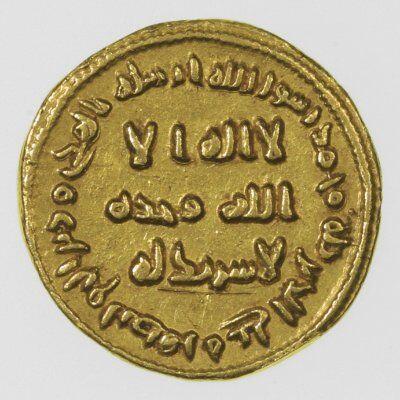
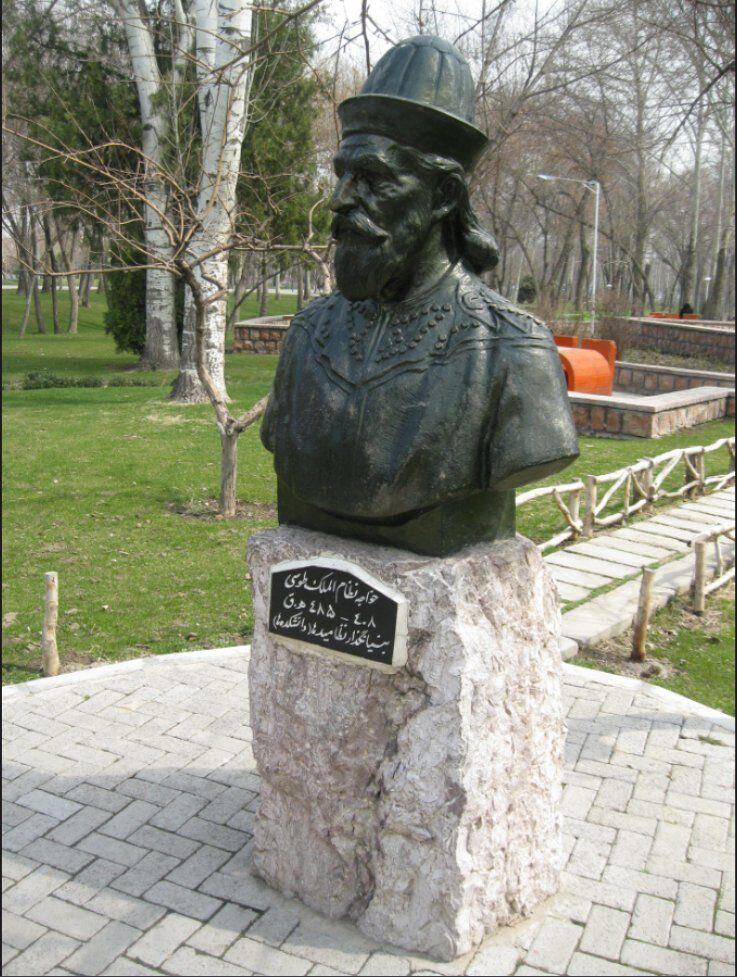
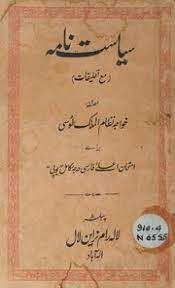
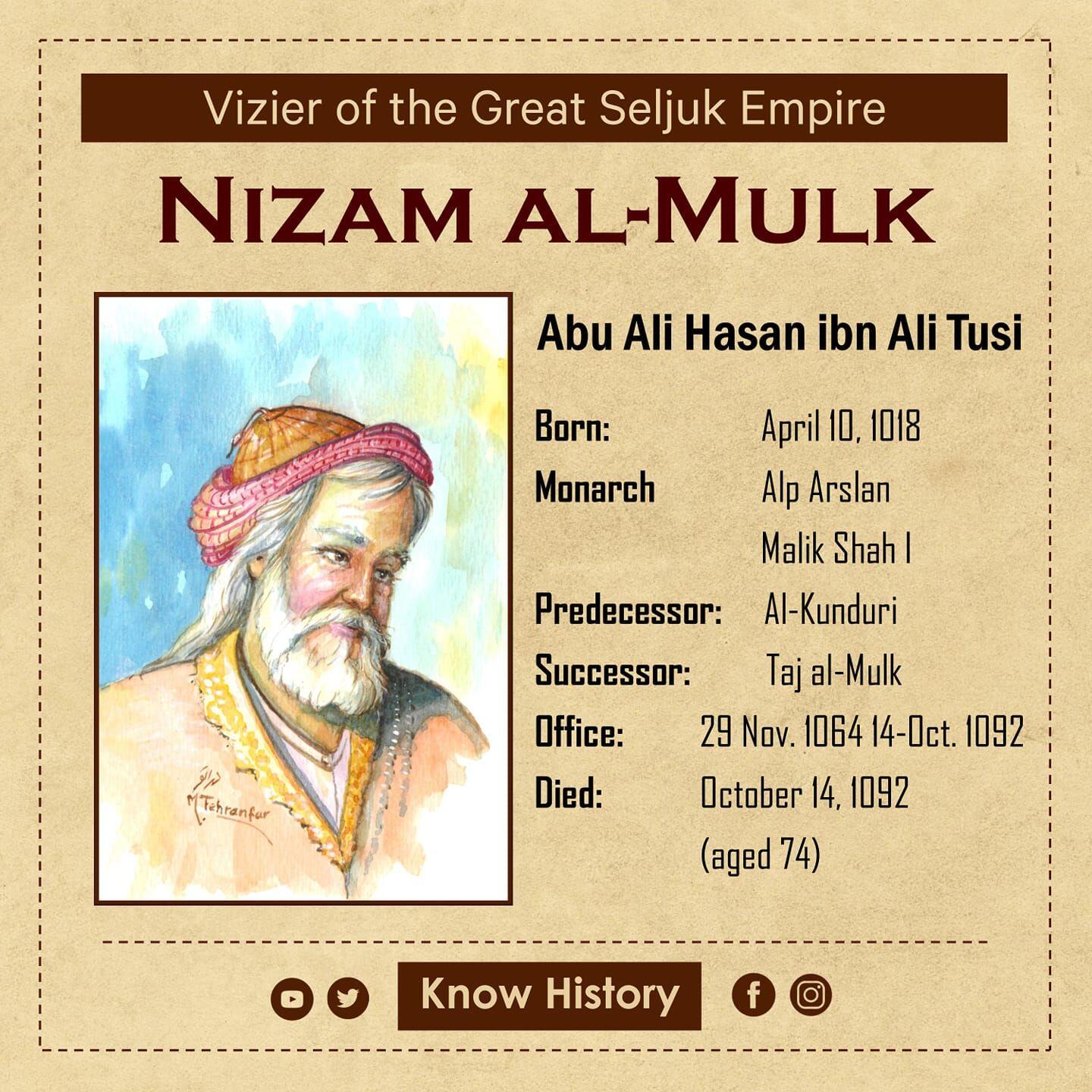
Where print? Which edition?
I was planning to read it as well, read parts of it
بسم الله