🫡 Been thinking about getting a 20 gallon tank and rescuing one from a store recently

Or release that Klingon brain bug thing on retail staff until the price matches Klingon honor levels.


If a merchant sets price too high it will go out of business. If too low, same result. Price is a tricky thing. I think sales are about getting new users for future upsell opportunities, or to get rid of stock of less popular products. I think very few retailers can get away with gouging but apple products always seem to be 20-30% away from an easy purchase 😅
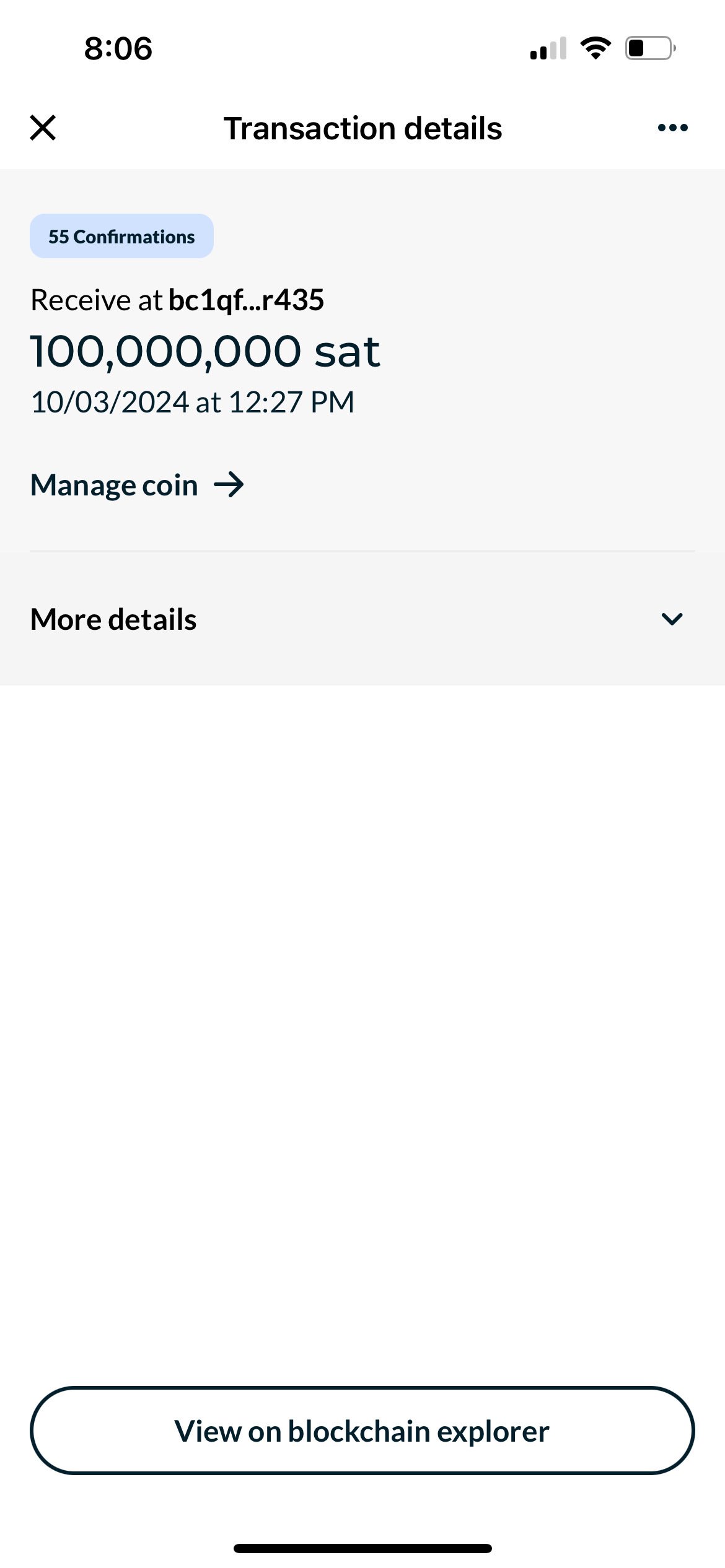
If it’s 10/21/2028 that’s cool too.
I really hope we get a covenant solution that allows the average user to control:
1. When coins can be spent (block height).
2. Number of sats that can be spent.
I feel that covers 80% of the self custodial anxieties.
Understand that we can’t control future fee markets but out of band transactions / accelerators cover any kind of fee constraint woes that could be a factor?

there’s a lot of talk about “covenants” but not a lot of understanding what that entails. lets do a little dive into how i think about the opcode proposals and how they relate to “enabling covenants on bitcoin”
what is a covenant?
great question. a covenant is the ability to specify what the transaction that spends your bitcoin must look like. for example, you could say “the transaction that spends this bitcoin must pay 500k sats to this address” or “the transaction that spends this bitcoin must have a locktime set to block 880,000”
in order to make these kinds of assertions in bitcoin transactions, you need the ability to find out what information is in the transaction that is spending an output. this information needs to be accessible when the script is running.
bitcoin script is a limited programming language that you use to write locks for bitcoin. one of the limitations is what data you have access to while the program is running.
so in order to write more “expressive” bitcoin scripts, which can say “one output must be to my address and pay 500k sats”, for example, you need to be able to look at the outputs on a transaction.
this ability to look at the info on a transaction is called “introspection”. being able to introspect a transaction is a big missing piece in bitcoin. adding introspection enables you to write covenants.
so how do you get introspection in bitcoin script?
you have to add a new opcode for it. in fact, we’ve added two opcodes to bitcoin that enable introspection already: op-checklocktimeverify (op-cltv) and op-checksequenceverify (op-csv)
these look at the locktime/sequence of a transaction and require a certain value to be set in order to be valid. they were added in order to enable lightning, which uses both op-cltv and op-csv to make “primitive” covenants. these were added to enable LN, to help scale bitcoin.
today you could write a bitcoin script that asserts “the transaction that spends this bitcoin must have a locktime set to block 880,000”. you’d use op-cltv to make that script, and any coins locked to that script wouldn’t be spendable til block 880,000.
there’s no way to look at the output fields in a transaction though. you cant write a script that requires funds to go somewhere, you’d have to use presigned txs (like how lightning does) to make that kind of assertion.
ok so the goal of introspection is to let you look at what information is in a transaction that’s spending a bitcoin output. we can do this already with op-cltv and op-csv. but this is limited just to timelocks, and doesn’t let us make assertions about outputs, or other inputs.
in the next post i’ll talk about how the current opcode proposals (op-ctv, op-txhash, op-tx, op-cat) work and how they enable more broad tx introspection !
if you found this interesting, check out nostr:npub1vmpf90hq56wzyxht6teg3llpa74rzcepw9suj5unxl3tph24zd4qgtxhm7 and our classes on bitcoin transactions!
Great explainer. Does any wallet implement access to CLTV for the regular user? I don’t think so but maybe Nostr knows.

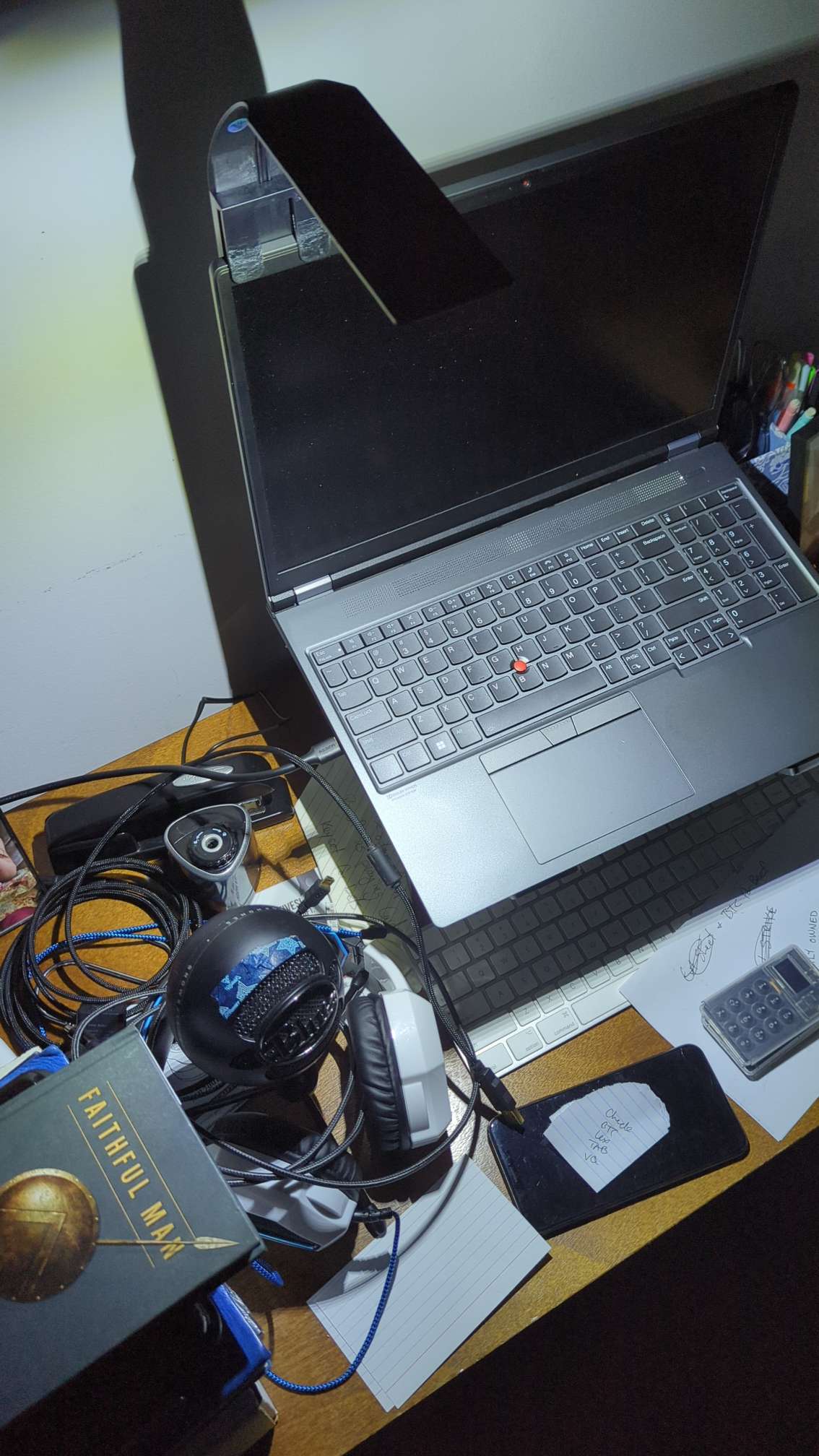
Looks like you have some great prints!
Trying out Qubes vs my regular Ubuntu. Less intimidating than I expected.
We keep hearing that “clear regulation” is what unlocks bitcoin adoption or number go up. What does “regulation” mean specifically, tax laws?, KYC, accredited investor gates? Geographical restrictions and barriers. Sounds like regulation does the exact opposite of promoting adoption.
Home is where the hash rate is


Agree, whether it’s OGs selling for a well deserved fiat retirement, or big players finding coins OTC, one or two months more before a major shift happens.

Good listen, some interesting perspectives on how comfortable the average hardware user is - “we’re still early”


I don’t really get why Satoshi’s identity has an impact on US presidential candidates.

Pump piece for the ETFs, in some ways it’s pretty crazy some reputable bitcoiners will get an audience on HBO to educate no coiners.