🌊 SURF 'N TURF 🏝️
-THE ISLAND LIFE-
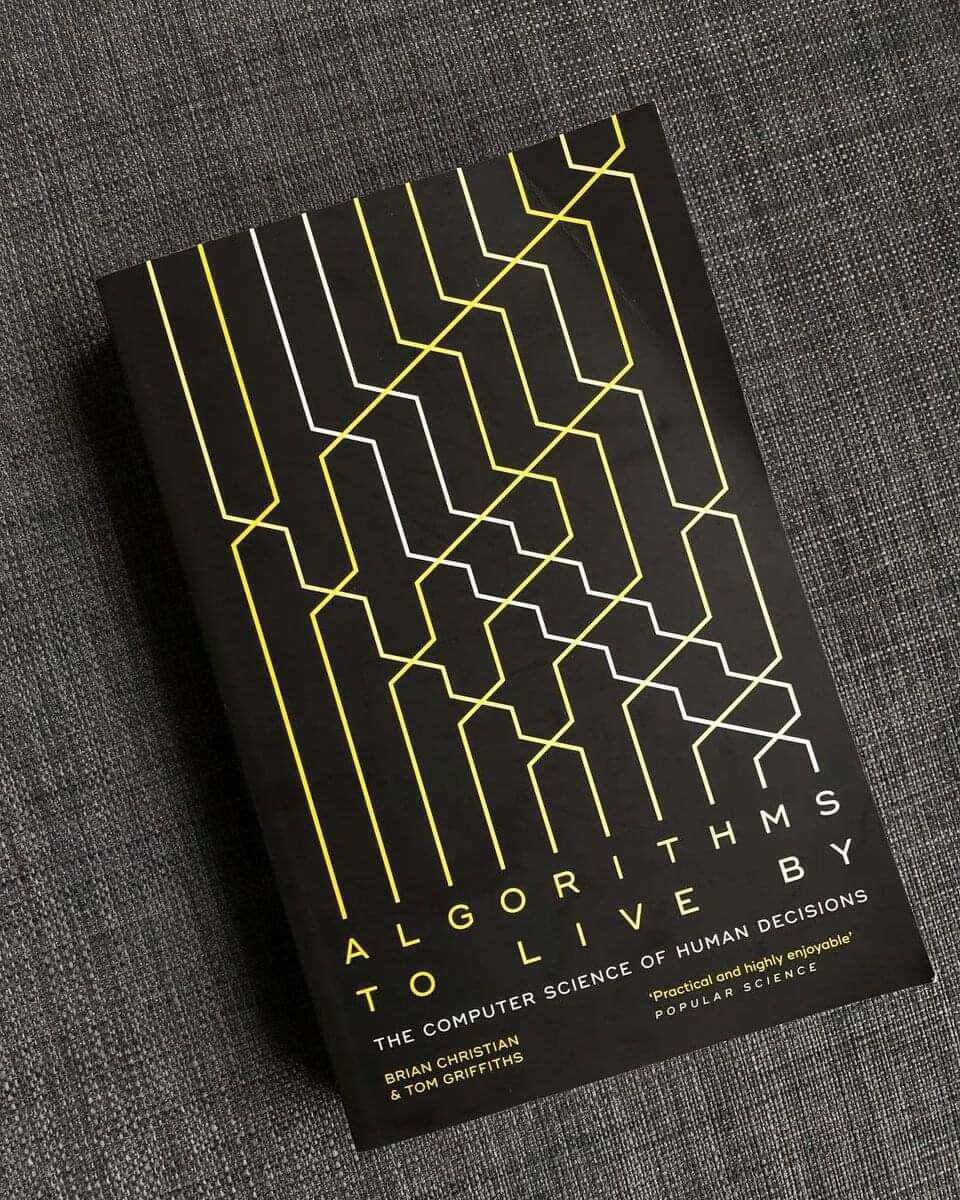
"Algorithms to Live By: The Computer Science of Human Decisions" by Brian Christian and Tom Griffiths explores how algorithms can inform and improve our decision-making processes in everyday life. The book bridges the gap between computer science and human behavior, providing insights into how principles of algorithms can be applied to various aspects of life. Here are ten key lessons and insights from the book:
1. Optimal Stopping Problem: One of the central concepts discussed is the "optimal stopping problem," which deals with the decision of when to stop searching for the best option (such as a job or a partner). Christian introduces the "37% rule," suggesting that after evaluating about 37% of available options, individuals should choose the next option that is better than all the previous ones, as this maximizes the chance of making a good choice.
2. Exploration vs. Exploitation: The book delves into the dilemma of exploration (trying new things) versus exploitation (choosing the best-known option). Christian explains that balancing these two approaches is crucial for effective decision-making. He discusses strategies like the "multi-armed bandit problem," which helps in making choices that maximize rewards over time by balancing exploration and exploitation.
3. The Power of Randomness: Christian highlights how randomness can be a useful tool in decision-making. By incorporating random choices, individuals can break patterns, reduce regret, and discover new options that may not have been considered otherwise. Randomization can lead to unexpected positive outcomes.
4. Game Theory and Cooperation: The authors explore concepts from game theory, particularly the idea of cooperation in competitive environments. They explain the importance of trusting others and collaborating to achieve mutually beneficial outcomes, illustrating how cooperation can lead to better results than purely competitive strategies.
5. The Role of Heuristics: The book discusses heuristics, or mental shortcuts, that people use to make decisions quickly and efficiently. While heuristics can lead to biases and errors, they are often necessary for navigating complex choices. Christian emphasizes the importance of understanding when to rely on heuristics and when to use more systematic approaches.
6. Bayesian Thinking: Bayesian reasoning is introduced as a method for updating beliefs based on new evidence. The authors illustrate how individuals can use Bayesian principles to make better decisions by continuously incorporating new information and adjusting their expectations accordingly.
7. Scheduling and Time Management: The book offers insights into algorithms related to scheduling and time management, such as the "Shortest Job First" algorithm. Christian explains how prioritizing tasks based on their duration can enhance productivity and efficiency, encouraging readers to apply these principles in their daily lives.
8. The Complexity of Choices: Christian discusses the paradox of choice, highlighting how having too many options can lead to decision paralysis and dissatisfaction. He advocates for simplifying choices and focusing on what truly matters, as this can lead to more satisfying decisions.
9. Learning from Mistakes: The authors emphasize the importance of learning from past decisions and mistakes. By analyzing the outcomes of previous choices, individuals can refine their decision-making processes and avoid repeating errors, ultimately leading to better future choices.
10. Applying Algorithms to Everyday Life: Throughout the book, Christian encourages readers to see the relevance of algorithms in everyday decision-making. By applying principles from computer science to personal and professional choices, individuals can improve their ability to make informed, rational decisions in various contexts.
"Algorithms to Live By" by Brian Christian and Tom Griffiths offers a compelling exploration of how algorithmic thinking can enhance decision-making in everyday life. By integrating concepts from computer science, psychology, and game theory, the authors provide practical insights and strategies that readers can apply to improve their choices, balance exploration and exploitation, and navigate the complexities of decision-making with greater confidence and clarity.
Credits goes to the respective
Author ✍️/ Photographer📸
🐇 🕳️
#Bitcoin #Satoshis #Freedom #Apocalypse #Music #Movies #Philosophy #Literature
#Grownostr #Stoicism #Nature
APOCALYPSE ANONYMOUS by
ATOSHI ANARKOMOTO











 ?cid=9b38fe9168o5qh5sef3glz6hg43ibqrswl3q29k5oj12s6r6&ep=v1_gifs_search&rid=giphy.gif&ct=g