

why we sleep is probably the most impactful book i’ve come across for health and performance improvement.
any non-fiction as the fifth pick on your list?



couldn’t this pow concept (awesome!) be applied generally across nostr relays/ clients to fight spammers?
sorry for the confusion. i was referring to your idea that today’s economy pushes creators to copyright their ideas. if someone decided to make their IP open (noble), the options to make a living seem limited. curious if there are alternative models (value-for-value?) that could create a win-win scenario.
thanks for the sunday mind stretching:)

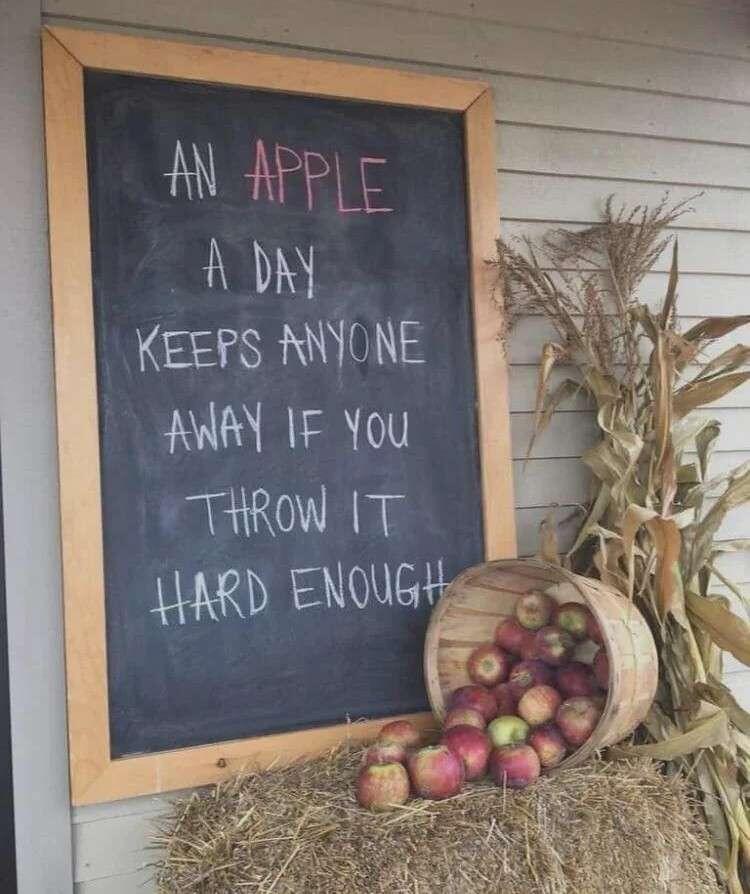
> good ideas are more valuable for society the faster they spread and the cheaper they are to put into use.
that’s a great insight and a very true diagnosis. it’s also why open source is so important.
do you know concepts (besides communism) trying to solve this “noble, but hungry” dilemma?

The world is being built on GitHub repositories.
nostr:npub1h6s2fyu5f08v9066ux4n8urs84mu2mngz6d5fntju9nwrfta0ywqcc3jtk
#Nostr #Web3 #Twitter #Bitcoin #blockchain #Economy #BBA #BritishBlockchain #Nostrplebs #Crypto
in foss we trust

nostr:npub1s5yq6wadwrxde4lhfs56gn64hwzuhnfa6r9mj476r5s4hkunzgzqrs6q7z did a podcast with some real estate guys. You would get loads out of it - https://fountain.fm/episode/7ovlx4k5tHFFl9OKhBWV
thanks!🙏
perceived value is THE value…?
#bitcoin and real estate - what are the opportunities/ unsolved problems? (except property tokenization)
#asknostr

banks are fat, slow, and broken, but it’s the regulators who make the mess. banks might even be happy to cut their kyc costs and increase their margin…


Levels of Energy by Frederick Dodson, Alan Watts Books, The creature from Jekyll Island, 21 Ways by nostr:nprofile1qqsxu35yyt0mwjjh8pcz4zprhxegz69t4wr9t74vk6zne58wzh0waycpzamhxue69uhhyetvv9ujumn0wd68ytnzv9hxgtcpz4mhxue69uhhyetvv9ujuerpd46hxtnfduhsz9thwden5te0dehhxarj9ehhsarj9ejx2a303dstl2
21 ways is really good!
ux is multilayered. it’s not only about how we use things but also how we interpret them.
nostr:note1npyyvz055z3jzzy3g8llgq90lrvm7hrzm4mhjnh8h9gqwwycu28q42u50t

What nostr:npub1az9xj85cmxv8e9j9y80lvqp97crsqdu2fpu3srwthd99qfu9qsgstam8y8 said in the latest Bitcoin.Review pod really reasonated with me
Something along the lines of “if you make hardware wallet UX too easy, people will not grasp the importance of self-custody”
It was using a Coldcard for the first time that I realized that this was serious business.
Make it too seamless and people won’t differentiate between self-custody and holding their wealth in an exchange wallet.
💯

usually, i use primal with its LN wallet, but testing nostur right now (with no wallet declared). zapping still work? ⚡️
#asknostr