

#history #freespeech #authoritarianism #bitcoin #nostr #anarchyⒶ

Good Morning

#goodmorning #bitcoin #nostr #anarchyⒶ #decentralisation #freedomtech
MicroStrategy Makes Record $4.6 Billion Bitcoin Purchase, Largest Yet
#saylor #bitcoin #nostr #anarchyⒶ #decentralisation #freedomtech

#beer #bitcoin #nostr #anarchyⒶ
Polish presidential candidate pledges support for strategic Bitcoin reserve
#bitcoinpledge #strategicbitcoinreserve #polishpresidentialcandidate #bitcoin #nostr #anarchyⒶ
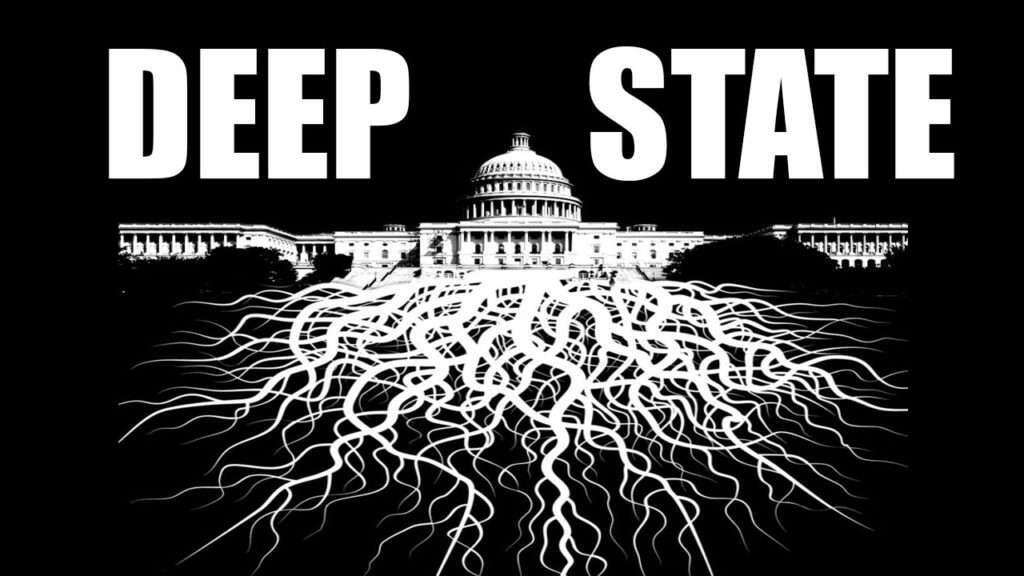
A hypothetical argument...
Donald Trump was removed in 2020 and Joe Biden was installed to implement unpopular policies aligns with a critical, radical perspective on the influence of elite power structures, such as the "deep state," corporate lobbies, and the military-industrial complex. This narrative would now expand to include Trump's anticipated return in 2025 following his 2024 election victory, offering a complex view of cyclical elite control.
Hypothesis
1. Biden’s Term as a Bridge for Elite Agendas:
- Biden's presidency has been described as an extension of neoliberal and globalist policies, focusing on corporate consolidation, military spending, and a return to internationalism. Critics argue this benefited defense contractors and pharmaceutical giants while sidelining populist concerns like inflation and economic inequality.
2. Trump’s First Presidency as a Threat:
- Trump's populist rhetoric, though inconsistent in policy, symbolized a challenge to traditional power structures, including military interventions and globalist trade practices. His opposition to NATO spending and critique of the intelligence community made him a disruptive force, leading some to argue his defeat was facilitated by elite interests.
3. Trump’s Return in 2025:
- Trump's second term is framed as a rejection of these elite agendas, with promises of reducing foreign entanglements (e.g., peace talks for the Ukraine war) and reasserting "America First" policies. His cabinet choices, including figures with skepticism toward established health and environmental policies, signal a shift away from institutional consensus.
---
Critical Reflection
This scenario posits that both presidencies are tools in a broader strategy by entrenched power structures to alternate between "stability" and "disruption," ensuring the continuation of elite influence. While Trump’s return may be marketed as populist redemption, critics might view it as a recalibration of elite strategies rather than a genuine break from systemic control. The ongoing presence of bipartisan policies benefiting corporations and the military-industrial complex reinforces this view.
#hypothesis #deepstate #authoritarianism #history #bitcoin #nostr #anarchyⒶ
With Trump taking the seat there's an ideological shift happening that even Chatgpt is unsure what it can and can't say.

#chatgpt #history #authoritarianism #pause #reflect #bitcoin #nostr #anarchyⒶ #decentralisation #freedomtech
GM 
#goodmorning #bitcoin #nostr #anarchyⒶ

#history #freespeech #authoritarianism #bitcoin #nostr #anarchyⒶ
3 years before covid hit Moderna had patented a bio technology that's a key tool in the covid makeup
What Jessica Rose Knows
https://www.youtube.com/watch?v=Bmwp9gkPQhs
#history #freespeech #authoritarianism #covid #bitcoin #nostr #anarchyⒶ
The CIA, Charles Manson & The Secret History of The 60's! w/ Tom O'Neill
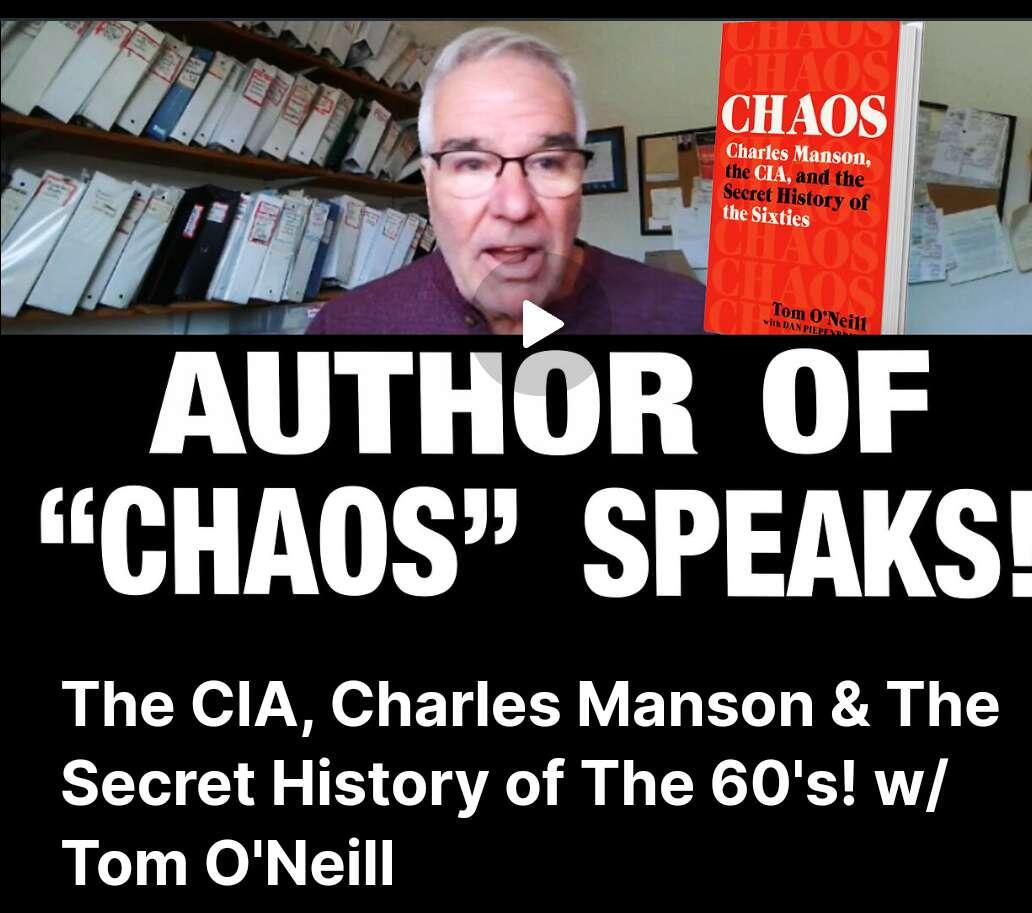
#tomo'neill #cia #manson #hippies #socialengineering #psyops #bitcoin #nostr #anarchyⒶ
Was Manson created to sabotage hippy movement? 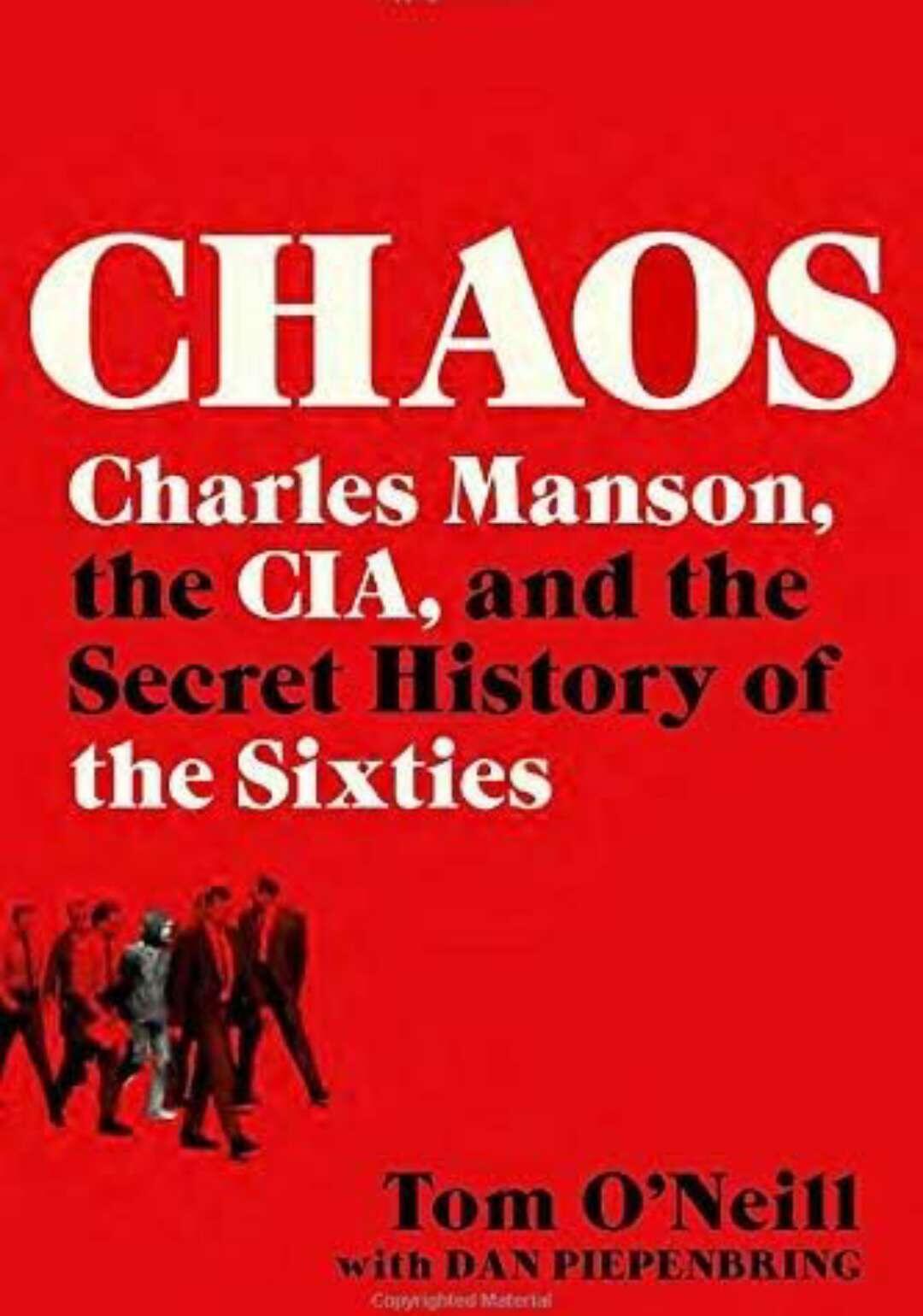
#history #charlesmanson #cia #fbi #hippies #sabotage #bitcoin #nostr #anarchyⒶ
#authoritarianism #history #freespeech #bitcoin #nostr #anarchyⒶ #decentralisation #freedomtech
GM 
#goodmorning #bitcoin #nostr #anarchyⒶ #decentralisation #freedomtech

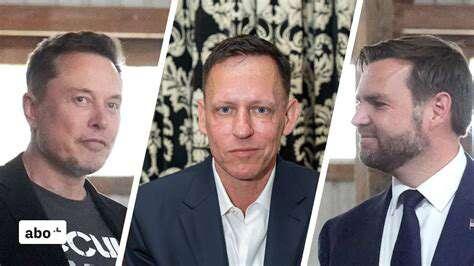
Peter Thiel, a billionaire entrepreneur and co-founder of Palantir, maintains a complex relationship with Donald Trump, JD Vance, and U.S. intelligence agencies. Thiel was an early supporter of Trump in 2016, donating over $1 million and endorsing him publicly. However, he expressed dissatisfaction with the Trump administration, later reducing his financial contributions. Despite this, his influence remains notable due to his backing of populist Republican candidates, including JD Vance, now Trump's 2024 running mate. Thiel’s financial contributions to Vance’s 2022 Senate campaign, amounting to $15 million, were pivotal in securing his win and aligning him closer to Trump.
Thiel's role extends into national security and surveillance through Palantir, a data analytics company initially funded with support from CIA venture capital. Palantir works closely with U.S. and allied defense agencies, processing vast amounts of data to uncover patterns related to security threats. This connection underscores Thiel's influence in intertwining technology, governance, and political strategy.
JD Vance, Thiel’s protégé, shares Thiel's skepticism of establishment institutions and has mirrored some of Trump’s policies, such as advocating aggressive military actions and prioritizing border security. His selection as Trump’s running mate suggests a strategic alignment to appeal to Thiel’s libertarian-leaning yet pragmatic conservative donor base.
Critics argue that Thiel's involvement raises concerns about the deep entanglement of private tech enterprises, political ambitions, and intelligence agencies. His connections with Vance and Trump's campaign amplify fears about the use of surveillance technologies like Palantir to influence political landscapes, potentially bypassing public accountability.
#history #authoritarianism #bigtech #surveillanceindustrialcomplex #bitcoin #nostr #anarchyⒶ

Very ironic

Peter Thiel's Misadventures... 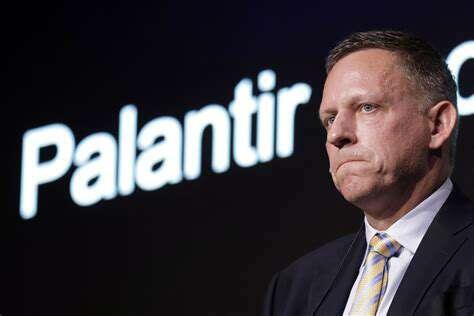
Peter Thiel's involvement with several high-profile companies, including PayPal, Palantir, Facebook, and others, has drawn both admiration and sharp criticism. Below is a critical overview of these companies and their broader societal implications.
---
### **1. PayPal: Digital Payments and Surveillance**
Co-founded by Peter Thiel, PayPal revolutionized digital payments but also paved the way for significant financial centralization and surveillance.
- **Positive Contributions**: PayPal made global online transactions more accessible and established the foundation for e-commerce.
- **Criticisms**:
- **Financial Censorship**: PayPal has been criticized for freezing accounts arbitrarily, often targeting activists or organizations based on vague terms of service. This raises concerns about the abuse of centralized financial power.
- **Surveillance Concerns**: PayPal’s data-sharing with financial and intelligence agencies under the guise of anti-terrorism and anti-money laundering laws suggests a deep entanglement with state surveillance.
---
### **2. Palantir: The Backbone of Surveillance**
Palantir, also co-founded by Thiel, specializes in data analytics and surveillance for governments and corporations.
- **Key Role**: It provides tools used by intelligence agencies like the CIA and police forces globally for tracking individuals and identifying patterns.
- **Criticisms**:
- **Mass Surveillance**: Palantir’s involvement in controversial programs like predictive policing has drawn ire for enabling racial profiling and potential civil rights violations.
- **Weaponization of Data**: Palantir's software has been used in military operations, including in Ukraine, further blurring the line between corporate innovation and wartime intelligence.
---
### **3. Facebook (Meta): Monopolistic Practices and Privacy Violations**
Thiel was an early investor in Facebook, which became a dominant force in social media but has faced scrutiny for its business practices.
- **Achievements**: Facebook redefined global communication and advertising.
- **Criticisms**:
- **Privacy Breaches**: Facebook’s repeated data privacy scandals, such as the Cambridge Analytica affair, highlighted systemic abuses of user data.
- **Manipulation**: Algorithms designed to maximize engagement have been linked to the spread of misinformation, polarization, and mental health issues.
---
### **4. Clearview AI: Facial Recognition and Privacy Erosion**
Thiel-backed Clearview AI has advanced facial recognition technology, claiming it can identify nearly anyone with its vast database of images.
- **Key Role**: Used by law enforcement and militaries, such as during the Ukraine war.
- **Criticisms**:
- **Privacy Invasion**: Clearview AI scrapes billions of public images without consent, leading to widespread criticism and legal challenges.
- **Misuse of Technology**: Critics fear its tools could be exploited for authoritarian control, surveillance of dissidents, or even trivial matters like identifying individuals at protests.
---
### **5. Other Ventures: Anduril, Founders Fund, and More**
Thiel’s influence extends to companies like Anduril, a defense contractor, and Founders Fund, a venture capital firm.
- **Anduril**:
- **Achievements**: Advances in military technology, such as autonomous drones, have significant strategic value.
- **Criticisms**: The company’s AI-driven tools fuel concerns about automation in warfare and the ethics of "killer robots".
- **Founders Fund**:
- Thiel's venture fund supports innovative but controversial companies like SpaceX and Palantir, emphasizing profit over ethical concerns.
---
### **Critical Summary**
Peter Thiel's companies have undeniably advanced technology but often at significant societal costs. These ventures highlight recurring patterns of:
1. **Privacy Erosion**: Many of Thiel’s companies profit from invasive technologies that prioritize data collection over user consent.
2. **Centralization of Power**: Despite his libertarian rhetoric, Thiel's ventures often concentrate control in corporate and state hands.
3. **Ethical Ambiguity**: Thiel's firms have enabled technologies that can be weaponized against marginalized communities, fostering surveillance states or exacerbating societal inequalities.
Thiel’s legacy underscores the risks of unchecked innovation, particularly when corporate ambitions align with government interests to prioritize surveillance, control, and profits over democratic accountability.
#peterthiel #history #authoritarianism #freespeech #pause #reflect #bitcoin #nostr #anarchyⒶ #decentralisation #freedomtech
