
Yes, I do. I post a lot of pictures👀

紫水晶这么少,月流量消耗我得去看看😂

nostr:npub19pj6f0nc9q6xr26qe3g8m6xe3hwe0d6p6zcvf57cm3kayghjdj0slnlenu and I are looking for a funny movie to watch tonight. Hit me with your best, single recommendation. Bonus if it's Halloween-themed. Will zap. ⚡
Coco



Damus uses 9.8GB of space on my iPhone. Are my files, pictures, and posts cached locally? Does this happen to everyone?


Each time you open the client, you need to wait for the connection to the relay. The client remains blank. Often, the relay connection fails, and the home page is blank. This is a very confusing problem for ordinary users who are used to traditional apps.
I'm not sure if I'm the only one having these problems. I used all 19 relays for free. It is often encountered that only 4 or 5 relay can be successfully connected, resulting in the local post data is not the most complete, which may be the difference in the data stored by each relay. It will take several restarts to connect more relay successfully.
Every time I open the client, the client will pull all the data from the relay, which causes my 5G traffic data to be consumed very quickly. Traditional servers only need to pull the latest information, but not all information. For example, I consume less data when I use Twitter. In fact, the data of Nostr does not need to consider the modification of historical data, because it cannot be deleted. Can we consider only pulling the latest data each time we obtain data?
If the client is used for a long time, no post will be sent, and the relay network will be disconnected during the use. A reboot is often required.
In the same environment of Wi-Fi and 5G, sometimes there are more and sometimes fewer connected relays. If ordinary users only use a few free relay, posts, comments, zap and other data will be displayed incomplete, which will make users have a sense of anxiety about losing information. This is something traditional apps don't need to consider.
These are all the experience problems I have encountered. I don't know whether it is because of the connection and communication technology of relay. It is hoped that this part of the communication connection problem can be well solved, so that the client can bring better experience to ordinary users.


The relay should be kept simple enough, if the relay has too many operations it will be the beginning of a review. Content classification can add new Nips, and content guidance and community building should be handed over to the client.
The most important problem now is that the communication between the client and the relay is too slow and loses data, and needs to pull all the data every time. It is not like the traditional server client, which can make the user feel no sense of the network connection and can be used smoothly. If the client and relay can communicate and pull data optimization to seamless connection, it is a huge improvement in user experience. This is probably the most important issue for more ordinary people to use and join.


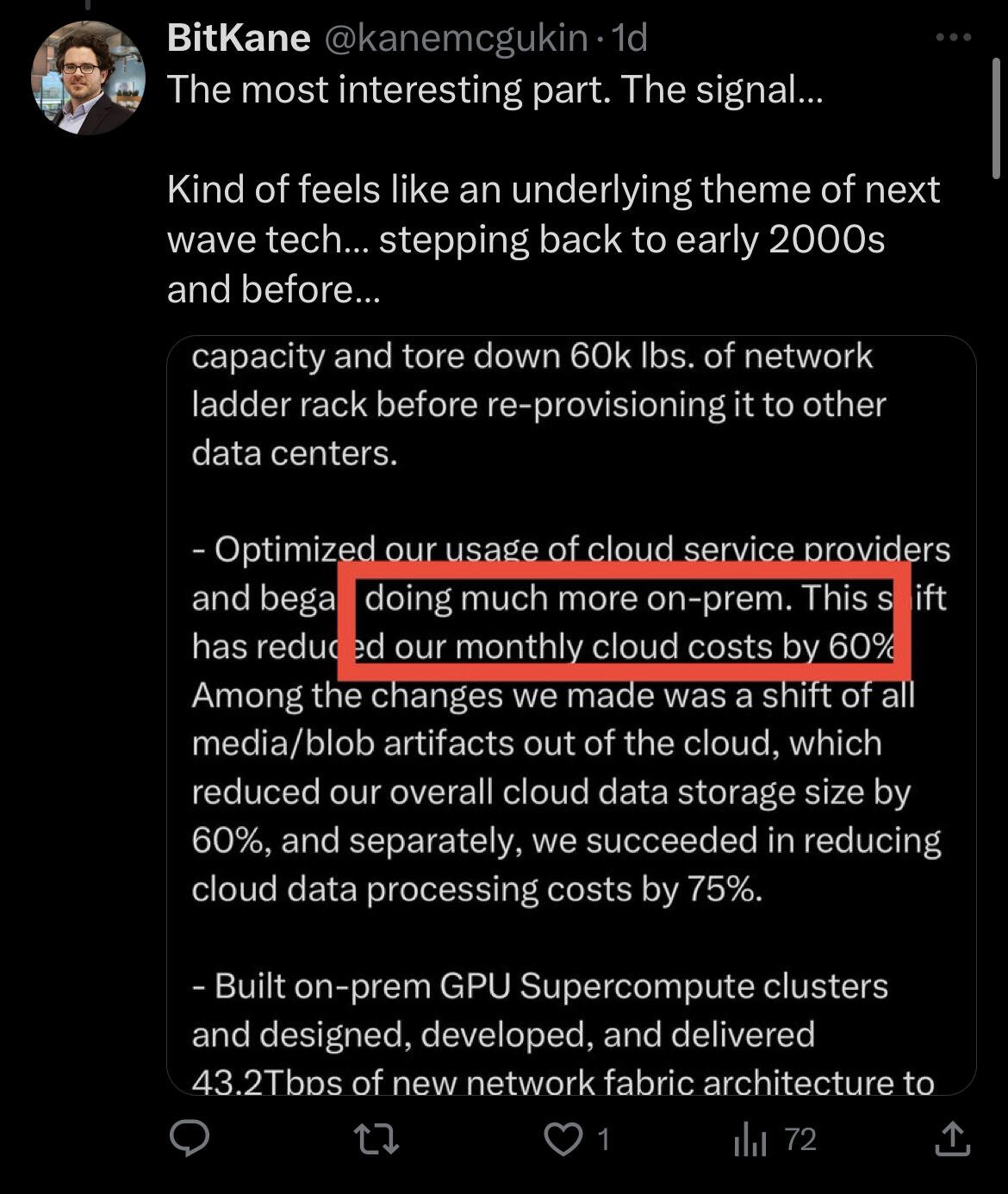
I can't agree more. "The tech wave is driven more by" killer apps "than the technology itself." #Nostr is now particularly like the Homebrew Computer Club, and the Nostr client App is like Apple I-1976 and needs to continuously improve the experience. We're just a fringe app right now, but the demands of the core freedom tech revolution will make this mainstream.
Needs like the textile machine for the steam engine revolution, the automobile for the internal combustion engine revolution, the light bulb for the electric revolution, and the iPhone for the smartphone. I believe that time is coming.

I can't agree more. "The tech wave is driven more by" killer apps "than the technology itself." #Nostr is now particularly like the Homebrew Computer Club, and the Nostr client App is like Apple I-1976 and needs to continuously improve the experience. We're just a fringe app right now, but the demands of the core free tech revolution will make this mainstream. Needs like the textile machine for the steam engine revolution, the automobile for the internal combustion engine revolution, the light bulb for the electric revolution, and the iPhone for the smartphone. I believe that time is coming.

And every one of us here.
This article is fantastic, it is the best article on Nostr I have seen in a while. Nostr's super-simple solution to a complex problem is clearly illustrated. Nostr is not only a victory for decentralization, but also a tremendous increase in the efficiency of client and server development. The development cost of the client and the server is greatly reduced, and each performs its own duties. Nostr's separation of powers, the user has private rights to the private key, the relay has the data storage rights, and the client has the editorial rights to the published content. The most important thing is that the user has all the rights when he has the private key.
I recommend that the speeches for this #Nostrasia conference be synced to Nostr's long article so that anyone who can't attend can see all the talks on Nostr. nostr:npub16vrkgd28wq6n0h77lqgu8h4fdu0eapxgyj0zqq6ngfvjf2vs3nuq5mp2va 🫂💜🫡 nostr:note16fnezalrgm6wk0tdvkxckz8ae5lc8ed9cns6tvq2plpqppfm8erqz77shw

This article is fantastic, it is the best article on Nostr I have seen in a while. Nostr's super-simple solution to a complex problem is clearly illustrated. Nostr is not only a victory for decentralization, but also a tremendous increase in the efficiency of client and server development. The development cost of the client and the server is greatly reduced, and each performs its own duties. Nostr's separation of powers, the user has private rights to the private key, the relay has the data storage rights, and the client has the editorial rights to the published content. The most important thing is that the user has all the rights when he has the private key. 💜🫂⚡️
