


will send 100M tsats shortly 🫡

Not sure a dissenting but apparently fairly common opinion is "fucking" with anything but to each their own!

Is that really you nostr:npub1tr4dstaptd2sp98h7hlysp8qle6mw7wmauhfkgz3rmxdd8ndprusnw2y5g ? Blue check?
yes, it's me.


It's time to kick the new year off in style starting with Envoy v1.5 📲
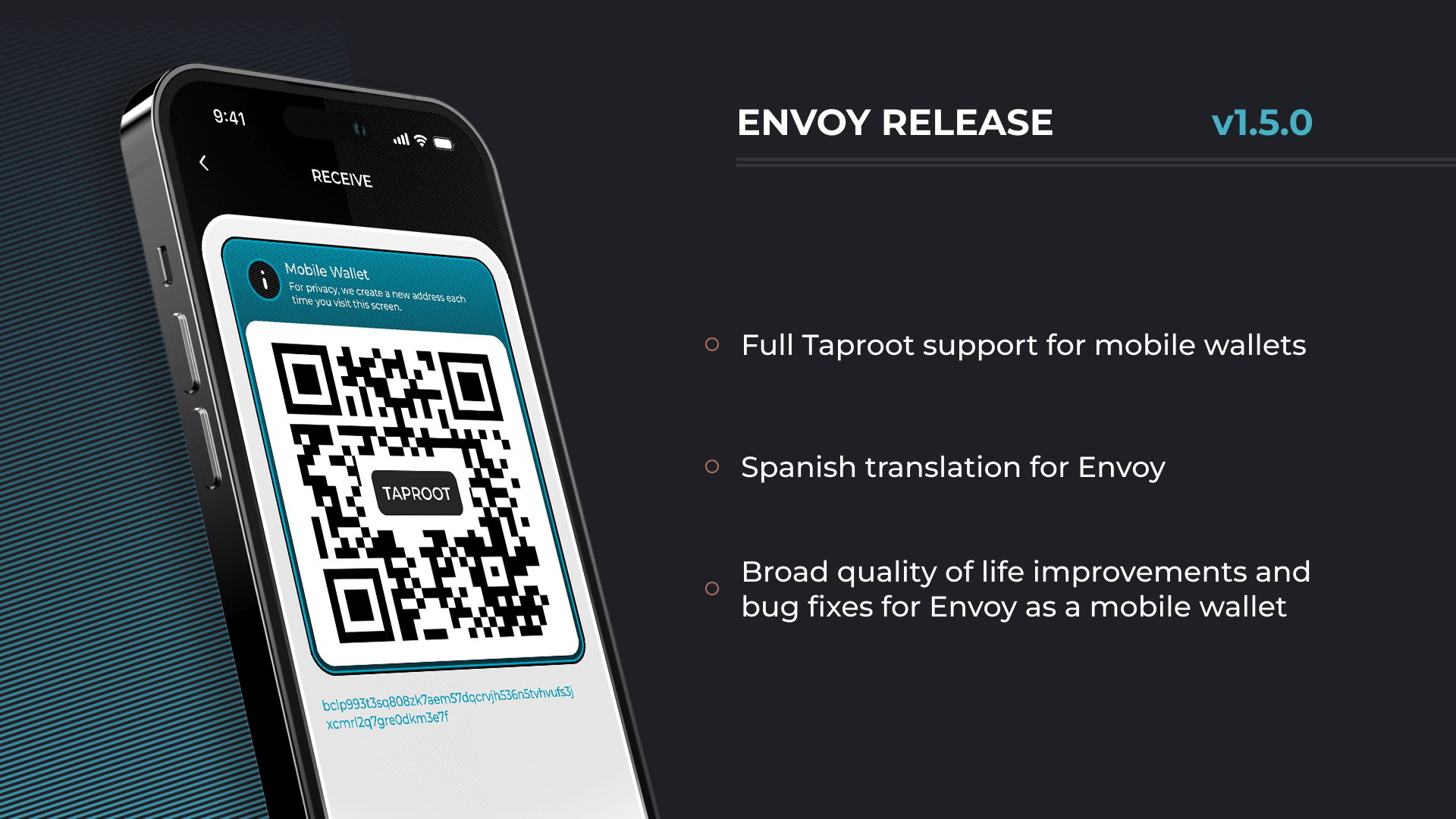
This version of Envoy brings:
🥕 Full Taproot Support
🪙 A Refined Coin Control Experience
🇪🇸 Initial Spanish Translation
Plus many quality of life improvements and 🐛 fixes!
For all of the details on what we've shipped in Envoy v1.5, dive into the release notes blog post below in the post below:
https://foundationdevices.com/2024/01/envoy-version-1-5-0-is-now-live/
If you haven't tried Envoy yet, there's never been a better time to experience Bitcoin, simplified.
Learn more at foundationdevices.com/envoy and see how you can go from zero to self-custody in <60s 📺
https://v.nostr.build/zynz.mp4
Are you a Passport user? Keep your eyes peeled on our socials for a big release coming later today 😉
Taproot support is finally here in Envoy, and paves the way for full Taproot support in Passport v2.3.0 which is almost ready 👀
I use Envoy for all of my on-chain Bitcoin savings and spendings now and have been loving the coin control support we added in v1.4.
Highly recommend taking the time to try out Envoy, 100% free to download and always open source!
nostr:note15nyqlsw6ss0jyx77l62jp2pzknks6gegnys54vn92v6t4r7v883qrl3lfk

Not sure, have sent from Damus and Nostur using the relays on this profile.
Are there some I need to add?
Hey nostr:npub1l2vyh47mk2p0qlsku7hg0vn29faehy9hy34ygaclpn66ukqp3afqutajft could you reply to my DMs about nsecbunker please?
It’s official, I’m on #TeamNerdMiner ⛏️
Had to pick one of these up and support the amazing work of @bitmaker
Absolutely love the educational aspects of this, and a great way to play with @Public_Pool_BTC more as well.
Can buy your own here, great way to support the amazing dev behind the NerdMiner project!

nostr:npub1tr4dstaptd2sp98h7hlysp8qle6mw7wmauhfkgz3rmxdd8ndprusnw2y5g is your mining pool down? I can't get the page to load. Could be user error though 🤷♂️
It was accidentally DDoSd 😅
https://x.com/sethforprivacy/status/1738366232628261286?s=46
LEAK: The Foundation Secret Master Plan 👀
We believe technology is progressing in the wrong direction. Rather than offering freedom, technology is used to surveil and control.
It’s time to help usher in a new era of freedom and prosperity with freedom tech.

🧵👇
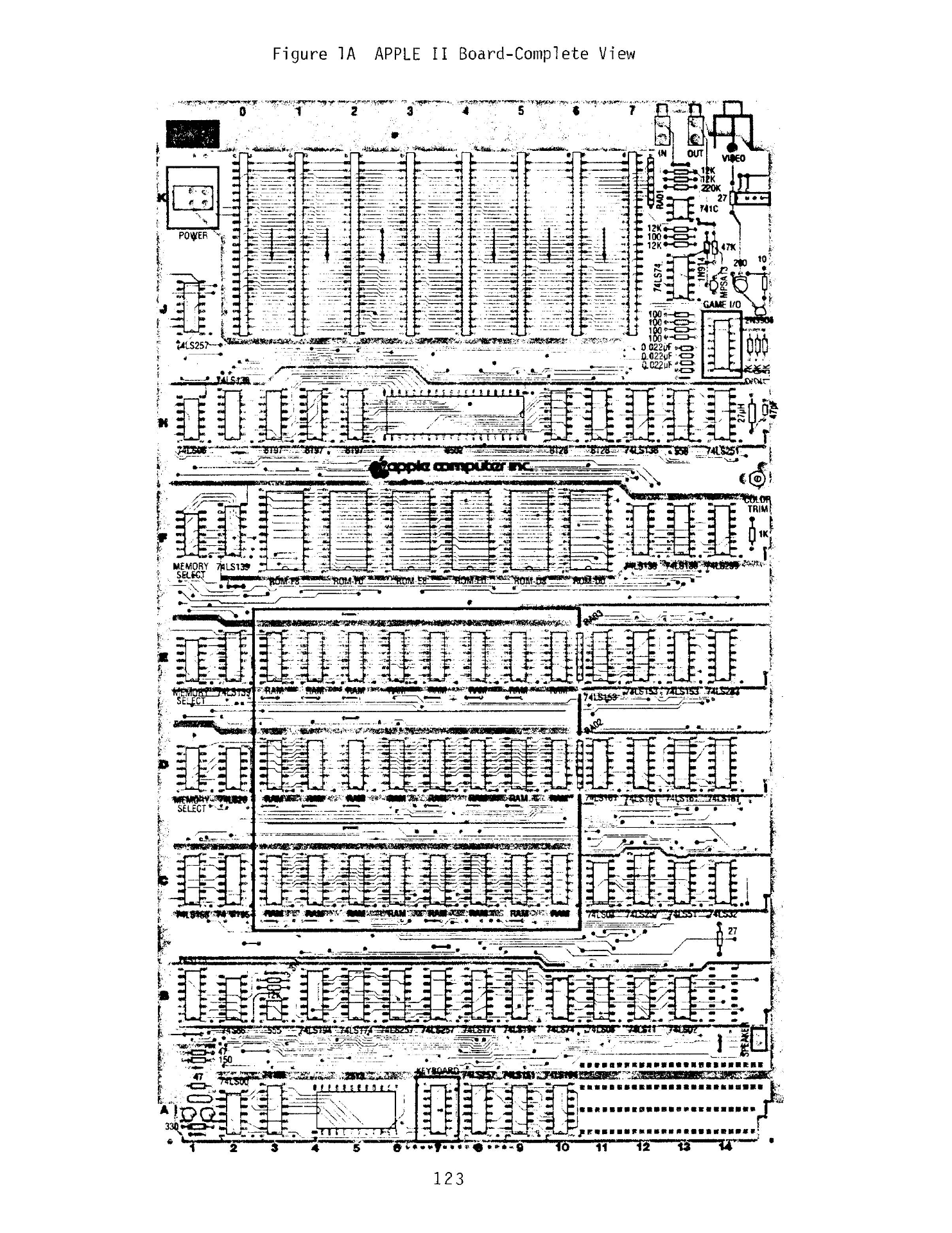
There was a time when Apple shipped the schematics alongside the computer, a time when they encouraged us to “think different.”
There was a time when Google lived by the guiding principle of “don’t be evil.”
No longer.
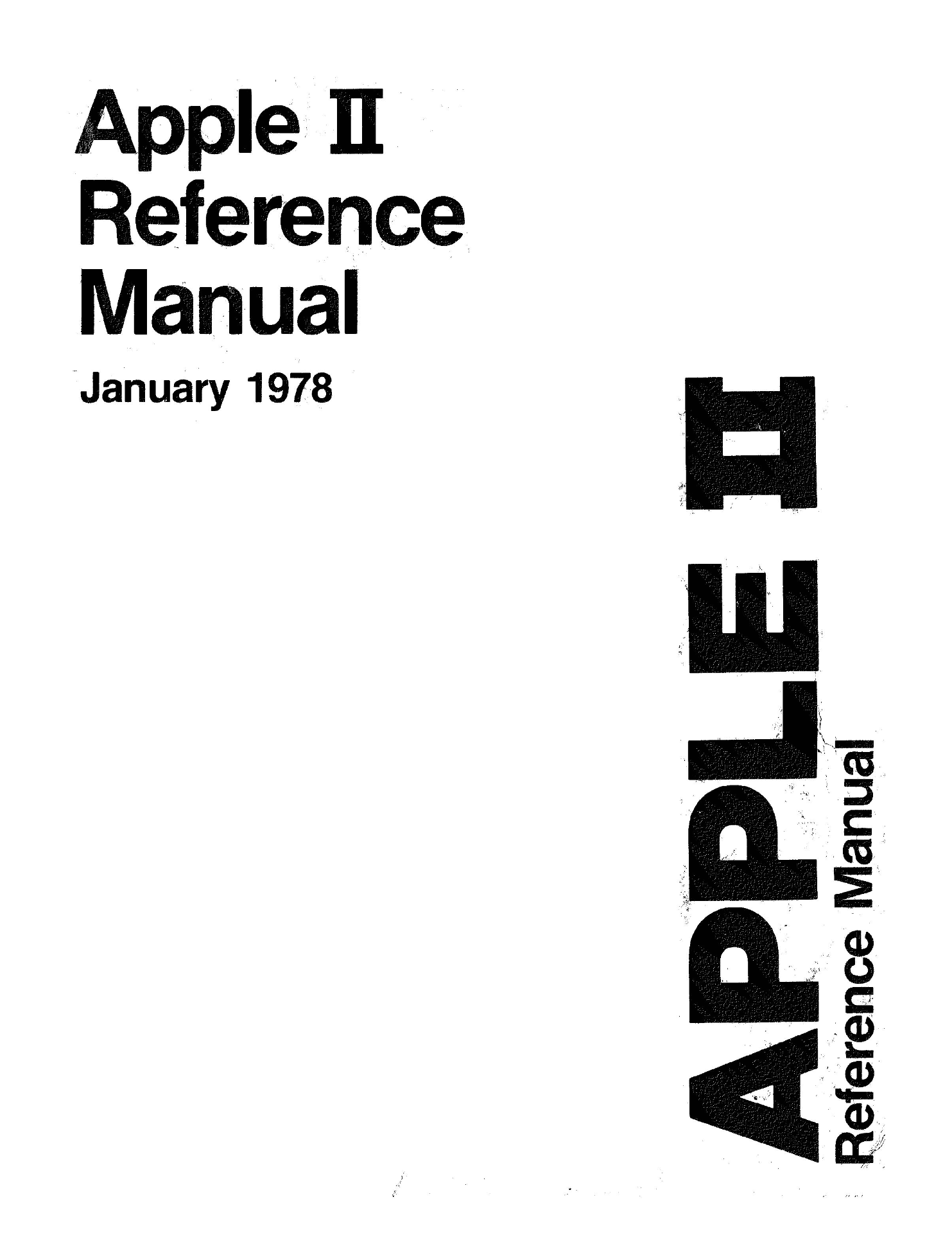
Cryptocurrency companies like Ledger are collecting your data, Google wants to know everything about you, and your TV monitors what you watch and sells it all to the highest bidder.
Even our cars are black boxes that spy on us and give ultimate control to the manufacturer.
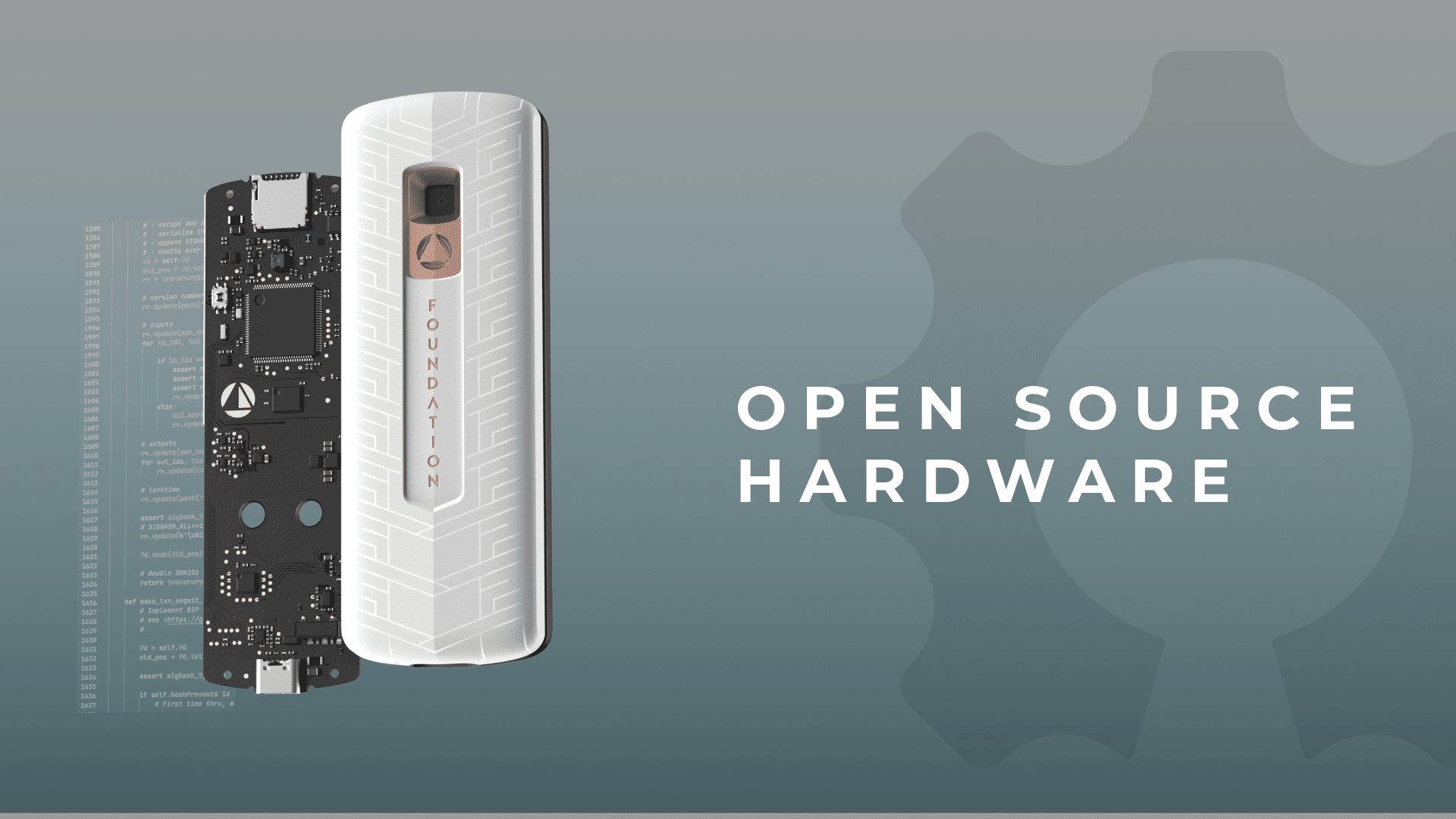
Technological progress in the physical world has slowed. An overwhelming majority of hardware and manufacturing innovations are closed source and proprietary.
Open source software propelled us to the Internet, to Bitcoin – but open source hardware is a rarity.
At Foundation we believe that technology can be used as a tool to empower the individual with freedom, with sovereignty, with privacy.
We believe that building superior open source hardware and software is the key to unlocking an era of prosperity and permissionless innovation.
As in Asimov’s Foundation trilogy, we’ve asked ourselves – what can we do to help navigate this period of chaos and usher in a new era of freedom and prosperity?
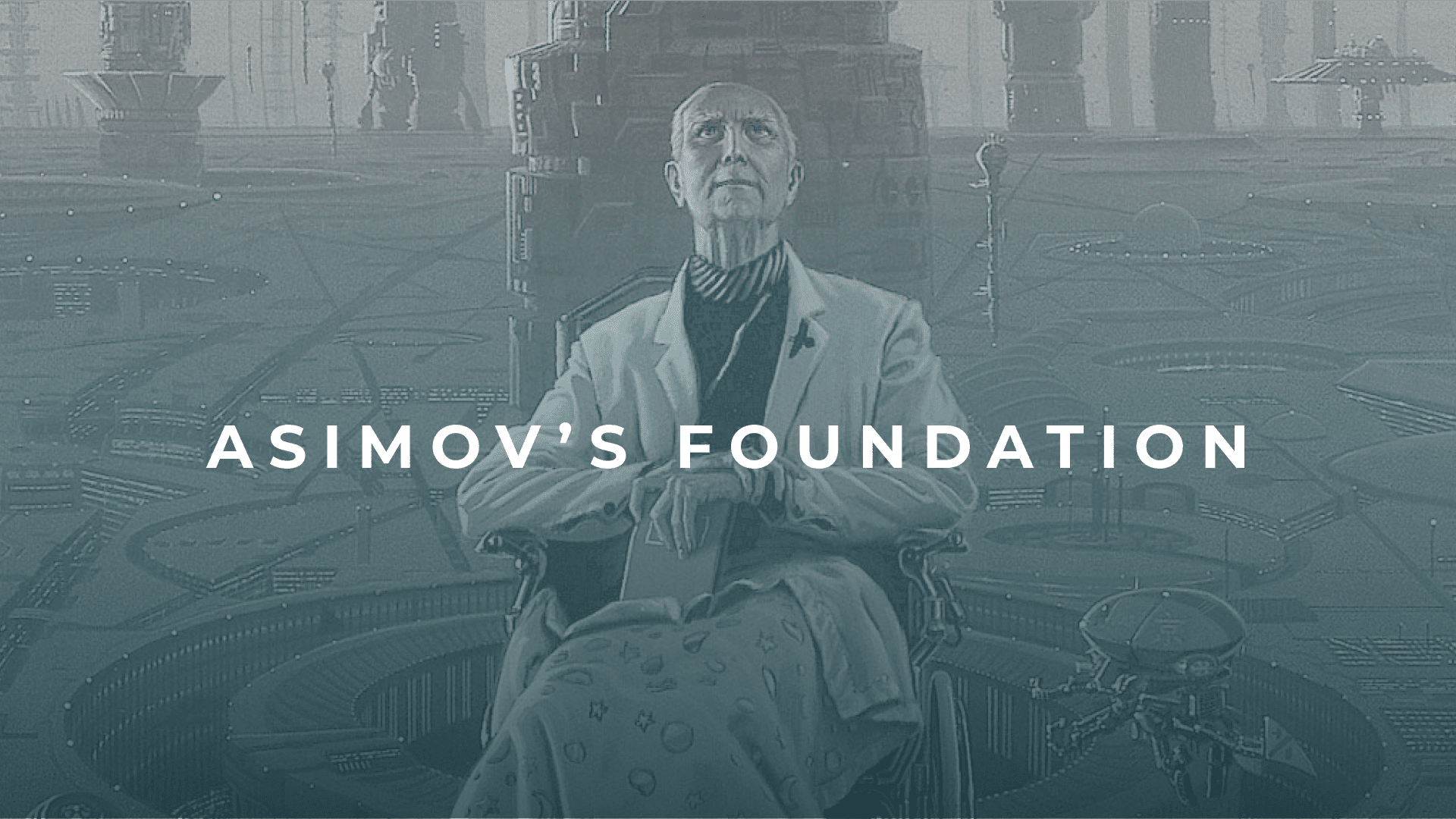
This brought us to our beginning. To Bitcoin.
It all started with Bitcoin. It is our strong belief that a transition to Bitcoin as the global monetary standard will re-align society and fix our most important problems.
In short, we believe that “Bitcoin fixes this!” So this is where we’ve chosen to begin our journey.
Foundation believes that Bitcoin itself is at a crossroads.
On one side are ETFs, exchanges, custodians, intense and crushing regulations. On the other is custody, decentralization, permissionless innovation, financial privacy, and even an end to central banking as we know it.
This is why our first product was Passport, the best-in-class Bitcoin hardware wallet.
The most fundamental aspect of Bitcoin is to hold your own keys, to control your own money and your own destiny. Passport makes that possible for more people than ever before.
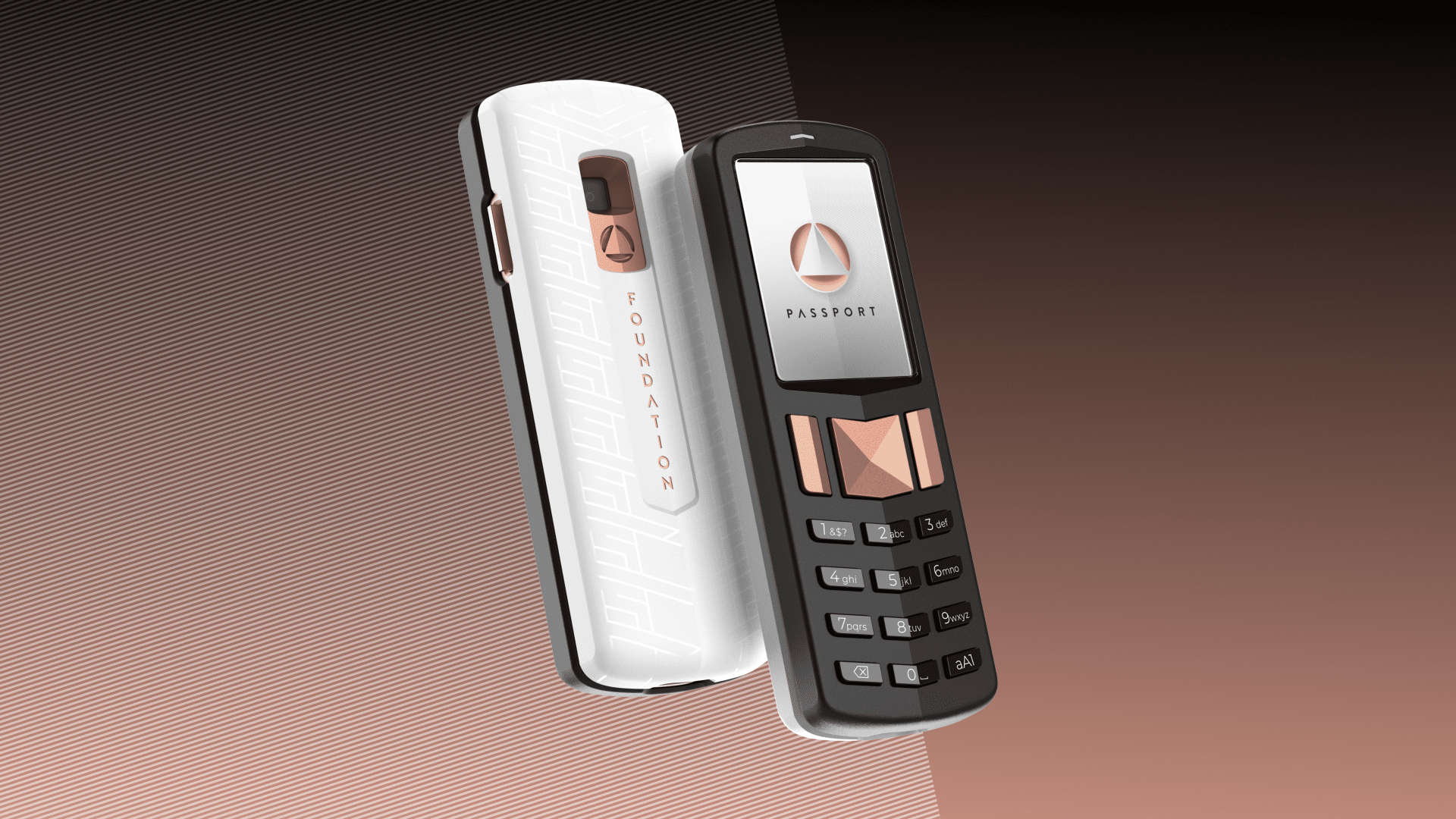
But Bitcoin needs more than “just” approachable self-custody tools, so during the 2024-2028 epoch, Foundation will build a cohesive ecosystem of Bitcoin devices, tied together by our Envoy mobile app.
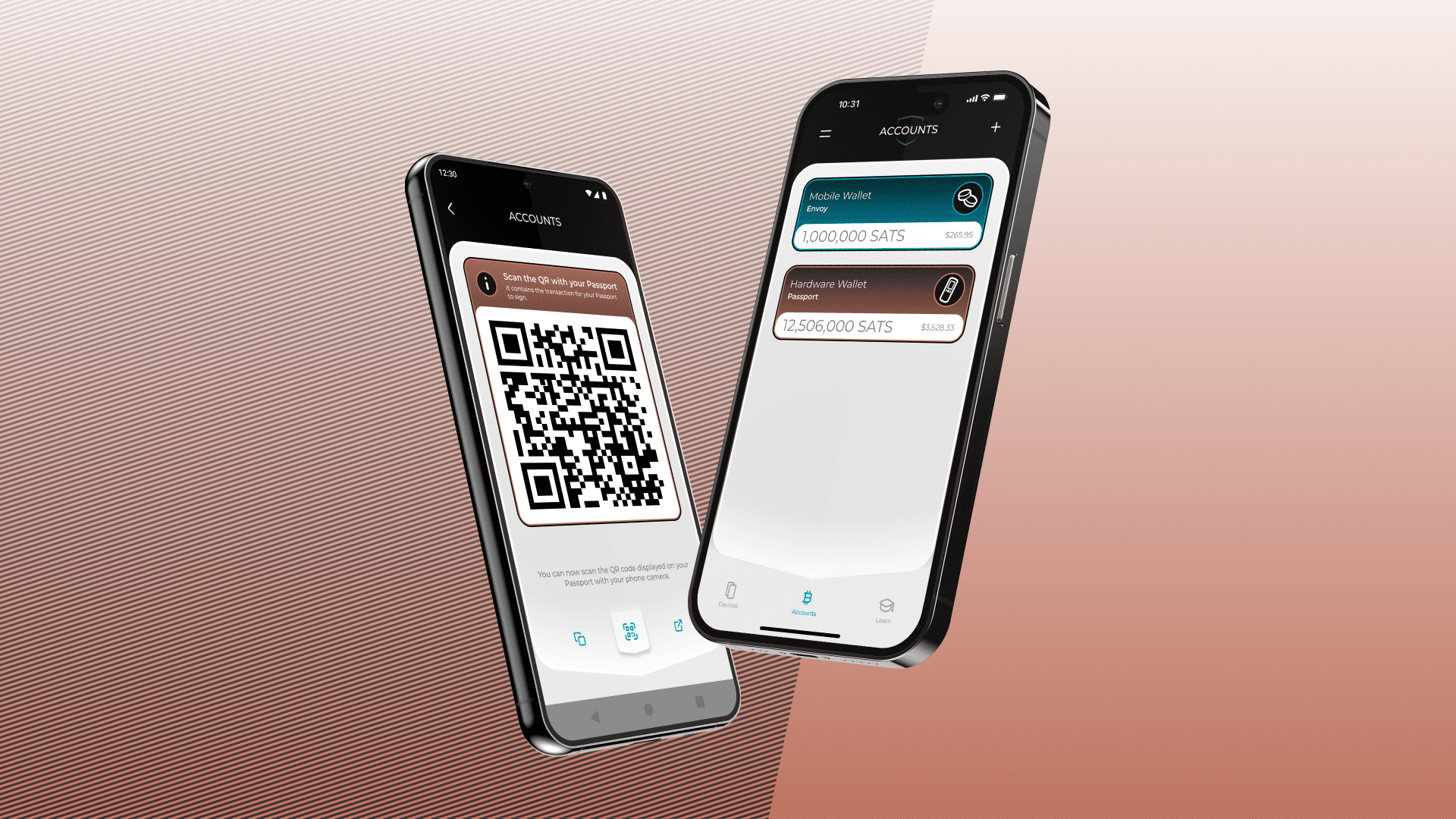
But we aren’t stopping at Bitcoin.
As the world achieves global Bitcoin adoption during the 2028-2032 epoch, Foundation will broaden our approach and focus on expanding our freedom tech ecosystem to more platforms.
Smartphones and computers running a next-gen, ultra-secure, privacy-preserving operating system.
Self-hosted smart home products with integrated AI.
Maybe even a car 🚗
Our master plan is straight-forward:
1. 2020-2024: Build a hardware wallet and mobile app.
2. 2024-2028: Use that money to build an ecosystem of Bitcoin devices.
3. 2028-2032: Use that money to build a freedom-tech computing ecosystem.
While doing all of the above, release everything as fully open source, vertically integrate manufacturing, and – most importantly – continue to hold true to our principles.
P.S. - Don’t tell anyone.
If you see the need for approachable self-custody and freedom tech, follow us nostr:npub1s0vtkgej33n7ec4d7ycxmwt78up8hpfa30d0yfksrshq7t82mchqynpq6j for more content like this and to be the first to know as we roll out our next wave of Bitcoin devices 😎
👀👀👀
nostr:note18c4hxxvvjj7xgk68t3rws5nvx7dxyp6znhq2yz90h6kaaju2wjzq3yqyzq
# Taproot didn’t cause Ordinals ❌
I've seen the view that "Taproot caused/enabled Ordinals" commonly mentioned across Twitter, and it's one that can be extremely harmful. Many in the space would love to further ossify (prevent change) in Bitcoin and use Ordinals "spam" as the reason for doing so, but I'd argue that that would be the worst possible outcome from this situation.
This needs a lengthy explanation to properly grasp what's at play here, though, so let's get into the fun details.
## Arbitrary data in Bitcoin has always been possible
Something most people don't understand is that a system like Bitcoin is built for data storage, it's just intended for monetary data. This design made it possible from day one to include arbitrary (arbitrary) data into the blockchain, either through methods like OP_RETURN (a good place for storing arbitrary data as it can be easily pruned) or in tweaked pubkeys (a bad place for storing arbitrary data, as it cannot be pruned).
Some examples of this:
- Satoshi inscribed a newspaper headline in the genesis block coinbase (https://mempool.space/tx/4a5e1e4baab89f3a32518a88c31bc87f618f76673e2cc77ab2127b7afdeda33b)
- Luke Dash Jr. used his pool to inscribe Bible texts and prayers in 2011 in the coinbase (https://bitcointalk.org/index.php?topic=38007.0)
- Someone added the entire Bitcoin whitepaper to the UTXO set in 2013 (https://bitcoin.stackexchange.com/questions/35959/how-is-the-whitepaper-decoded-from-the-blockchain-tx-with-1000x-m-of-n-multisi)
All of these happened before both SegWit and Taproot, and there are many more cases of this type of data storage on Bitcoin.
## But I thought Taproot enabled this?
Unfortunately, there is a common misunderstanding (thanks for the troll name [@TaprootWizards](https://twitter.com/TaprootWizards) 😅) that Taproot enabled this type of data storage, thus opening the way for Ordinals "spam." In reality, this type of arbitrary data storage on Bitcoin has always been possible, but was made much cheaper to do with the introduction of SegWit in 2017.
SegWit was a major upgrade and bug fix for Bitcoin that enabled the Lightning network to be built and included a 3MB "witness" data allowance within each block w/ reduced fees for data to incentivize spending UTXOs (therefore making them prunable). More on SegWit in a fantastic post from [@River](https://twitter.com/River) here:
<https://river.com/learn/what-is-segwit/>
This incentivized portion of each transaction (called "witness" data) is intended for things like Bitcoin scripts, but can be used to store any data as long as it's done the "right" way. Specifically, Ordinals store them in an "envelope" between two opcodes, allowing the data to count as witness data and get the discount. This storage method was possible before SegWit, but now saves on fees in comparison to pre-SegWit usage.
While this of course was not the intent of SegWit, it underlines the simple fact that if someone wants to store arbitrary data in a blockchain, they will find ways to do it.
## Does that make SegWit bad?
If your first reaction is then to want to raise a pitchfork and campaign for no more changes in Bitcoin, remember this -- without the SegWit soft-fork there would be no Lightning network, no discount for users consolidating UTXOs, and instead users would be incentivized to create more un-prunable UTXOs as it's cheaper to create than to consume UTXOs w/o SegWit.
Additionally, Ordinals being stored in witness data allows those who run a node to easily prune them and not store them in RAM, unlike any method that leverages pubkey tweaking or other types of stenography to include arbitrary data on-chain. This means that the actual impact of Ordinals on those who run a node is drastically minimized versus other arbitrary data storage methods.
## If we didn't have SegWit, Ordinals would all use the UTXO set
It's extremely like that if we had never included the SegWit soft-fork into Bitcoin that the Ordinals craze would still have happened, and along with it a drastically worse outcome for the blockchain. In this alternate reality, Ordinals (and all similar NFTs) would likely be inscribed directly into the UTXO set, similar to how Stamps function today.
Some within the Bitcoin community have been asking for a removal of the SegWit witness data discount to force Ordinals to pay the same fees as all other users per byte. Unfortunately, this would have two extremely detrimental side-effects: it would disincentivize healthy UTXO management (consolidating UTXOs vs creating new ones) and incentivize Ordinals to be put in the UTXO set directly.
While putting the data into the UTXO set does cost those creating these NFTs drastically more, it also means that those running a Bitcoin node cannot prune the data, no matter what. Bitcoin relies on nodes being able to retain the entire UTXO set in order to verify transactions properly and prevent double-spends, and any data within that UTXO set must be kept in perpetuity.
That would be drastically worse for those running a Bitcoin node, and makes the Ordinals in SegWit witness data pale in comparison when it comes to negative impact on Bitcoin nodes.
## So what can we do about it?
The solution to reducing the cost of using Bitcoin is not censoring Ordinals (something that isn't even technologically possible, BTW), but rather is finally building solutions to Bitcoin's long-term scaling. Ordinals have highlighted something most of us knew would happen -- base-layer fees would become untenably high, as they have to for Bitcoin to be secure long-term.
In order for the average person to use Bitcoin, we need powerful scaling solutions like layer twos, and unfortunately Lightning in it's current form isn't the final solution. Lightning relies on every channel-owner (and thus user when done in a non-custodial manner) being able to settle back on-chain to resolve disputes, something that isn't economically feasible in a realistic fee environment.
## The solution? Covenants
Enter covenants, an improvement to Bitcoin that has been a long-time in the making and is finally picking up the steam it deserves in the space. Covenants enable both improvements to Lightning that make it drastically more scalable, and new layer two networks to be built that have different (often better) trade-offs compared to Lightning.
As this post is already getting a bit too long I won't dive into the details of covenants, but instead ask you to spend a few minutes going through this fantastic set of resources on covenants to better understand what they enable:
Have questions? **ASK THEM!** The best way for the broader Bitcoin "rough consensus" layer to work is for more people to step up, learn, and ask questions as they go.

Running an outdated node doesn’t affect what gets included in blocks.
I was talking about Ocean, not Knots, Knots is a joke as Luke Dash Jr has 100% control and merges whatever he sees fit directly into main lol
I can both think the free market is the ultimate judge and bring attention to this to our social pressure on them and be sure miners know what they’re getting into when they mine with Ocean.
On the plus side at least Ocean is being transparent about their censorship now!
Ocean isn’t FOSS, so…
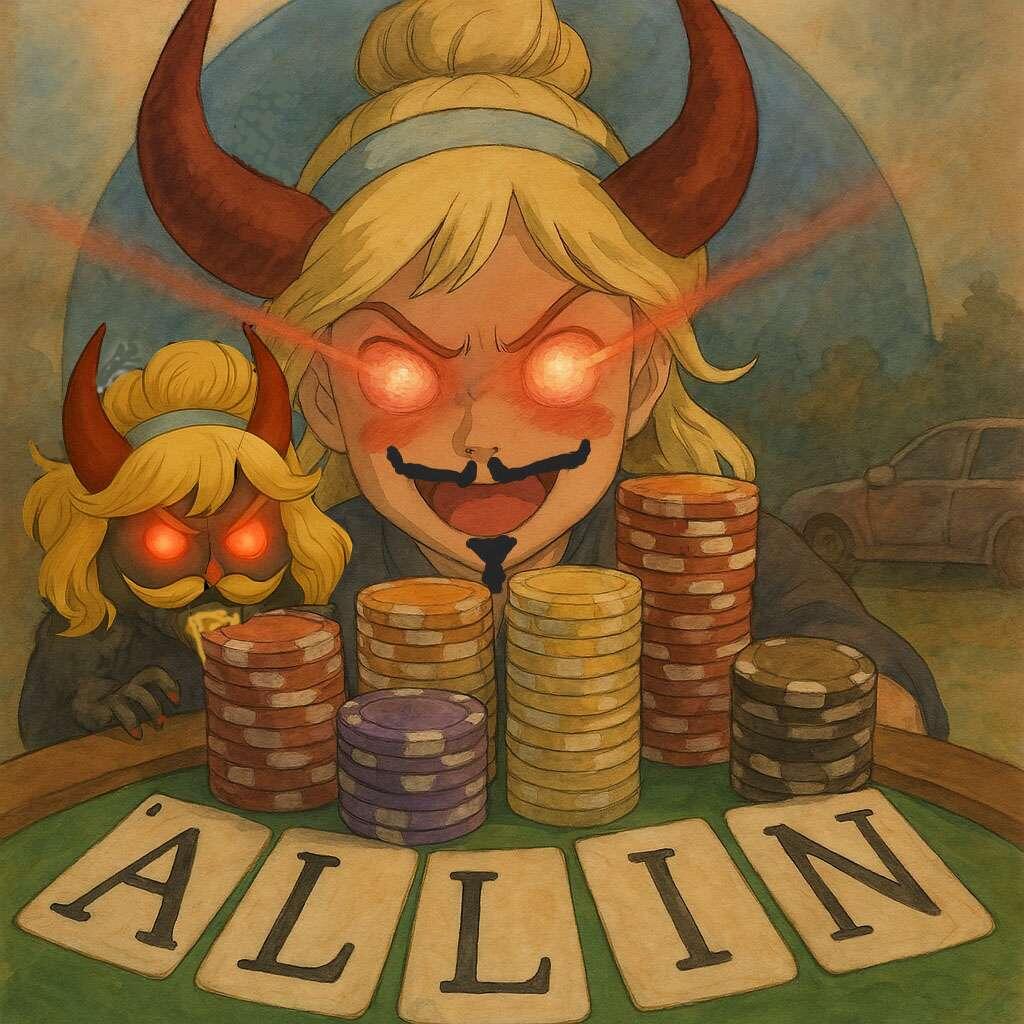
So we should just let it happen since it’s not a big deal (yet)?


First, they came for the Inscriptors and I didn't speak out.
Then, they came for the Ordinal Enjoooyers and I didn't speak out.
Next, they came for the Whirlpoolers and I didn't speak out.
Where do we draw the line with censorship?
nostr:note1nrn98rkc89sk5ysmz4cvcqu8mv6twzeuyykg7cuufl3700vgs2zqmefn2z
Go from 0 to self-custody in <60 seconds! 😱
Experience Bitcoin, simplified with Magic Backups — Create and back up your mobile wallet in under 60 seconds, and restore in three taps.
Just how easy is it to get started on Envoy with Magic Backups?🧵👇
https://v.nostr.build/zynz.mp4
✨ Once you have downloaded Envoy, simply choose Enable Magic Backups.
Envoy will then:
1. Create your seed
2. Store it in your phone’s secure element
3. Encrypt your seed
4. Back up your seed and metadata automatically
Simple and quick to set up. Let’s dive into the details!
✨ Envoy generates a seed and stores it on your phone’s secure element while your envoy settings, accounts, and labels are encrypted using your private key.
The encrypted seed is uploaded to your iCloud or Android Auto Backup account in a fully end-to-end encrypted manner.
NO data can be read by Foundation, Apple, or Google at any time. Gain more context by watching our explainer video here:
https://v.nostr.build/oyjR.mp4
✨Envoy then creates an "Envoy Backup" file containing your app settings, account labels, and other non-sensitive app data so that Envoy can be restored to its exact previous state.
This folder is end-to-end encrypted with your seed so that we can never see the contents.
✨The fully encrypted Envoy Backup is uploaded to Foundation’s servers, alongside a hash of the seed (a cryptographic representation of the seed that proves your knowledge of the seed, not the seed itself!) so that we can ensure no one else can attempt to download your backup.
✨There is no Foundation user account, no email, no password – all you need is access to your iCloud or Google account to access your backup.
Check out our blog post for a thorough exploration of how this innovative feature operates:
https://foundationdevices.com/2023/05/announcing-envoy-wallet-bitcoin-simplified/
Already have a seed phrase you want to use or simply want to back up your seed manually?
Both of those fully self-sovereign paths have first-class support, with a secure, easy, and intuitive seed phrase entry flow or the ability to let Envoy generate a new seed for you.
✨Now that you know how Magic Backups work, you're ready to take charge of your Bitcoin self-custody journey. No more barriers — empower yourself to secure your Bitcoin the right way.
Download Envoy now and experience Bitcoin simplified:
Have friends and family that are turned off by the concept of writing down and backing up seed words?
There's no better alternative solution than Magic Backups in Envoy, and you can easily help them grow into a fully self-sovereign setup over time w/ Passport.
For the more technical users:
One of my favorite things about our approach at nostr:npub1s0vtkgej33n7ec4d7ycxmwt78up8hpfa30d0yfksrshq7t82mchqynpq6j is giving users the tools to slowly increase the sovereignty of their stack over time, so you can start with the simplest approach and gradually improve your setup as you learn more without needing to switch to other apps or hardware.
You more advanced users can leverage one of the best parts of Magic Backups (app data backups) while bringing your own seed to Envoy or letting Envoy generate one for you.
Simply pick the manual flow when you setup Envoy then you can export the Envoy Backup file anytime after setup with a tap (encrypted by your seed automatically!) and store it on your own computer, encrypted cloud storage, etc.
Whenever you need to restore Envoy, just enter your seed phrase and Envoy will prompt you to select an Envoy Backup file, automatically decrypt it with your seed, and restore Envoy exactly back to the state it was in when you backed it up.
✅ All accounts restored
✅ All history restored
✅ All settings restored
I do this currently with a child seed derived from Passport Key Manager extension (foundationdevices.com/2023/05/all-yo…) and store my Envoy Backup file on my self-hosted Nextcloud instance. All I have to do is keep Passport properly backed up and I can restore Envoy from scratch anytime, anywhere.
nostr:note1l7uz36w8s4mtnynm4h6q3ehch0wek9fka2uy24zshsexrpf5u8dqgdpk2e

Any chance you guys can make a Nostr backup key USB drive? I need a USB-stick with fingerprint authentication to decrypt the payload in the USB and reveal a person's private key.
The goal is to easily spread your keys in 2-3 homes/service providers without letting them access the key. This is for backup purposes. If your house burns down, you can go to your friend's house and get the USB stick back to access your Nostr account. More importantly, whoever hosts the USB stick must never have access the key itself.
It needs to be super simple. We plan to give them away to the homeless population to let them access digital services via Nostr. Their personal security is not good and their ability to memorize pins (mental health issues) is limited. So, it must be something based on biometrics.
Something like this, but with your backing in the security and privacy of the systems would be ideal: https://www.lexar.com/product/lexar-jumpdrive-fingerprint-f35-usb-3-0-flash-drive/
Will raise with the team!
We have Key Manager in Passport for Nostr key generation/backup but obviously that’s a very different price-point and target audience.
Thanks for the suggestion 🙂
Coin control, simplified 🪙
Often reserved for only the most technical Bitcoiners, with Envoy 1.4 we’ve brought coin control to everyone with the most intuitive approach to date.
🏷️ Quickly tag coins
✅ Spend from an entire tag OR
🪙 Get specific and pick individual coins
🧵 👇
https://v.nostr.build/BJqZ.mp4
Coin control gives you the power to reveal exactly what you want when you spend Bitcoin by including (or excluding) precisely the coins you want.
Want to learn more? Check out our educational thread on coin control from earlier this week:
https://nitter.net/FOUNDATIONdvcs/status/1731372754073485449?s=20
In Envoy, we've approached coin control with the goal of lowering the barrier of entry - coin control for everyone, even grandma 👵
In order to use coin control, you simply need to start applying "tags" to coins in your wallet as you go.
Acquire some no-KYC sats? Tag as "noKYC."
Keep a separate stash for conferences? Tag as "conferences."
Your coins, your control.
To tag coins, simply:
1. Enter an account
2. Tap the tag icon
3. Enter a tag (like "Untagged")
4. Select coins to tag
5. Tap "Tag Selected"
6. Name the tag

And you're done! Once you've created a tag for the first time, tagging new coins only gets easier from there.
Easily manage your tags, delete them, rename them, or move coins between tags with just a few taps.
But coin control doesn't stop there, as it's vital that you can easily exclude specific tags or coins from being spent!
To do this, we give you the ability to easily lock entire tags or individual coins, preventing them from being spent by Envoy until you unlock them.
Simply tap the🔓icon on any tag to lock all the coins in a tag, or tap the🔓icon on an individual coin to lock just that coin.

Once you've locked the coins you don't want to be spent, you can continue to use Envoy as normal but trust that it won't select any locked coins.
Locking coins + simply spending from Envoy is a great place for everyone to start with Envoy.
In addition to tags, you can also easily add notes to a coin or transaction to give additional context.
Notes can be far longer than tags, allowing you be more specific with where you got those coins from, what a transaction was, and much more.

So how do you spend from tags? 🤔
There are three ways to spend when using coin control:
1. Spend from an entire tag and let Envoy choose what coins from that tag to spend
2. Select specific coins to spend
3. Edit a transaction before sending to tweak what coins are used
Spending from one or more tags is as easy as entering an account, tapping the tag icon, and toggling on any tags you want to spend from.
Once you've done that and ensured that there are enough sats selected, simply hit Send Selected and spend as usual!

Spending from coins functions the exact same way, but you simply enter any tags you want to spend coins from and individually toggle on coins that you want to use.
Pick enough coins to cover the sats necessary, hit send, and enjoy total control 🫡

You can also just begin creating a transaction as normal and select "Edit Transaction" before hitting send to see what coins Envoy automatically selected and edit them as you see fit.
Just be sure you include enough sats in the coins you select and hit Send when you're done!
Want to learn more about how to use coin control in Envoy? Check out our full documentation on our site, or watch the video below:
https://docs.foundationdevices.com/en/envoy/tags
Freedom money deserves freedom tech, and that includes giving you the freedom to spend your Bitcoin *exactly* as you want to.
Download Envoy today to experience coin control, simplified:
We built our dream coin control implementation, and it's 100% free and open source 🤝
If I'm being honest, the only time I've ever used coin control in Bitcoin is when I'm using @SparrowWallet because it was such a pain on mobile before.
We worked hard to make it approachable, flexible, and giving users total control. Coin control in Envoy grows with you as you become more familiar with the concept and comfortable with tagging and spending from tags, and lets you go as simple or as complex as you'd like.
So proud of how this implementation turned out, and extremely grateful to the entire Foundation team for how much time and effort went into it!
Would love to hear y'all's feedback on coin control in Envoy when you test it out and we can continue improving it as we go.
nostr:note1ngrzvxurrrw2nqx73k2nxhe8gaaqtmwk3p8ltt7yy0mvs5p0c0csn2eqm5