

#meme 

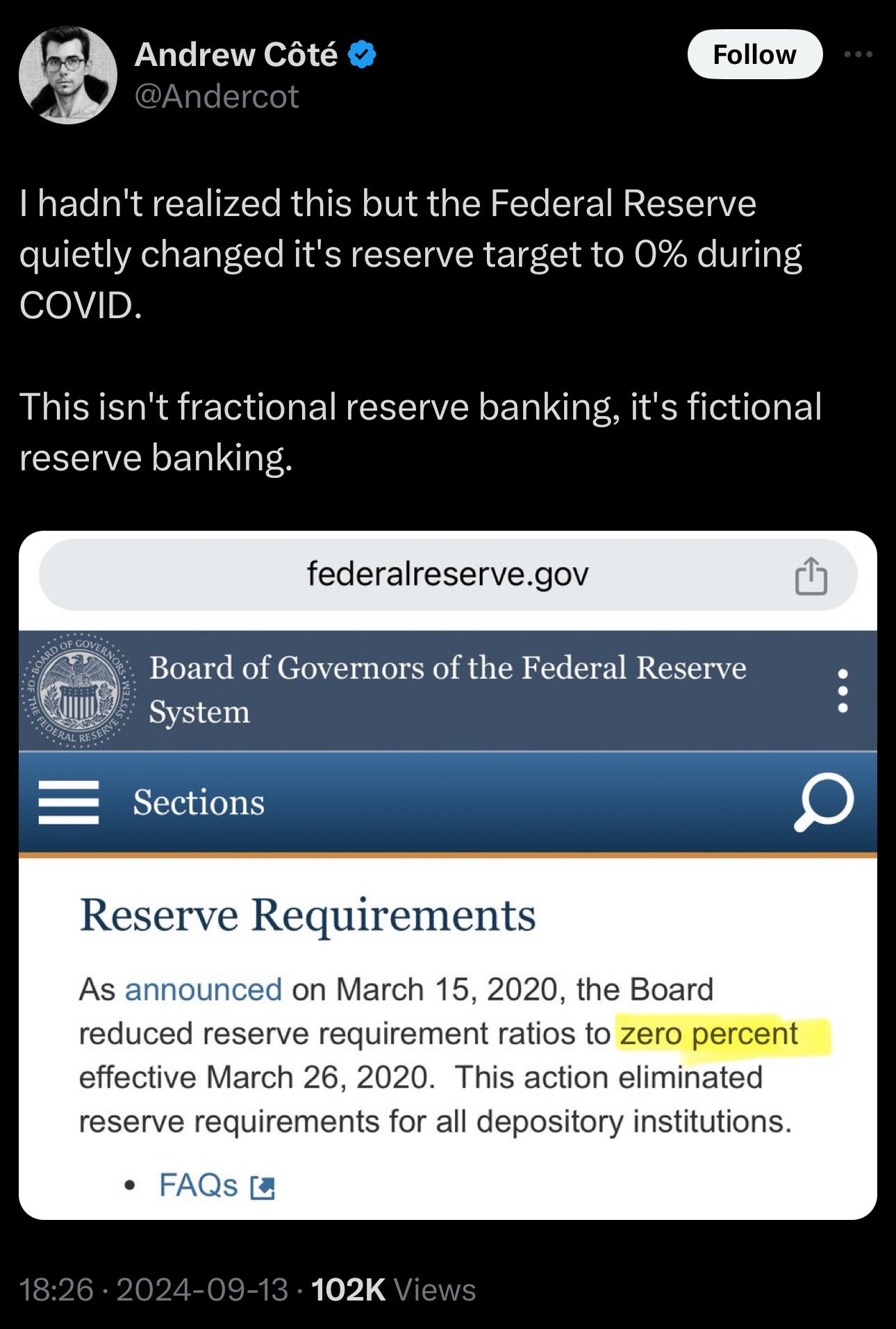
They also changed the definition of “savings” accounts and lifted penalties on frequent savings withdrawals.

Never Split the Difference by Chris Voss
Best book on persuasion out there and it’s not even close.

S
U
P
E
R
C
Y
C
L
E nostr:note13k6u827ctezeq8rpctuhtptggqv5as4rtp9lr3z83nxvtf0sxrnsc6lxhd
That’s a good one!
Hehe in fact my original attempt at sync in strfry was a protocol called "yesstr" using my Quadrable library: https://github.com/hoytech/quadrable
It used binary flatbuffers over websockets. It caused a lot of problems since binary websocket messages require a distinct message type from text ones. Since nothing else in nostr uses these, of client libraries were having trouble integrating with it. Using a structured binary format like CBOR or flatbuffers also means clients would have to pull in a (probably heavy) serialisation library.
The nice thing about the current approach is that any existing nostr client already must support websocket text messages containing JSON containing hex data.
What’s the rate of support for compression on the wire? I’m guessing most clients must support gzip, since it predates wss://.

Thanks! Is there a chart of this over time? Would be interesting to see the flow.
What ever happened to nostr:npub1x458tl7h9xcxa66vr4a8pg0h2qz96pnhwnfpcra0le9090uk5t5qw7armt ?

Instead of talking about budget deficits in absolute terms, it would be instructive to frame them in relative terms.
That’s, how much, as a percentage, did/does the debt increase/decrease monthly/yearly etc. That way, we can compare apples to apples.
Today’s $380B and next decade’s $380B are worlds apart. But 10% is 10% year after year after year.
If we’re gonna go binary, then I’d prefer to just go full binary. WebSockets support binary mode. We could encode these messages using CBOR and suffer minimal loss on the wire. This would still be compatible with stream compression, AFAIK.
Encoding binary data as a string can be completely avoided for this new message type, since both ends of the connection are expected to handle binary payloads anyway. The usual argument of avoiding a human-unreadable format is moot here, IMO.

Ooooh yeah, we need to calculate the price-per-cream-cheese-ounce-day. How many days to expiry do you get per ounce at each store?

Frfr

The cheaper one may be using that product as a loss leader. Sometimes stores will sell some items at a loss, if it gets people in the door, then make up the difference on other items.

Children of Men
V for Vendetta
12 Monkies
How does nostr:npub15dqlghlewk84wz3pkqqvzl2w2w36f97g89ljds8x6c094nlu02vqjllm5m buy and store bitcoin - anyone know the specifics?
Coinbase custody IIRC.
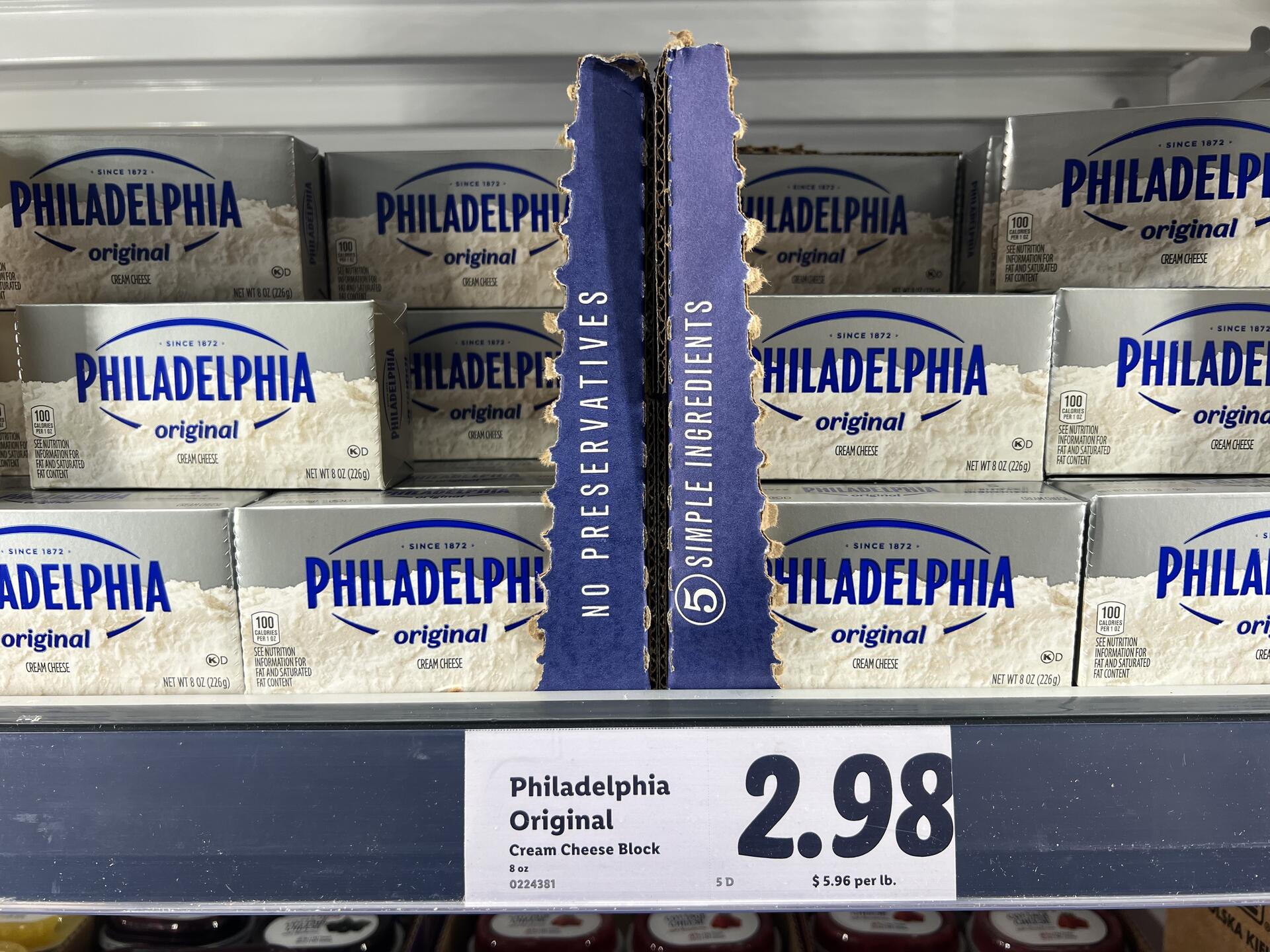
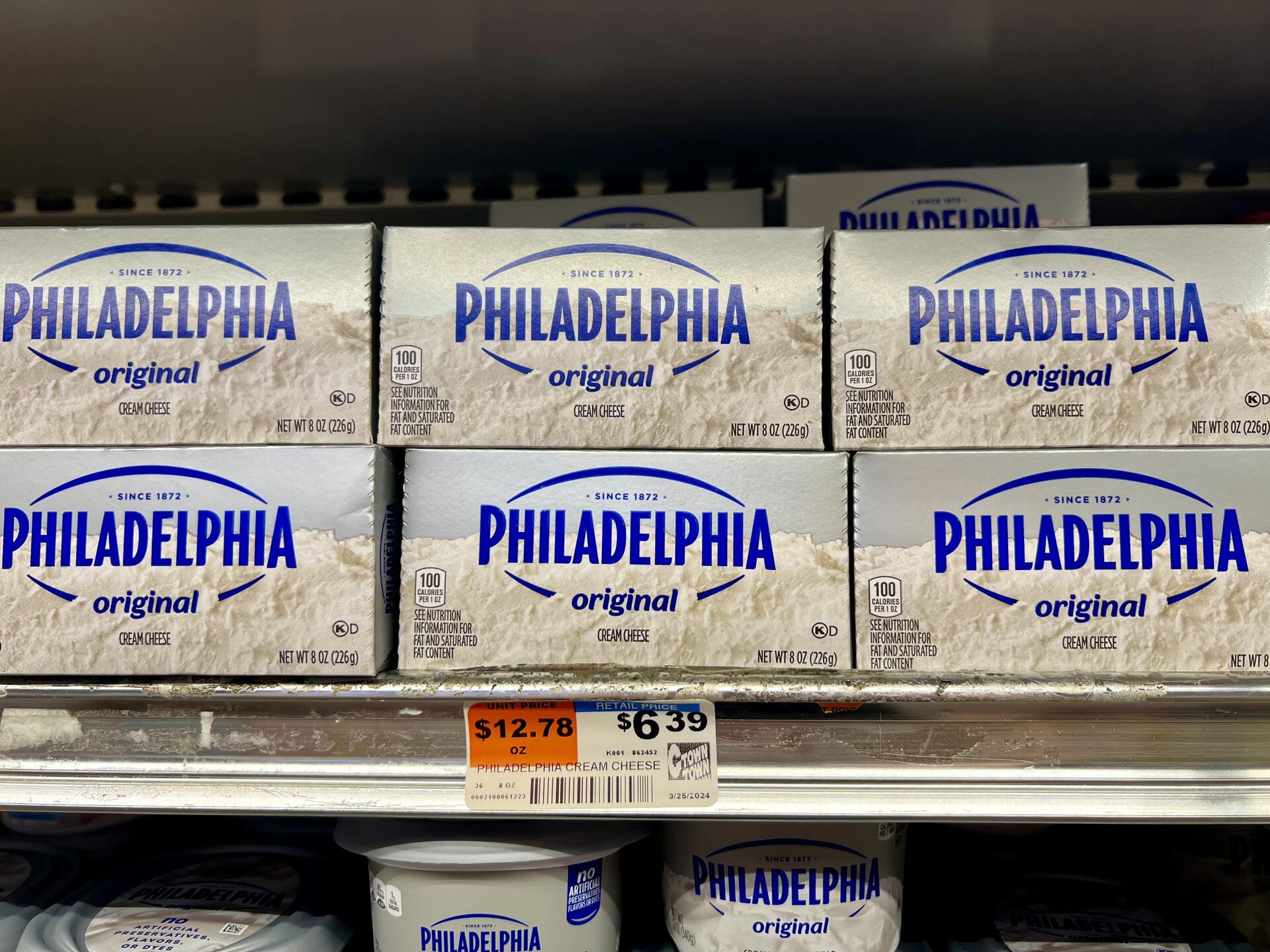
Same chain or different chain?

This is a sustainable eating paradigm. 23 hrs fasting, 1 hr eating meat. 🫶
Every seventh day, eat whatever you want (cheat day)
