Profile: 635bea4c...
 ?name=jahy.jpg
gm, mokou edition
 ?name=__fujiwara_no_mokou_touhou_drawn_by_hiiro60__bd105f6b2e3171b64c86cf011ba44b6e.jpg
nostr:npub1vdd75n9nzj09xp4z95xcw6gq7fjqr2m666tqkkphhf5cmpw6e8wscjtkfq nostr:npub1yda99e8qfn7z89uqmvk4pll5q063v48rxmsplgtkr9pjh6ppx0rsddlmlr no offense I thought you were proud of that fact lol
nostr:npub1mjrkwxveesgs0ctn0y46udtdzheefdvusu706r77qyfnd7uv2rlslew8z3 nostr:npub1yda99e8qfn7z89uqmvk4pll5q063v48rxmsplgtkr9pjh6ppx0rsddlmlr have a meme for this
 ?name=gay%20pride.jpeg
nostr:npub1vdd75n9nzj09xp4z95xcw6gq7fjqr2m666tqkkphhf5cmpw6e8wscjtkfq nostr:npub1yda99e8qfn7z89uqmvk4pll5q063v48rxmsplgtkr9pjh6ppx0rsddlmlr you niggas in that clique is all gay
nostr:npub1mjrkwxveesgs0ctn0y46udtdzheefdvusu706r77qyfnd7uv2rlslew8z3 nostr:npub1yda99e8qfn7z89uqmvk4pll5q063v48rxmsplgtkr9pjh6ppx0rsddlmlr this is what i get for being friends with someone smh. and no
 ?name=kick.png
is nostr:npub1yda99e8qfn7z89uqmvk4pll5q063v48rxmsplgtkr9pjh6ppx0rsddlmlr gay or european?

nostr:npub1vdd75n9nzj09xp4z95xcw6gq7fjqr2m666tqkkphhf5cmpw6e8wscjtkfq Reply for ACT IV:
> imagery of spring, fitting with when the play takes place and with the lunar/solar theme in connection to love.
I think this is spot on. It also ties back to how the Fairy King and Queen’s conflict was causing the seasons to be messed up. With the dissolution of Demetrius’s love for Hermia, we also have the “correct” seasons back
When Demetrius says
>But like a sickness did I loathe this food.
it reminded me of when Helena was saying she wished that Hermia’s looks could be contagious, so that she could catch them too and thereby catch Demetrius
nostr:npub1pt6l3a97fvywrxdlr7j0q8j2klwntng35c40cuhj2xmsxmz696uqfr6mf6 ACT V
>That is hot ice and wondrous strange snow!
>What are they that do play it?
Hard-handed men that work in Athens here,
Which never labored in their minds till now,
And now have toiled their unbreathed memories
With this same play, against your nuptial.
i think often one who hasn't labored in one's mind might produce something more wonderful than one who spends all their time doing nothing but that. it can be that labor stops one from becoming neurotic; what they produce will certainly be more innocent and genuine in a sense:
>I will hear that play,
For never anything can be amiss
When simpleness and duty tender it.
also, something that's 'so bad it's good' can never come from a cynical place or one where to be seen as bad is the intended effect. it has to be a completely genuine failure to achieve that.
>O wall, full often hast thou heard my moans
For parting my fair Pyramus and me.
My cherry lips have often kissed thy stones,
Thy stones with lime and hair knit up in thee.
they really really love this wall.
>O Pyramus, arise!
Speak, speak. Quite dumb?
Dead? Dead? A tomb
Must cover thy sweet eyes.
the quality of this play-within-a-play's writing contrasted with the quality of the rest of the play reminds me of reading an excerpt from a gnostic text and contrasting that with the bible
>For when the players are all dead, there need none to be blamed. Marry, if he that writ it had played Pyramus and hanged himself in Thisbe’s garter, it would have been a fine tragedy
oh wow.
>So shall all the couples three
Ever true in loving be,
And the blots of Nature’s hand
Shall not in their issue stand.
though the world often tries to prevent love from taking its course, in the end things tend to work out.
>That you have but slumbered here
While these visions did appear.
And this weak and idle theme,
No more yielding but a dream,
Gentles, do not reprehend.
nicely tying into the name and general themes of the play. all fiction is a dream that we use to distract ourselves and enjoy the feeling of these stories playing out, things we'd rarely or never experience firsthand. and when they do happen, life itself starts very much start seeming like a dream. a very sweet conclusion to the play.
 ?name=__konpaku_youmu_and_konpaku_youmu_touhou_drawn_by_purin_jiisan__f8a30a92feaaa2f517dfa65e661dcb2c.jpg
nostr:npub1pt6l3a97fvywrxdlr7j0q8j2klwntng35c40cuhj2xmsxmz696uqfr6mf6 ACT III opens with some funny moments as the performers think of disclaimers to put before their play, like saying the lion isn't really a lion or that the person playing the role of pyramus doesn't actually die, to avoid scaring the ladies. they settle on the lion speaking and politely introducing himself as the man playing him before making a million other changes. lions actually used to live in greece even after the classical period ended... anyway i have a feeling the play they're writing is going to suck
>The moon, methinks, looks with a wat’ry eye,
And when she weeps, weeps every little flower,
Lamenting some enforced chastity.
what a beautiful characterization and association, once again.
>We, Hermia, like two artificial gods,
Have with our needles created both one flower,
Both on one sampler, sitting on one cushion,
Both warbling of one song, both in one key,
As if our hands, our sides, voices, and minds
Had been incorporate. So we grew together
Like to a double cherry, seeming parted,
But yet an union in partition,
so hermia and helena were very close, now drifted apart by circumstances of love
>And made your other love, Demetrius,
Who even but now did spurn me with his foot,
To call me goddess, nymph, divine and rare,
Precious, celestial? Wherefore speaks he this
To her he hates?
"i love you!"
"who put you up to this?"
>Away, you Ethiop!
>Be certain, nothing truer, ’tis no jest
That I do hate thee and love Helena.
in this play hate is presented as the opposite of love; if you don't actively love someone you must hate them. in reality the opposite of love is indifference, and in fact love necessarily carries much hate within itself, and the two are inextricable.
>“Little” again? Nothing but “low” and “little”?
Why will you suffer her to flout me thus?
Let me come to her.
not often you see some teasing on physical attributes like height, at least not conducted like it is here among the two women.
>And yonder shines Aurora’s harbinger,
At whose approach, ghosts wand’ring here and
there
Troop home to churchyards. Damnèd spirits all,
That in crossways and floods have burial,
night is a magical time. it came to mind here that reading a play has an advantage over seeing one performed. when you go to see one the set-designers are responsible for creating the places where the play takes place, but reading it you can imagine it detached from any physical stage, any hall, any audience. the actors aren't actors, they simply are the characters, and portray themselves; grassy fields and castles and towns, you can imagine these places that could never perfectly be recreated on a stage in your own head.
 ?name=Konpaku.Youmu.600.1806517.jpg
nostr:npub1pt6l3a97fvywrxdlr7j0q8j2klwntng35c40cuhj2xmsxmz696uqfr6mf6 short notes on ACT IV
>So doth the woodbine the sweet honeysuckle
Gently entwist; the female ivy so
Enrings the barky fingers of the elm.
a surprisingly apt comparison. there are different types of vines as well, from strangler figs to vanilla orchids. they affect the tree they latch on to in better or worse ways, like when some people describe another's love as suffocating.
>But, my good lord, I wot not by what power
(But by some power it is) my love to Hermia,
Melted as the snow, seems to me now
As the remembrance of an idle gaud
Which in my childhood I did dote upon
imagery of spring, fitting with when the play takes place and with the lunar/solar theme in connection to love.
>These things seem small and undistinguishable,
Like far-off mountains turned into clouds.
often how love appears after the fact.
 ?name=__konpaku_youmu_saigyouji_yuyuko_and_konpaku_youmu_touhou_drawn_by_hoshii_1213__e43ce48a9173705c386f62f513755e3f.jpg
nostr:npub1pt6l3a97fvywrxdlr7j0q8j2klwntng35c40cuhj2xmsxmz696uqfr6mf6 on act II as well:
>But with thy brawls thou hast disturb'd our sport.
Therefore the winds, piping to us in vain,
As in revenge, have suck'd up from the sea
Contagious fogs; which falling in the land
Have every pelting river made so proud
That they have overborne their continents
here it's actually love being interrupted that causes bad things to happen instead of love itself causing them to happen like mentioned earlier, i get the feeling this might come up later
>And even for that do I love you the more.
I am your spaniel; and, Demetrius,
The more you beat me, I will fawn on you:
Use me but as your spaniel, spurn me, strike me,
Neglect me, lose me; only give me leave,
Unworthy as I am, to follow you.
this is relatable, though not to anything at the moment
>Your virtue is my privilege: for that
It is not night when I do see your face
again the lunar/solar motif in connection with love and the lack of it. very interesting
>Worm nor snail, do no offence.
it's so over 🐌
>I mean that my heart unto yours is knit,
So that but one heart we can make of it;
Two bosoms interchained with an oath—
So then two bosoms and a single troth.
reminds me of the idea in the symposium that men and women used to be one creature that was later separated. also the use of the word troth which is where betrothed comes from
funnily enough, as the first act mentioned men breaking their promises we have it happening right in the next act when lysander stops wanting to elope with hermia. it wasn't his fault but still
>Either death or you I’ll find immediately.
nice dramatic end.
 ?name=__konpaku_youmu_and_konpaku_youmu_touhou_drawn_by_sazanami_mio__970f9e0e6401bc442f75988af7d9cb7a.jpg
nostr:npub1pt6l3a97fvywrxdlr7j0q8j2klwntng35c40cuhj2xmsxmz696uqfr6mf6 ACT III opens with some funny moments as the performers think of disclaimers to put before their play, like saying the lion isn't really a lion or that the person playing the role of pyramus doesn't actually die, to avoid scaring the ladies. they settle on the lion speaking and politely introducing himself as the man playing him before making a million other changes. lions actually used to live in greece even after the classical period ended... anyway i have a feeling the play they're writing is going to suck
>The moon, methinks, looks with a wat’ry eye,
And when she weeps, weeps every little flower,
Lamenting some enforced chastity.
what a beautiful characterization and association, once again.
>We, Hermia, like two artificial gods,
Have with our needles created both one flower,
Both on one sampler, sitting on one cushion,
Both warbling of one song, both in one key,
As if our hands, our sides, voices, and minds
Had been incorporate. So we grew together
Like to a double cherry, seeming parted,
But yet an union in partition,
so hermia and helena were very close, now drifted apart by circumstances of love
>And made your other love, Demetrius,
Who even but now did spurn me with his foot,
To call me goddess, nymph, divine and rare,
Precious, celestial? Wherefore speaks he this
To her he hates?
"i love you!"
"who put you up to this?"
>Away, you Ethiop!
>Be certain, nothing truer, ’tis no jest
That I do hate thee and love Helena.
in this play hate is presented as the opposite of love; if you don't actively love someone you must hate them. in reality the opposite of love is indifference, and in fact love necessarily carries much hate within itself, and the two are inextricable.
>“Little” again? Nothing but “low” and “little”?
Why will you suffer her to flout me thus?
Let me come to her.
not often you see some teasing on physical attributes like height, at least not conducted like it is here among the two women.
>And yonder shines Aurora’s harbinger,
At whose approach, ghosts wand’ring here and
there
Troop home to churchyards. Damnèd spirits all,
That in crossways and floods have burial,
night is a magical time. it came to mind here that reading a play has an advantage over seeing one performed. when you go to see one the set-designers are responsible for creating the places where the play takes place, but reading it you can imagine it detached from any physical stage, any hall, any audience. the actors aren't actors, they simply are the characters, and portray themselves; grassy fields and castles and towns, you can imagine these places that could never perfectly be recreated on a stage in your own head.
?name=Konpaku.Youmu.600.1806517.jpg
nostr:npub1vdd75n9nzj09xp4z95xcw6gq7fjqr2m666tqkkphhf5cmpw6e8wscjtkfq Act II cont'd:
---
Helena is such a fucking yandere
> I am your spaniel, and, Demetrius,
> The more you beat me I will fawn on you.
> Use me but as your spaniel: spurn me, strike me,
> Neglect me, lose me; only give me leave
> (Unworthy as I am) to follow you.
The fairies' lullaby for their queen is adorable. The idea that bugs and snakes could be threats to them really underscores how small they are. It looks like Titania uses discarded snake skins as sleeping bags?
> And there the snake throws her enameled skin,
> Weed wide enough to wrap a fairy in.
The part where Lysander says "One heart, one bed, two bosoms, and one troth." feels like classic Shakespearean wordplay. It seems like three meanings of "lie" are at play: to lie down and sleep with someone, to lie by not telling the truth, and to lie in death (which meaning reappears later when Hermia wakes up Lysander *because* she worries that he might be dead).
My absolute *favorite* part of Act 2 comes at the end, where Lysander, under the influence of the love potion, falls in love with Helena and attributes it to his now-fully-matured *reason*. It is an obvious truism that reason is more often used to 'rationalize' an irrational opinion than to 'be rational' in the first place, and nowhere else is this more clear than when someone tries to 'rationally' explain why they are in love. It is the logical conclusion of all the 'comparing between Hermia and Helena' which has gone on in this play. What an amazingly fitting end to an act which is all about the capricious spirits of the unreasonable and unreasoned.
I haven't read ahead or read any spoilers. I want to lock in a prediction: the 'foul beast' which Titania falls in love with will be Snug the joiner, "slow of study", whose only part in the play is to roar like a lion.
---
nostr:npub1pt6l3a97fvywrxdlr7j0q8j2klwntng35c40cuhj2xmsxmz696uqfr6mf6 on act II as well:
>But with thy brawls thou hast disturb'd our sport.
Therefore the winds, piping to us in vain,
As in revenge, have suck'd up from the sea
Contagious fogs; which falling in the land
Have every pelting river made so proud
That they have overborne their continents
here it's actually love being interrupted that causes bad things to happen instead of love itself causing them to happen like mentioned earlier, i get the feeling this might come up later
>And even for that do I love you the more.
I am your spaniel; and, Demetrius,
The more you beat me, I will fawn on you:
Use me but as your spaniel, spurn me, strike me,
Neglect me, lose me; only give me leave,
Unworthy as I am, to follow you.
this is relatable, though not to anything at the moment
>Your virtue is my privilege: for that
It is not night when I do see your face
again the lunar/solar motif in connection with love and the lack of it. very interesting
>Worm nor snail, do no offence.
it's so over 🐌
>I mean that my heart unto yours is knit,
So that but one heart we can make of it;
Two bosoms interchained with an oath—
So then two bosoms and a single troth.
reminds me of the idea in the symposium that men and women used to be one creature that was later separated. also the use of the word troth which is where betrothed comes from
funnily enough, as the first act mentioned men breaking their promises we have it happening right in the next act when lysander stops wanting to elope with hermia. it wasn't his fault but still
>Either death or you I’ll find immediately.
nice dramatic end.
?name=__konpaku_youmu_and_konpaku_youmu_touhou_drawn_by_sazanami_mio__970f9e0e6401bc442f75988af7d9cb7a.jpg
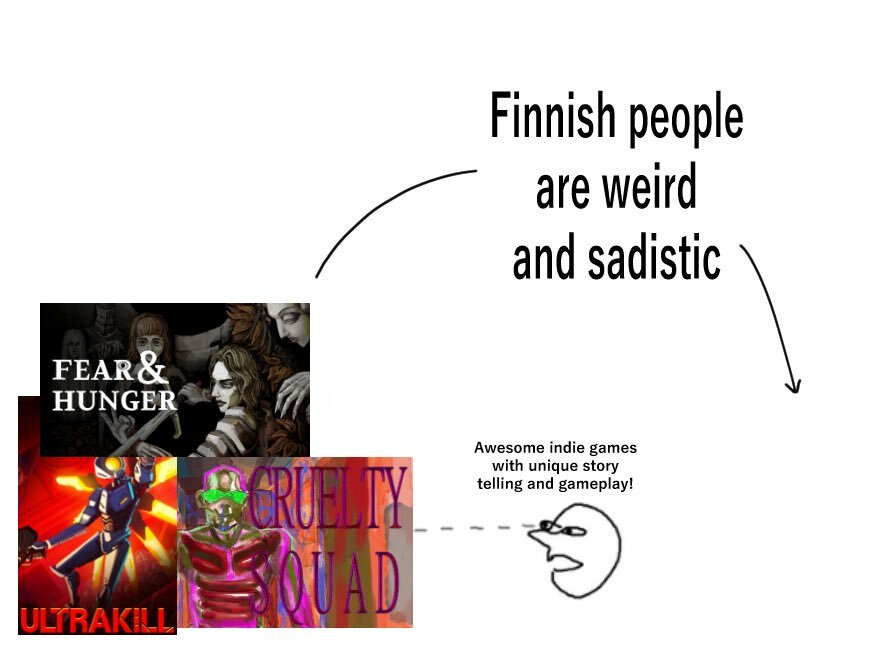
nostr:npub1g0uss0sjsgxwmhqxgnvlj0zv9ru89xwfyktkcjc0kgy8syxj79ss383vfw well, weird i will accept
 ?name=c0d4fd1a135ec65083030300696a97c4c4368874d12ab3f0537150c976a2b185.jpg