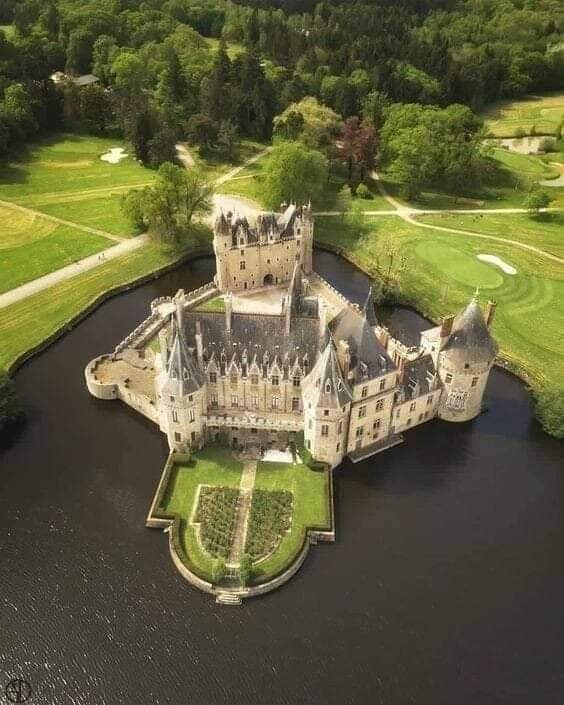
Château de la Bretesche; a 14th Century CE, structure situated in Loire-Atlantique, Missillac, France.
Castle was renovated in late 15th Century CE, a defense tower that hangs over main gate of castle and is derived from Low Latin word Brittisca, which means British Fortification, was later inspired from Parapet in 10th Century CE.
Since January 7th, 1926, castle has been recognized as a historic monument.
#archaeohistories
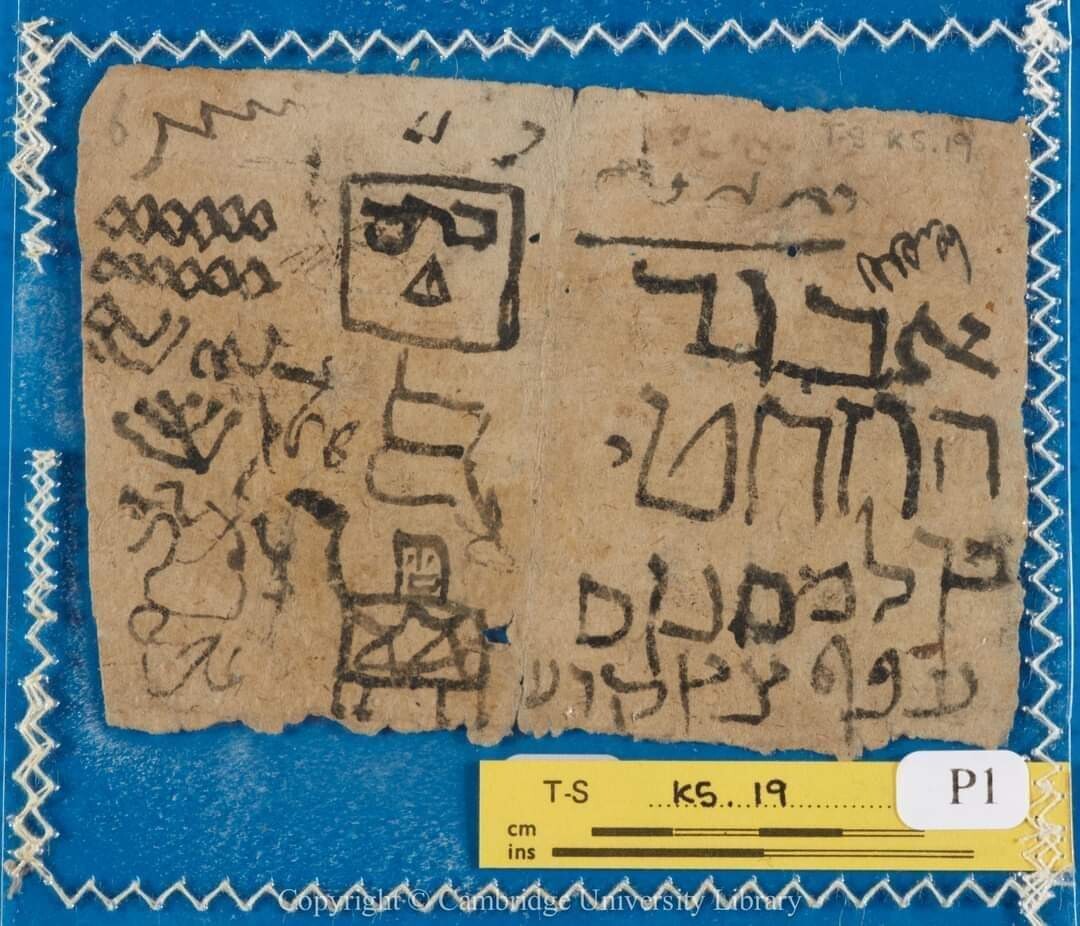
This is how a Jewish child learned to write his first letters in Middle Ages.
Document comes from famous Geniza of Ben Ezra Synagogue in Cairo (Cairo Geniza), where about 300,000 documents were discovered, oldest of which date back to 9th Century CE.
Here we see letters together with children's drawings, probably representing a menorah and a man or a camel.
Cambridge Digital Library
#archaeohistories
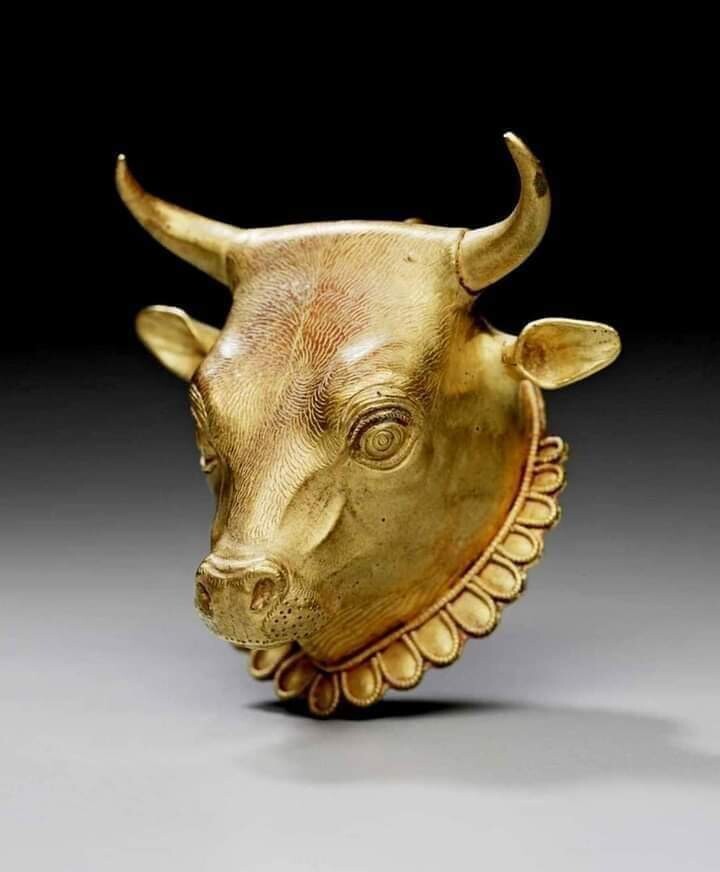
Part of Hellenic Gold Necklace , depicts Head of a bull (400-300 BC), found in Izmir, Anatolia, Türkiye.
The use of bull symbol in jewelry is common in 5th-4th Centuries BC. Whether with beads, with other necklaces or individually like here. Associated with various gods and heroes, bull was important to classical Greek religion and myth.
Museum of Fine Arts, Boston
#archaeohistories
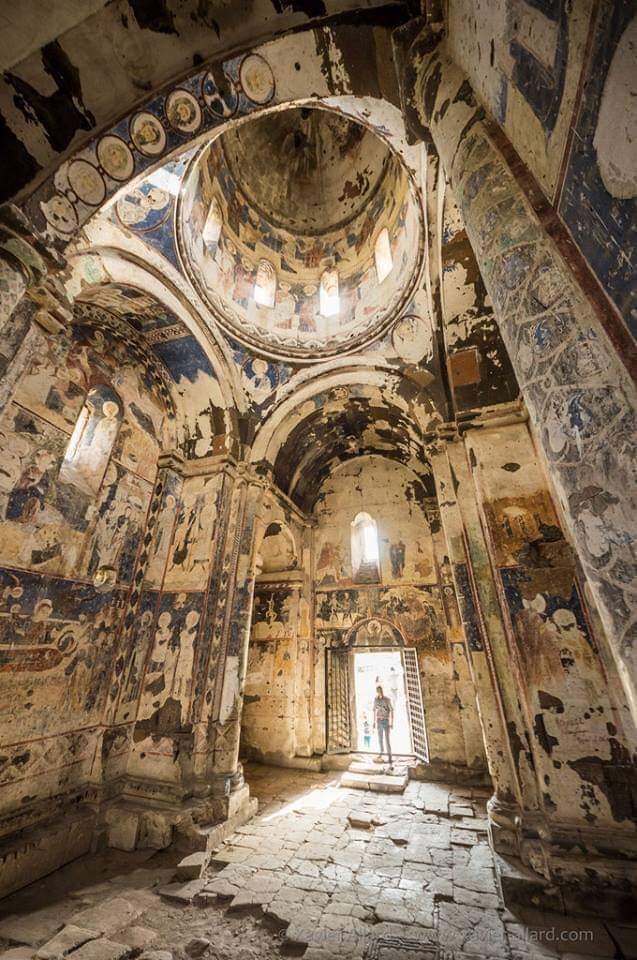
Tigran Honents Church - Kars, Türkiye.
Church was built in 1215 CE, by Tigran Honents (a merchant from Avi), on a terrace-shaped land rising on place where Mığmığ Stream meets Arpaçay River in northeast of Ani Ruins.
Church is particularly striking with its interior frescoes. In interior walls and dome of church, Hz. There are frescoes that symbolize events from birth of Jesus to his death.
#archaeohistories
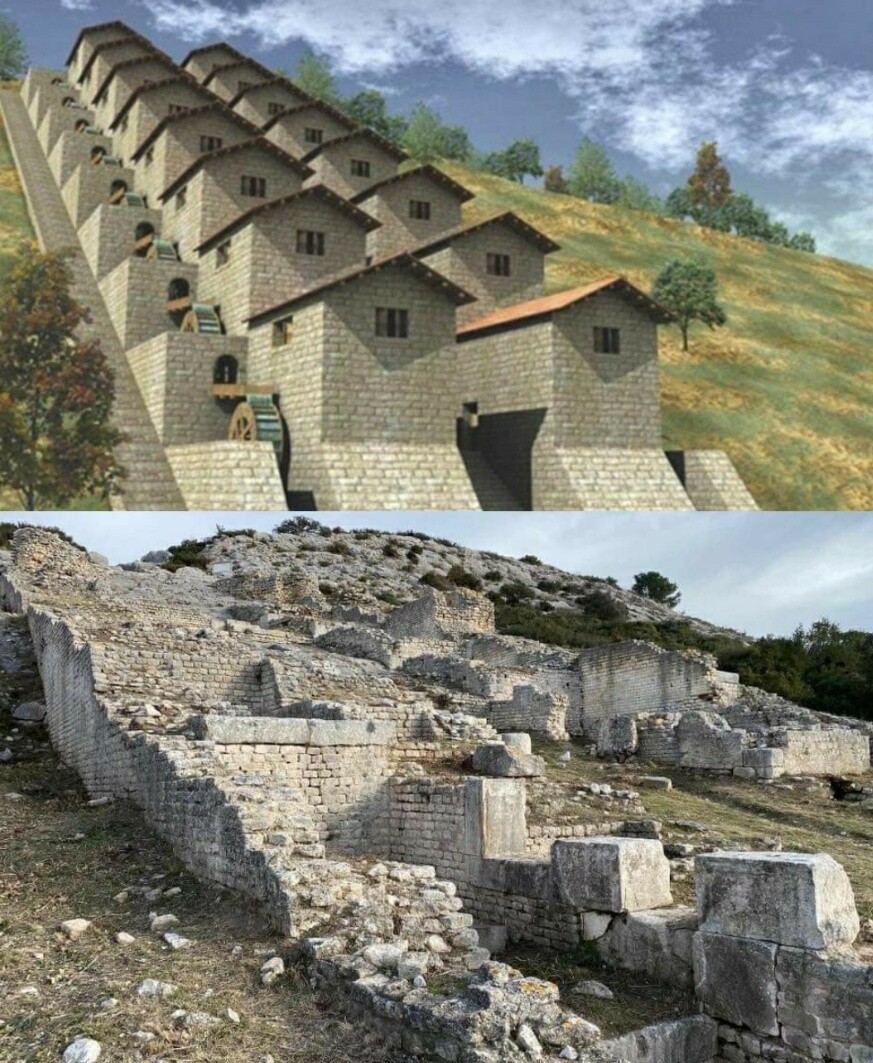
Then vs Now :
The complex of sixteen Barbegal Watermills built by the Romans (2nd Century BC), in southern France. An estimated 25 tons of flour was produced daily.
#archaeohistories
Shell Goblet (4th Century AD); found in beneath streets of Kartäuserhof, Rhineland-Palatinate, Germany.
Made of colorless glass with an applied decoration of shells and white, yellow and blue glass threads.
(H: 20.8cm)
Römisch - Germanisches Museum
#archaeohistories

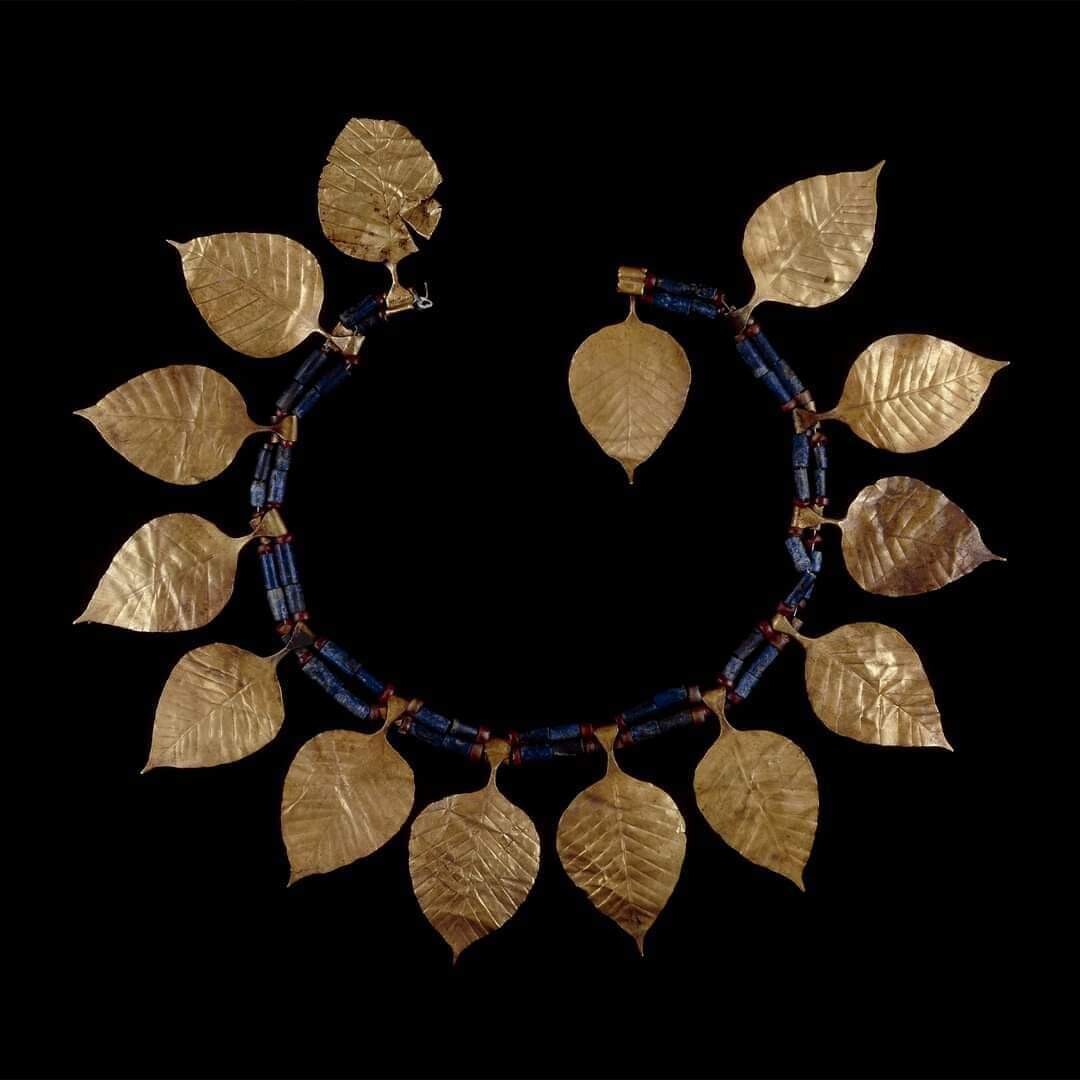
Head Ornament (2600-2500 BC), with a double string of beads and gold leaf-shaped pendants, from Ur (modern-day Iraq).
This head ornament features gold leaf-shaped pendants on a string of lapis lazuli and carnelian beads.
In ancient Mesopotamian, lapis lazuli was highly prized and expensive because of its brilliant blue colour, and because it had to be transported from far away.
British Museum
#archaeohistories
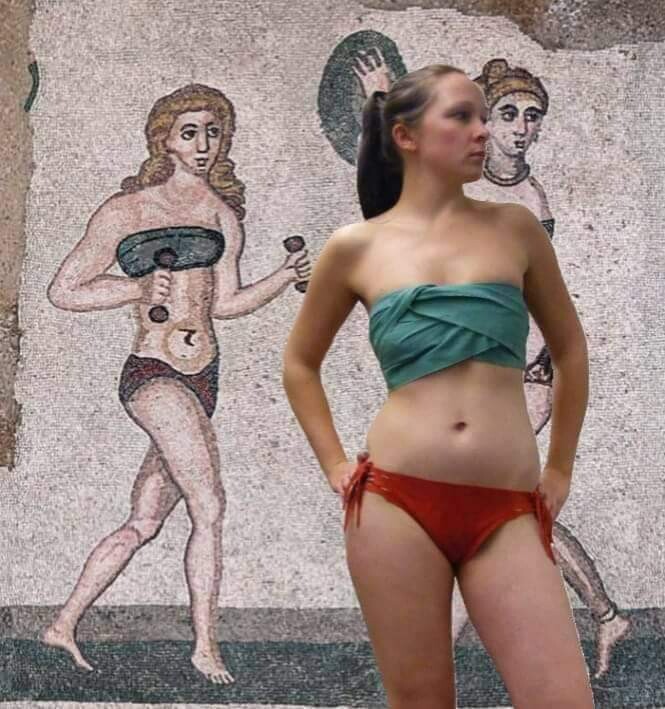
Reconstruction of an ancient Roman bikini on basis of a mosaic from Villa Romana del Casale in Sicily, Italy.
Mosaic from 4th Century CE from Villa Romana del Casale in Sicily in "Ten Young Girls" room shows young women doing various sports exercises and receiving awards.
Girls' outfits are confusingly similar
to modern bikinis. At same time, myth incorrectly entrenched in school textbooks, bikini as an invention of 20th Century collapses.
#archaeohistories
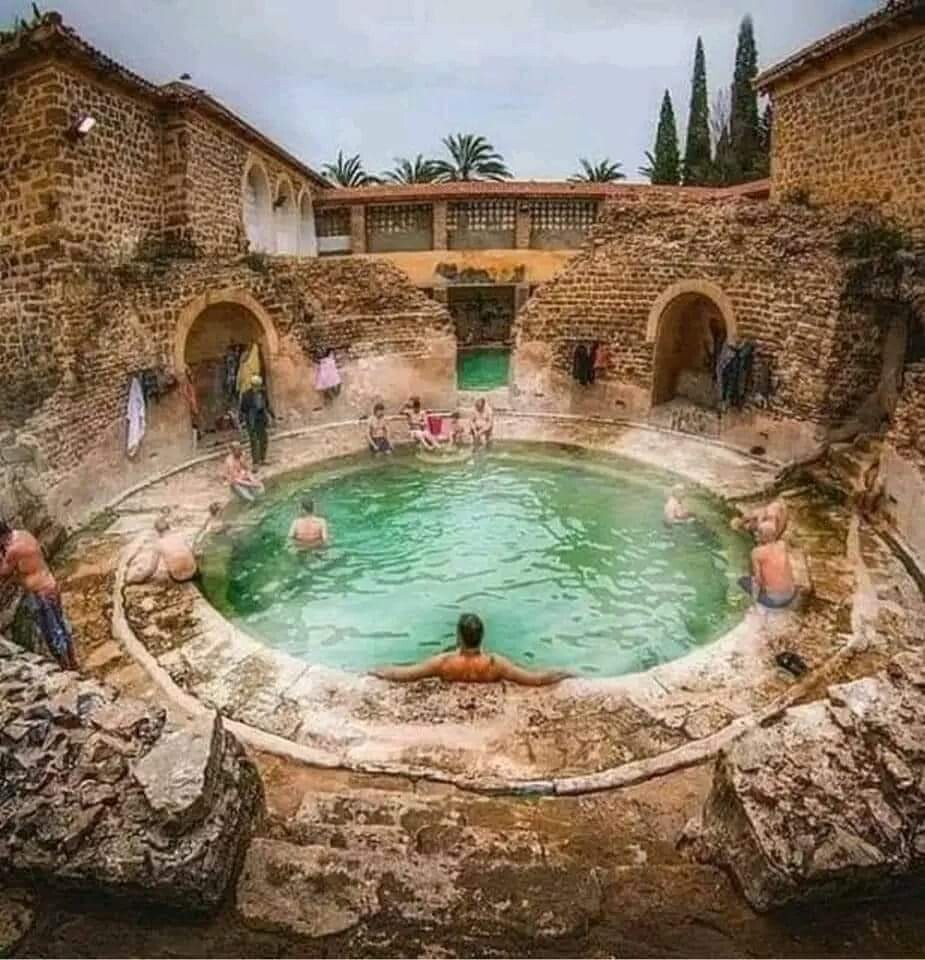
A Roman Bathhouse, still in use after 2,000 years in Khenchela, Algeria.
#archaeohistories
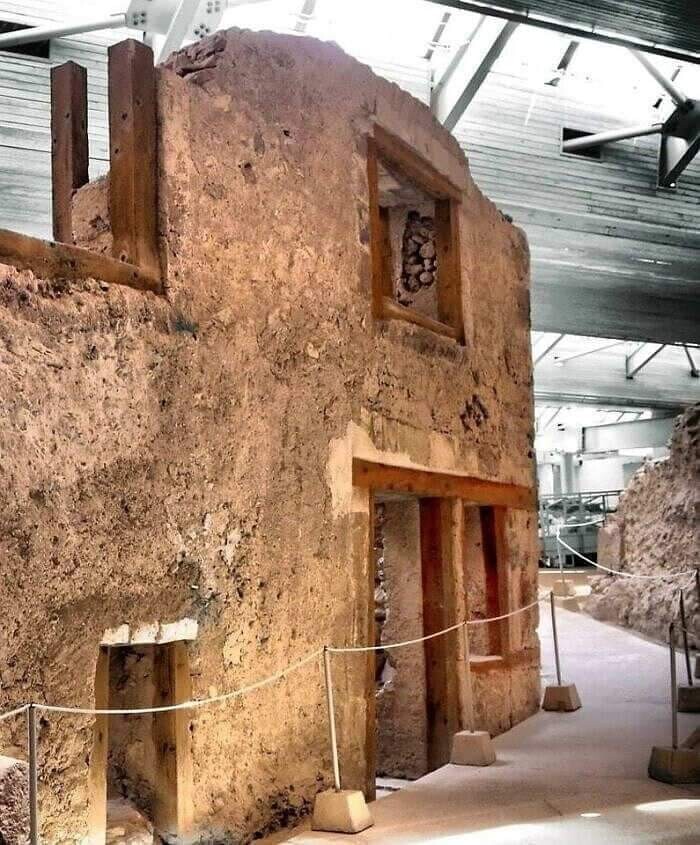
Remains of a house from Bronze Age settlement of Akrotiri in Santorini, Greece. It was destroyed and buried by eruption of Santorini volcano in 1628 BC.
It came to light again in 1967 thanks to excavations commissioned by archaeologist Spyridōn Marinatos. Precisely because of deposit of volcanic ash on city, buildings, frescoes and ceramics have been preserved, which is why it is also called "Pompeii of the Aegean".
#archaeohistories
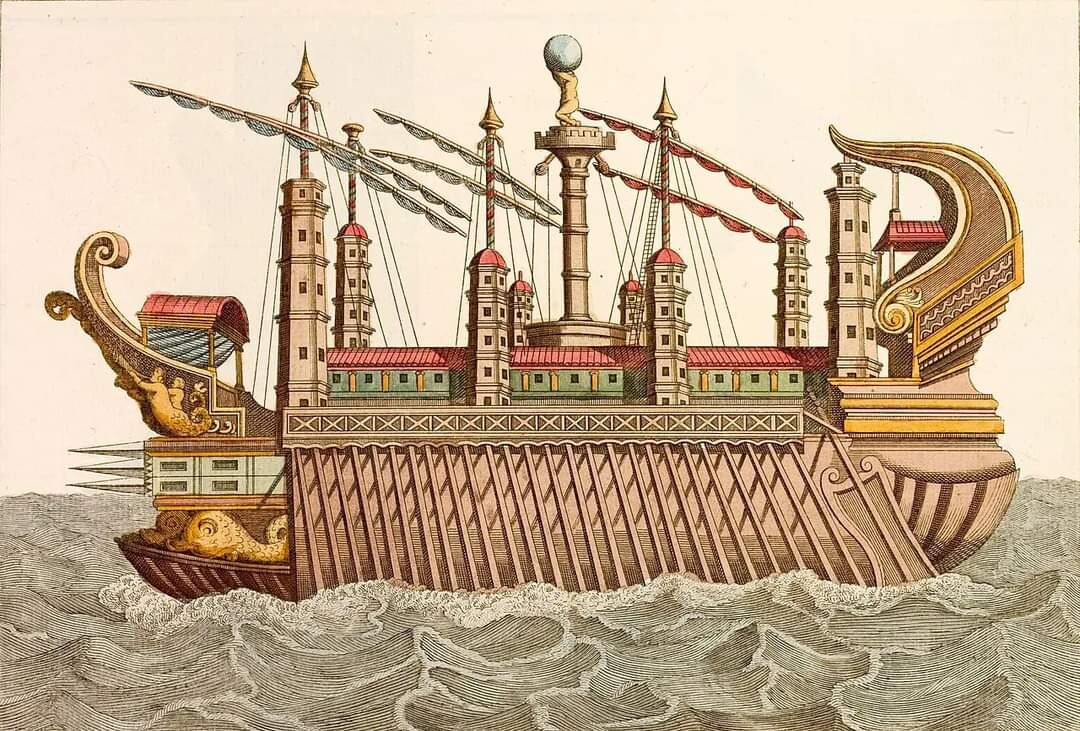
"Syracusia"; world's first luxury liner, designed by Archimedes and built in 240 BC, by Archias of Corinth, on orders of Hieron II of Syracuse, was given name Syracusia.
Detailed Post -
https://www.instagram.com/p/CvVTfmNBTIK/?igshid=MzRlODBiNWFlZA==
#archaeohistories