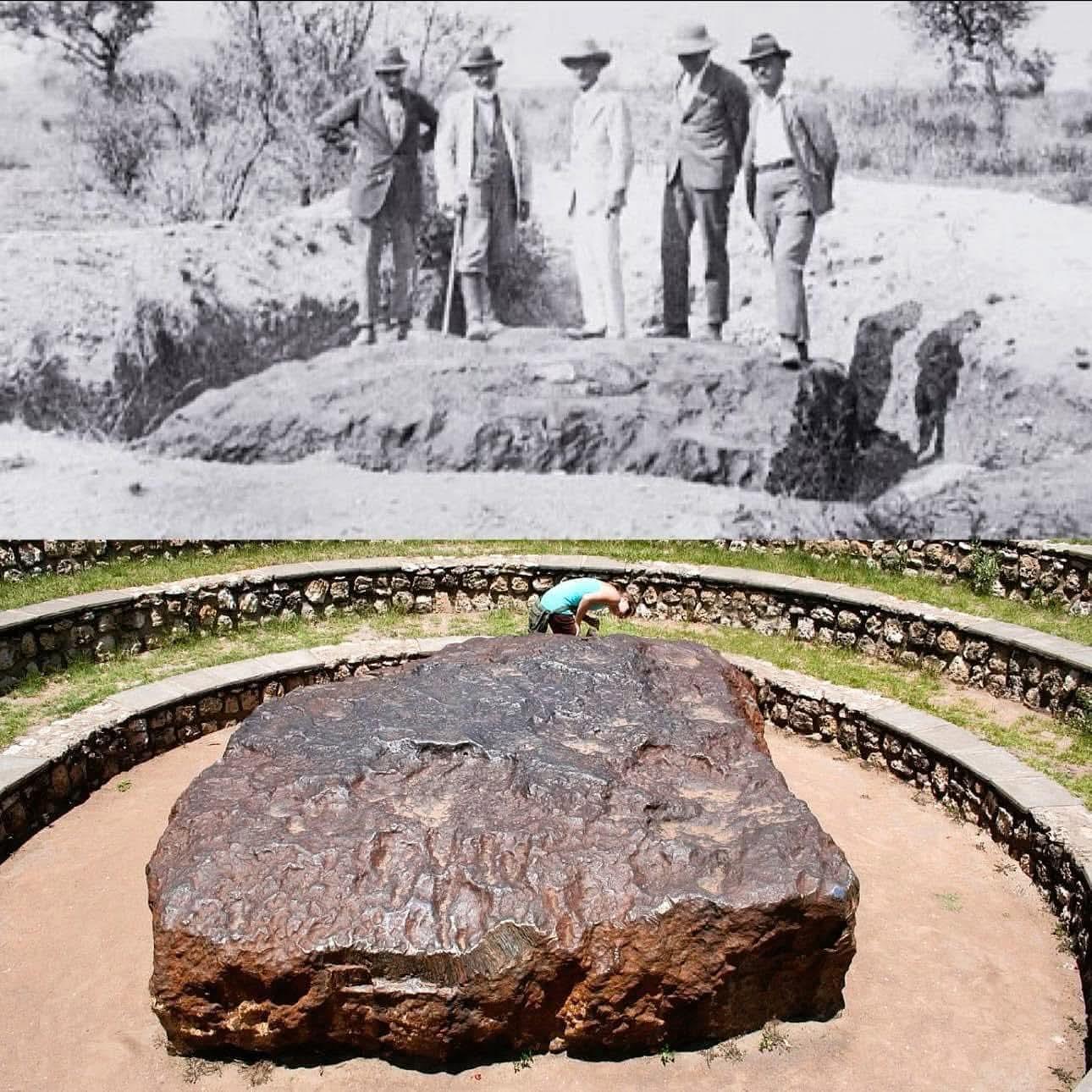
Discovered accidentally by a farmer in Namibia 🇳🇦, the Hoba meteorite remains a mysterious marvel. This mammoth slab of iron, weighing a staggering 60 tons, is Earth’s largest natural chunk of iron. It’s estimated to have impacted our planet some 80,000 years ago, and one of the most fascinating aspects of the meteorite is that it left no impact crater, despite its immense size.
#archaeohistories
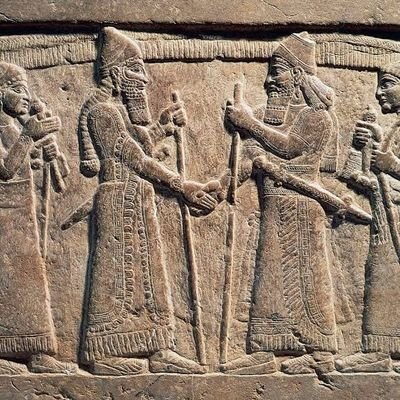
The Van Gogh Experience 😀
#archaeohistories

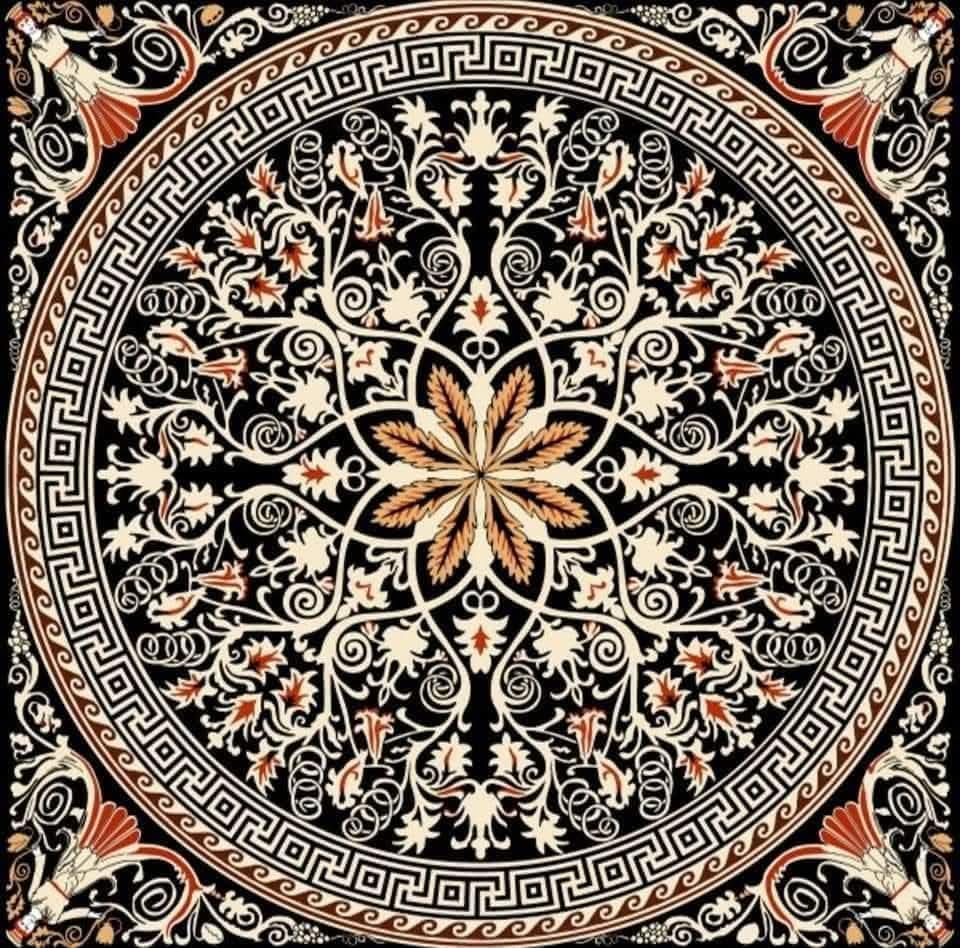
One of the most beautiful ancient Greek mosaics on the floor of King Philippos II's palace, Vergina, Macedonia - northern Greece 🇬🇷, dating back to the 4th Century BC. It is located in the ancient city of Aigai, the first capital of the Kingdom of Macedonia.
These beautiful floors were made of pebbles and were used to decorate the floor of the palace of Philip II, father of Alexander the Great.
#archaeohistories
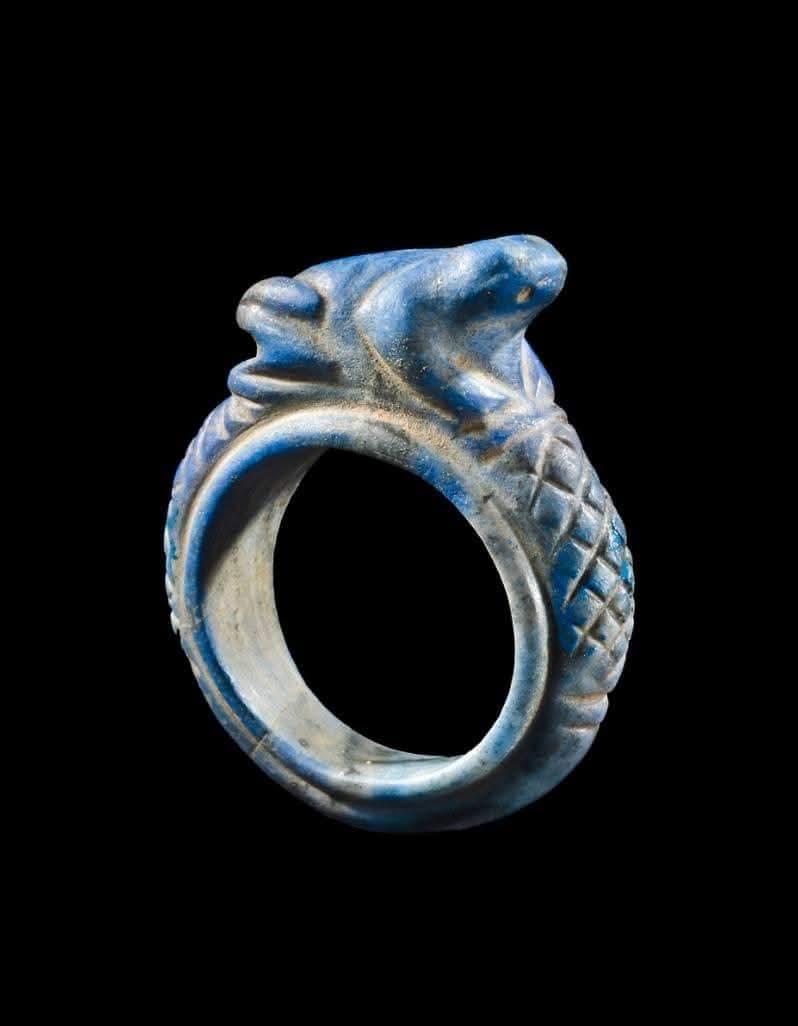
Ancient Egyptian Frog Ring, dated to 18th-19th Dynasties of the New Kingdom (1543-1187 BC) - Thebes, Egypt 🇪🇬
MET Museum
#archaeohistories
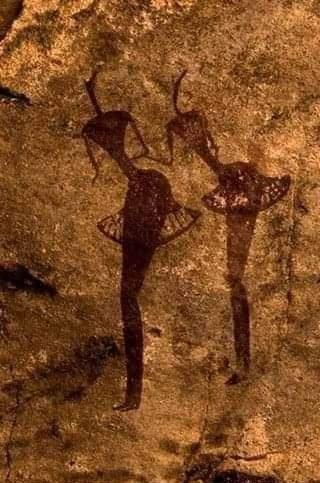
Very elegantly dressed ladies on a cave painting from Tassili n'Ajjer, Algeria, estimated to be 16,000 years old.
#archaeohistories
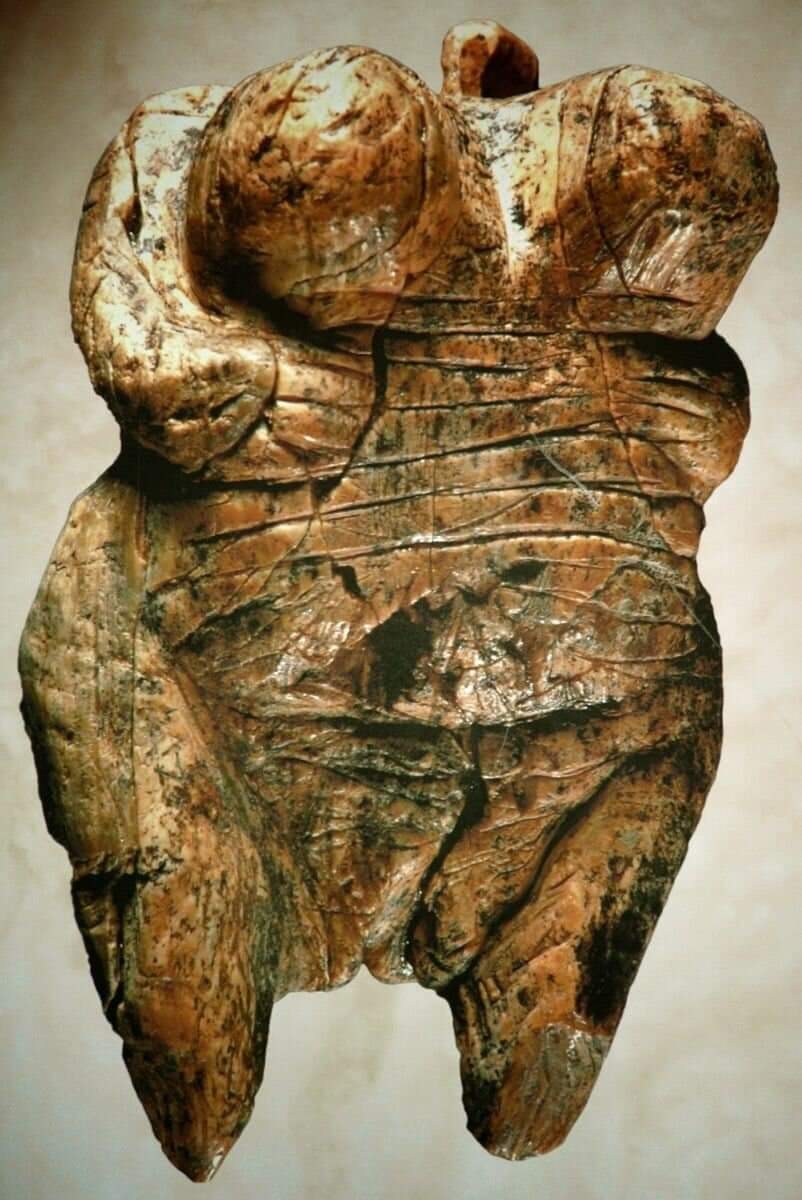
Venus of Hohle Fels (Venus of Schelklingen), an Upper Paleolithic Venus figurine made of mammoth ivory that was unearthed in 2008 in Hohle Fels, a cave near Schelklingen, Germany.
It is dated to between 40,000 and 35,000 years ago, belonging to the early Aurignacian, at the very beginning of the Upper Paleolithic, which is associated with the earliest presence of Cro-Magnon in Europe.
Prehistoric Museum of Blaubeuren
#archaeohistories
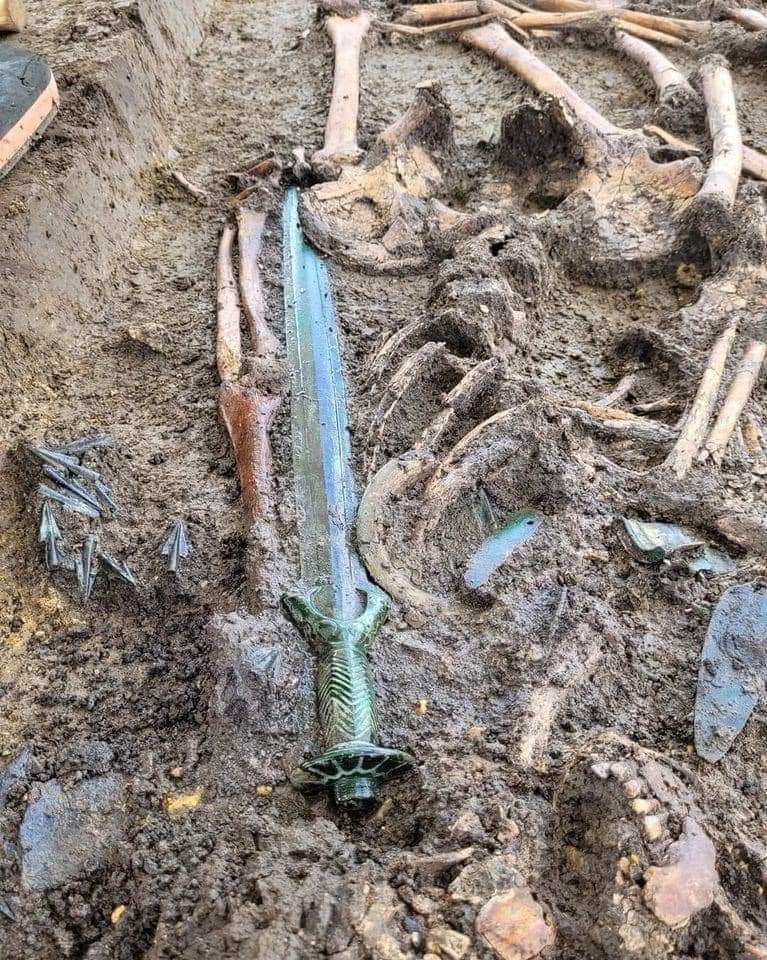
Archaeologists from the Bavarian State Office for the Preservation of Monuments, have unveiled a remarkable find; a meticulously preserved Bronze Age sword dating back 3000 years.
This discovery unfolded in the historic town of Nördlingen, nestled within the picturesque landscapes of Bavaria, Germany.
#archaeohistories
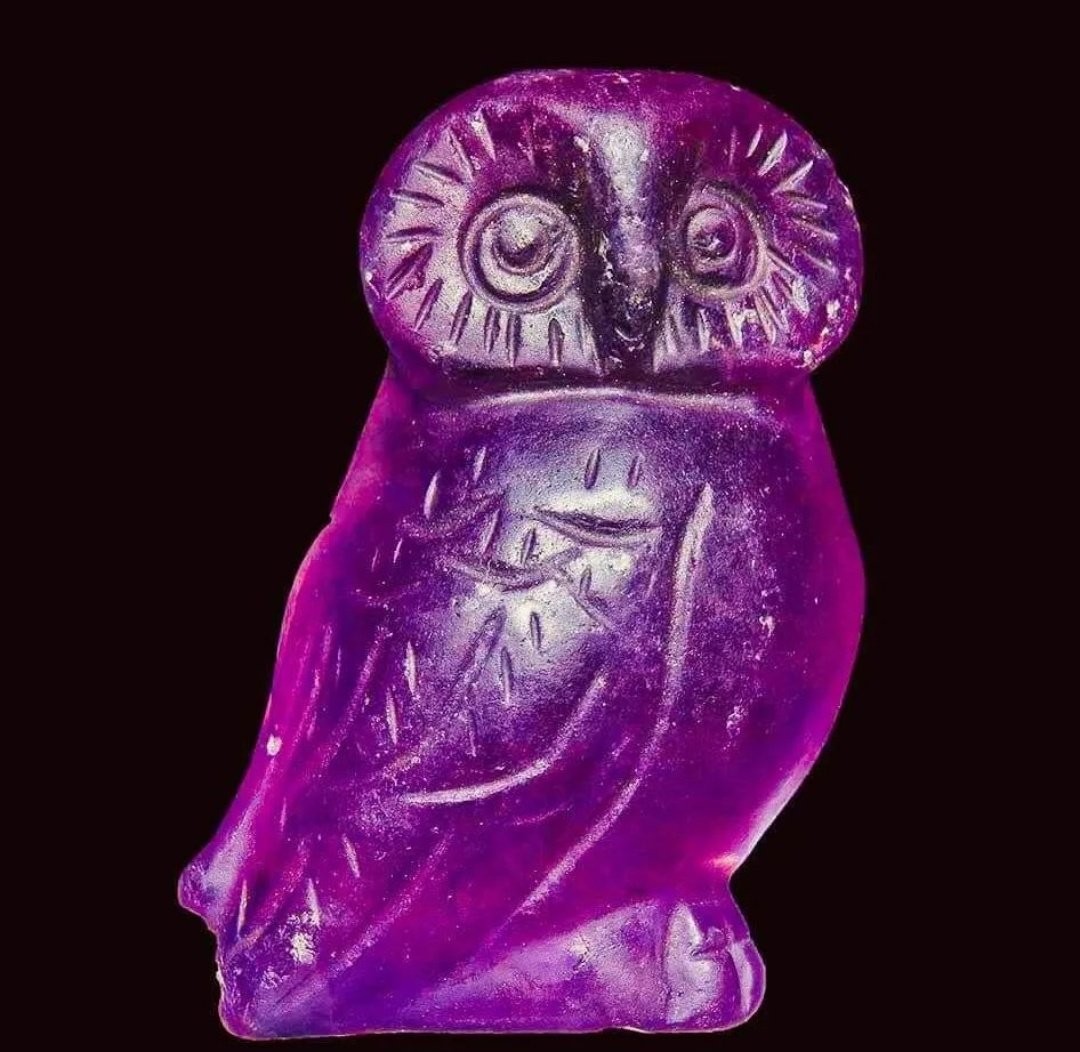
Owl - eastern Greek fluorite carved idol, 4th-3rd Century BC. (H: 48mm)
Private Collection, East London, UK
#archaeohistories
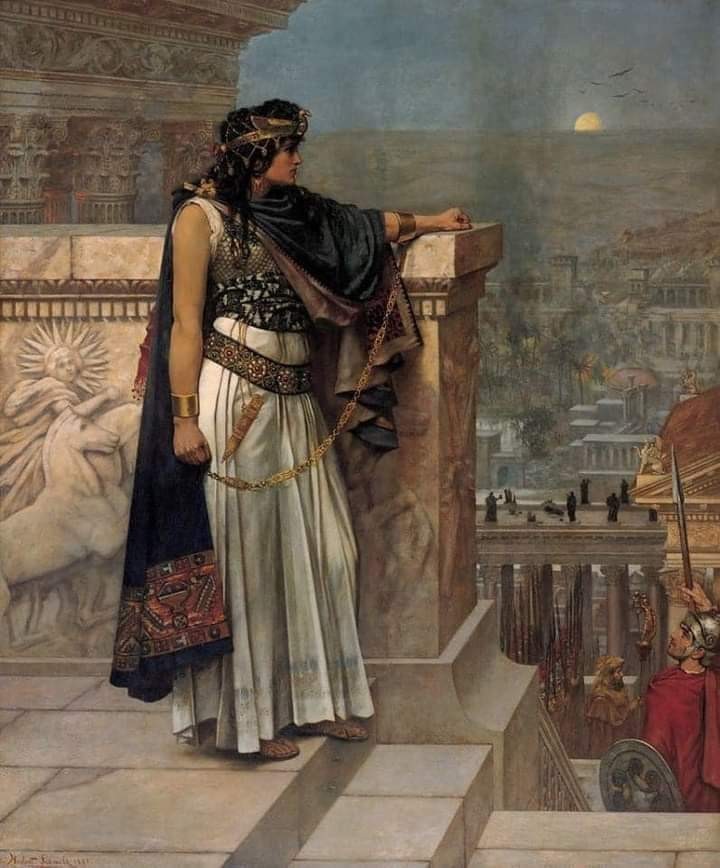
Zenobia's last look on Palmyra; by Herbert Gustave Schmalz, 1888 CE.
Zenobia, Queen of Palmyrene Empire (260-273 CE) whose rebellion was destroyed by Roman Emperor Aurelian (214-275 CE), she was chained and taken from Palmyra to Rome. Her ultimate fate is unknown.
Interesting Claim - a soldier at bottom right of picture, who was assigned to kill Zenobia, but could not fulfill his duty because he fell in love with her as soon as he saw her.
Art Gallery of South Australia, Adelaide
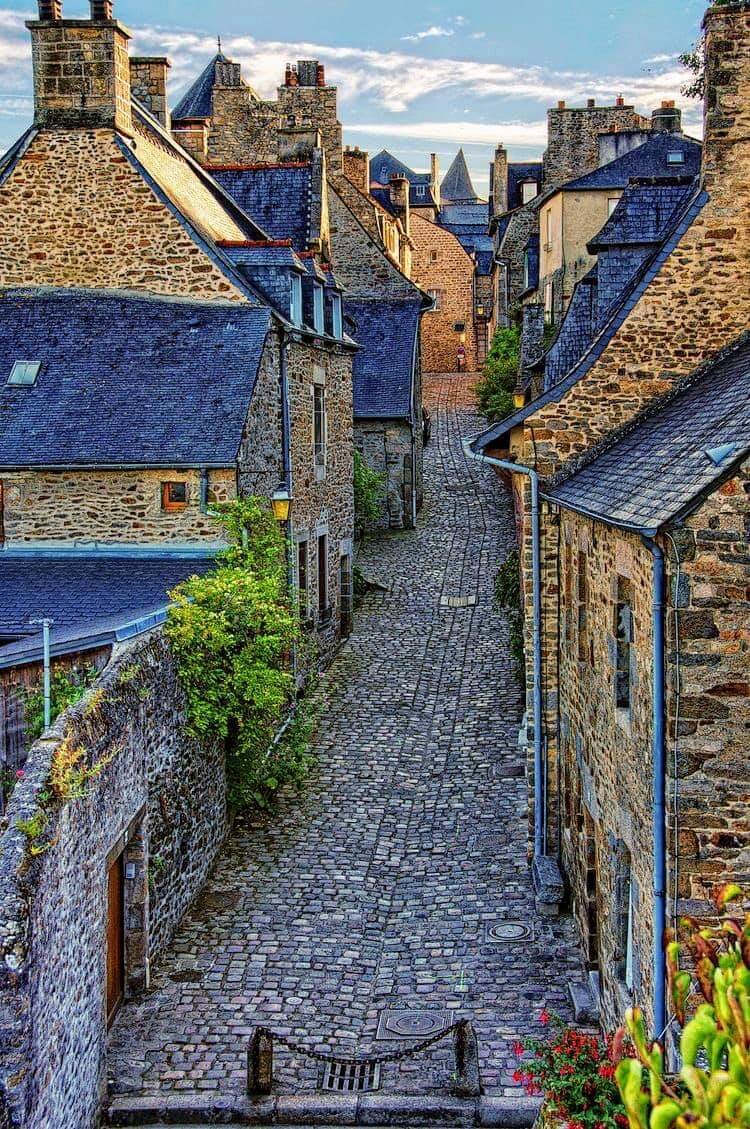
Medieval Street and Architecture; Dinan, France.
Dinan, a medieval walled town has preserved many 'Medieval Timbered Houses', These half-timbered houses and houses with pointed gables are a reminder of town’s wealthy past. Walls of town, dating from 11th Century CE. Town survived two 14th Century CE, attacks by English.
From 14th-18th Centuries CE, town was busy with weavers and tanners. Town still preserved its fine 18th Century CE, granite buildings, its Gothic bridge.
#archaeohistories
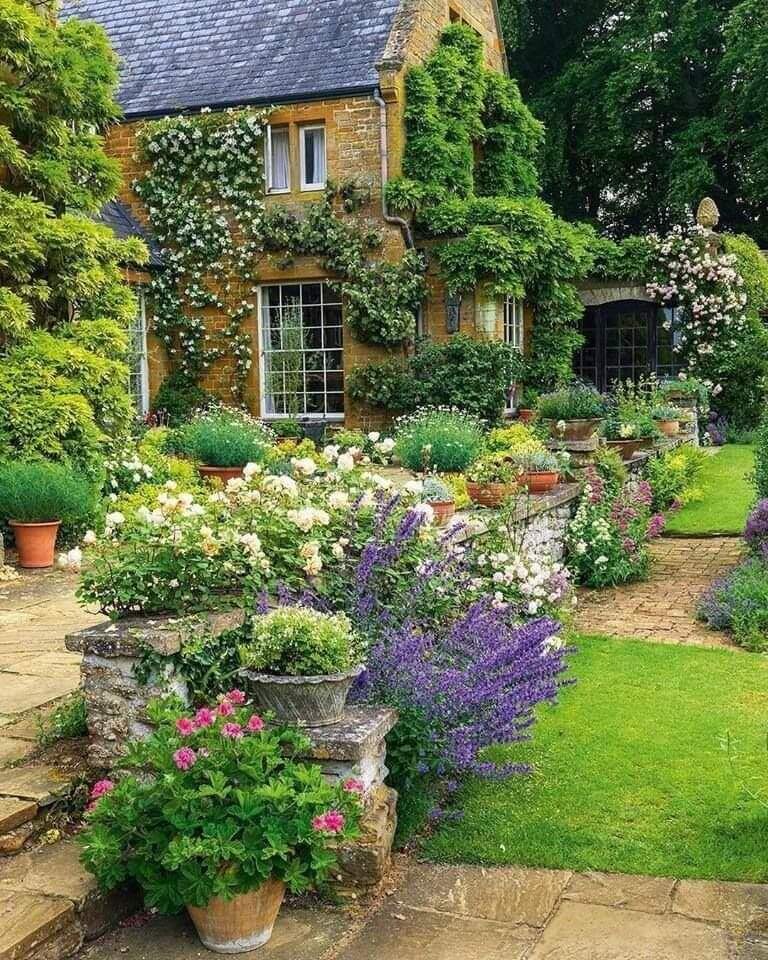
English Garden; a style of "landscape" garden which emerged in England in early 18th Century AD, and spread across Europe, replacing more formal, symmetrical French formal garden which had emerged in 17th Century AD, as principal gardening style of Europe.
#archaeohistories
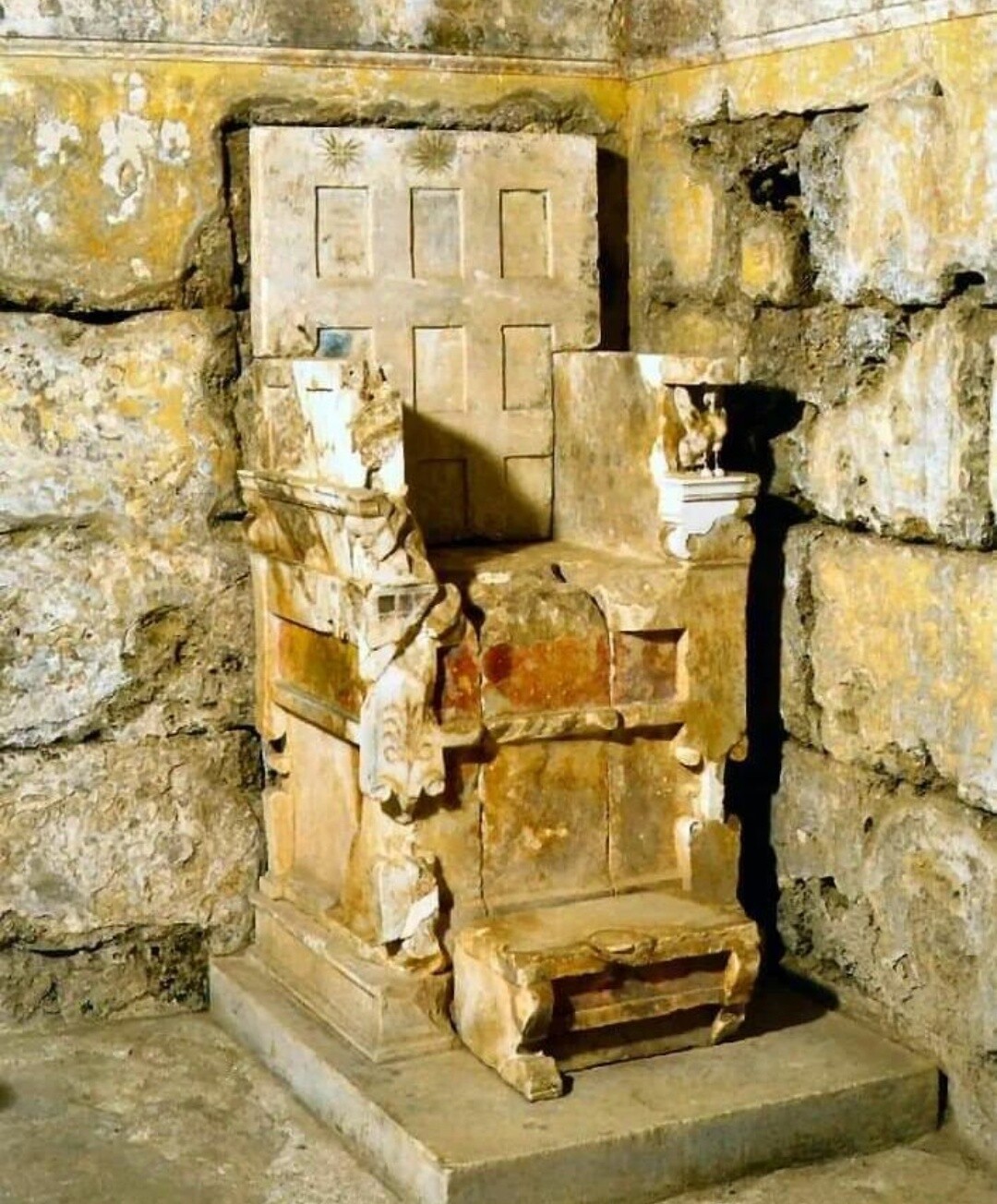
Marble Throne of a late 4th Century BC, Queen from a tomb at Aegae, Greece.
Throne was found in another royal tomb close by tomb of Eurydice I by K. A. Rhomaios in 1938. It was in pieces, but has since been reconstructed and it has sphinxes as supporters for both arm rests and also royal Macedonian starbursts at head of its back panel.
Aegae was original capital of Macedonians, an ancient kingdom in Emathia in northern Greece, also burial-place of Macedonian kings, Vergina.
#archaeohistories
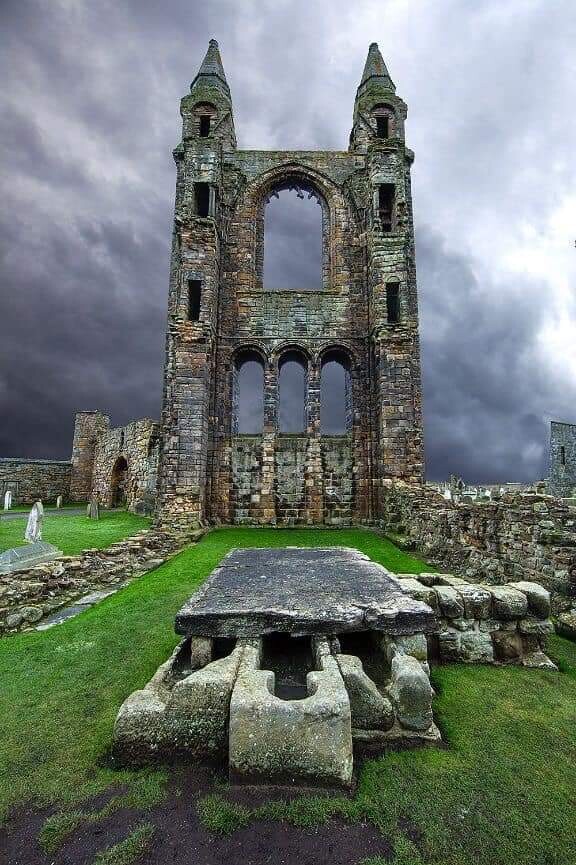
Cathedral of St Andrew; a ruined Cathedral in St Andrews, Fife, Scotland.
It was built in 1158 AD, and became centre of Medieval Catholic Church in Scotland as seat of Archdiocese of St Andrews and Bishops and Archbishops of St Andrews.
It fell into disuse and ruin after Catholic mass was outlawed during 16th Century AD, Scottish Reformation. It is currently a monument in custody of Historic Environment Scotland.
#archaeohistories
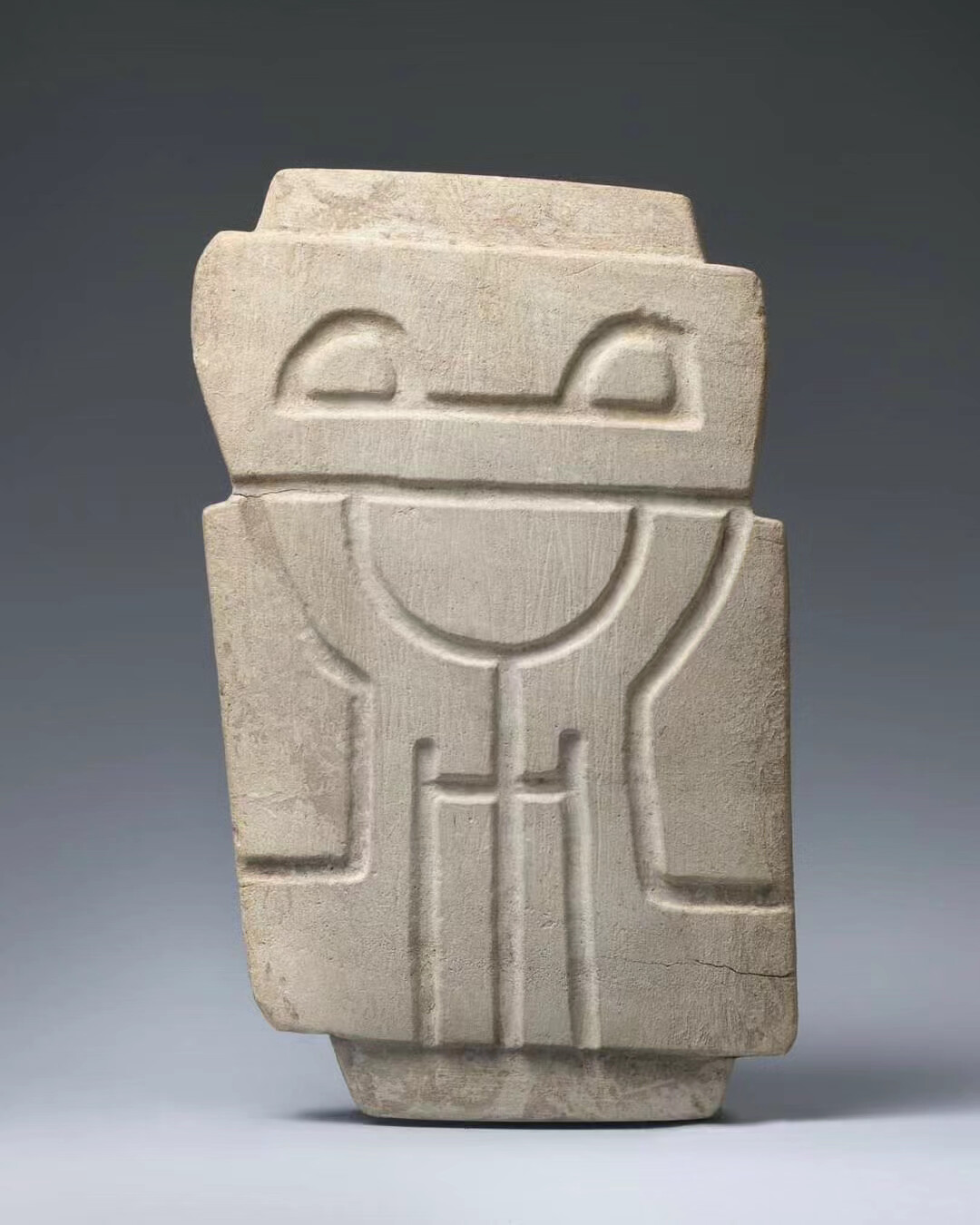
Valdivia Stone Figures (2300-2000 BC), Colombia.
Between 2300-2000 BC, Valdivia culture's Piquigua phase produced abstract standing figures with stylized anthropomorphic owl motifs.
Detailed Post -
https://www.instagram.com/p/CxIHpZ6P2uN/?igshid=MzRlODBiNWFlZA==
MET Museum
#archaeohistories
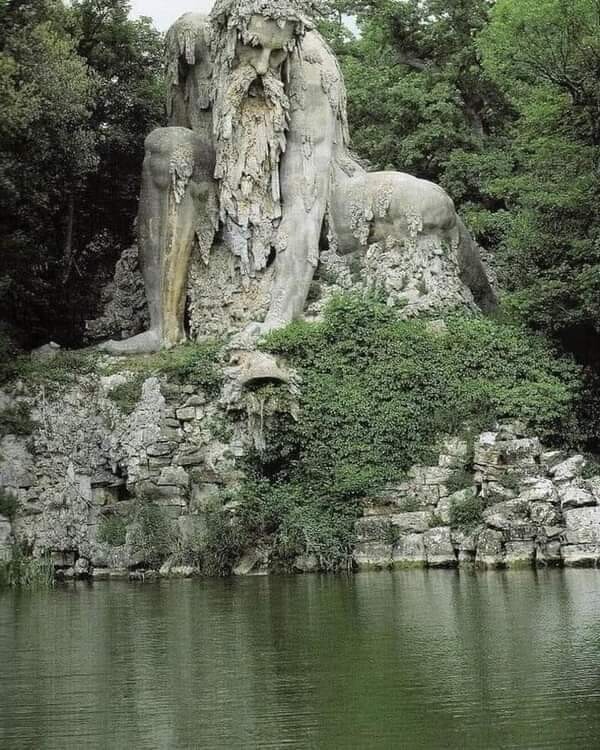
Just North of Florence, Villa Demidoff, Italy; stands Appennino Colossus, 35ft tall. Erected in 1579 CE, rough idea for sculpture is to combine landscape and man; smooth skin emerging out of rough terrain or metamorphosing back into mountain. He even has stalactites for shaggy beard.
#archaeohistories
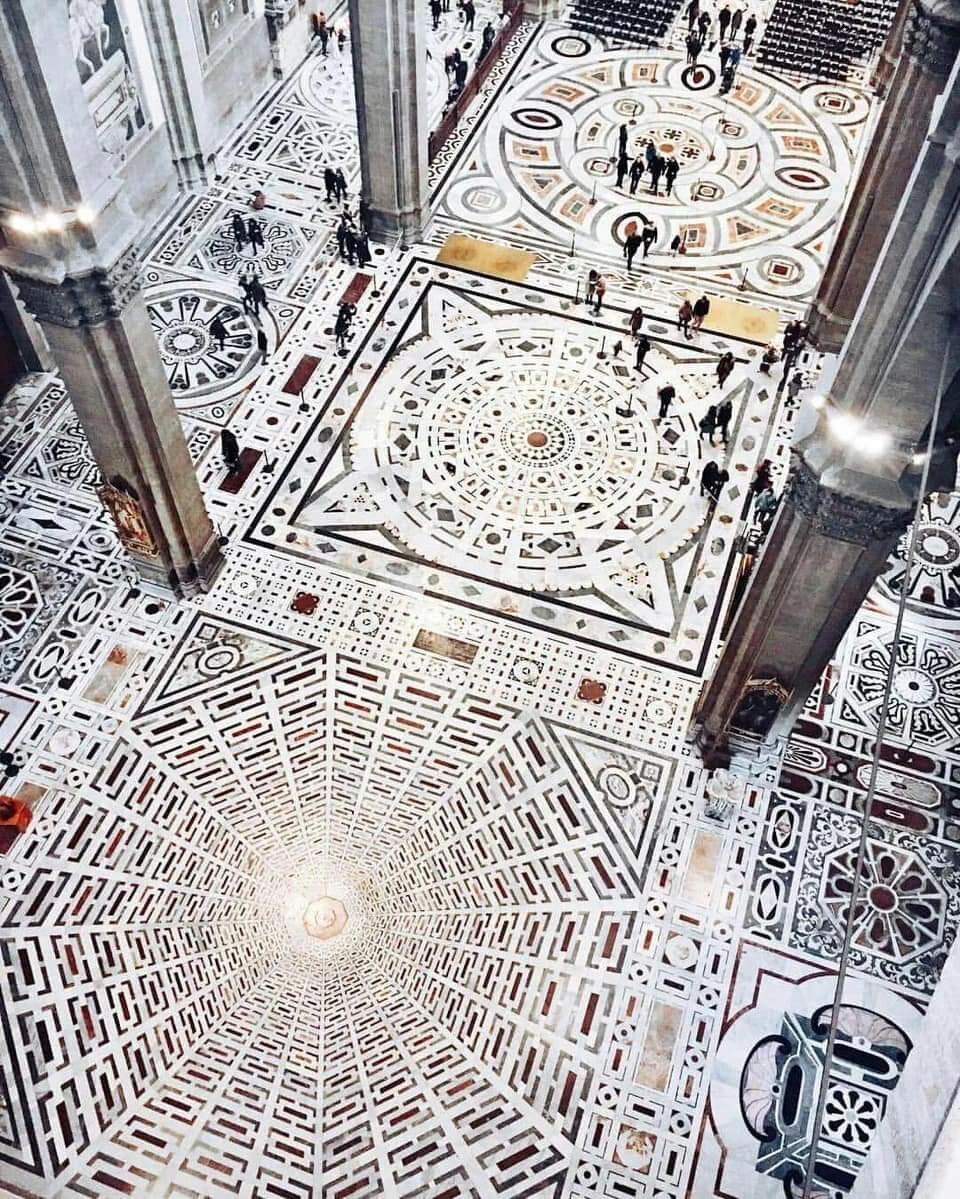
Optic illusion of the 16th Century CE; Marble Mosaic Floor of the Florence Cathedral Santa Santa Maria del Fiore, Italy.
#archaeohistories
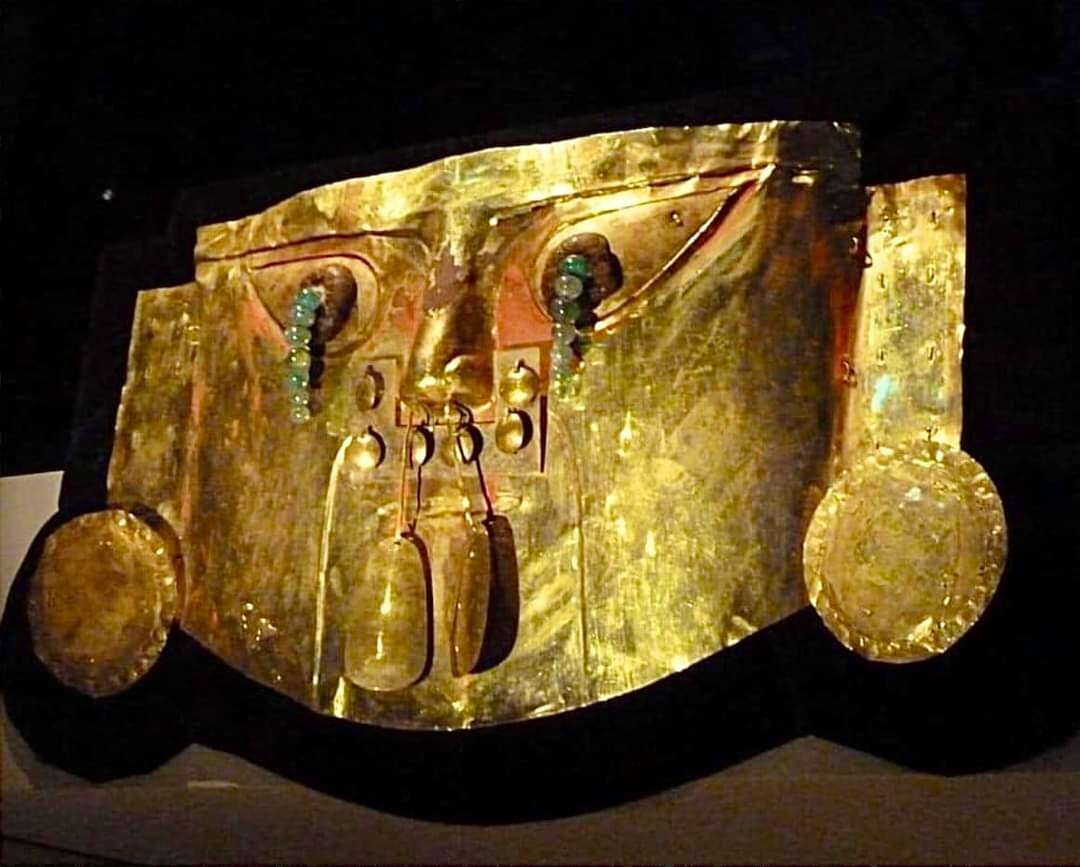
Inca Gold Mask (15th Century CE), with Jade Tears :
Inca Masks (1400-1533 CE), were a centuries-old tradition in Peru and a fundamental part of Inca culture. It is believed that certain masks were used to cover heads of high-status Incas after their deaths, with different styles depending on region in Peru, they originated from.
(📷 by SJ from the Exhibition of Inca Culture, Stockholm, 2011)
#archaeohistories
Sakya Monastery Library; one of most incredible ancient libraries one can encounter is located inside Sakaya Monastery in Shigatse, Tibet.
Built in 1073 CE, Sakaya library is home to 84,000 scrolls that have remained untouched for hundreds of years.
Over 40,000 volumes of scriptures and books, handwritten in Tibetan, Sanskrit, Chinese and Mongolian, tell story of Tibet through prism of philosophy, opera, poetry, medicine and geology, among other disciples.
#archaeohistories
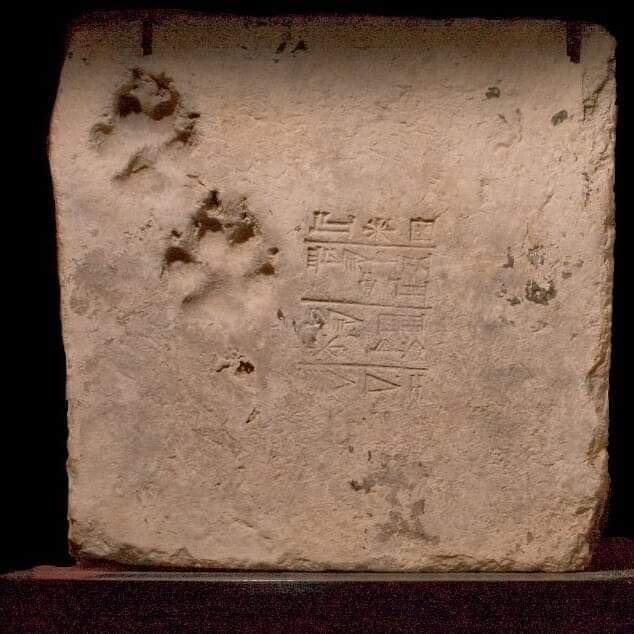
More than 4,000 years ago, a dog left his (or her) front paw marks on this clay brick while it was lying out to dry.
Brick was used in construction of the Great Ziggurat of the moon god Nanna at the ancient Sumerian city of Ur.
British Museum
#archaeohistories
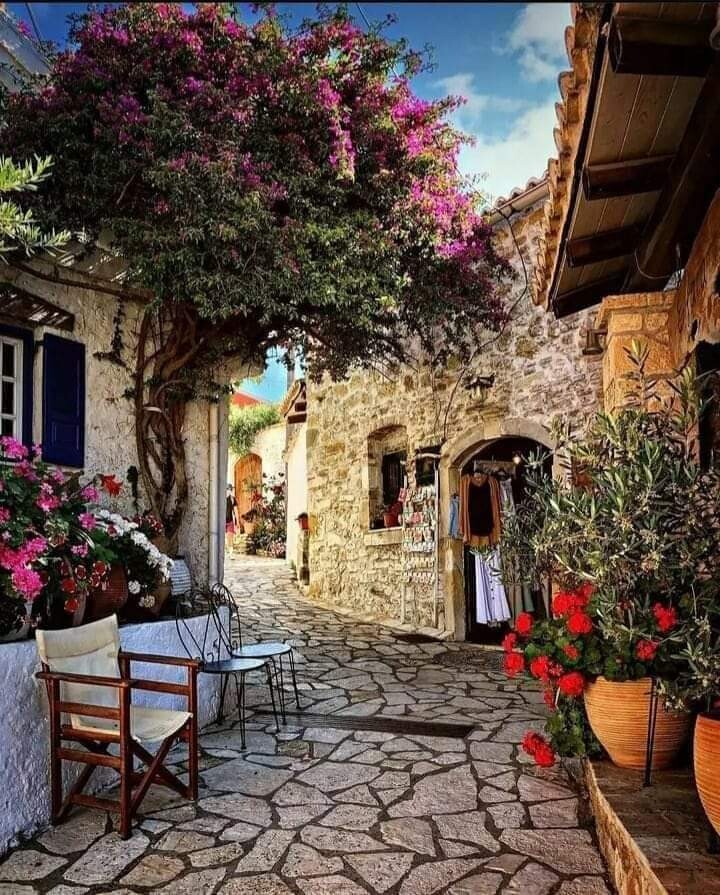
Afionas; one of Corfu island’s (Greece); oldest and historical settlements. According to archaeological evidence, area was first inhabited in 6th Century CE.
Afionas is one of Corfu’s most beautiful villages, with colorful houses, old mansions, and many picturesque alleys that have remained unchanged over time.
Detailed Post -
https://www.instagram.com/p/Cwo2mpaPlR0/?igshid=MzRlODBiNWFlZA==
#archaeohistories