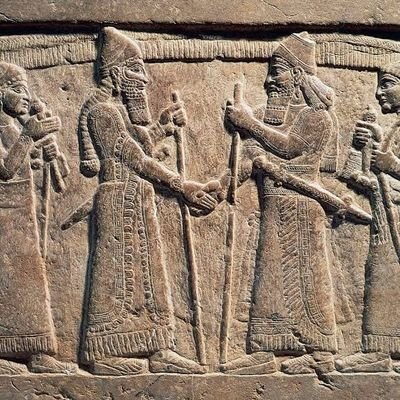
Damn Right 😄
#archaeohistories

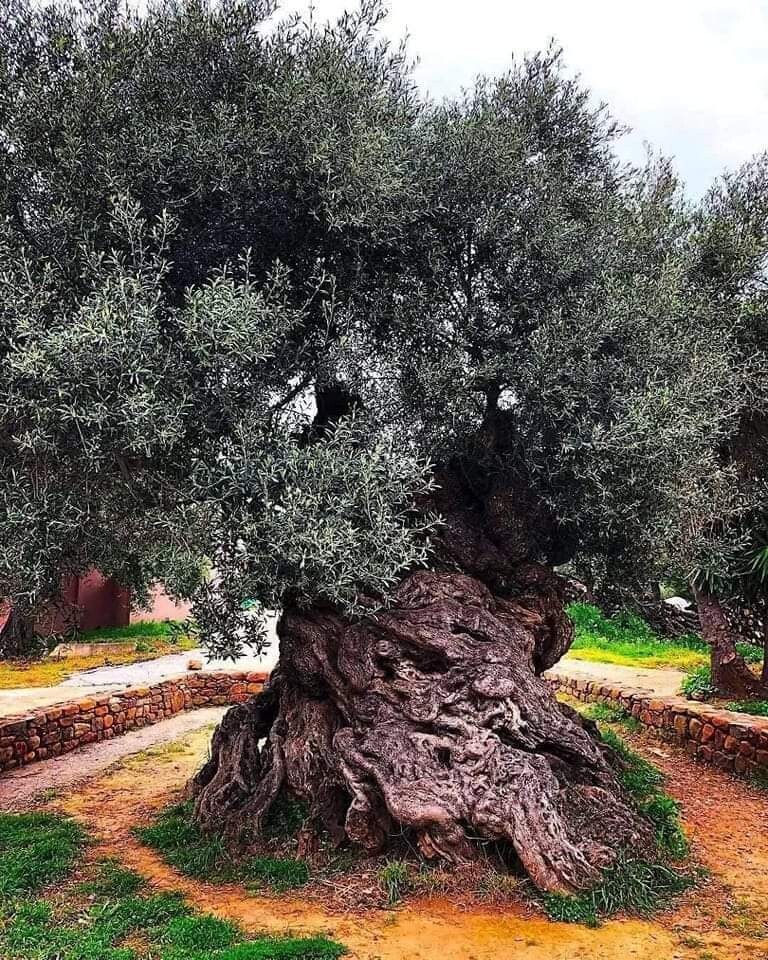
Olive tree of Vouves, Crete - Greece.
This tree, which has a trunk 15ft in diameter, at least 2900 years old, based on graveyard found nearby.
This tree likely lived through writing of Iliad (golden age of Athens), rise of Roman Empire, and birth of Christ; and then lived for 2000 years after that. It still produces olives, as well.
#archaeohistories
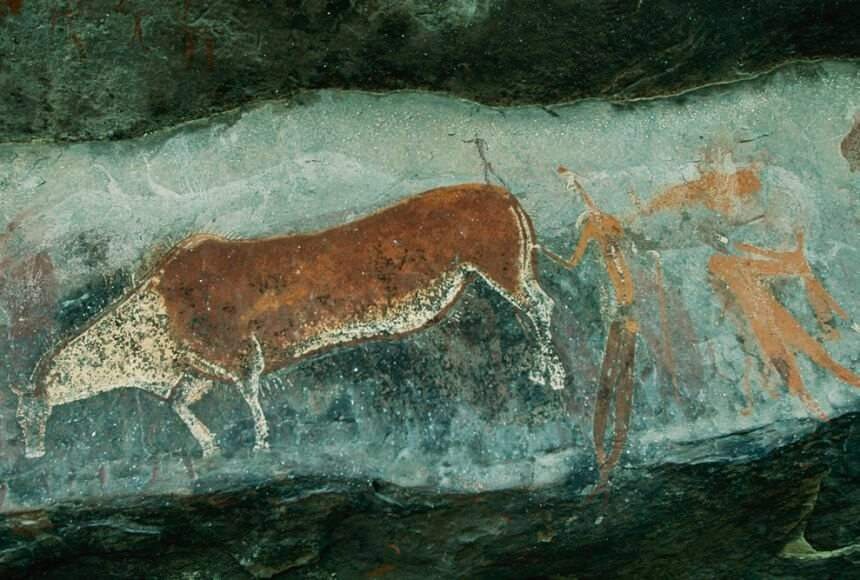
This 18th Century CE; Rock-art, in Giants Castle Nature Reserve, South Africa, depicts a San hunt scene.
San people, sometimes nicknamed "Bushmen," lived nomadic life of hunter-gatherers until 20th Century CE.
#archaeohistories
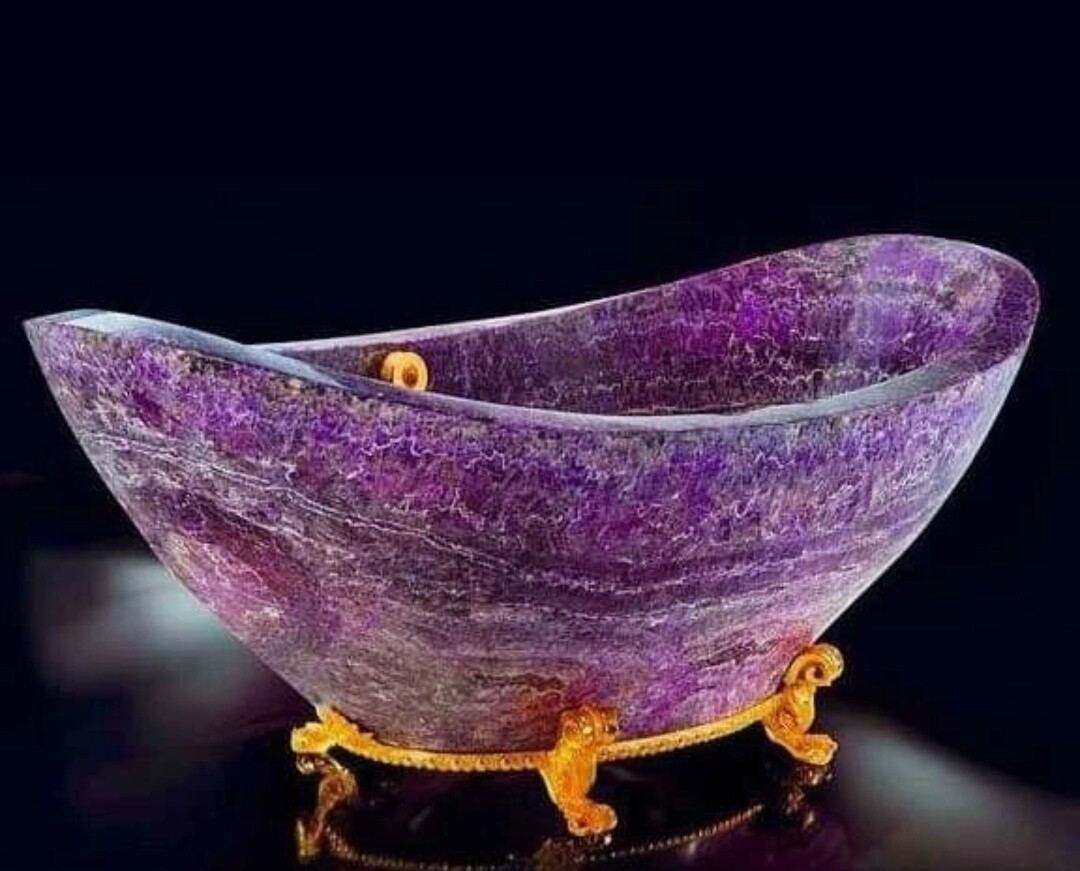
Amethyst Bathtub; made by Baldi of Florence, Italy.
Greeks and Romans used amethyst in several ways from beads in jewelry to amulets. Their belief was that amethyst crystal meaning was synonymous with luxury.
Detailed Post -
instagram.com/p/Cdj60KJvvKK/…
#archaeohistories
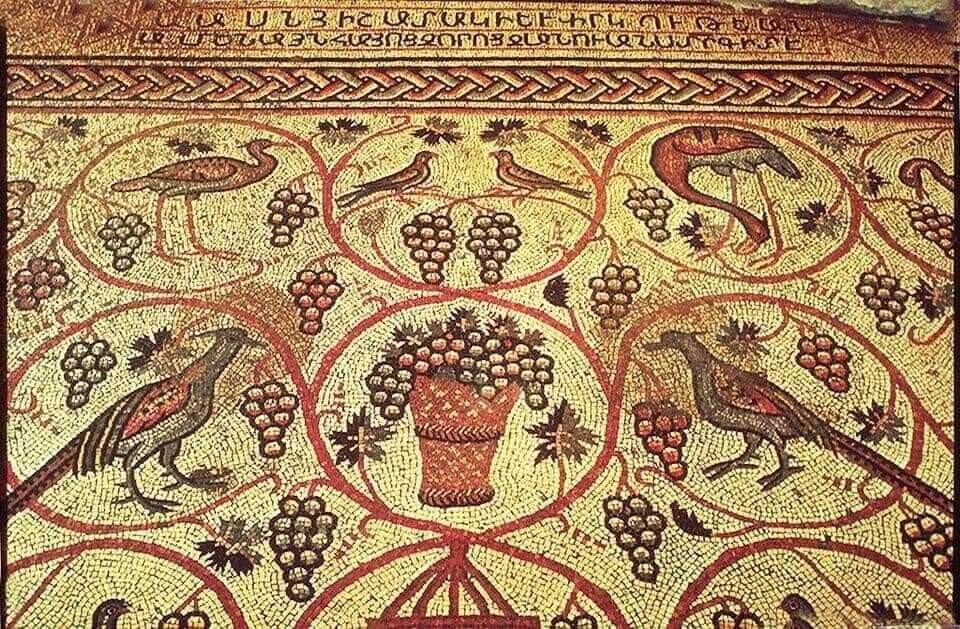
Armenian Mosaic from Jerusalem (5th-6th Century AD). One of such famous mosaics called “Armenian Bird Mosaic”.
Mosaic floor was found in 1894, near Damascus Gate and Musrara quarter in Jerusalem.
Inscription reads: “To the memory and redemption of all the Armenians, whose names are known only to God”.
#archaeohistories
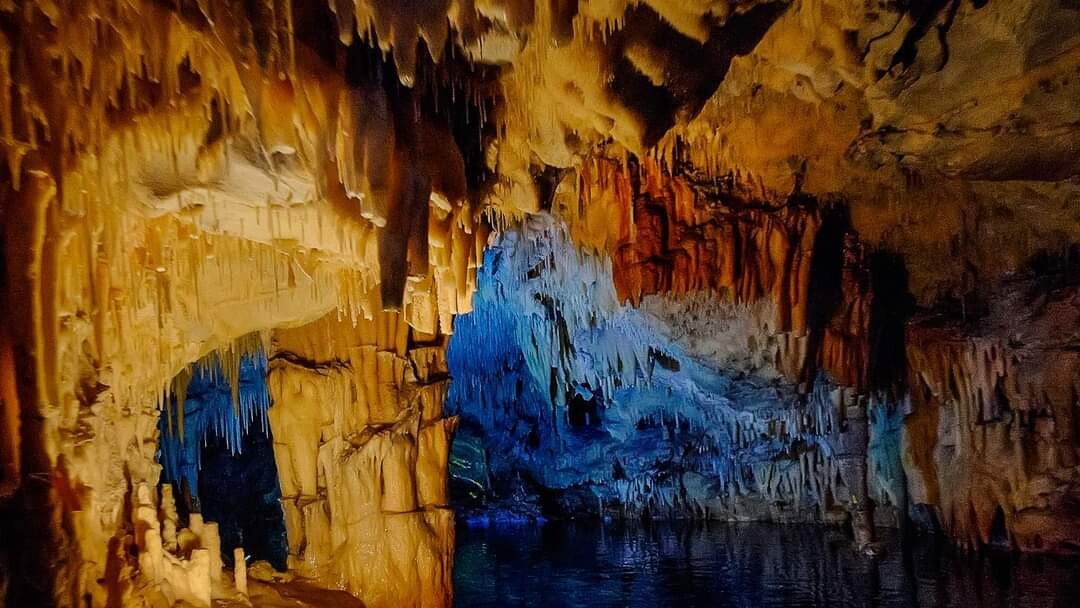
Diros Caves, located 19km south of Pollapolis, Pyrgos Dirou, Greece. They form part of an pene river. About 5000m of polla have been exposed and are accessible by small boats and through narrow passageways.
Archaeological research has shown that caves served as places of worship in Paleolithic and Neolithic times and their inhabitant believed that caves were entrance to underworld.
#archaeohistories
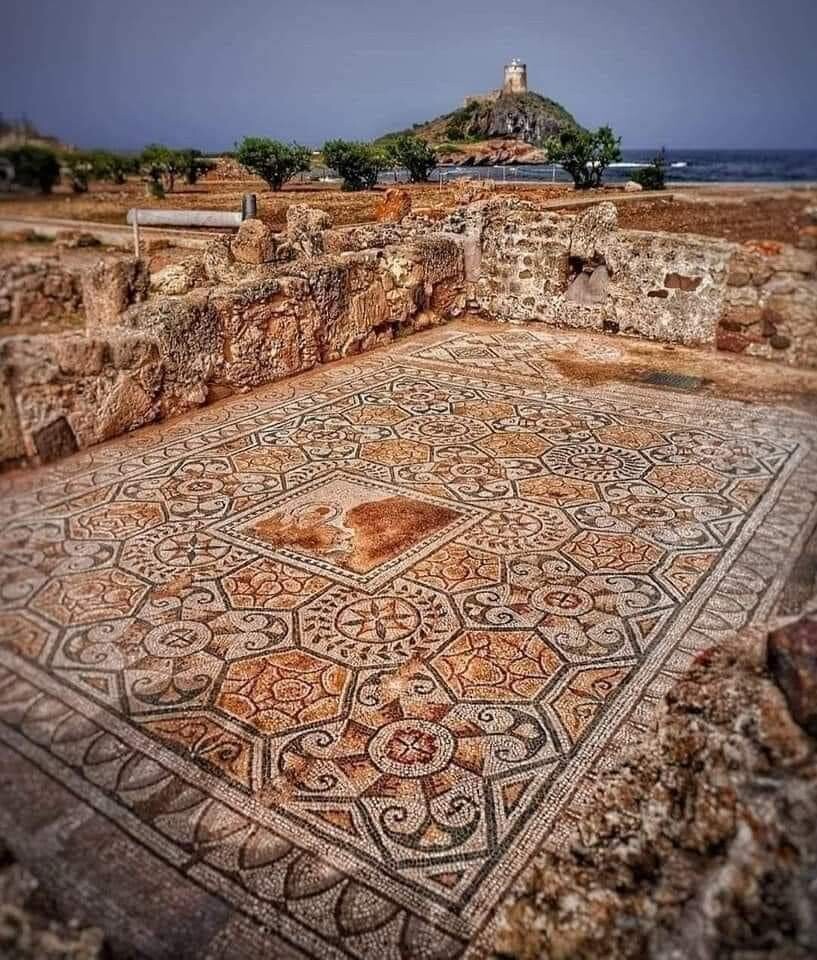
Ancient Roman Mosaic (1st Century AD), at Nora Pula, Sardinia, Italy.
City was founded by Phoenicians, after which it was inhabited by Carthaginians and later by Romans. Place has its unforgettable charm thanks to its location, as it is surrounded by sea on three sides. It was most important center on island, during Roman period.
Remains of Roman baths, a patrician house with magnificent mosaics, main cobbled Roman roads and an excellently preserved theater, also preserved in this site.
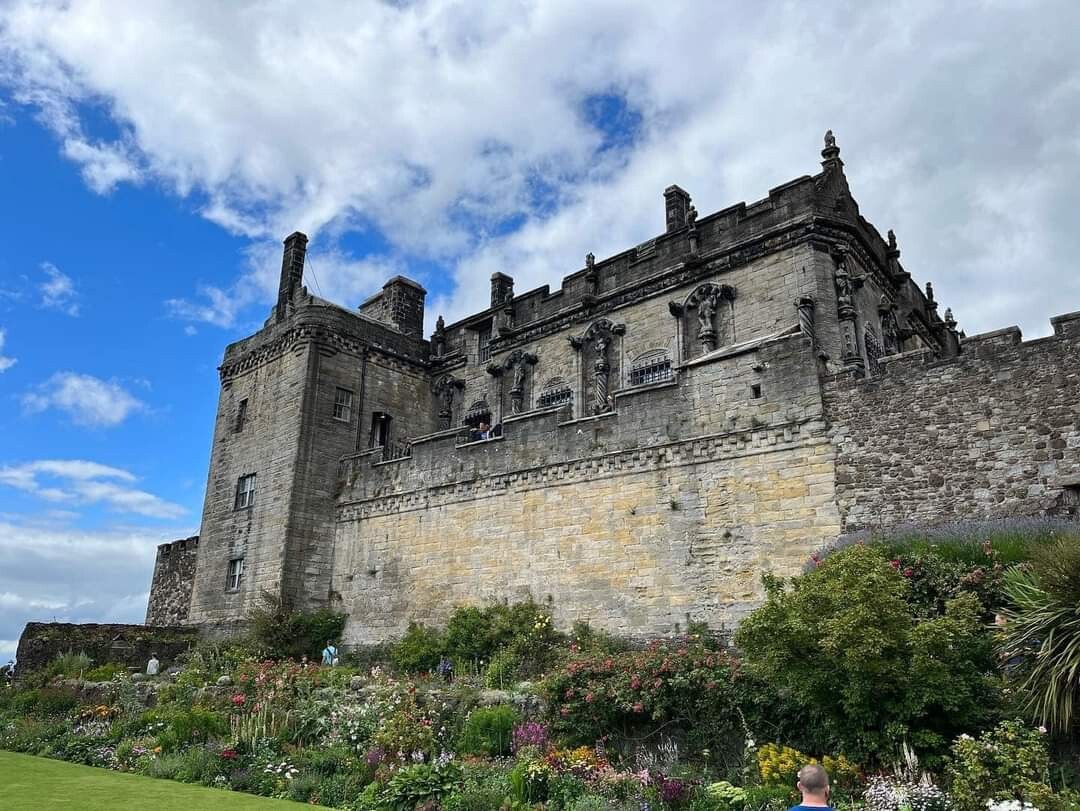
Stirling Castle; in Stirling, one of largest and most historically and architecturally important castles in Scotland.
This 12th Century CE structure with additional buildings being added through 14th and 16th Centuries CE.
Castle is home to likes of Mary Queen of Scots and James VI. Its strategic location, guarding what was, until 1890s, farthest downstream crossing of River Forth, has made it an important fortification in region from earliest times.
#archaeohistories
Citadel of Aleppo (3rd Millennium BC - 12th Century AD), a UNESCO World Heritage Site and is considered one of most important historical sites in Syria and entire region.
Citadel is renowned for its architectural significance and its role as a symbol of Aleppo's history and resilience. Site features a mix of architectural styles from different periods and civilizations, including Islamic, Byzantine, and Ottoman influences.
#archaeohistories
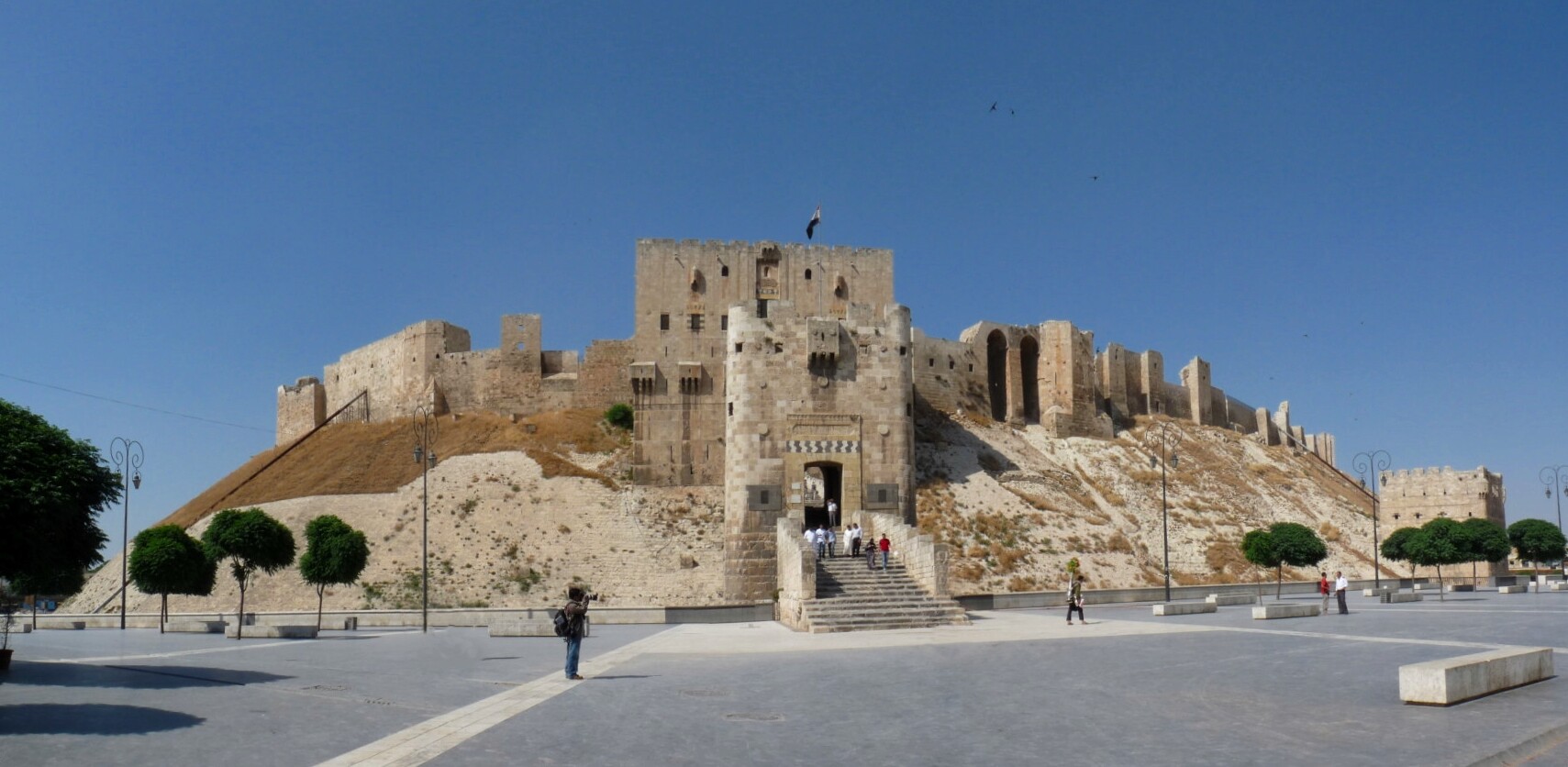
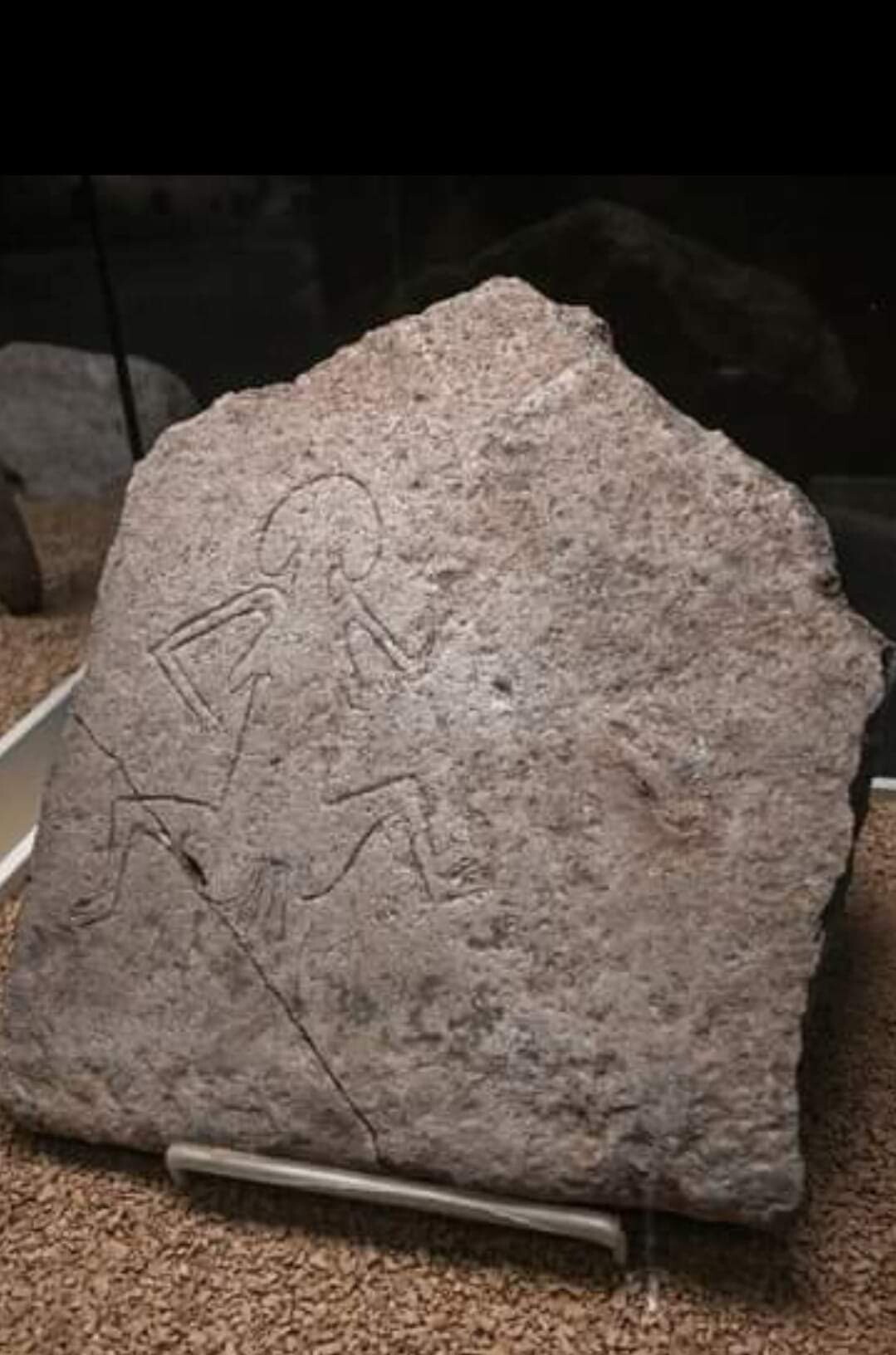
Figure of the woman giving birth in Göbeklitepe (12000-10000 BC), Türkiye.
According to some researchers Göbeklitepe, is known as place where women who do not have children come to this region and pray for their children.
#archaeohistories
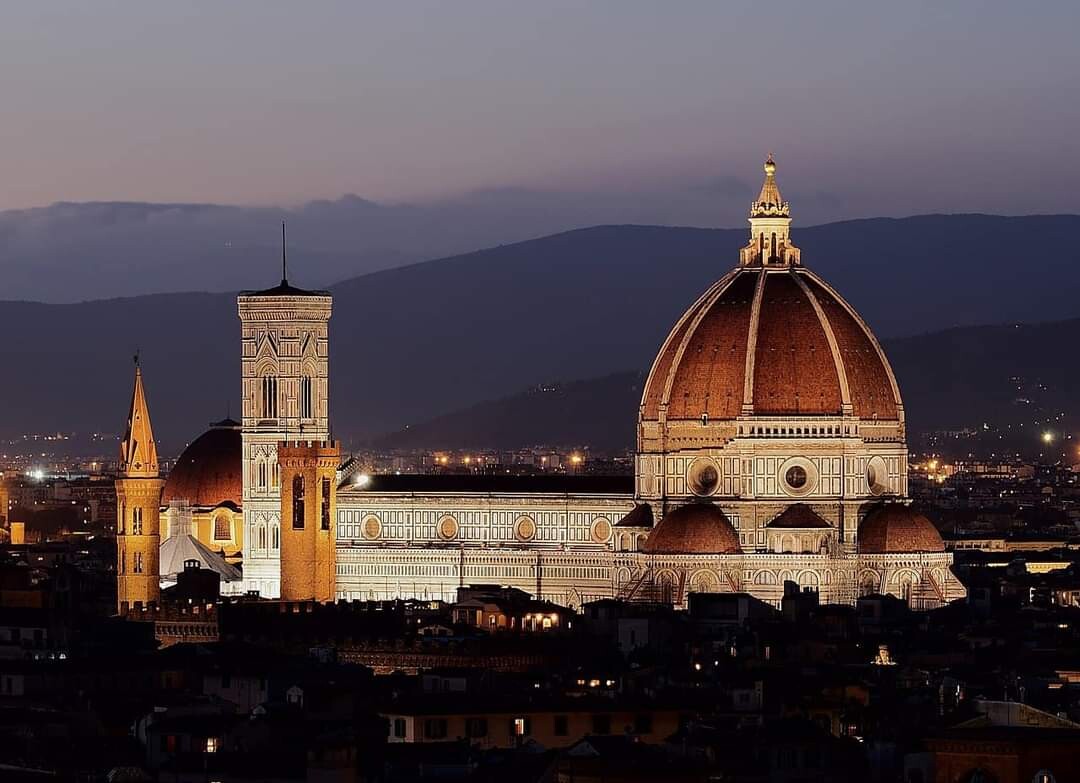
Brunelleschi - Florence Cathedral (Duomo di Firenze), formally Cathedral of Saint Mary of the Flower (Cattedrale di Santa Maria del Fiore), a Cathedral of Florence, Italy.
Construction was begun in 1296 CE, in Gothicstyle to a design of Arnolfo di Cambio and was structurally completed by 1436 CE, with magnificent dome engineered by Filippo Brunelleschi.
#archaeohistories
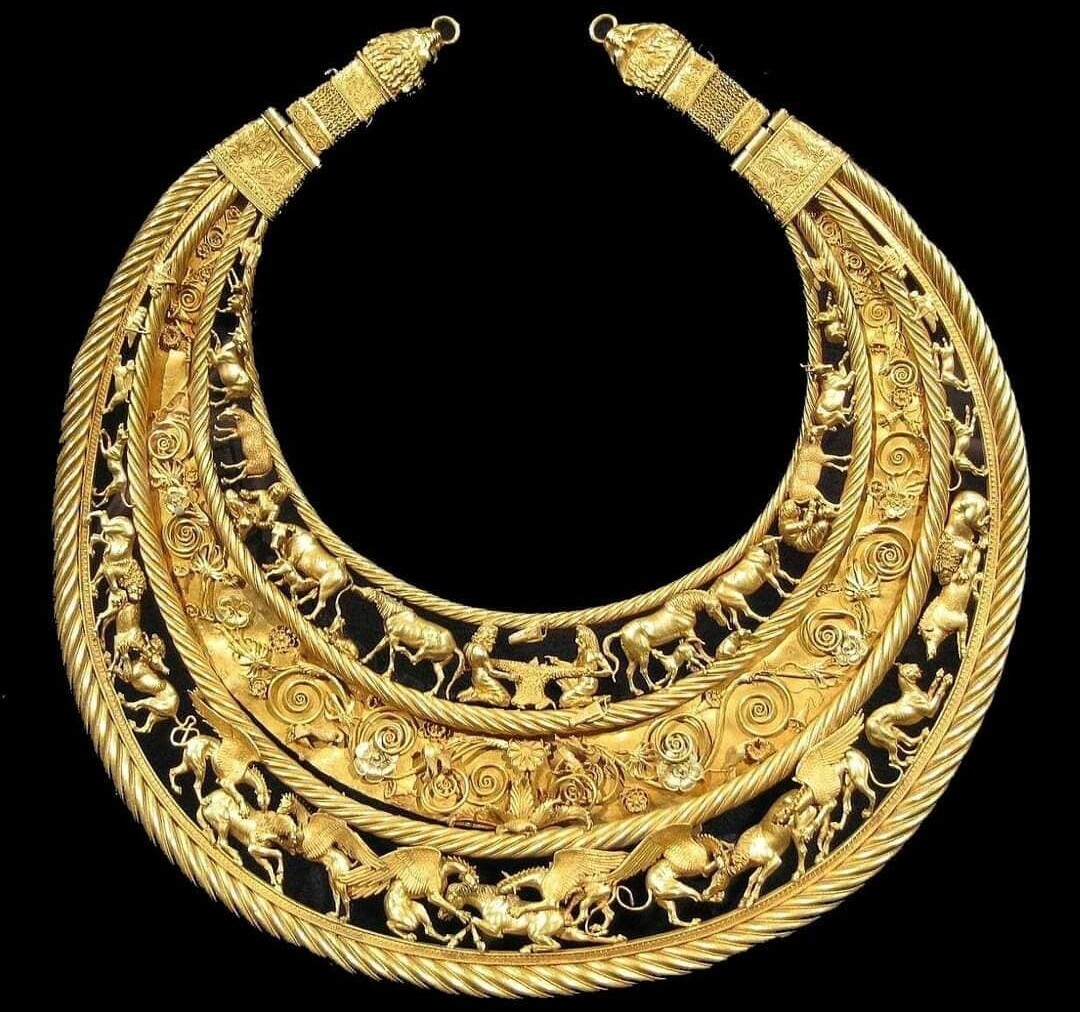
Scythian Gold Pectoral from Tolstaya Mogila kurgan, in modern-day Crimea on the Black Sea. It was most likely created in the early or mid-4th Century BC.
Detailed Post -
https://www.instagram.com/p/CXO-yIgtum5/?igshid=MzRlODBiNWFlZA==
The Hermitage Museum, St. Petersburg - Russia
#archaeohistories
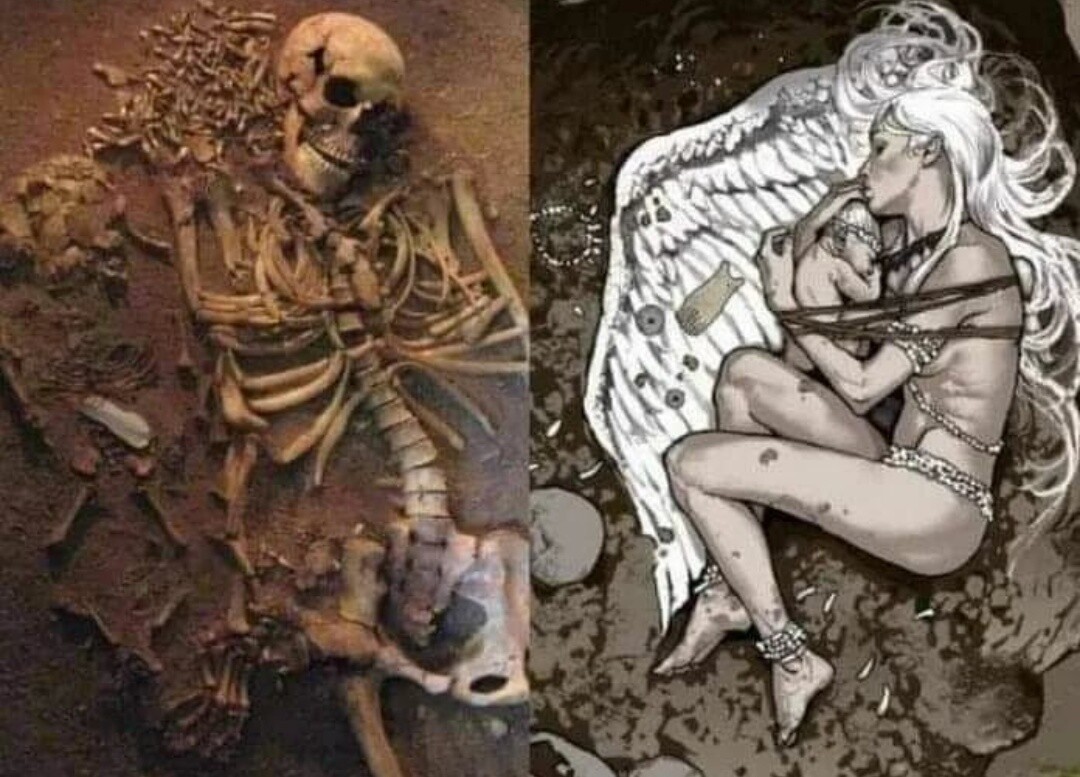
A young woman from Vedbaek, Denmark, buried with her newborn child who had been placed on the wing of a swan, 4000 BC.
Detailed Post -
https://www.instagram.com/p/CnW6eixvUbh/?igshid=MzRlODBiNWFlZA==
#archaeohistories
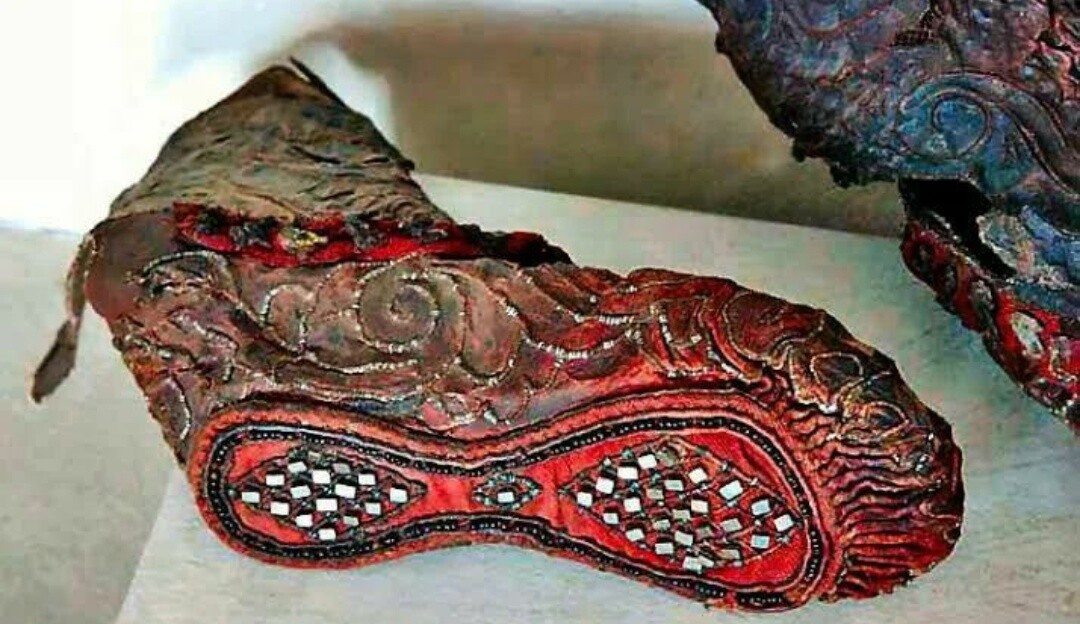
Ancient Scythian Shoe, preserved for 2300 years, discovered in the Altai Mountains, now housed in Hermitage Museum in St. Petersburg, Russia.
Detailed Post -
https://www.instagram.com/p/CbPi-_Wv1An/?igshid=MzRlODBiNWFlZA==
#archaeohistories
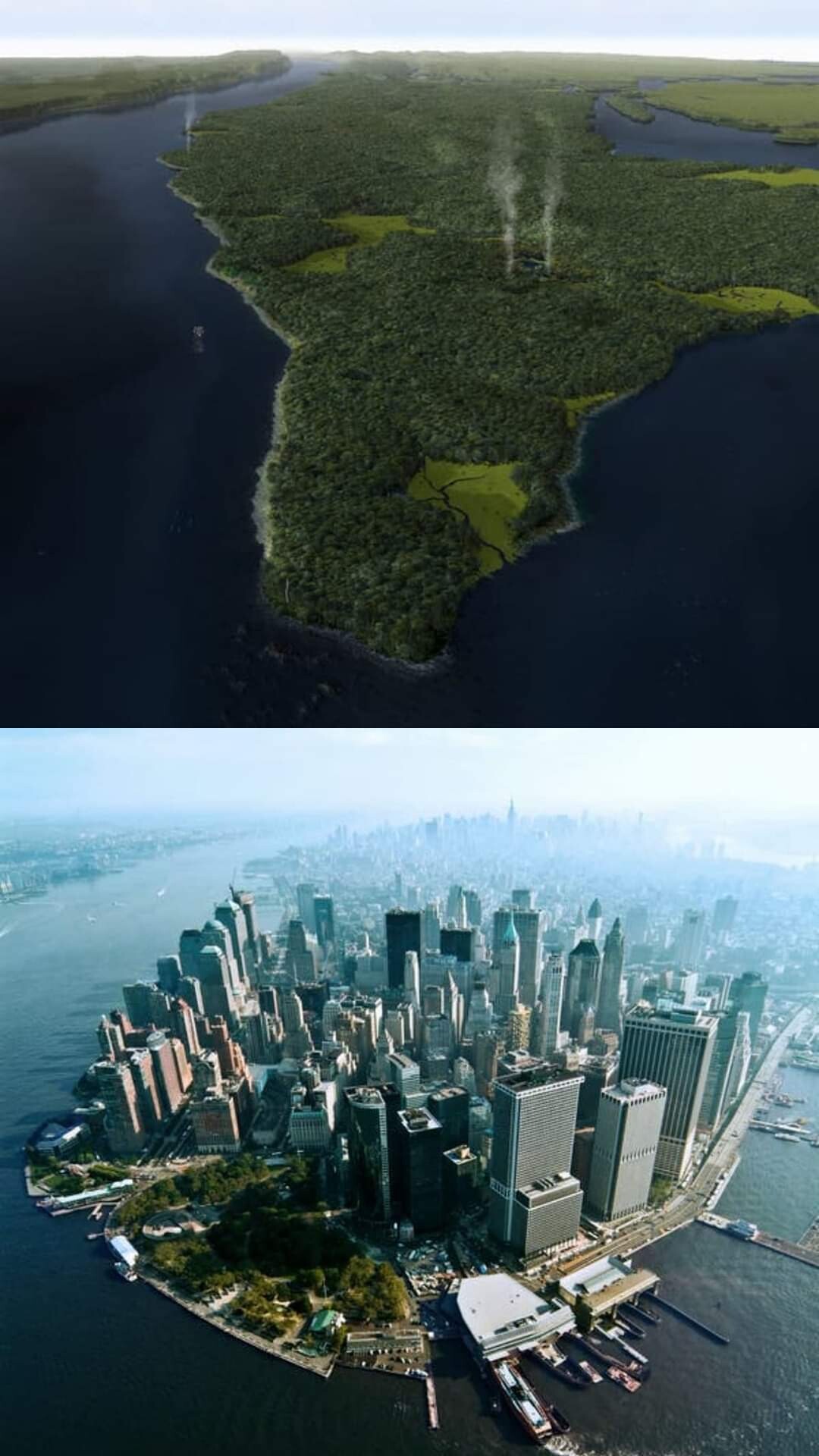
Then (1609 CE) vs Now :
Manhattan Island, New York, US.
📷 © A recreation of Mannahatta; 1609. Credit: Markley Boyer/ Mannahatta Project, Wildlife Conservation Society.
Lower Manhattan in 21st Century CE. Credit: Stephen Amiaga/Wildlife Conservation Society.
#archaeohistories
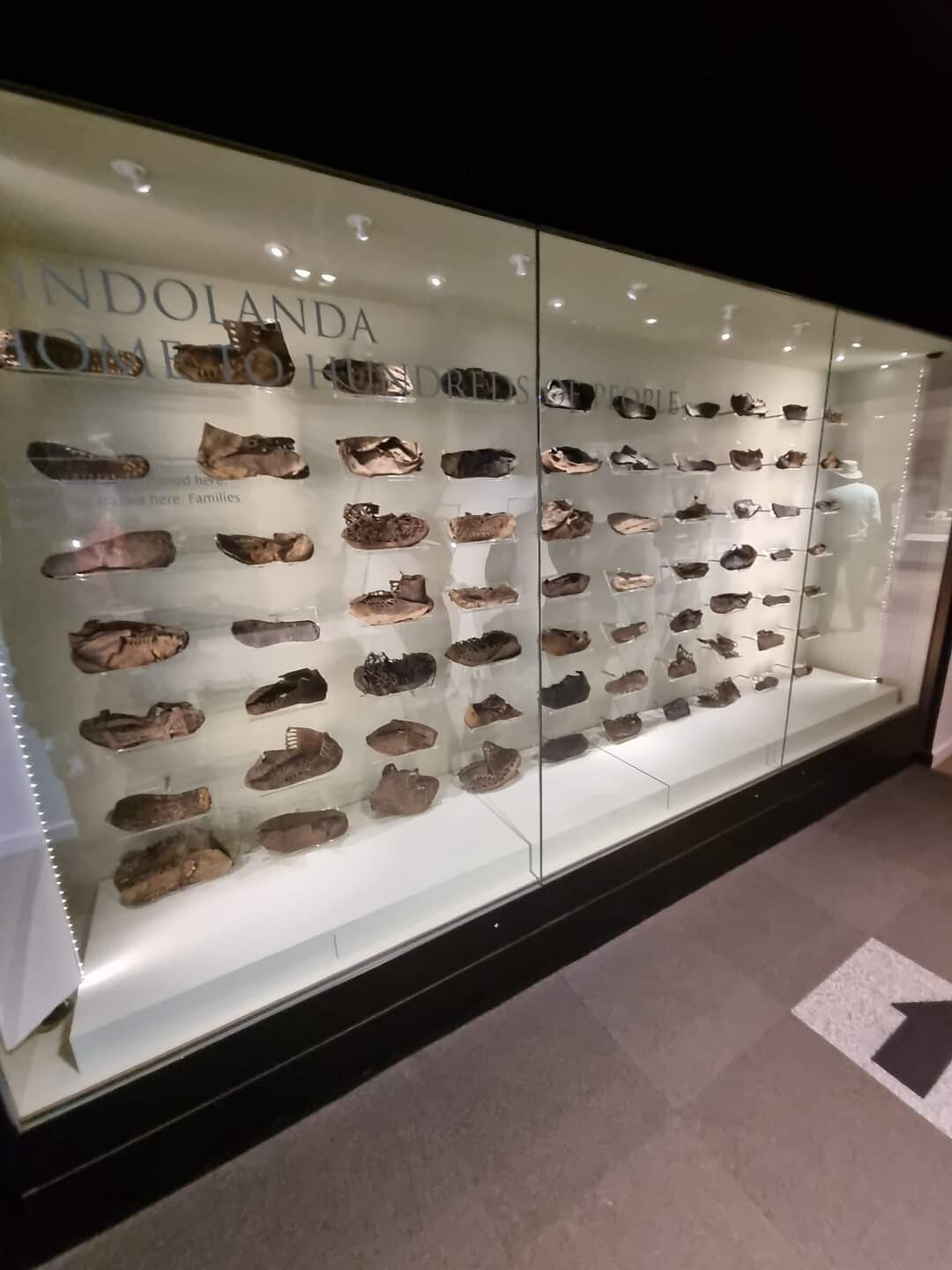
Roman fort of Vindolanda in Northumberland, England, has the largest collection of leather items anywhere in Roman Empire. This is due to anaerobic ground conditions.
This photograph shows some of leather footwear in museum. Well over 5,000 leather shoes, boots and sandals have been excavated here.
#archaeohistories
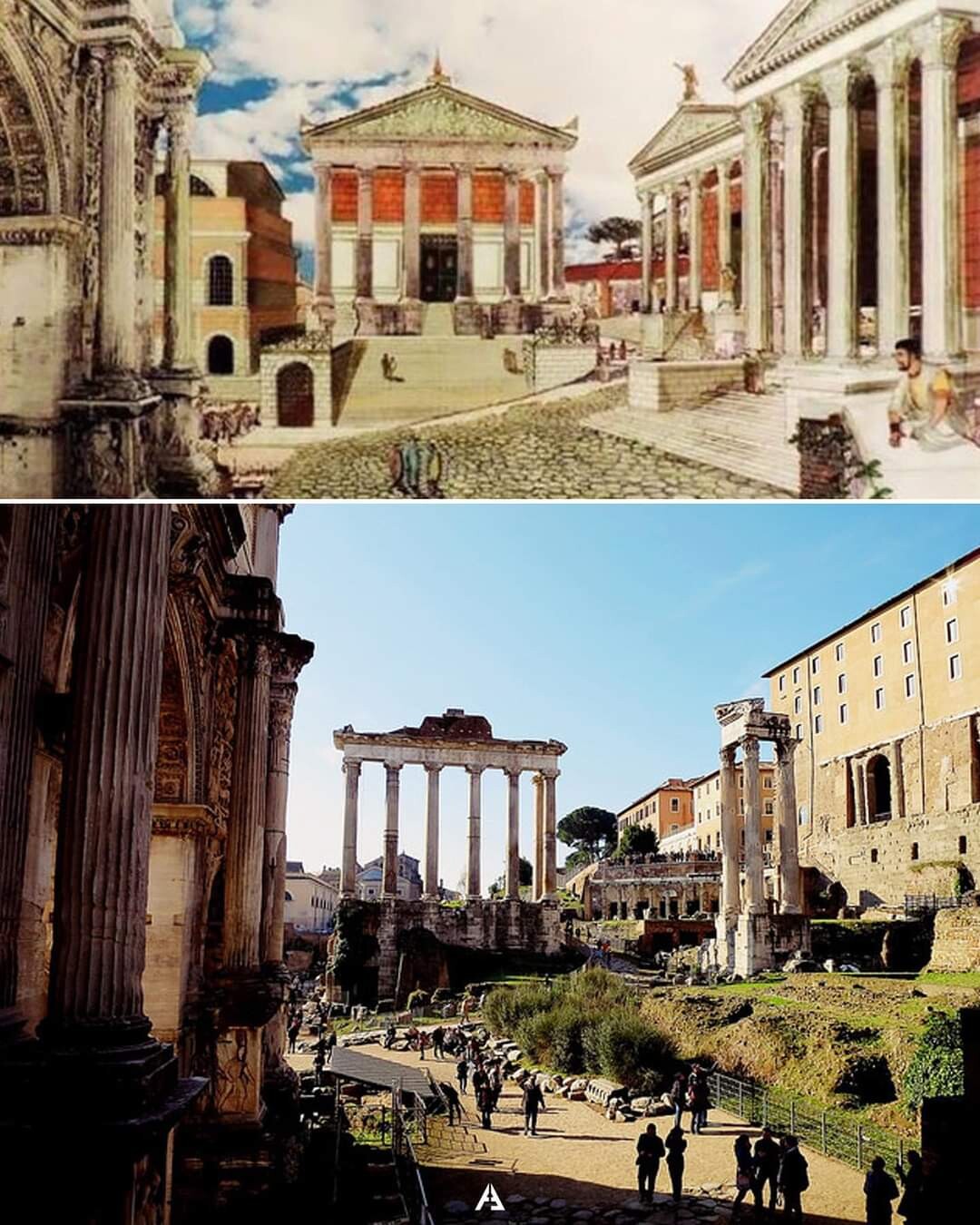
Then vs Now :
Temple of Saturn was an ancient Roman temple to god Saturn, in Rome, Italy.
Temple ruins stand at foot of Capitoline Hill at western end of Roman Forum. Original dedication of temple is traditionally dated 497 BC.
#archaeohistories
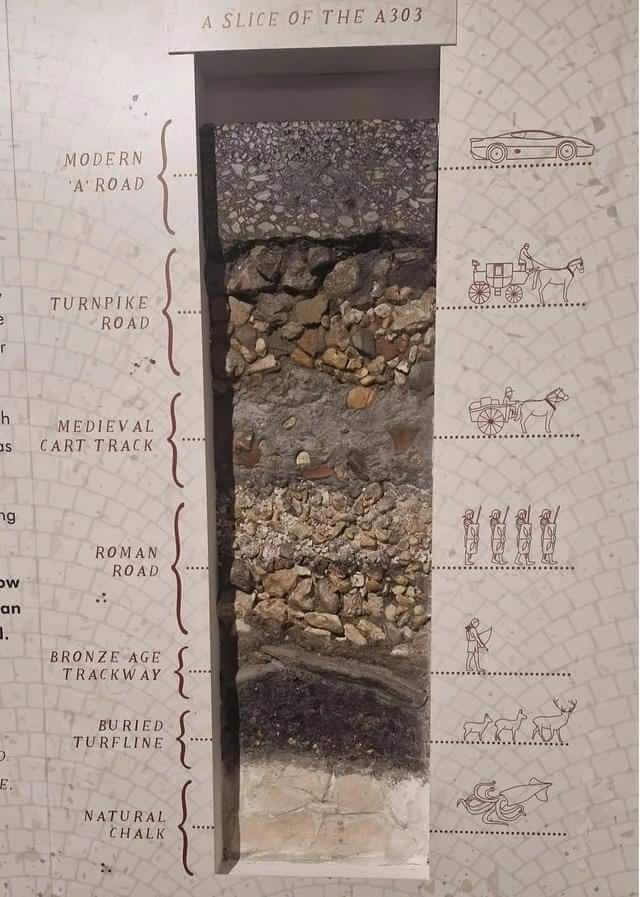
The evolution of a road over Millennia.
#archaeohistories
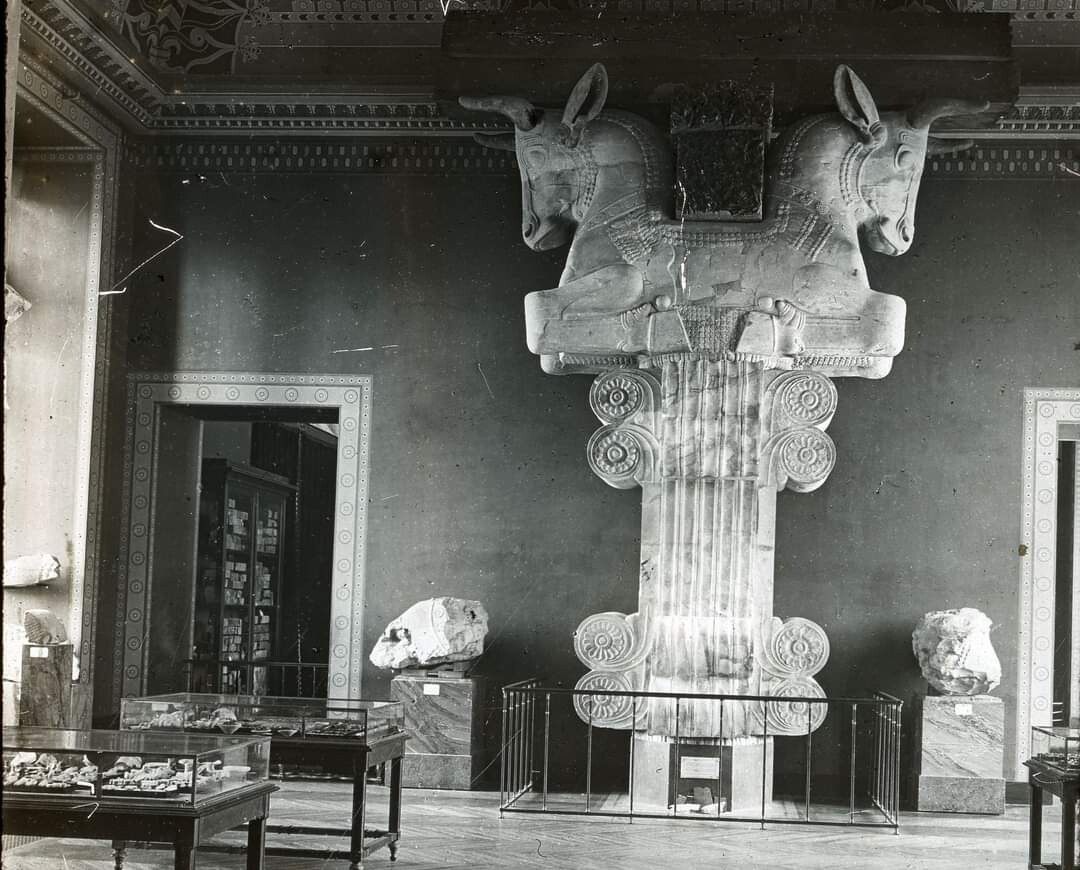
Large column shown along wall of this picture is from hypostyle hall of Darius I in Persepolis, Iran.
This photograph was taken inside Louvre Museum. Though capital is still on display, it is no longer in this grand room.
📷 : Magic Lantern Slide of a “Double Bull” Capital from Persepolis (date unknown). From Andrew J. Bramlett Collection.
#archaeohistories
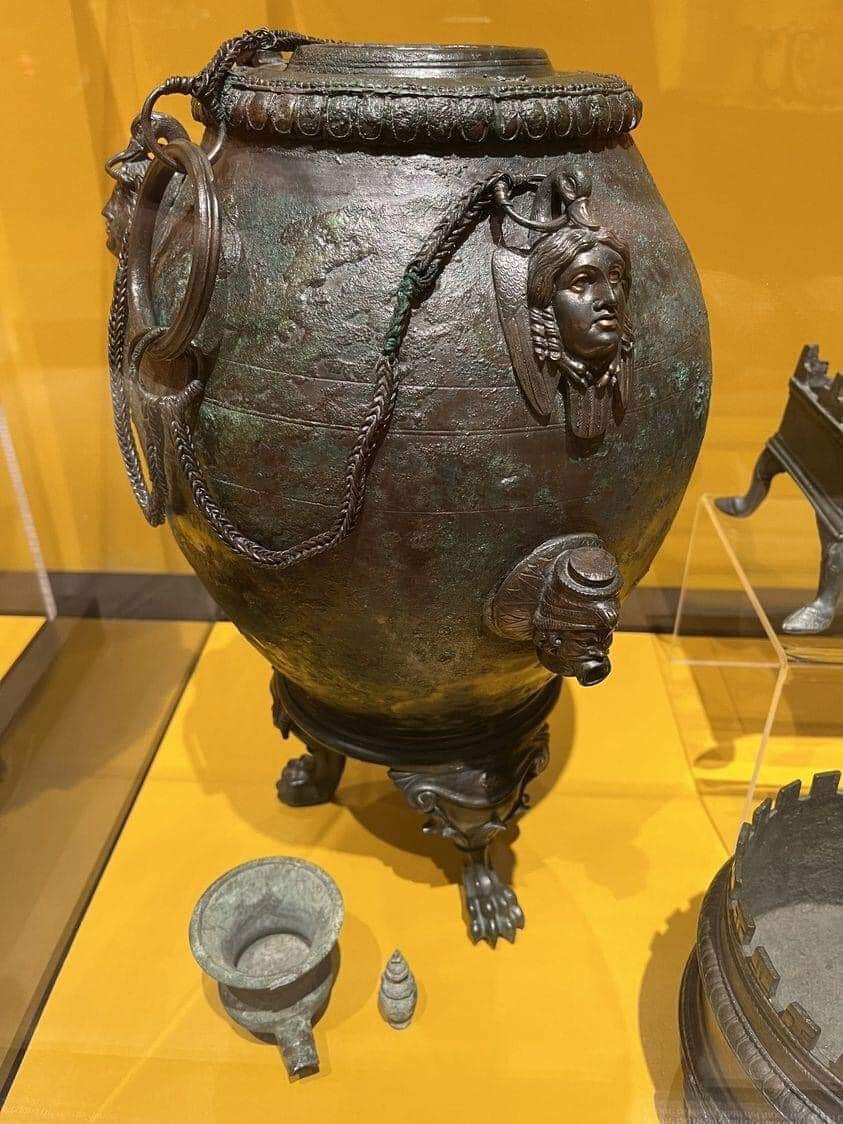
A samovar (self-brewer), a metal container traditionally used to heat and boil water, during Roman period.
Samovar (1st Century CE), found in Pompeii and kept in Archaeological Museum of Naples, Italy.
#archaeohistories