

#mushrooms 🍄



Judge: Evidence Is Overwhelming That Craig Wright Is Not Satoshi Nakamoto
Craig Wright is not Satoshi Nakamoto, the author of the Bitcoin whitepaper, the creator of Bitcoin or author of the Bitcoin software, U.K. Judge James Mellor said after closing arguments in the Crypto Open Patent Alliance trial on Thursday.
https://www.nobsbitcoin.com/craig-wright-is-not-satoshi-says-judge/
Why is this even a thing? Wouldn’t it be extremely easy to prove if you are Satoshi?

I’m no expert but I’m going to get a VPN running on my computer, download Sparrow wallet which allows you to do coin joins, and do a coin join transaction from there to the Cold Card. I’ll let you know what I learn.

Doesn’t really matter who made something if it’s open source.

#introductions #grownostr #plebchain

He who has the #Bitcoin controls the world 🫡💯🐝💜 #Nostr at your service https://video.nostr.build/80446f8920ab3bc6300bb76d4a04a6b97e99c3c2dc4df4b45cba436f6f04538e.mp4
How much blow did he just do?
My Ledger is also the wallet I have sent everything to from exchanges. I am going to coin join everything I send from the Ledger to the Cold Card using Sparrow wallet to anonymize all of it. I haven’t done this before so I am still learning it.
No, multisig can be done on Ledger as well. But it sketched me out when Ledger put out their firmware upgrade allowing you to opt in to a custodial seed phrase recovery service, meaning technically they could theoretically extract your seed phrase from the device. Then I listened to a podcast with NVK, one of the founders of Coinkite (you can follow him on here), learned more about the trust associated with hardware wallets, and decided I wanted the most hardcore thing possible to protect my keys. I’ll still be using the Ledger as an intermediary wallet, just don’t want to keep all my savings on there. The podcast I listened to was on Natalie Brunell’s Coin Stories podcast btw.
I am about to order a Cold Card and move everything from Ledger to that, then set up multisig. I’ll definitely be watching some tutorials though. BTC Sessions on YouTube has some good ones.

Okay. Lemme do an official intro so I can fulfill my contractual obligations. #introductions #plebchain
This is the official #Nostr profile of The Space. The Space is a #Bitcoin centered co-working, hangout, and event space (see where we got the name?)
It will be an event venue for educational presentations, Bitcoin meetups, workshops, or just hanging out.
We will also be building it out for content creators too for podcasting, live presentation recording, etc. Unleash the Bitcoin creativity at The Space.
There will also be a test bench work area with resources for everything from miners, to nodes, hell, even your microwave if it's broken.
Any zaps received to this account will go to our donations store on our btc pay server and will help fund education, entertainment, and hopefully some fresh orange pills to dish out.
We hope that you follow along, whether you're in Denver or not. And if you are ever in Denver, come say hey!
Shoot us a DM if you have any questions, or check out our site: https://denver.space
I have a mushroom farm in Longmont and want to meet local bitcoiners and help foster a local circular economy. I’ll be looking out for any meetups you host.


Meat and mushrooms! 
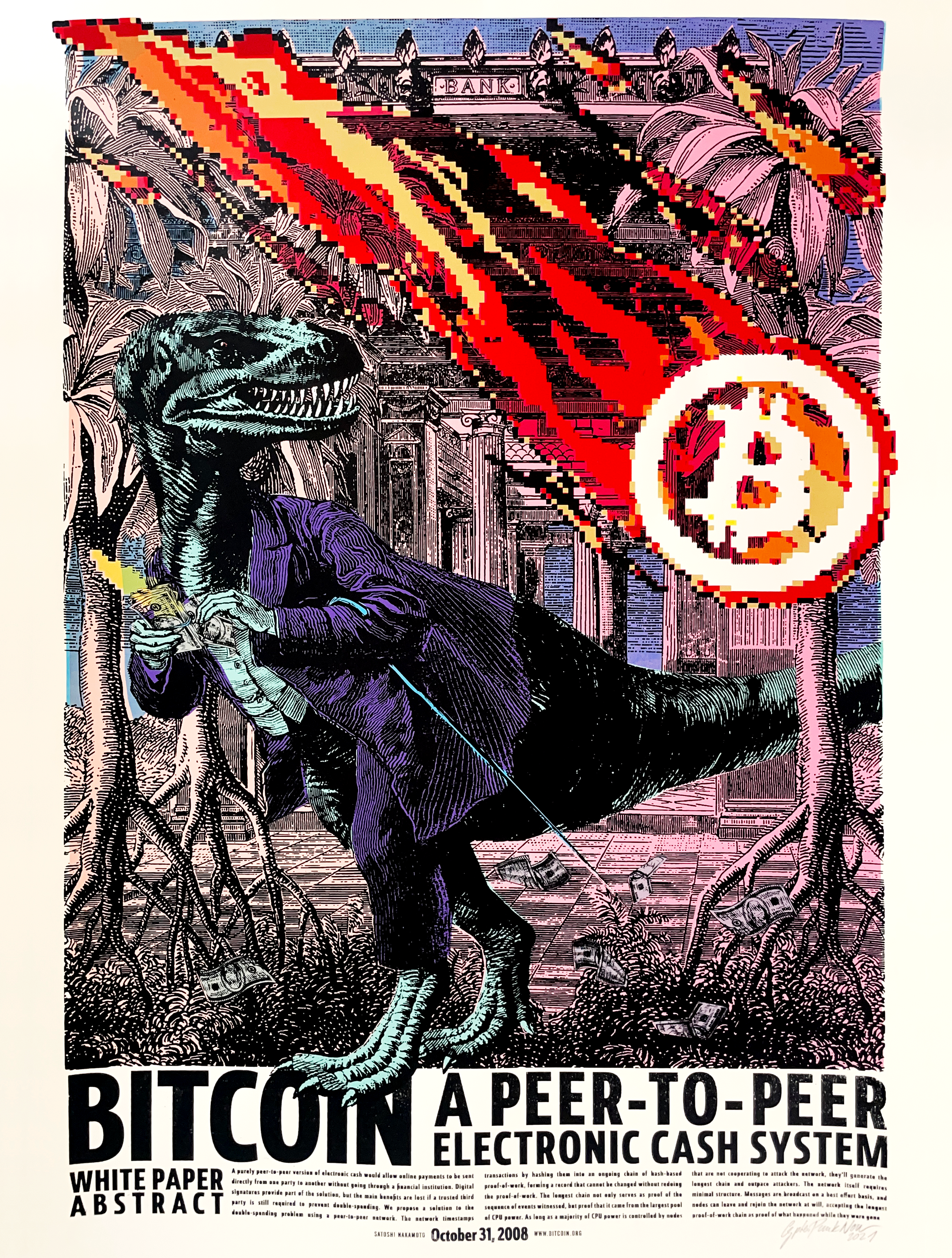
I’ve been listening to podcasts about scaling recently and it definitely concerns me. When I hear people say that 99% of people won’t be able to hold their own keys, to me that doesn’t sound any better than gold, which is what bitcoin was supposed to solve in the first place. Not affording to hold my own keys is definitely not what I thought I was signing up for. It seems like a really good way to push people toward alt coins.
Donald Trump on Squawk Box: “There has been a lot of use of that, and I’m not sure that I’d want to take it away at this point.”
Glad he’s “not sure” he wants to “take it away” from us. Hopefully he doesn’t change his mind on a whim.

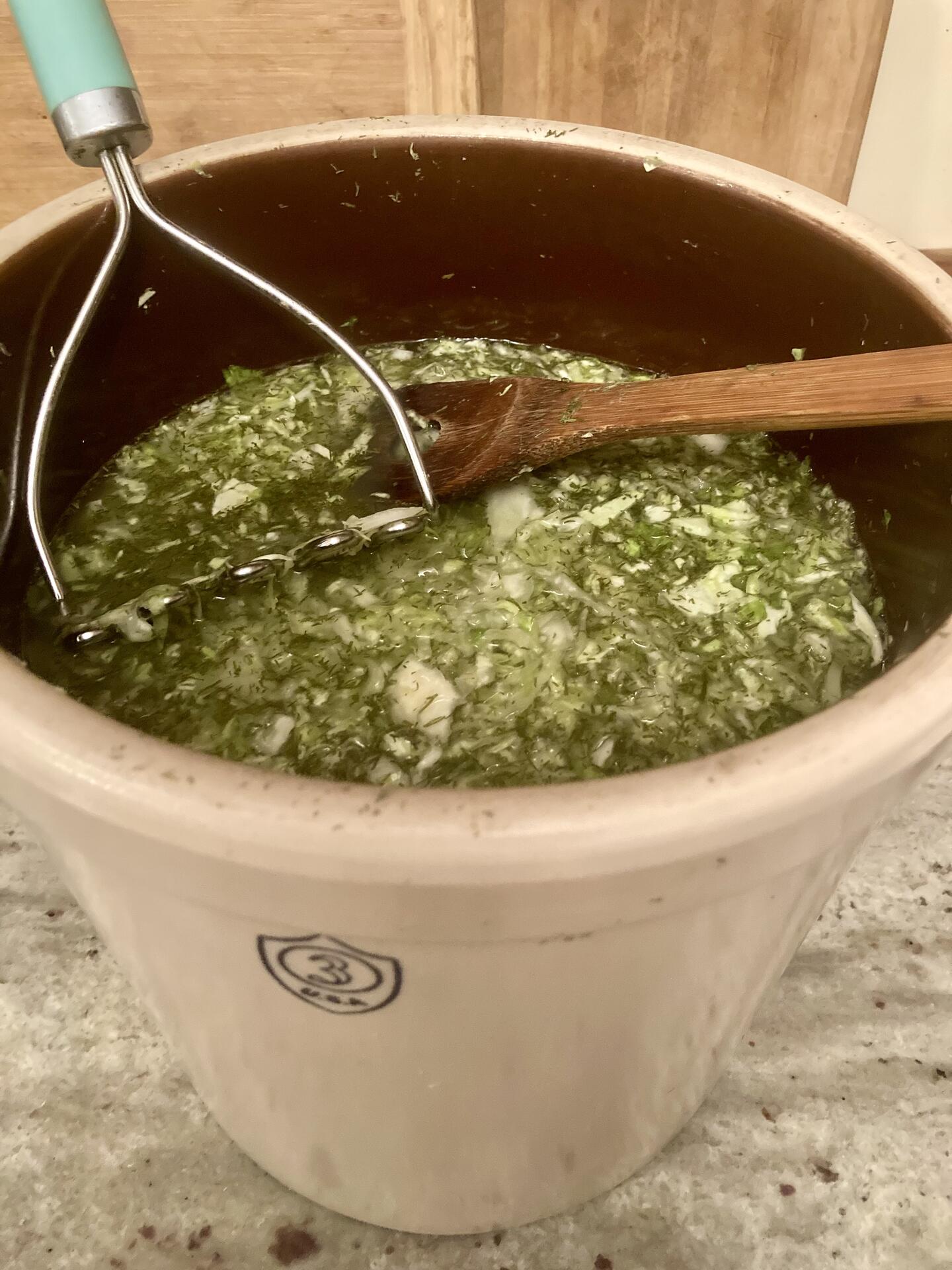
I use a 2 gallon, need to switch to a 3.

Advice on getting started with multisig? Coldcard + Tapsigner + Nunchuk?
#bitcoin #multisig #hardwarewallets #coldstorage