

Tag 19 des Einundzwanzig Adventskalender
Heute gibt es etwas ziemlich Seltenes zu gewinnen.
Eine signierte Vinyl von Too Bit To Fail - Proof of word.
https://www.youtube.com/watch?v=DNYzHGM50Ys
Viel Erfolg!
To bit to fail 🤩

I understand. This does not sound like the forceclose shooting more often when trying out and experimenting with lightning. Something other is the main factor.



Why do forced closures happen? Can this also happen by mistake?

I hope we don't need WWIII for that!
Tag 18 des Einundzwanzig Adventskalender
Heute gibt es von Hadaikum einen Nerdminer der Extraklasse zu gewinnen.
Treu nach dem Motto "Boil The Ocean".
Hier hinter verbirgt sich der ultimative badass Nerdminer.
Skull of Satoshi Nerd mit 2,8 Zoll Screen, Worker Anzeige und Laser Augen.
Checkt den Shop.
https://hadaikum3dcrafts.duckdns.org:55586/apps/35Rpc4JbRXyZNem6YkEaE4vJjsvz/pos
Viel Erfolg!
Der ist super 😂

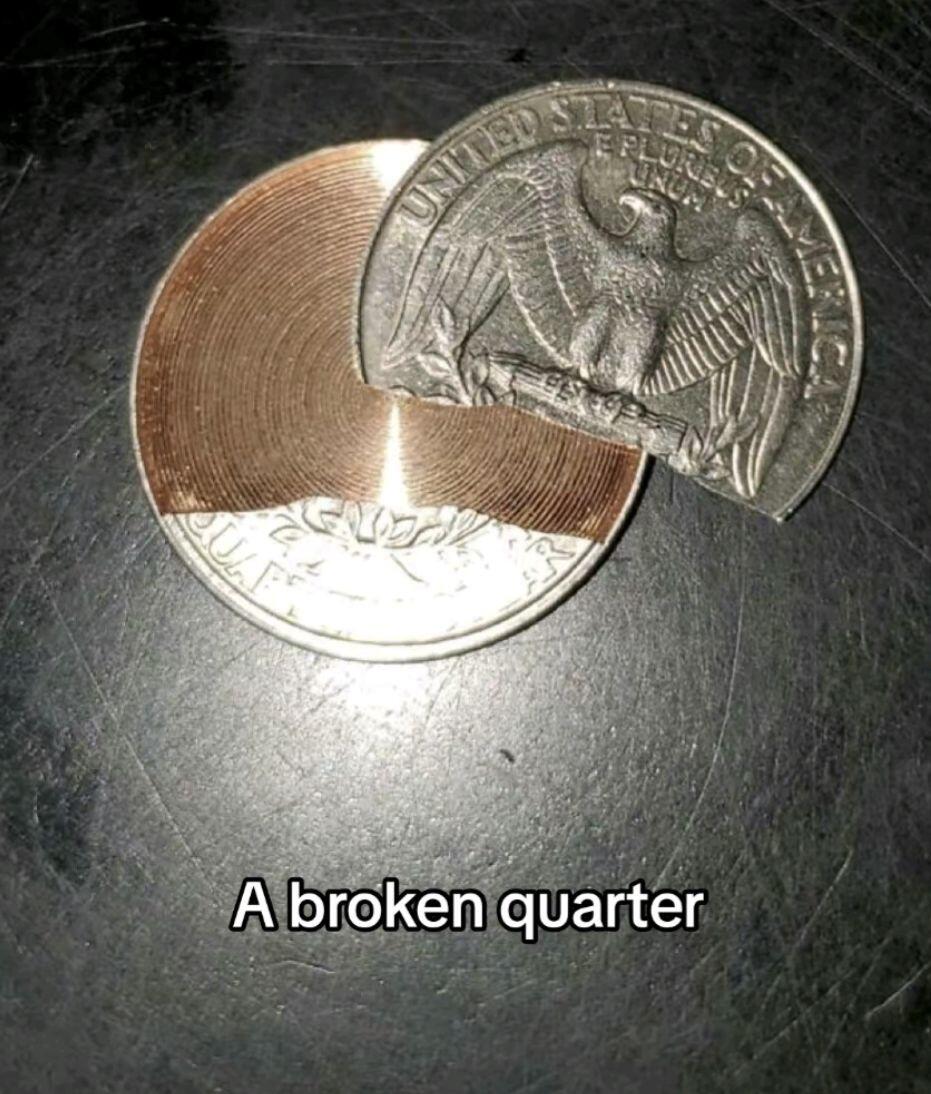 #m=image%2Fjpeg&dim=931x1094&blurhash=%7BBEfD%7B%5E%2B000Ko%23-%3BaeV%40VXIUkXtRW%3Dt6aeae00D*%7Ep%3FaRjRPs%3AbHyY%25MIAITxZjbofkCNItRaxV%3FoJWDbIoz9FRj-%3B%252RiR%25bIR*D%25Rj%25Lt7a%7DayWCRjtSofV%3FaxofRjbHt7kDt7e.M%7BbHRjWBxt&x=397aead1094c52f20a1e49e7f13076bbecf194aec25ce0bbb1c00f438ebe7e18


As far as I remember, the company has already noticed negatively in the past.
Well, bitcoiners are not affected.
What is your best orangepill video to bring bitcoin closer?
Welches ist euer bestes orangepill video um bitcoin näher zu bringen?
There is a second best economist.
For me nearly interesting like saifedean ammous is thomas sowell, a genius economist from the generation without bitcoin.

In this clip Saifedean Ammous explains why Singapore is way richer than the Congo and how human action is the most important factor for economics, something which mainstream economics sadly ignores.
https://rumble.com/v3zy2av-saifedean-on-why-singapore-is-richer-than-congo.html
Yeah, human action is important, but in case of africa, there are some more reasons here
This is what we need in politic for new rules and laws.
The opportunity to cancel stupid new law after a certain time when everybody see, its useless or damaging for society.

Over all, maybe 15 %
Maximum 30%
How much hold there own gold coin today?

The price is high, every one get aware he need more sats. Everyone hold and buy more before its too expensive. Fomo starts to kick in.
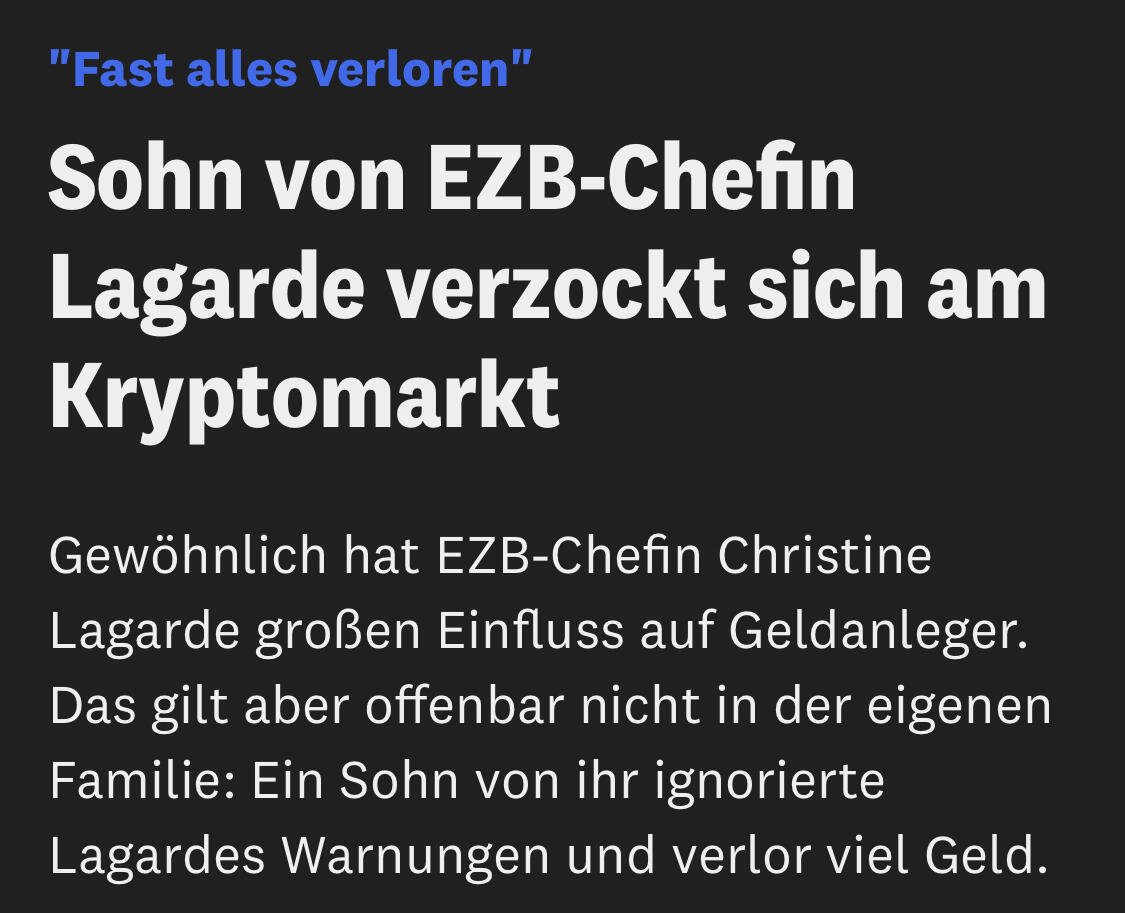
Egal, sie kann soviel neues drucken wie sie will.
Shitcoins sollte man nicht zocken. Entweder selbst produzieren oder finger weg.