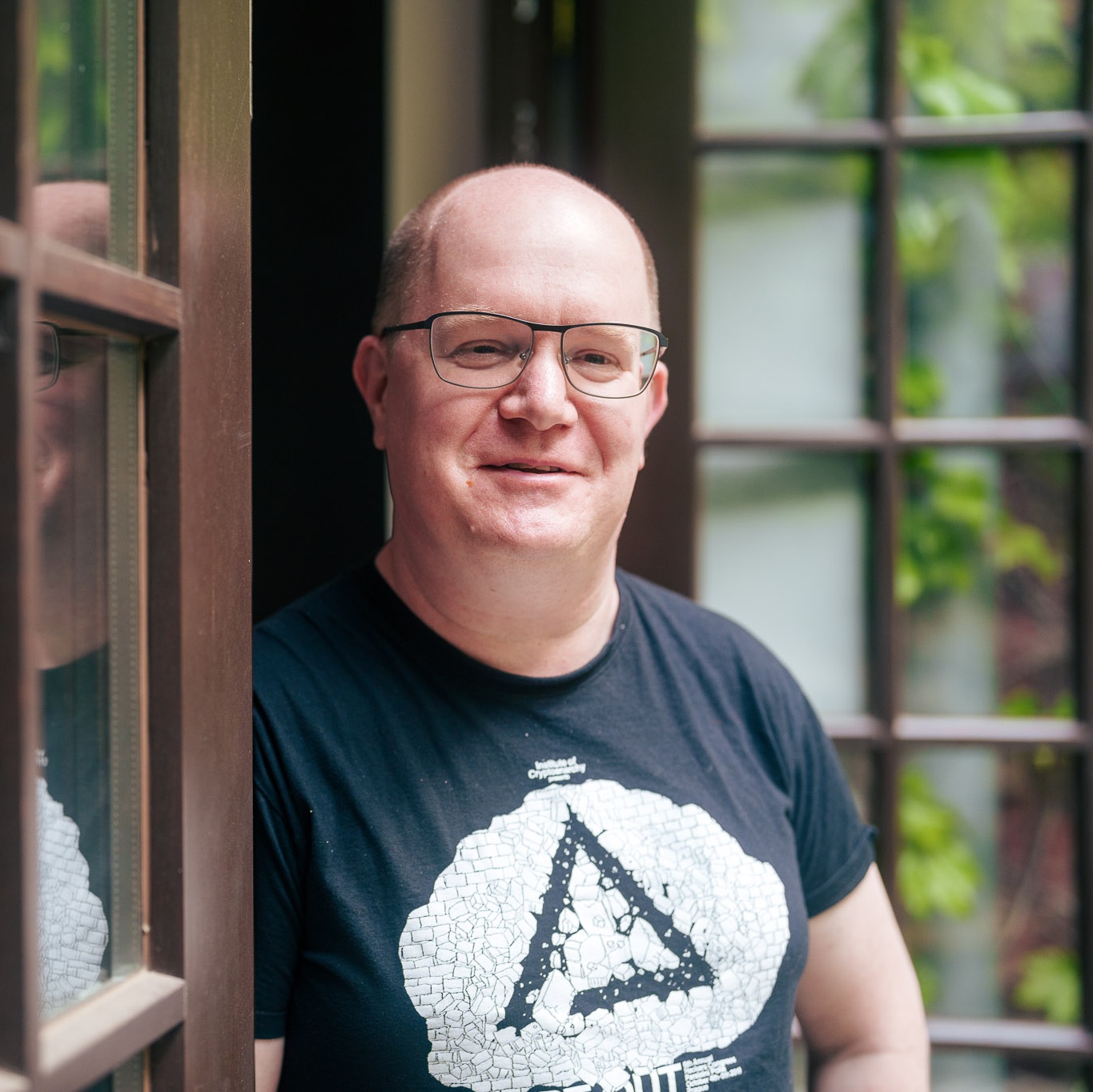
Of course he deserves to just chill out for the next half century. Other people can carry the torch. But some people can't sit still. We'll find out.
nostr:note1h2hj8qlmfeh3vmsr7vzysy9t7zld9pdg6s56z37ly46ggyera8lqk6hz2m
So when is Assange coming to Nostr? Family, fresh air and touching grass can wait!
Not to be confused with bro-llups?

Ah it says "illicit" only in the small print. This map has so many problems:-)
Well maybe not as many states, because this measures a bit of a weird metric: usage relative to the average, so some states have to be low the below the average.

This map should be colored black, with the possible exception of Utah, and the legend should say: alcohol.
Or schedule these things in advance :-)
Nothing wrong with outsourcing tasks, but it's also good to be able to do them yourself. Especially if you already know which specific maintenance is required.
Belgium seems to think they can treat other EU countries like shit. Because they can I guess.... nostr:note1znz5p4c8j6y65tee2sraupwgmqk2uxll6zd4ray67utwyle8k2rqpp3a5v

(I tried to find a paper measuring the half-life of mRNA vs. pseudouridine based modRNA it, but can't find one - other than vague statements that it's "longer". This would be a useful datapoint. Though again, the mRNA would have to cause damage for this to matter, because it transcribes to the exact same spike protein as the virus.)
There are plenty of studies that find virus in the heart, among many other organs. You seem very skeptical of that, but not applying the same skepticism when it comes to the vaccine.
modRNA is only one molecule different from normal mRNA, why would this change durability by many order of magnitude? You seem to be confused about half life: it's to be expected that a few detectable molecules remain after a long time. This happens with mRNA too, that's why PCR tests give false positives long after someone is no longer infectious.
Adding bribes and a coverup as a necessary ingredient of your hypothesis just makes it orders of magnitude less plausible to me.
You would indeed need to find a hypothesis along those lines. And then provide evidence for it.
Two problems I find with your specific suggestion:
1. Covid infections do reach the heart
https://www.ncbi.nlm.nih.gov/pmc/articles/PMC9318581/
" The postmortem study conclusively establishes the presence of the virus in the heart"
So it can't just be about spike proteins reaching the heart. Those proteins are the same whether produced by the vaccine or the virus, and the latter produces orders of magnitude more because of replication.
2. mRNA lifetime is measured in minutes
Perhaps the modifications to the vaccine mRNA extend that, but in order to explain a delayed severe side-effect, this would have to be measured in months or even years.
Remember I was looking for a scenario where the vaccine is worse than the virus, in a way that trials couldn't catch, not merely for bad side-effects.
Fascinating: https://darknetdiaries.com/episode/146/
By the way I agree the tech was experimental, but it's also the closest we've ever gotten to nature's delivery mechanism - with which I had some familiarity. There's very few moving parts that could explain a dramatically bad outcome, especially a delayed one where the trial shows success ... and ten years later we're all dead.
I took several courses in cell biology back in uni, so at least I know the basics of (m)RNA and virus replication. I also followed TWiV for several years during the pandemic, and for a while even a German language podcast with Christian Drosten.
I also kept fairly close track of Dutch statistics (and had at least some knowledge of their strengths and short comings). Read various policy documents and followed technical briefings to parliament.
I participated in an early mRNA vaccine trial. I got the placebo, with side-effects! I also listened to the first FDA approval hearing to see if anyone there raised serious concerns. I read some of the stuff Pfizer submitted back then as well.
Nothing there set off any alarm bells. But it's like reviewing assembly code: I don't think I'd spot a well crafted exploit. But it surely didn't look like rushed junk science. It was fast in large part because serious money was thrown at the problem, where vaccines before were generally not that interesting to big pharma.
But note that my bar was pretty low: I was looking for evidence to contradict my prior that the vaccine is less dangerous than an infection. It's what I needed to know in order to stop avoiding people.
Perhaps if they had found statistically insignificant efficacy combined with severe side effects, I would have been more worried. Because I agree with you that there was some degree of mass hysteria that *could* have pushed a very dangerous vaccine through.
So I consider myself much better informed than e.g. someone listening to Joe Rogan and Bret Weinstein, but obviously less informed than a virologist, immunologist, epidemiologist, economist, etc (none of these experts have a full picture either - which they sometimes forgot).
So I feel somewhat confident stating that, without further information, an mRNA vaccine should be orders of magnitude less harmful than a real virus. And that when conflicting information comes in about bad side effects, the first thing I would recommend is to reconsider how harmful you think the virus is. If that leads to an absurd conclusion (100% mortality) then I would assume there's something wrong with the study of side effects.
In general I don't think one should "do your own research". Only if you're willing to put serious time into it, and have some skill in navigating scientific literature. Even TWiV is ultimately pop science and can only help you so far. It's especially unwise to follow contrarian research unless you really know how to evaluate it. Mainstream science* has issues, but most people who contradict it are wrong. There's no cheat code there. Sometimes simply ignoring an area of science can be fine. But with a pandemic you're kind of forced to take action one way or another. That's one reason why I did "do my own research"
* = hard sciences anyway
Treatment is orthogonal. Vaccines reduce the odds of getting sick in the first place.
Once you're sick, you can consider treatments. A little chicken broth does wonders if you're merely dehydrated from fever, but you may need something more potent. Treatments require their own randomized control trials, some educated guess work pending their results. One those results are in, it's important to drop any obsession with said treatment - because that's where optimism turns into quackery.
Campbell was far from "inside the tent" during the pandemic, except perhaps the first year. To me he seems like text book example of audience capture, similar to Bret Weinstein.
This is different from intentional grift. Millions of views, and the money that brings, does weird things to people. My guess is that what happens is that critical feedback gets swamped out by all the adoration. And perhaps because you get no feedback while talking in the mic, you mistake that for being right.
There's a similar phenomenon, I forgot the term for it, where academics who leave academia often become conspiracy theorists because they're no longer grounded by relentless peer review and instead only get feedback from their non-academic fanbase.
Imo by far the best channel on the topic is TWiV. They grew during the pandemic, but are still only at 128K subscribers. Sadly on Youtube it seems like a good heuristic to ignore anyone with more than a million subscribers.
As for whether not getting the vaccine early on, when there are many uncertainties, is a good decision is tricky. The safest thing might be to wait and avoid people in the mean time. But if you're 100% sure you'll get infected, then you should compare only two things:
1. Infection without vaccination
2. Infection after vaccination
There was no randomized controlled trial for the virus itself (the UK did this later at very small scale). That would be the ideal way to compare the risk of vaccines with the risk of the virus itself. When looking at more recent allegations of mRNA vaccine keep that in mind: the baseline for comparison should be infection.
It seems incredibly implausible to me that a non-replicating tiny fragment of virus mRNA (the vaccine) can do more harm than a replicating complete virus. The latter leaves much more RNA all over your body.
Biology is extremely complex, so it's certainly possible we'll get a nasty surprise, but anyone claiming that is making an extraordinary claim, requiring extraordinary evidence - that's reviewed by competent people rather than conveniently delivered straight to popular Youtubers.
Back after four years of renovation! #Utrecht