Avatar
Expatriotic
89ccea93718c9cfd21fc56f3037f6892b30467030ba7f1e085651f1bdf4e00b7
XMR=🔗 Help▶️UGMF podcast 🔑▶️CF39 A7C1 D2E1 C8EC Blog▶️https://expatriotic.me Novice▶️Proxmox self-hosting Mining▶️https://wilsonmining.io Paynym▶️https://paynym.rs/+expatriotic

### Writers Needed - Open Letter

To whom it may concern,

I'm beginning to realize that the monero users I interact with on #nostr are NOT on stacker news. Okay, fair enough.

So I'm putting out the call for any monero technical users to write in ~monero territory on stacker news.

Currently the cost to post is 100 sats.

I as the owner of the territory will zap new posts 1000 sats as a thank you for joining stacker news to contribute to my nascent territory.

This aligns with SN' interests of growth, and my interests as a territory owner so I'm not forced to archive it at the end of the month due to inactivity.

Cheers!

Expatriotic (almost signed off with my real name lol, NICE TRY FEDS!)

Chicken and egg... How do you get the FIRST private email if EVERY "private" email requires you to have an email.

Plus the idea of signing up for email with email is retarded.

That's like nostr:nprofile1qqsgqfapsalnnesrmt7xxfu7qp95akwlscw33n5pm8zrclt3xhdg7egprdmhxue69uhhyetvv9ujucnfw33k76twwpshy6ewvdhk6qgawaehxw309ahx7um5wghx6at5d9h8jampd3kx2apwvdhk6tcpz4mhxue69uhhyetvv9ujuerpd46hxtnfduhscyvr9p saying, buy bitcoins no KYC. Oh but deposit bitcoins first 🤔...

Then how does one get the first email/bitcoins no KYC?

To answer though, haven't heard of disroot

Wait I don't understand. Why would IP matter if you're using VPN or Tor?

I'm NEVER on clearnet...

What makes it private is not paying with credit card and NOT signing up using a doxxed email like many probably do with proton.

Not sure what "retention of 30 days" is in reference to, but I haven't heard anything that's a deal breaker yet...

Tuta does NOT know who I am... Sooo yeah, that's a private service.

The way it works is everyone (unless they're retarded) is in on it.

They fully know this is a rug pull.

They just want to get in and get out before it collapses...

Yes the scale is impressive, but this has been going on in meme coin and shit coin land for ages.

Wherever there's a pump and dump being deployed, there are savvy shitcoiners reading the tea leaves trying to time it without getting rekt, knowing full well what's coming.

I'm surprised you prefer nostr:nprofile1qqsdu74x8vw8aqylv6n8hhxjh4xf22sfe4fwuq0d0ke435ym4ktlssqpz4mhxue69uhhyetvv9ujumt0wd68ytnsw43qzxthwden5te0wfjkccte9eeks6t5vehhycm99ehkuegprpmhxue69uhkummnw3ezucm0d9hxvatwvshxzursdn707c...

If it's your one and only email how does that work. It fucking requires an email for you to sign up. And for most people that'd be a doxxed email.

At the very least nostr:nprofile1qqsg8luvm59fn9qcdg0ccsezdxwnqdaa8h4mr07kk48ht2jezhznmvspz4mhxue69uhhyetvv9ujumt0wd68ytnsw43qwv55dm doesn't make that blunder.

I'm making a guide to help people migrate from Gmail and Outlook....

Pretty sure Tuta will work fine.

But I'll read their privacy policy. You mind telling me what exactly in it you dislike?

Okay...

I'll read it.

But the privacy I get from them is that I don't need an existing email to sign up like with proton...

And I'm fairly certain they can't read my emails... 🤔

I'll make a guide. But get a domain and use @addy.io and implement a wildcard "catchall" so you can make email addresses on the fly

Shill me your favorite card/company for spending noKYC bitcoins or monero.

Has to be noKYC option.

Have only used #bitrefill so far. Want to test nostr:nprofile1qqs06juvrw2txquvwshq9dzjffuzef294u7f55ttll02me4x8cx3q8cpz4mhxue69uhhyetvv9ujuerpd46hxtnfduhsretaqf soon.

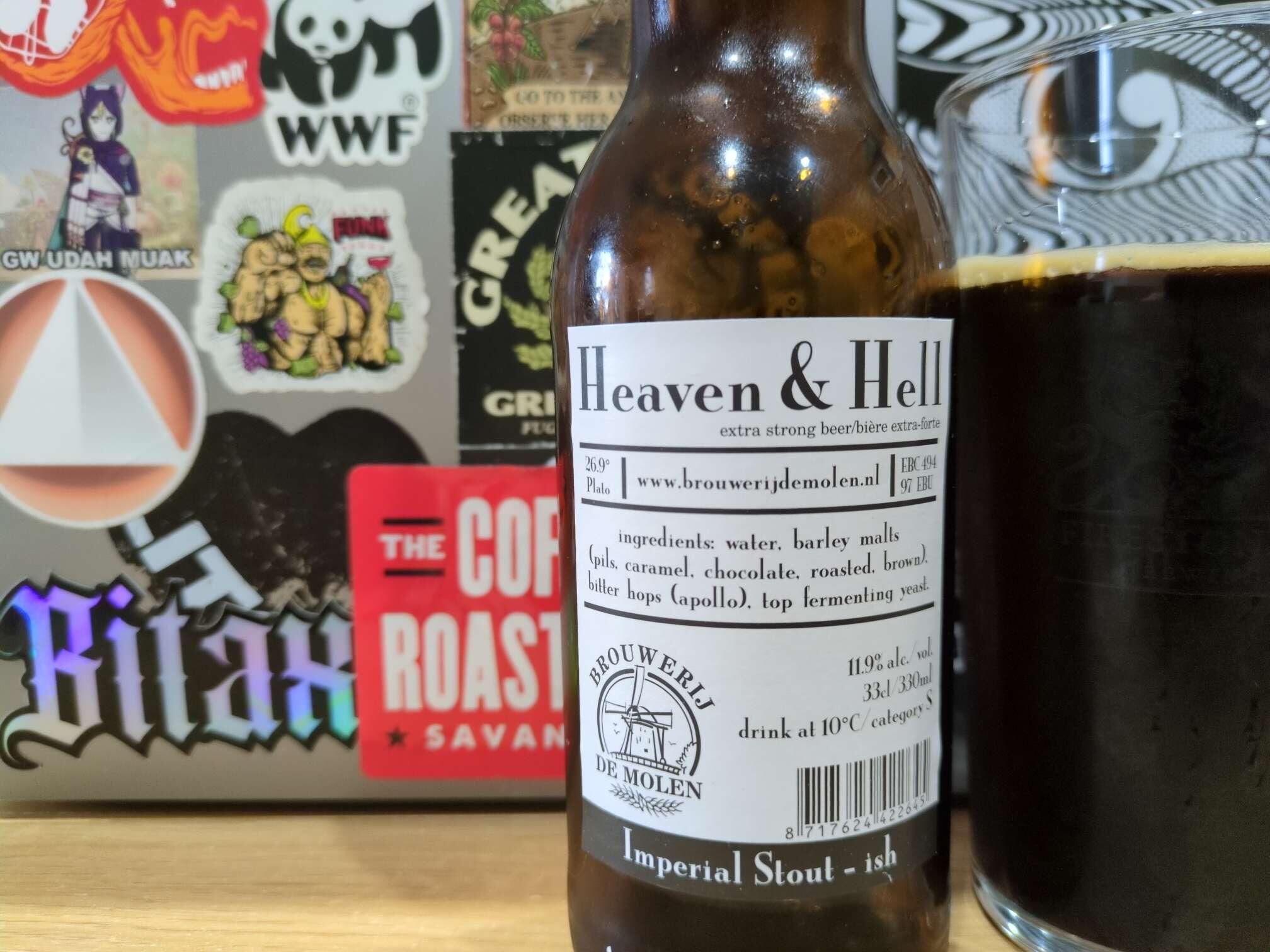
Drink good #beer

Dutch

**BROUWERIJ DE MOLEN**

_Heaven & Hell_

11.9% alc/vol
Replying to Avatar Lyn Alden

When it comes to AI, philosophical people often ask "What will happen to people if they lack work? Will they find it hard to find meaning in such a world of abundance?"

But there is a darker side to the question, which people intuit more than they say aloud.

In all prior technological history, new technologies changed the nature of human work but did not displace the need for human work. The fearful rightly ask: what happens if we make robots, utterly servile, that can outperform the majority of humans at most tasks with lower costs? Suppose they displace 70% or 80% of human labor to such an extent that 70% or 80% of humans cannot find another type of economic work relative to those bots.

Now, the way I see it, it's a lot harder to replace humans than most expect. Datacenter AI is not the same as mobile AI; it takes a couple more decades of Moore's law to put a datacenter supercomputer into a low-energy local robot, or it would otherwise rely on a sketchy and limited-bandwidth connection to a datacenter. And it takes extensive physical design and programming which is harder than VC bros tend to suppose. And humans are self-repairing for the most part, which is a rather fantastic trait for a robot. A human cell outcompetes all current human technology in terms of complexity. People massively over-index what robots are capable of within a given timeframe, in my view. We're nowhere near human-level robots for all tasks, even as we're close to them for some tasks.

But, the concept is close enough to be on our radar. We can envision it in a lifetime rather than in fantasy or far-off science fiction.

So back to my prior point, the darker side of the question is to ask how humans will treat other humans if they don't need them for anything. All of our empathetic instincts were developed in a world where we needed each other; needed our tribe. And the difference between the 20% most capable and 20% least capable in a tribe wasn't that huge.

But imagine our technology makes the bottom 20% economic contributes irrelevant. And then the next 20%. And then the next 20%, slowly moving up the spectrum.

What people fear, often subconsciously rather than being able to articulate the full idea, is that humanity will reach a point where robots can replace many people in any economic sense; they can do nothing that economicall outcomes a bot and earns an income other than through charity.

And specifically, they wonder what happens at the phase when this happens regarding those who own capital vs those that rely on their labor within their lifetimes. Scarce capital remains valuable for a period of time, so long as it can be held legally or otherwise, while labor becomes demonetized within that period. And as time progresses, weak holders of capital who spend more than they consume, also diminish due to lack of labor, and many imperfect forms of capital diminish. It might even be the case that those who own the robots are themselves insufficient, but at least they might own the codes that control them.

Thus, people ultimately fear extinction, or being collected into non-economic open-air prisons and given diminishing scraps, resulting in a slow extinction. And they fear it not from the robots themselves, but from the minority of humans who wield the robots.

Tl;dr

Replying to Avatar Lyn Alden

When it comes to AI, philosophical people often ask "What will happen to people if they lack work? Will they find it hard to find meaning in such a world of abundance?"

But there is a darker side to the question, which people intuit more than they say aloud.

In all prior technological history, new technologies changed the nature of human work but did not displace the need for human work. The fearful rightly ask: what happens if we make robots, utterly servile, that can outperform the majority of humans at most tasks with lower costs? Suppose they displace 70% or 80% of human labor to such an extent that 70% or 80% of humans cannot find another type of economic work relative to those bots.

Now, the way I see it, it's a lot harder to replace humans than most expect. Datacenter AI is not the same as mobile AI; it takes a couple more decades of Moore's law to put a datacenter supercomputer into a low-energy local robot, or it would otherwise rely on a sketchy and limited-bandwidth connection to a datacenter. And it takes extensive physical design and programming which is harder than VC bros tend to suppose. And humans are self-repairing for the most part, which is a rather fantastic trait for a robot. A human cell outcompetes all current human technology in terms of complexity. People massively over-index what robots are capable of within a given timeframe, in my view. We're nowhere near human-level robots for all tasks, even as we're close to them for some tasks.

But, the concept is close enough to be on our radar. We can envision it in a lifetime rather than in fantasy or far-off science fiction.

So back to my prior point, the darker side of the question is to ask how humans will treat other humans if they don't need them for anything. All of our empathetic instincts were developed in a world where we needed each other; needed our tribe. And the difference between the 20% most capable and 20% least capable in a tribe wasn't that huge.

But imagine our technology makes the bottom 20% economic contributes irrelevant. And then the next 20%. And then the next 20%, slowly moving up the spectrum.

What people fear, often subconsciously rather than being able to articulate the full idea, is that humanity will reach a point where robots can replace many people in any economic sense; they can do nothing that economicall outcomes a bot and earns an income other than through charity.

And specifically, they wonder what happens at the phase when this happens regarding those who own capital vs those that rely on their labor within their lifetimes. Scarce capital remains valuable for a period of time, so long as it can be held legally or otherwise, while labor becomes demonetized within that period. And as time progresses, weak holders of capital who spend more than they consume, also diminish due to lack of labor, and many imperfect forms of capital diminish. It might even be the case that those who own the robots are themselves insufficient, but at least they might own the codes that control them.

Thus, people ultimately fear extinction, or being collected into non-economic open-air prisons and given diminishing scraps, resulting in a slow extinction. And they fear it not from the robots themselves, but from the minority of humans who wield the robots.

Good morning nostr.