 nostr:note1l03rsr5wcgnahltgv0l3q595q8v5ut7pwjtys53fhsvay9wx7dysd73u3w

If nostr:npub1e2rd2k45ym2jmctnysfadxumrvrr57vqj69ck6trt2y62c40r0kqs9lx8t doesn’t already do art journaling I bet she will after seeing this.


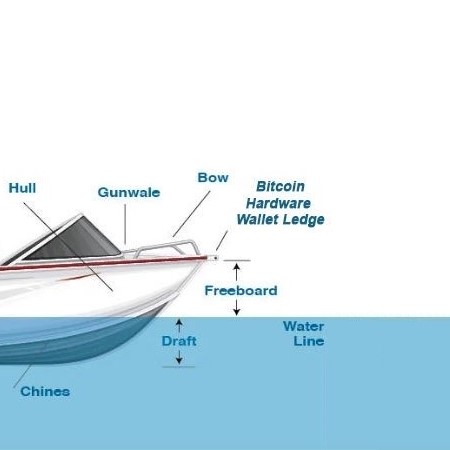
Yesterday we had our monthly “#Bitcoin” meet up! 🤣
Lots of new amazing plebs. Please #nostr join me in welcoming some new DMV Bitcoiners and nostriches!!
Thank you all for coming up! We had a really good time.
And as always thank you nostr:npub1jrx2fk666k5nt8vgak9xwyxlgcwh8fl9rvpwvvcpdthuqkcnptrqdfhtaq nostr:npub1e2rd2k45ym2jmctnysfadxumrvrr57vqj69ck6trt2y62c40r0kqs9lx8t for making this happen.
This is not a #hellthread. This is the heavens thread.
#introductions nostr:note1mdpwsjsm7sxysxhgvg4y5hkyx85kcqggfzpwp2yjhlegv7dyk4usjm0lf9
Haha I didn’t make anything happen, I just posted an event. The people that show up make it happen!
For every fiction podcast nostr:npub1e2rd2k45ym2jmctnysfadxumrvrr57vqj69ck6trt2y62c40r0kqs9lx8t recommend, I will counter with another podcast episode from the Mises Institute.
This one has only been queued up so I haven’t listened yet, but it sounds interesting. Possibly also relevant insofar as refining the framing of ideas is likely to improve argumentation.
Going in I’m personally more in agreement with the Hoppe position, though I don’t think the case is as rock-solid as some influencers might argue.
https://fountain.fm/episode/tROB9ZX5bFarn4wFMJrj
#mises
#misesinstitute
#podcast nostr:note130ugdac4u7ch38txn2vgf3p0wkmze8736yvhfk49ax088a8n4x6q8zf7hd
So about halfway through the Mises Institute podcast episode. A few thoughts so far:
Simon Guenzl starts by making the distinction between state-confiscated land, meaning taken from a specific person or group by the state, and state-claimed land, which is previously unowned land that the state is claiming. I think this is a valuable distinction because these are two different circumstances.
He then goes on to make the case that while state-confiscated land has a definite owner (the person or group from whom the land was confiscated) but state-claimed land is unowned in a libertarian sense rather than owned by the net taxpayers as argued by Hoppe.
While the former point is well taken I don't think I agree with the latter point, at least in most circumstances, for a few reasons.
First, often when land is confiscated by the state through eminent domain or other processes, the rightful owner (victim) is often given some form of compensation for their now-stolen property. If the correct action from a libertarian prospective is to give back the land that was taken (I agree it is) then the question arises who is the rightful owner of the compensation which the state gave to the victim when the land confiscation occurred? Surely that asset (likely money) is not unowned, I would contend that it is rightfully owned by the taxpayers from whom that money was also confiscated. The victim of land confiscation is entitled to get back what was stolen from them, but does not get to keep the stolen compensation as well. This indicates that the net taxpayers are owed *something* based on what was taken from them.
Second, I'll start by saying that for state-claimed land that is entirely unimproved, such as a national forest which has been left in a state of nature, I agree with his premise that this is in fact unowned land. However I do not think the same is true of state-claimed land that has been subsequently improved to a point where it would be considered owned land if the improvements had been conducted by a private actor. For example if a private actor were to build a road through otherwise unimproved land, the land upon which they built the road is now owned by them in a libertarian sense. In a similar way, if a state were to confiscate value in the form of taxes, then use that confiscated value to build a road through unimproved land, then in the same way as the first scenario those net taxpayers from whom the value was confiscated are owed compensation for what was taken from them. While the funds which were stolen are no longer available as compensation for them, the road which they were used to build might serve as a form of in-kind compensation.
So far, Mr. Guenzl's arguments have left me unmoved from my position. In my understanding accepting his line of reasoning would lead to one arguing that land confiscation, but not other types of state confiscation, deserve restitution under a libertarian framework. That being said I do think his differentiation of state-confiscated and state-claimed property is a valuable insight.


For every fiction podcast nostr:npub1e2rd2k45ym2jmctnysfadxumrvrr57vqj69ck6trt2y62c40r0kqs9lx8t recommend, I will counter with another podcast episode from the Mises Institute.
This one has only been queued up so I haven’t listened yet, but it sounds interesting. Possibly also relevant insofar as refining the framing of ideas is likely to improve argumentation.
Going in I’m personally more in agreement with the Hoppe position, though I don’t think the case is as rock-solid as some influencers might argue.
https://fountain.fm/episode/tROB9ZX5bFarn4wFMJrj
#mises
#misesinstitute
#podcast nostr:note130ugdac4u7ch38txn2vgf3p0wkmze8736yvhfk49ax088a8n4x6q8zf7hd
If you’re in the DC/Maryland/Virginia area, come hang out and talk Bitcoin tomorrow at 10 AM!

I think modern society is far closer to Brave New World than 1984.


#videostr #growbostr #DC #DCstr Dulles
Beautiful nature walk in Reston near Washington DC https://video.nostr.build/afb3d74e2c31da07cc469a3308766061c804ceacac8c63c06aa8114de42a3b87.mp4 
Check out DMV Bitcoiners on Meetup

Hey now, who are you calling a dan?

“Now the soldiers took Him away into the palace (that is, the Praetorium), and they *called together the whole Roman cohort. And they *dressed Him in purple, and after twisting together a crown of thorns, they put it on Him; and they began saluting Him: “Hail, King of the Jews!” And they repeatedly beat His head with a reed and spit on Him, and kneeling, they bowed down before Him. And after they had mocked Him, they took the purple cloak off Him and put His own garments on Him. And they *led Him out to crucify Him.”
Mark 15:16-20 NASB2020
Many groups, including the Pharisees, the Sadducees, and yes the Romans, were responsible. Not sure how anyone could deny Roman complicity, crucifixion was a Roman punishment after all, not a Jewish one.


And by life I mean you 😁 


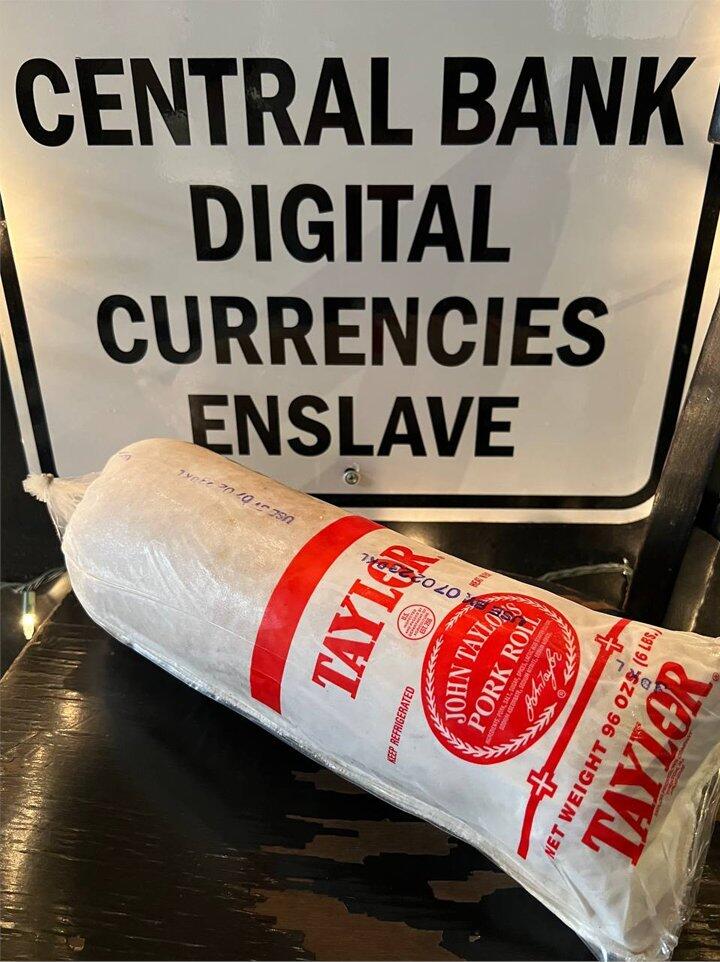
I pay no mind to yankee food controversies. When are you having a barbecue debate?
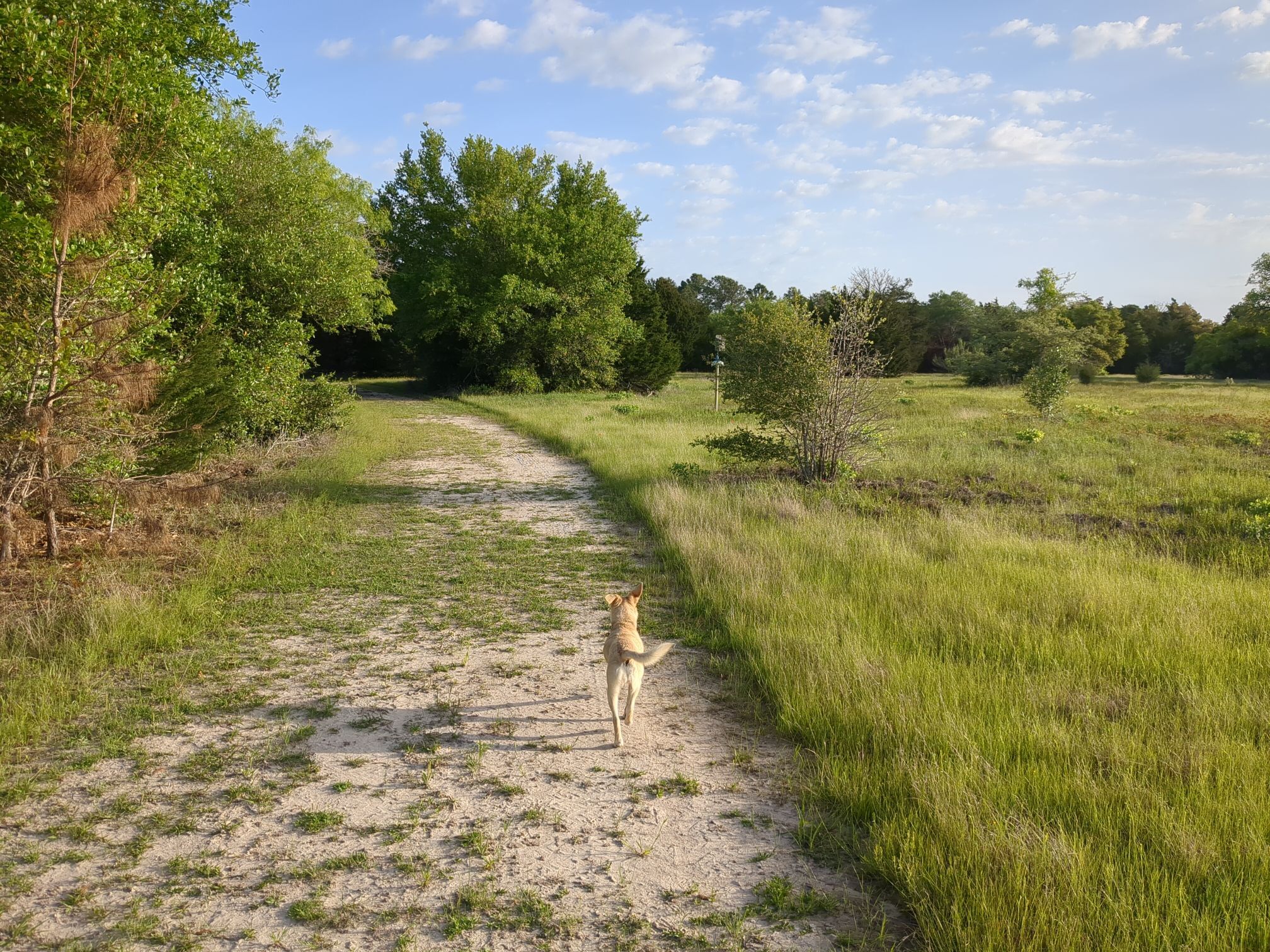
nostr:npub1e2rd2k45ym2jmctnysfadxumrvrr57vqj69ck6trt2y62c40r0kqs9lx8t and I picked up some food from his farm this weekend!
If you’ve never been there you should check it out. We both really like the Rogue Food Conference they host around the 3rd weekend of May.

Give 60% and expect 40%. If both people in a relationship are doing that then things end up about at 50/50, except with the benefit that neither of you feel like you had to compromise to get there because what you’re getting is exceeding your expectations.
The boomer world is just starting to accept custodial Bitcoin-correlated financial instruments, they’re a ways away from Bitcoin itself.

f) all of the above at the same time!