

"Already have in the past and then quit it because nostr:npub1sg6plzptd64u62a878hep2kev88swjh3tw00gjsfl8f237lmu63q0uf63m wasn't there, that i could find."
I doubt you will find any sparrows here; perhaps #nostriches

UK Authorities Now Arresting People For Posting “Inaccurate Information” On Social Media
From ZeroHedge
Authored by Paul Joseph Watson via Modernity.news, Authorities in the UK are now arresting people for posting “inaccurate information” on social media, according to a new report. Sky News reports that a woman has been arrested by Cheshire Police for posting “inaccurate information […]
Aug 8th 2024 4:40pm EDT
Source Link: https://www.zerohedge.com/political/uk-authorities-now-arresting-people-posting-inaccurate-information-social-media
Internet Archive Link: https://web.archive.org/web/20240808213244/https://www.zerohedge.com/political/uk-authorities-now-arresting-people-posting-inaccurate-information-social-media
Share, promote & comment with Nostr: https://dissentwatch.com/boost/?boost_post_id=819736
STOP USING TRADITIONAL SOCIAL MEDIA!
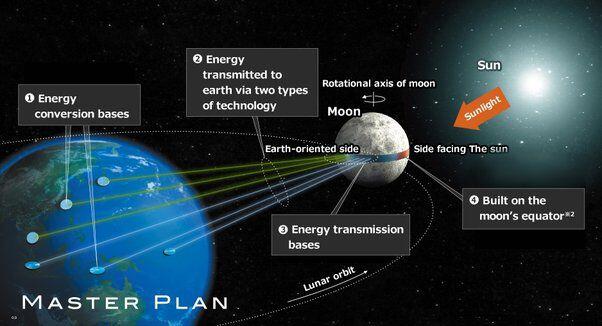
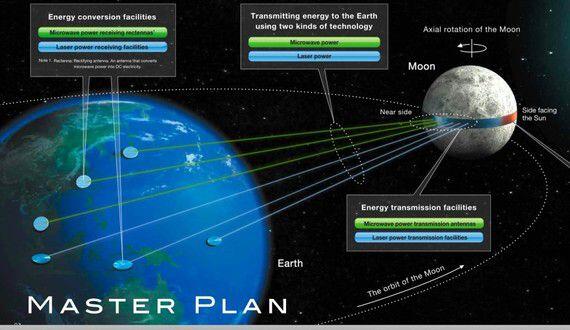

Whoever builds an army of AI robots and Drones wins the game. I can see Russia, China and North Korea doing exactly that.
The real question is, what about US allies? Do they have the willpower and skill to fight an intergalactic tech war for planets, asteroids and habitable zones?

Great, hopefully it will last until the end of the year then; it was a great purchase by the way, a bit too much but you took the opportunity. You could actually turn it into a business model.


Your fridge has a freezer but it's not enough to freeze all that meat. Find below a real freezer!

Bought a whole 🐄 again from a local farmer. Distributed some to extended family & we’re set for the rest of the year. 🤗
Oh & while the #fiat price went up this year, it went down in #Bitcoin.
“Life keeps getting cheaper on Bitcoin island!” nostr:npub1pmhevxtlt3478pvmdqt7dftnv6zc2mzpdc569yjm6ks4k2jhezcs53uksr 
You should have purchased a freezer fridge first; that meat will not last until the end of the year, it needs to be preserved in ice otherwise it will rot away.
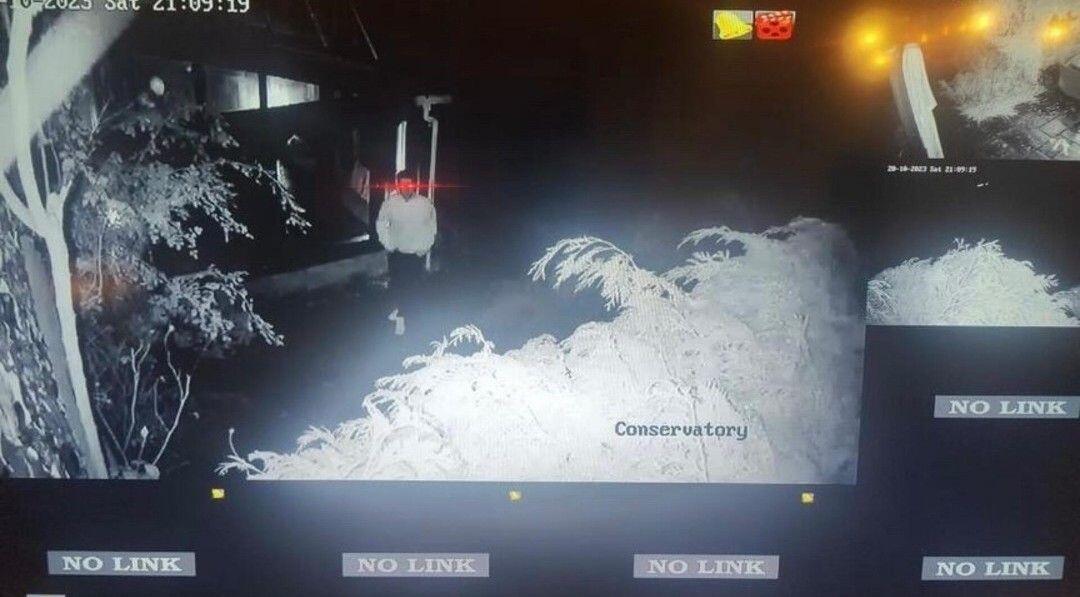
Aliens! 
Divine intervention! 
“Remember, democracy never lasts long. It soon wastes, exhausts, and murders itself. There never was a democracy yet that did not commit suicide.”
—John Adams
#democracy #bitcoin #nostr


The loss of humanity and the ability to procreate are significant concerns in the debate over transhumanism. These concerns center around how extensive technological enhancements might alter fundamental aspects of what it means to be human.
Loss of Humanity
Identity and Authenticity: As humans integrate more technology into their bodies and minds, the line between human and machine blurs. There are fears that this integration might erode the essence of human identity and authenticity, potentially leading to a loss of individuality and unique human experiences.
Emotional and Social Impacts: Technologies that significantly alter cognition and emotions might impact human relationships and social structures. Enhanced individuals could experience emotions differently or prioritize efficiency over empathy, potentially undermining the social bonds that form the fabric of human society.
Dependence on Technology: Increased reliance on technology could diminish certain human skills and capacities. For instance, advanced AI could make critical thinking or problem-solving less necessary, leading to a potential atrophy of these abilities in unenhanced individuals.
Philosophical and Ethical Questions: The pursuit of immortality and extreme enhancement challenges traditional philosophical and ethical conceptions of life, death, and the human experience. This raises questions about the value of human experiences, such as suffering and mortality, that have historically shaped human culture and wisdom.
Ability to Procreate
Genetic Engineering and Reproduction: Advances in genetic engineering could lead to a future where natural procreation is supplemented or even replaced by artificial means. Parents might choose to design their offspring with specific traits, which could impact the natural diversity and evolution of the human species.
Post-Biological Reproduction: If humans increasingly merge with machines or transition to digital consciousness, traditional biological reproduction might become obsolete. This could lead to new forms of reproduction, such as cloning or digital replication, which differ fundamentally from natural procreation.
Ethical Implications: The ability to design offspring or alter genetic material raises significant ethical questions. Issues of consent, the potential for eugenics, and the implications of creating "designer babies" are critical concerns that society would need to address.
Social and Evolutionary Consequences: The shift away from natural procreation could have profound social and evolutionary consequences. Social structures, family dynamics, and concepts of kinship could change dramatically, and the long-term evolutionary impacts on the human species are unpredictable.
Balancing Progress and Preservation
To address these concerns, it is crucial to balance the pursuit of technological advancements with the preservation of fundamental human qualities. Ethical frameworks and regulatory measures should be developed to guide the responsible use of enhancement technologies. Public discourse and inclusive decision-making processes are essential to ensure that the benefits of transhumanism are realized while safeguarding against potential risks to humanity and the natural process of procreation.
The future of transhumanism will depend on our ability to navigate these complex issues thoughtfully and ethically, ensuring that technological progress enhances rather than diminishes the human experience.
GN The normalization of war refers to the process by which the presence and impacts of war become accepted as a routine part of life by societies and individuals. This phenomenon can occur through various means, including media portrayal, political discourse, cultural narratives, and even education systems that depict war as a necessary or inevitable aspect of human existence.
Key factors contributing to the normalization of war include:
Media Representation: Constant exposure to images and stories of conflict through news and entertainment can desensitize individuals to the realities of war. When war is depicted as a common backdrop in movies, TV shows, and video games, it can become perceived as a normal state of affairs.
Political Rhetoric: Politicians and leaders might frame war as a justified response to threats or as a patriotic duty. This can shape public perception, making war seem like an unavoidable or even noble endeavor.
Cultural Narratives: Societies with histories of conflict may develop cultural narratives that glorify past wars or present them as essential to national identity. These narratives can perpetuate a cycle of acceptance and readiness for future conflicts.
Educational Systems: How history and current events are taught in schools can influence perceptions of war. If education systems emphasize the inevitability of conflict and the heroism associated with military action, students may grow up viewing war as a natural part of life.
Economic Interests: The defense industry and its significant economic influence can also contribute to the normalization of war. When economic stability and job creation are tied to military production, war can be seen as beneficial or necessary for economic health.
The normalization of war has profound consequences, including reduced public outcry against military actions, increased acceptance of military spending, and a general apathy towards the human suffering and destruction caused by conflict. It is crucial to critically examine these influences and strive for a culture that promotes peace, diplomacy, and conflict resolution over militarization and war.
#war #bitcoin #nostr

Never liked Netflix.

This issue is very serious, a solar maximum typically lasts about 11 years, which is part of the solar cycle, an approximately 22-year cycle that includes both a solar maximum and a solar minimum. The solar maximum is the period during which the Sun's activity is at its peak, with more sunspots, solar flares, and coronal mass ejections.
We are currently at the begining of the Solar Maximum with a depleted atmosphere living on a beautiful matchstick full of oxygen and ready to light up.
Hopefully your feelings and decisions have no ill-will against other races.

Precisely here on #nostr every post is an opportunity to earn Zaps.