



Trust your gut
Weigh the pros and cons carefully for decisions with implications/impacts that cannot be undone/reversed

No. Damper is only for when you’re camping mate
The beach
Cold beers
Ripe mangoes
The mountains
Succulent cherries
BBQs with friends and family
.. they’re all January things 🤝🤗

Eisman’s most relevant comment is that the failure of the USD bond market is the objective measure against which failure of the USD as global reserve will be recognised

Happy Birthday #Bitcoin
15 years old today and just like a teenager, showing lots of promise, full of life and energy and ideas
.. and just like a teenager, can benefit from care and nurturing but will accumulate their own scars and lessons reaching maturity
Thanks Satoshi 🧡

Bitcoin is a fiat franger!
Well said nostr:npub1xw80wt3aa6768pdwm6j73xu8as66055k6j5mvs4m9sddjfsq0kms55pukx

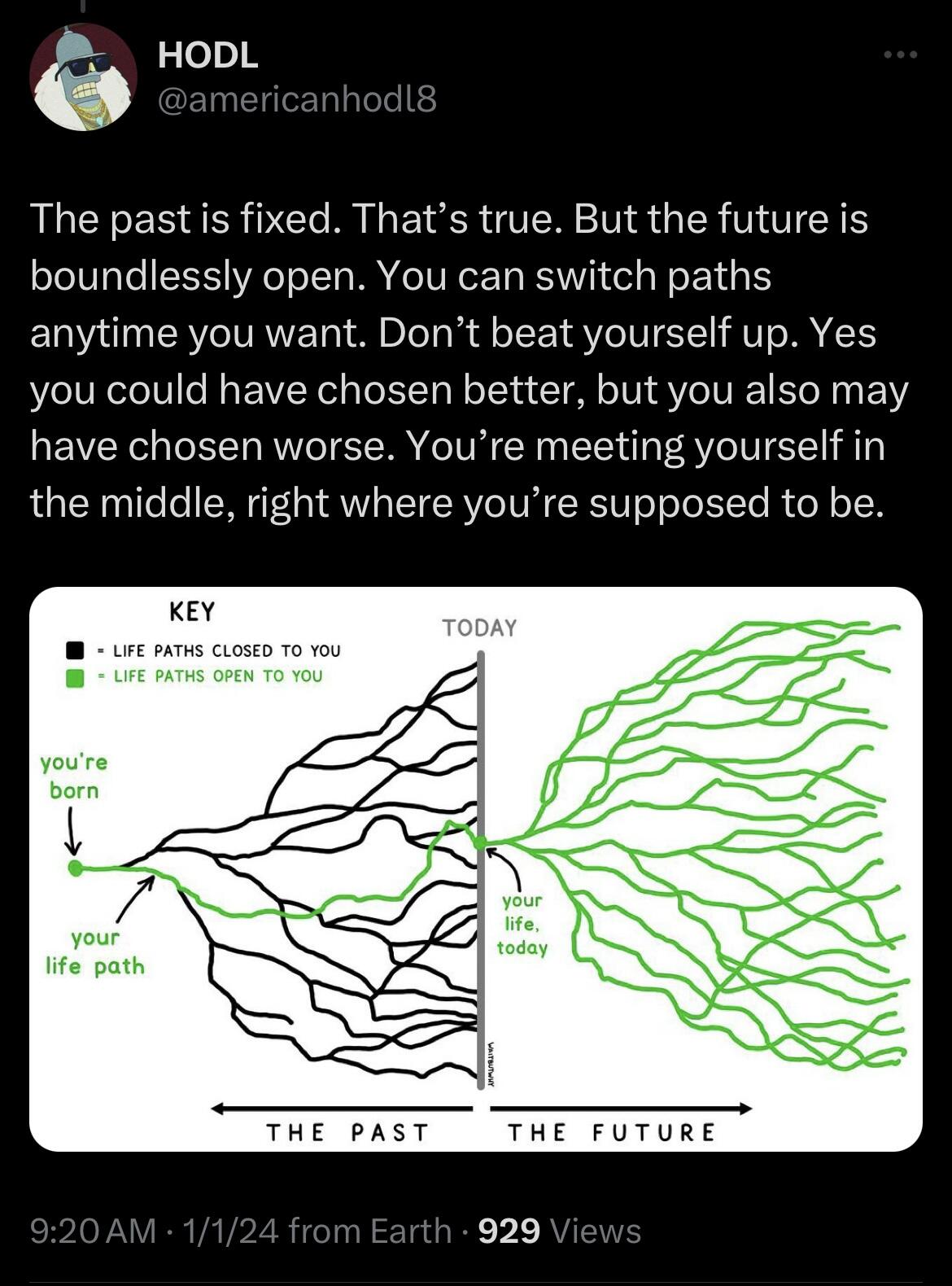
Have done the same - there’s a reason the windscreen is 50x the size of the rearview mirror - life is forward only. Sure, glance in the mirror to remind you of your journey to date - but that can never be changed or altered, only learned from. Focus on the choices for where next .. which are endless in possibilities🔥🧡
Happy New Year!


Happy New Year #austrichs 

This is the nub of the difference between product and service
Hardware clearly falls into the former, and initially so did software. However the last 10+ years have seen commercial software move to a (solely) subscription model which provides recurring revenue and substantial profits
That model is becoming far more pervasive and extends to infrastructure (AWS, Azure etc), and now just wait for it to be extended into new areas like cars (eg: BMW doing subscriptions for remotely turning on seat warming feature in winter)
Where does product end and service begin?
As a consumer i like to buy product and if it’s good - or crucial for me - I’ll happily pay support. Xmind for mind mapping is a great example where i happily pay every year because i use it a lot and as a software developer i like to pay for good stuff 🙂
Support can provide a revenue stream as NVK noted, but that model is dependent on the need for support which tired back to criticality. Consumers don’t generally care too much - businesses certainly do.
Redhat (which IBM eventually acquired) built a hugely successful business providing value add services over open source .. but again .. software
Hardware is a tough one and I’ve never been involved in production but appreciate the skill and effort and the challenge of the pure product model

.. yep .. seems a potential synergistic fit

nostr:npub1x62hwsu5s9q7yzhuav0h3j665yry4tjvx2zatpznak5gwrr946pq075f0y .. Nunya needs to have a chat with Hans about biochar 🤔
15 hours and 8 minutes left until the New Year nostr:note16tyf3gg8rzmfyqd6ch36cev80a29zemp6yl5jla0ns3xruj4vwds47jk4y
Bwahahahaaaaa

 #m=image%2Fjpeg&dim=1080x792&blurhash=%2304xug_3%7Eq8_D*%3FbD%25-%3B4nxa%7Eq0000IUM%7B_NWB-%3B_3%3Fb9F9FDixv-%3Bt8t8%7Eqx%5Daf9F8_ofMxxuRiogxuIUIUWBRjxuWBRjxuax%25MxtxutQWCofRj4nRjay%25Lt7M%7Ba%7CWB%25g&x=9e15ab78e1b8502a69c4a3a9d80f99bcfa60c1e8390cee2cdc8e4ec0bb812a1c
May your bounty be plentiful 🧡
that would be a nifty client

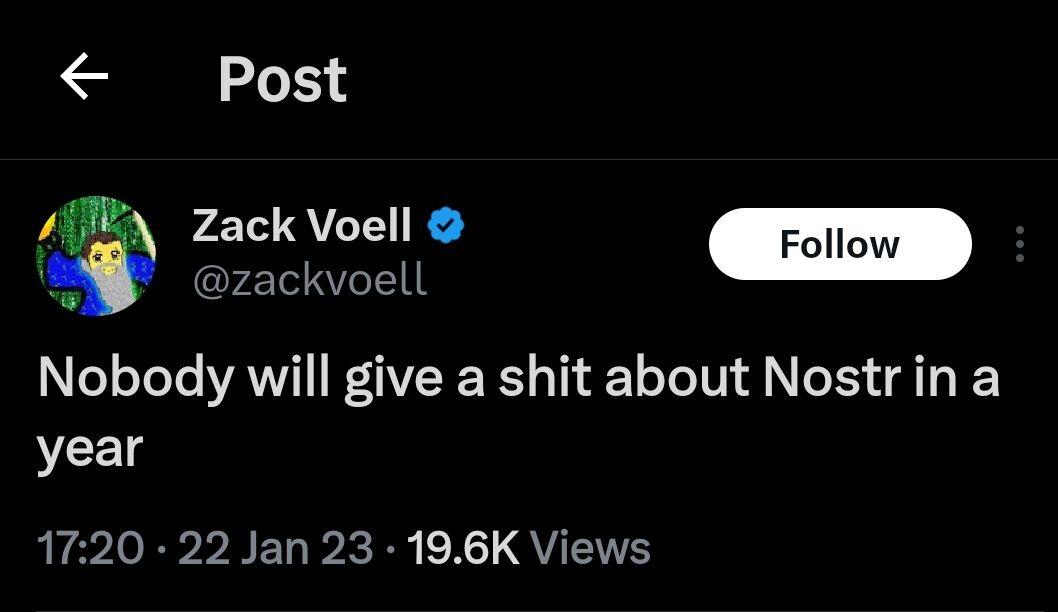
At least Zack is consistent with his hot takes