We recently published a new blog entry. Enjoy!
Recientemente publicamos una nueva entrada en el blog. ¡Disfrútenla!
#cannabis #Switzerland #420
https://www.dinafem.org/en/blog/switzerlands-cannabis-pilot-programme-reveals-its-first-findings/
Good morning #Nostr
It feels good coming back from holidays and not have to deal with algorithm bs.
#cannabistr #420 #dinafem https://nostrcheck.me/media/9b61cd02adac4b18fbcc06237e7469b07e276faf6ec4ecb34b030c2e385892a0/892ab680b09303d6ce703b8e34e6f3e8ff918c5d2a608d95c85a885f3c3bf81d.webp


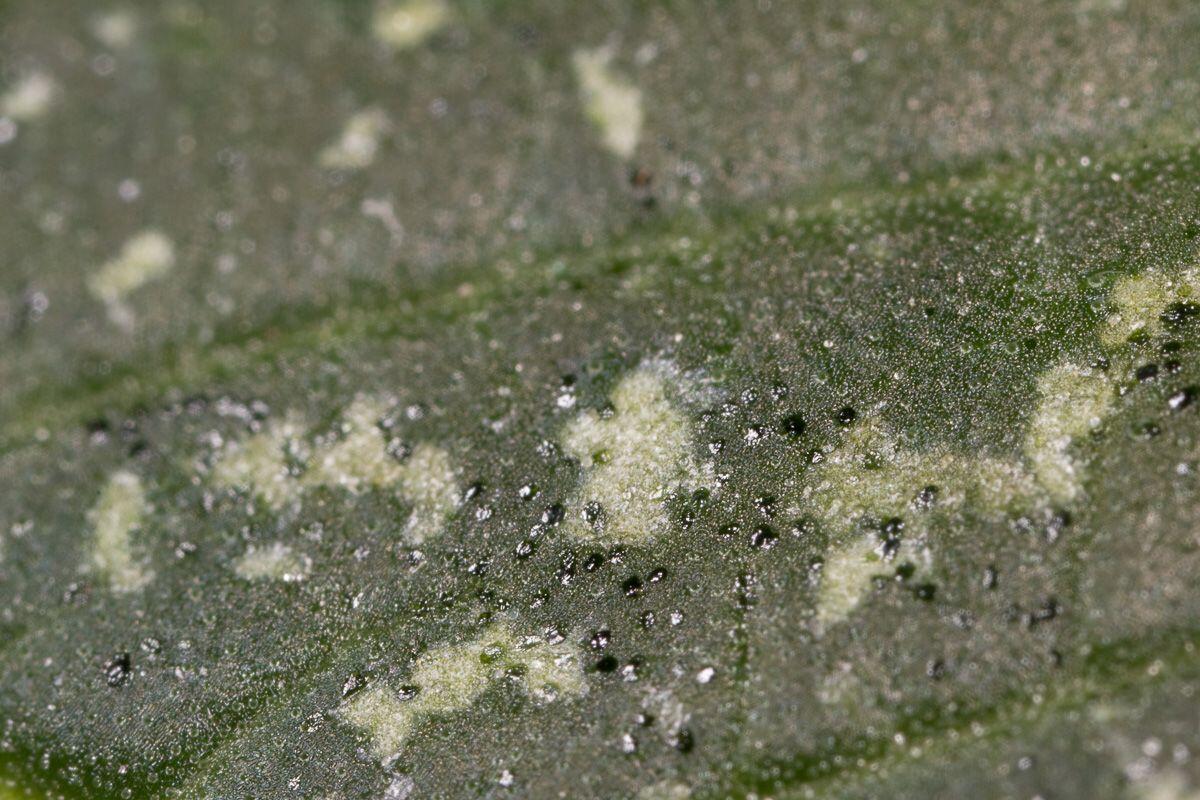
So what's in the picture? Eggs. Tetranychus urticae aka red spider mite or two-spotted mite EGGS.
One of the eggs is close to eclossion, that's the Eye-spot stage egg. Zoom in and you'll notice the little red spot...
You can also see a kind of threads, this indicates that the pest has been present for some time and the number of adult individuals that we are going to find is already out of control!
Alice gave Bob a weed cutting. She said it was clean.
Bob did not trust so he verified with a magnifying glass.
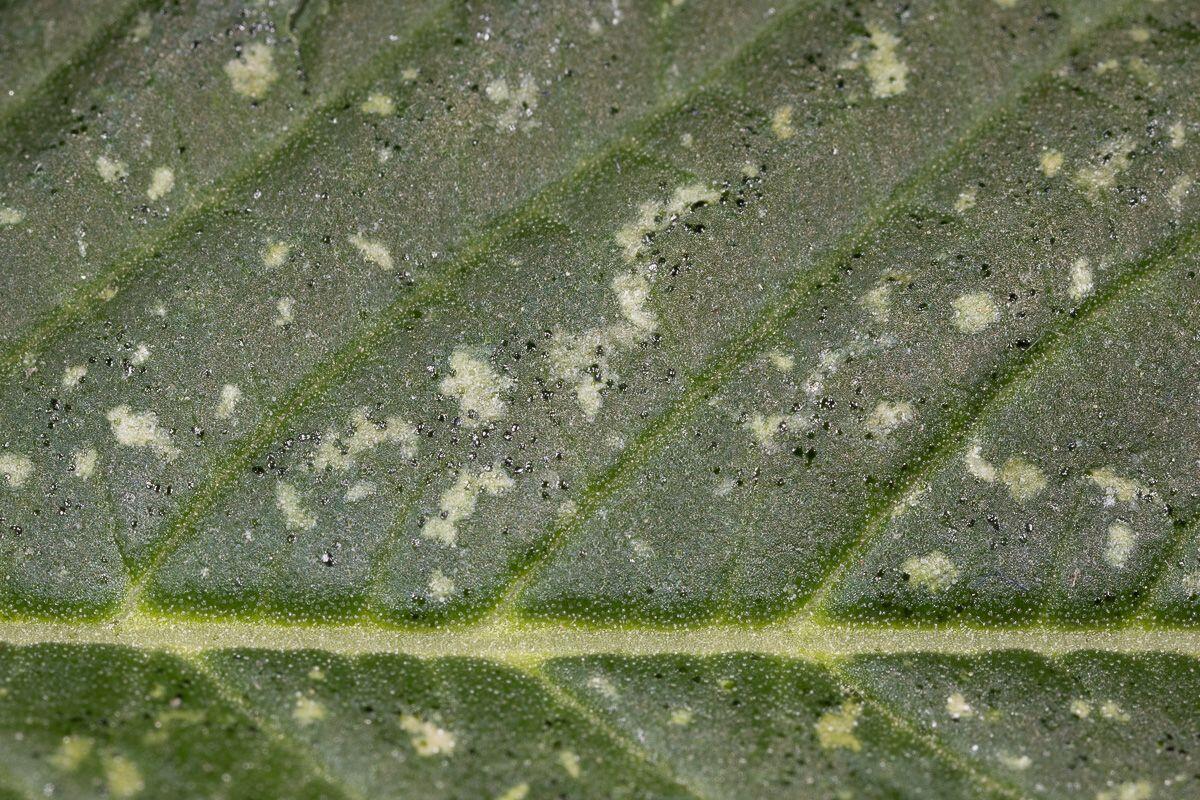
So... what did Bob find on this leaf back side?
⚡Zapping best answers⚡
#asknostr #weedstr #420 #cannabis #photography #gardening



Good morning! ¡Buenos días!
#coffeechain #Nostr

i'll edit the original note to make it clearer, thank you
They go through 6 or 7 different stages. Females lay their eggs singly in plant tissues (leaves, tender parts of the stem), an average of 40 (up to 300) over their lifetime. Incubation time varies depending on temperature, being about 4 days at 26º C, with high mortality at high temperatures and low humidity.
Newborn larvae emerge from the egg and immediately begin feeding in the place where they were laid. As the larvae develop, they continue feeding in sheltered places on leaves, flowers or fruit.
In the following nymphal stages, they stop feeding, passing into a state of immobility that develops preferably in the soil, in damp places or in natural cracks up to 15 mm below ground level.
Ok so now that we know how does thrip damage look, let's see the Frankliniella occidentalis, aka Western Flowers Thrips himself.
First, a leaf with initial damage, easy to recognize due to the silverish brights on the leaf surface. If you detect the pest at this very initial stage you are already winning the battle. Spray neem oil or potassium soap and repeat a few days later. Or spray once and next day introduce natural predators Amblyseius swirskii
Second picture is a young thrip. See the green stuff in his guts! Sucker!
Third picture is an adult.
And forth picture, the best F. occidentalis picture you will ever find.
This one is by Dr. Ulitzka R. Manfred @thysanoptera, the wise man behind a website called thrips-id
https://www.thrips-id.com/en/frankliniella-occidentalis/
Some facts:
- They go through several stages, on one of those early stages they stay on the soil, which make them harder to annihilate
- If you are going to fight them with chemicals: Acetamiprid
- They are not a critical issue for big plants but can ruin cloning/nursery areas.
-They originally come from California
- They are a vector for plant viruses.
nostr:nevent1qqsgj8cnafjcnlc9ndygh7gkc6pundft97ee8rhh9a9n0kgsnd900kqtpx4yj

Glad to read that you don't have to deal with these little bad boys.
We are not selling or shipping seeds nowadays. There's a court waiting for us, our seed stock was seized, and bank accounts frozen. This happened 4yr ago and we are still waiting.
Hopefully after the trial we will be back but atm we really can't.


That was in a greenhouse but it may happen indoors and outdoors.
No spider mites, sorry
Guess who made this...
Adivina quién hizo esto...
#420 #leafdamage #weedstr #cannabis #gardening #Nostr
#zap