
UNVEILING THE ANTIOXIDANT AND ANTIBACTERIAL PROPERTIES OF CANNABIS LEAVES
- Traditionally, cannabis leaves have been treated as a by-product of cultivation, often destined for compost heaps while the focus remained almost exclusively on the resinous flowers.
- However, a wave of scientific research is now challenging that perception, revealing that these discarded leaves are, in fact, a treasure trove of bioactive compounds with remarkable potential.
- This shift in perspective compels us to move from a flower-centred valuation toward one that recognises the worth of the entire plant.
Cannabis leaves represent an underutilised resource with extraordinary therapeutic potential. Research studies consistently show that these so-called "waste" materials contain significant concentrations of antioxidant and antibacterial compounds, with the potential to transform industries ranging from medicine to cosmetics.
Re-evaluating cannabis leaves from waste to a valuable bioactive resource requires a genuine paradigm shift within the cannabis industry. Such a transition offers not only economic benefits but also greater environmental sustainability by reducing waste and maximising the use of the whole plant.
ANTIOXIDANT POWER: NATURE'S CELLULAR SHIELD
The human body is in a constant battle against oxidative stress - a form of cellular damage triggered by unstable molecules known as free radicals, which accelerate ageing and contribute to a wide range of diseases. Antioxidants play a crucial role in counteracting this damage by neutralising free radicals, and research indicates that cannabis leaves are an exceptionally rich source of these protective compounds.
Recent studies ( https://pmc.ncbi.nlm.nih.gov/articles/PMC12073235/ ) have identified a synergistic array of phytochemicals that underpin the leaves' antioxidant potential. One key study found that the leaves contain a rich concentration of cannabinoids (including CBD, CBG, and THC), flavonoids, and phenolic compounds. Acting together, these bioactive molecules help shield cells from oxidative harm. Their efficacy has been validated through rigorous scientific testing, providing robust confirmation of their protective power.
However, it is important to note that not all leaves exhibit the same potency. Both the plant's genetic profile - and, crucially, the extraction method used - play decisive roles in determining the concentration of active compounds. Studies have shown that advanced techniques - such as ultrasound-assisted extraction - can significantly increase the concentration of beneficial molecules, effectively transforming low-cost plant material into a high-value antioxidant resource.
ANTIBACTERIAL PROPERTIES
The growing crisis of antimicrobial resistance (AMR) underscores the urgent need for new antibacterial agents. In this search, cannabis leaves are emerging as a particularly promising candidate.
Several studies ( https://www.researchgate.net/publication/386546286_Antibiacterial_activity_of_Canabis_sativus_against_isolated_bacterial_strains ) have evaluated the efficacy of cannabis leaf extracts against clinically relevant bacteria such as Staphylococcus aureus (responsible for staph infections) and Escherichia coli. In one investigation, ethanol-based extracts exhibited strong inhibitory activity against both strains, underscoring their remarkable antibacterial potential.
This activity arises from a complex interplay of bioactive compounds. Major cannabinoids such as Δ9-THC and CBD act as the dominant bioactive agents, supported by phenolic acids and terpenoids. Evidence suggests that their mechanism of action involves direct disruption of bacterial structures, leading to membrane permeabilisation and, ultimately, cell death. This multifaceted cocktail of bioactive compounds poses a substantially greater barrier to bacterial resistance than conventional antibiotics, offering a natural model for the development of next-generation antimicrobial therapies.
ANTI-INFLAMMATORY ACTION AND NUTRITIONAL VALUE
Beyond their defensive role, cannabis leaves offer notable benefits, particularly their potent anti-inflammatory properties and rich nutritional value.
Within the diverse family of cannabis flavonoids lies a subclass of compounds almost unique to this plant: cannflavins A and B. Far from being minor contributors, these molecules are genuine anti-inflammatory agents. Their mechanism of action is sophisticated - they simultaneously block two distinct molecular pathways responsible for producing inflammatory mediators. Comparative studies suggest their potency falls between that of aspirin and stronger nonsteroidal anti-inflammatory drugs (NSAIDs).
Moreover, the idea of eating raw cannabis leaves is gaining traction, with many now viewing them as a "superfood". Their nutritional profile is remarkably rich, containing proteins, fibre, vitamins A, C and E, along with minerals such as magnesium and calcium. Equally compelling is their concentration of cannabinoids in their acidic, non-psychoactive forms -THCA and CBDA. These precursors of THC and CBD, which only activate when exposed to heat, exhibit unique therapeutic properties. THCA has shown potential as a neuroprotectant, while CBDA could support mood regulation, all without producing any psychoactive effects.
THE DISCOVERY OF FLAVOALKALOIDS: A NEW FRONTIER IN CANNABIS SCIENCE
Just when the scientific community believed it had a solid understanding of cannabis phytochemistry, a groundbreaking discovery has expanded its horizons once again. Researchers at Stellenbosch University (South Africa) have identified a completely new and extremely rare class of compounds in cannabis leaves: flavoalkaloids.
These phenolic compounds are exceptionally rare within the plant kingdom, marking this discovery as a significant botanical milestone. The research team identified a total of 79 phenolic compounds, including 25 reported for the first time in cannabis. Among these, 16 were identified as flavoalkaloids.
This discovery reshapes the prevailing understanding of cannabis "active ingredients", which has long focused almost exclusively on cannabinoids. The identification of flavoalkaloids - a class of compounds known for their anti-inflammatory and antioxidant potential - broadens the scope for future research and suggests promising applications in cosmetics and topical formulations.
TOWARDS A WHOLE-PLANT PHILOSOPHY
The scientific evidence is irrefutable. Far from being waste material, cannabis leaves are in fact a biochemical reservoir producing a wealth of compounds with immense potential. From their antioxidant and antibacterial power to the anti-inflammatory strength of their cannflavins and the recent discovery of flavoalkaloids, these leaves demand a thorough re-evaluation.
Current scientific data provide a solid foundation for further investigation into the therapeutic applications of cannabis leaves. However, translating these promising findings into effective products and therapies will require additional research, supported by interdisciplinary collaboration, investment in clinical trials, and the development of robust regulatory frameworks.
Ultimately, the discovery of the remarkable antioxidant and antibacterial properties of cannabis leaves not only validates traditional knowledge of the plant's medicinal value but also signals new directions for 21st-century medicine. It reminds us that nature's greatest treasures are often hidden in plain sight.
#Cannabis #420 #Weedstr
Don't snap pics of your seeds... oh, wait!
#weedstr #seeds #420 
Given our lack of Nostr experience and our sticky fingers, be ready for our fat-fingering issues 

For some reason it's a kind 20 note
May be it's Rembrandt soul, jealous for not being credited 😂

ah, thank you, i don't know what's a kind20 but i'll try to research about it
I wish i knew, even us can't see in our feed. I was about to post it again. Posted from nostrudel. Must be something about relays probably. I will post it again from Amethyst for better reach and later i'll try to add a few more relays on nostrudel

Deseándoos un feliz día a todos... buenos días!
Wishing you all a happy day... Good morning!
#hola #GM #coffeechain 

The adult moth stage is not so cute 👀
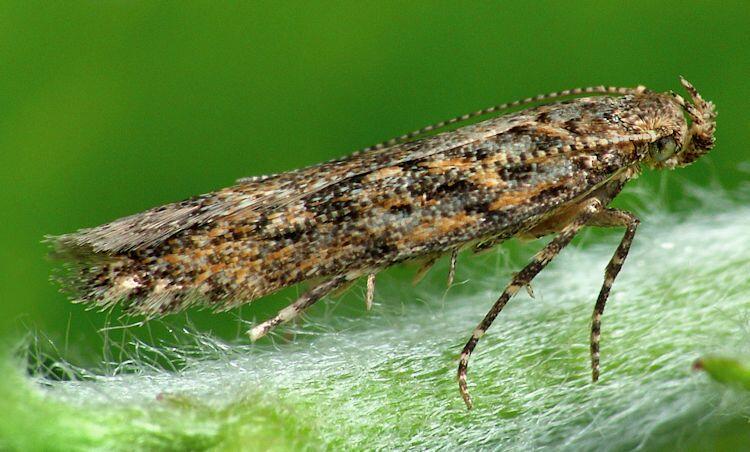
Tuta absoluta, a common pest for tomato crops and other solanaceous plants but they also enjoy #cannabis 😱

#420 #peststr #weedstr
Thanks for trying, but no—the enemy here is way bigger than spider mites
Hello frens, let's see who can guess... what intruders are wreaking havoc on this leaf?
Hola amigos, veamos quién puede adivinar... ¿qué intrusos están dañando esta hoja?
#asknostr #gardening #weedstr 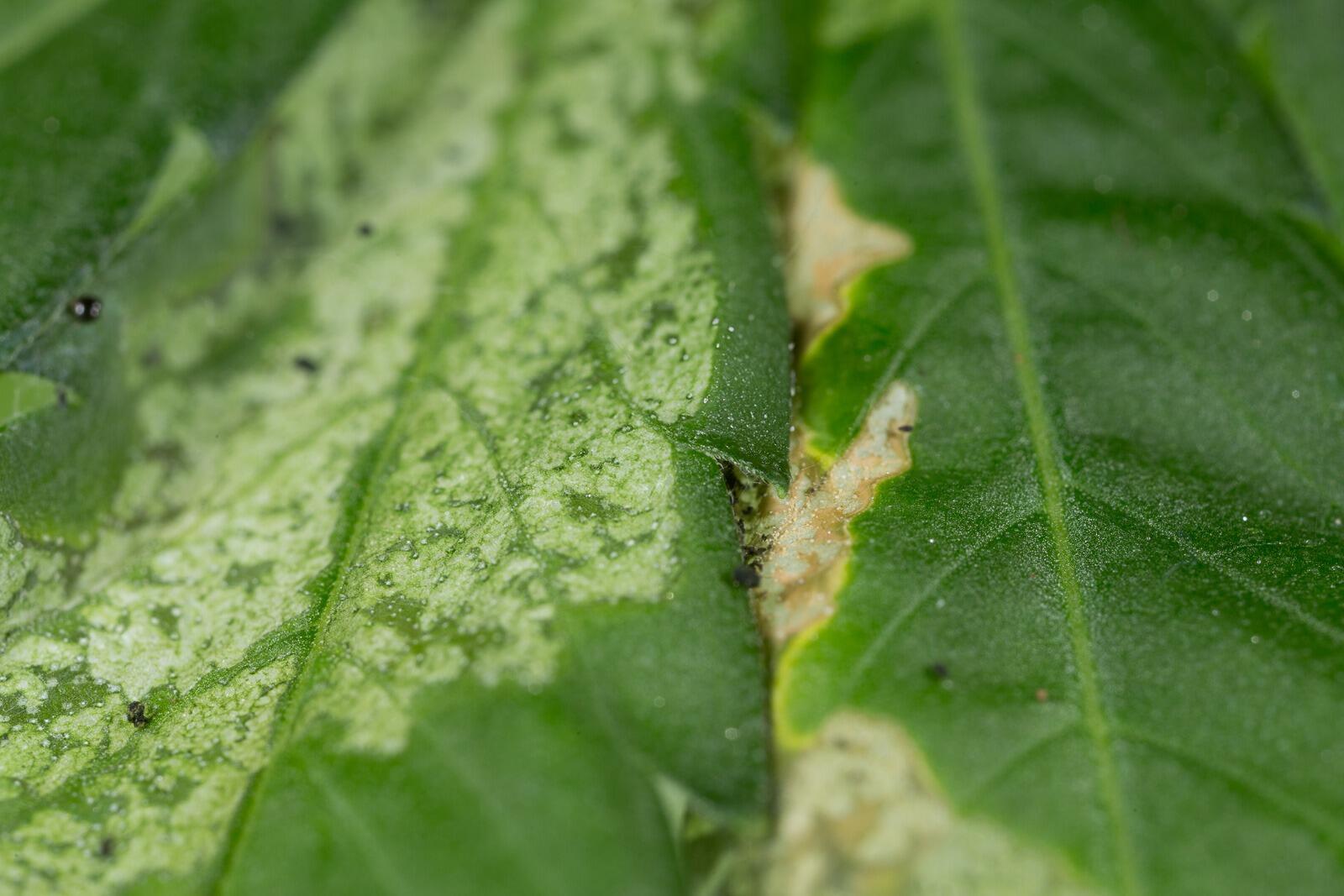

#hola ¿Cuál es tu medio y tu método de germinación favorito?
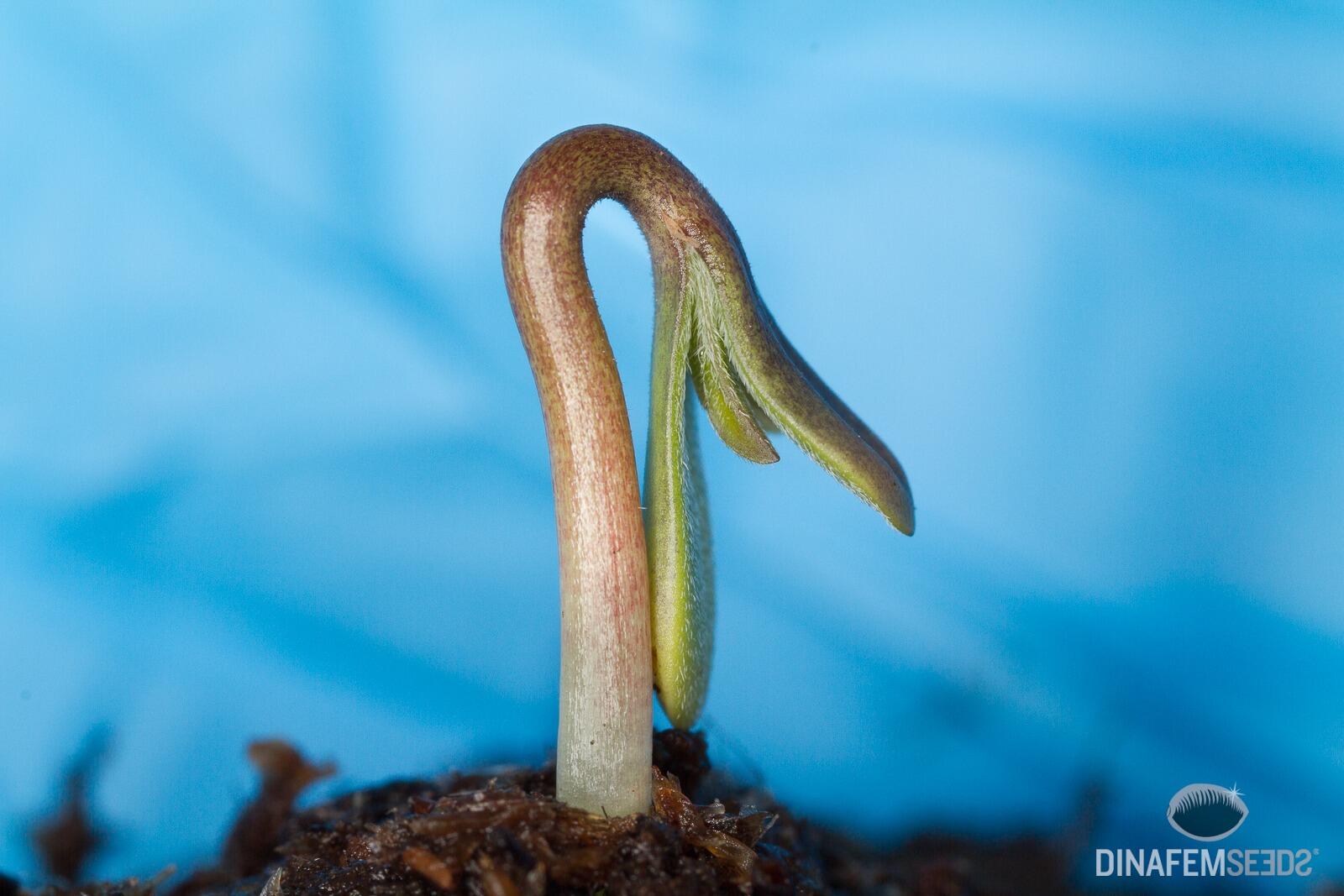
Which germination method and medium do you prefer?
#420 #weedstr #gardening
Safer alternatives to bat guano? Yestr!
#420 #cannabis #weedstr
https://www.dinafem.org/en/blog/bat-guano-safer-homemade-fertilisers-for-growing-cannabis/

#cannabis #420 #blog
This article was published on our blog https://www.dinafem.org/en/blog/green-light-for-pilot-research-projects-on-the-impact-of-cannabis-in-germany/ but you can read it in full at #Nostr
GREEN LIGHT FOR PILOT RESEARCH PROJECTS ON THE IMPACT OF CANNABIS IN GERMANY
* The year 2024 has marked a turning point on Germany's path toward cannabis legalisation, setting the stage for regulated models across Europe.
* The legalisation of cannabis for recreational use last April is part of a broader plan that includes evaluating the societal impact of recreational cannabis use.
* In this article, we delve into the current state of Germany's legal framework, the specifics of this model, and its potential impact on public health, the black market, and the economy.
WHERE DOES GERMANY STAND ON CANNABIS LEGALISATION?
While many believe that the legalisation of cannabis for adult use in Germany is a done deal, the truth is that the country is currently implementing "Pillar 1", which decriminalised the consumption and home cultivation of cannabis under certain conditions in April of this year.
However, "Pillar 2" (which would permit the sale of recreational cannabis in specialised stores, among other measures) has yet to be implemented. Many fear it may never see the light of day, as the political environment and early elections in February 2025 have increased uncertainty in the sector.
Therefore, although medical cannabis has been legal in Germany by prescription since 2017, the full legal framework for recreational use remains uncertain.
THE IMPORTANCE OF MODEL PROJECTS IN EVALUATING REGULATED RECREATIONAL USE
Germany's "cannabis model projects" are pilot studies aimed at analysing the effects of the use of recreational cannabis within a controlled legal framework. These studies will gather data on the potential social, economic, and public health effects of legal cannabis access.
The projects are designed to be conducted in collaboration with universities, municipalities, and industry players, and aim to ensure that legalisation progresses safely for users.
GOALS OF THE CANNABIS MODEL PROJECTS IN GERMANY
These studies, which are yet to be carried out, aim to ensure a smooth and socially beneficial transition:
*Evaluating the impact on the black market: A primary goal of legalisation is to redirect consumers toward safe, regulated sources.
*Impact on youth populations: The research will focus on how regulations can prevent minors from accessing recreational cannabis.
*Safe consumption: The focus is on promoting low-risk consumption methods and formats whilst ensuring product safety through different measures (such as contaminant analysis).
GREEN LIGHT TO APPLY FOR MODEL PROJECT LICENSES
Following Germany's removal of cannabis from the list of narcotics this year, a significant milestone was reached on 10th December. The Federal Ministry of Food and Agriculture (BMEL) announced the official signing of an ordinance to make it the regulatory authority for model projects in the country.
This includes the issuance of permits, regulation of trade, and the monitoring of results. This is great news for the 27 municipalities and federal states which are eager to launch these pilot programmes. However, the BMEL clarified that this step does not signify a transition to the long-awaited "Pillar 2" of full cannabis regulation in Germany.
With anti-cannabis parties gaining traction in polls ahead of the February elections, there is growing concern that "Pillar 2" could be overturned by a new government. This has increased pressure to approve pilot programme licenses as quickly as possible. Any research project approved by the BLE cannot be halted by a future government. However, no new research projects can be initiated if the decree is repealed in the future.
WHO CAN PARTICIPATE IN THE RESEARCH MODEL PROJECTS?
From now on, universities, private companies, and municipalities can all apply for licenses to participate in pilot programmes measuring the impact of adult cannabis use. Applicants must submit detailed plans explaining how they will collect and analyse data.
Cities such as Frankfurt and Hanover have already announced their participation, collaborating with universities and industry players. These entities will offer cannabis to pre-selected citizens through licensed establishments while collecting data on consumer behaviour and potential side effects of cannabis use.
The studies will run for five years, allowing the assessment of the long-term effects of recreational cannabis and the adjustment of certain parameters if necessary.
IMPLICATIONS FOR THE FUTURE
Many may wonder why municipalities, and especially private sector companies, are so interested in conducting these pilot programmes. The reality is that these projects could lay the foundation for broader cannabis legalisation in Germany.
The results of these studies could prove that the legalisation of recreational cannabis works better for public health than prohibitionism. Data collected on the side effects and impact of regulated access could show that this legal framework provides safer access for users, thereby reducing consumption-related risks.
Additionally, insights from these model projects could lead to new informed policies that minimise the risks associated with cannabis consumption. However, the future of this and other initiatives outlined in "Pillar 2" heavily depends on the political climate and the upcoming elections – a context of uncertainty that does little to inspire investor confidence.
CONCLUSION
Cannabis legalisation in Germany is at a delicate juncture. While model projects represent a scientific approach, all the efforts made so far could be in vain if a new government decides to halt the process or even reverse the progress achieved to date.
#hola #420 cannabis #blog
Este artículo fue publicado en nuestro blog https://www.dinafem.org/es/blog/via-libre-para-los-proyectos-piloto-de-investigacion-del-impacto-del-cannabis-en-alemania/ pero puedes leerlo íntregramente en #Nostr
VÍA LIBRE PARA LOS PROYECTOS PILOTO DE INVESTIGACIÓN DEL IMPACTO DEL CANNABIS EN ALEMANIA
* Este año 2024 ha supuesto un antes y un después en el camino hacia la legalización del cannabis en Alemania, un hito que ha marcado la senda de modelos regulados en Europa.
* La legalización del cannabis para uso recreativo, que se produjo en abril de este año, forma parte de un plan más amplio que vendría acompañado de la evaluación del impacto del cannabis para adultos en la sociedad.
* En este artículo, exploraremos en profundidad el estado actual del marco legal en el país teutón, en qué consiste este modelo y su posible impacto en áreas como la salud pública, el mercado negro y la economía.
***¿En qué punto se encuentra Alemania en la legalización del cannabis?***
Aunque muchos creen que la legalización del cannabis para uso adulto en Alemania es una tarea finalizada, lo cierto es que a día de hoy se está implementando el llamado "Pilar 1", una fase que incluye la despenalización del consumo y autocultivo de la planta de marihuana, algo que se produjo en abril de este año.
Sin embargo, el "Pilar 2", que permitiría la venta de cannabis recreativo en tiendas especializadas (entre otras medidas), aún no se ha implementado; y muchos son los que temen que nunca llegue a ver la luz, ya que el entorno político y las elecciones anticipadas de febrero 2025 han aumentado la incertidumbre en el sector.
Y es que, si bien el cannabis medicinal es legal en Alemania bajo prescripción desde 2017, el marco legal completo para su uso recreacional sigue siendo incierto.
Proyectos Modelo: un análisis del impacto del cannabis recreativo y su importancia para alcanzar el Pilar 2
Los llamados "proyectos modelo de cannabis" en Alemania son investigaciones piloto destinadas a analizar las repercusiones del uso del cannabis para fines recreacionales en un entorno controlado.
Estos análisis recopilarán información sobre los posibles efectos del acceso legal al cannabis, analizando factores sociales, económicos y de salud pública. Un modelo que está pensado para realizarse en colaboración con universidades, municipios y empresas del sector; y que avalará la progresión de la regularización, midiendo que esta se implemente de forma segura para los usuarios.
***Objetivos de los Proyectos Modelo de cannabis en Alemania***
Estas investigaciones, que aún no se han producido, tendrían como finalidad asegurar una transición sólida y beneficiosa desde el punto de vista social:
Medir el impacto de la regulación sobre el mercado negro: uno de los principales objetivos de la legalización es redirigir a los consumidores hacia fuentes seguras y reguladas.
Impacto sobre la población joven: la investigación se centrará en analizar cómo las regulaciones pueden prevenir el acceso al cannabis recreacional por parte de menores de edad.
Consumo seguro: el foco está en promover maneras y formatos de consumo que impliquen menos riesgo para la salud, a la vez que garantizar la seguridad de los productos cannábicos con medidas como el análisis de posibles contaminantes.
***Vía libre para solicitar licencias para los Proyectos Modelo***
Después de que el Gobierno alemán eliminara este año el cannabis de la lista de narcóticos, faltaba un paso importante, que se dio el pasado 10 de diciembre, cuando el Ministerio Federal de Alimentación y Agricultura de Alemania (BMEL, por sus siglas en alemán), anunció la firma oficial de una ordenanza que lo convierte en la autoridad reguladora de los Proyectos Modelo en el país.
Esto incluye la emisión de permisos, la regulación del comercio y la monitorización de los resultados. Un alivio para los 27 municipios y Estados federales que esperaban para poder iniciar estos programas piloto.
Sin embargo, el BMEL ha aclarado que este paso no implica la transición al tan esperado "Pilar 2" del proyecto de regulación completa del cannabis en Alemania. Con los partidos anti-cannabis aumentando su liderazgo en las encuestas antes de las previsibles elecciones anticipadas de febrero, existe un creciente temor de que el "Pilar 2" podría ser derogado por el próximo gobierno; algo que ha aumentado la presión para aprobar las licencias de los programas piloto lo antes posible.
Y es que cualquier proyecto de investigación aprobado por el BLE no podrá ser detenido por un futuro gobierno; sin embargo, no se podrán iniciar nuevos proyectos de investigación si el decreto se deroga en el futuro.
***¿Quién puede participar en los proyectos modelo de investigación?***
A partir de ahora, tanto universidades como empresas privadas y municipios podrás solicitar sus licencias para participar en los programas piloto para medir el impacto del cannabis para uso adulto.
Las entidades que soliciten este permiso deberán presentar un plan detallado explicando cómo van a recopilar y analizar los datos. Ciudades como Frankfurt y Hannover ya han anunciado su participación en colaboración con universidades y empresas del sector, que ofrecerán cannabis a ciudadanos previamente seleccionados a través de establecimientos con licencia para participar en la investigación, mientras se recopilará información sobre el comportamiento del consumidor y los posibles efectos secundarios del consumo de cannabis.
Estas investigaciones tendrán una duración de cinco años, a través de los cuales se podrán evaluar los efectos a largo plazo del consumo de cannabis recreacional y realizar ajustes en ciertos parámetros si fuera necesario.
***Implicaciones para el futuro***
Muchos se preguntarán por qué hay tanto interés por parte de municipios y, sobre todo, empresas privadas del sector en llevar a cabo estos programas piloto. La realidad es que los Proyectos Modelo podrían contribuir a sentar las bases para una legalización más amplia en Alemania.
Los resultados de estos programas podrían probar que la legalidad del cannabis para uso recreacional funciona mejor a nivel de salud pública que el prohibicionismo. Con los datos recopilados sobre los efectos secundarios y el impacto en los usuarios del acceso regulado, se podría demostrar que este marco legal permite un acceso más seguro.
Además, a partir de las conclusiones obtenidas a través de estas investigaciones, se podrían diseñar nuevas políticas informadas que minimicen riesgos. Sin embargo, el futuro de esta y otras iniciativas contempladas en el "Pilar 2" depende en gran parte del clima político y de las próximas elecciones; un contexto de incertidumbre que no favorece la confianza a los inversores.
***Conclusión***
La legalización del cannabis en Alemania se encuentra en un momento delicado. Mientras que los proyectos modelo representan un enfoque científico que podría avalar los beneficios de la regularización del cannabis, de nada podrían servir los esfuerzos realizados hasta ahora si un nuevo gobierno decide detener este proceso; y que incluso podrían revertir los pasos que se han dado hacia adelante y que tanto optimismo han creado tanto en Alemania, como en el resto de Europa.