:trump: Trump expands his ever-loyal pardon army, now welcoming the :bitmex: BitMEX co-founders into the fold.
https://junkflex.com/bitcoin/pardon.mp4
:reward: Share > Like > Comment = ⚡️21
:topreward: Top Comment = ⚡️500
(For 24 hrs Only)
Who TF still have bitcoin on an Exchange , just take it off

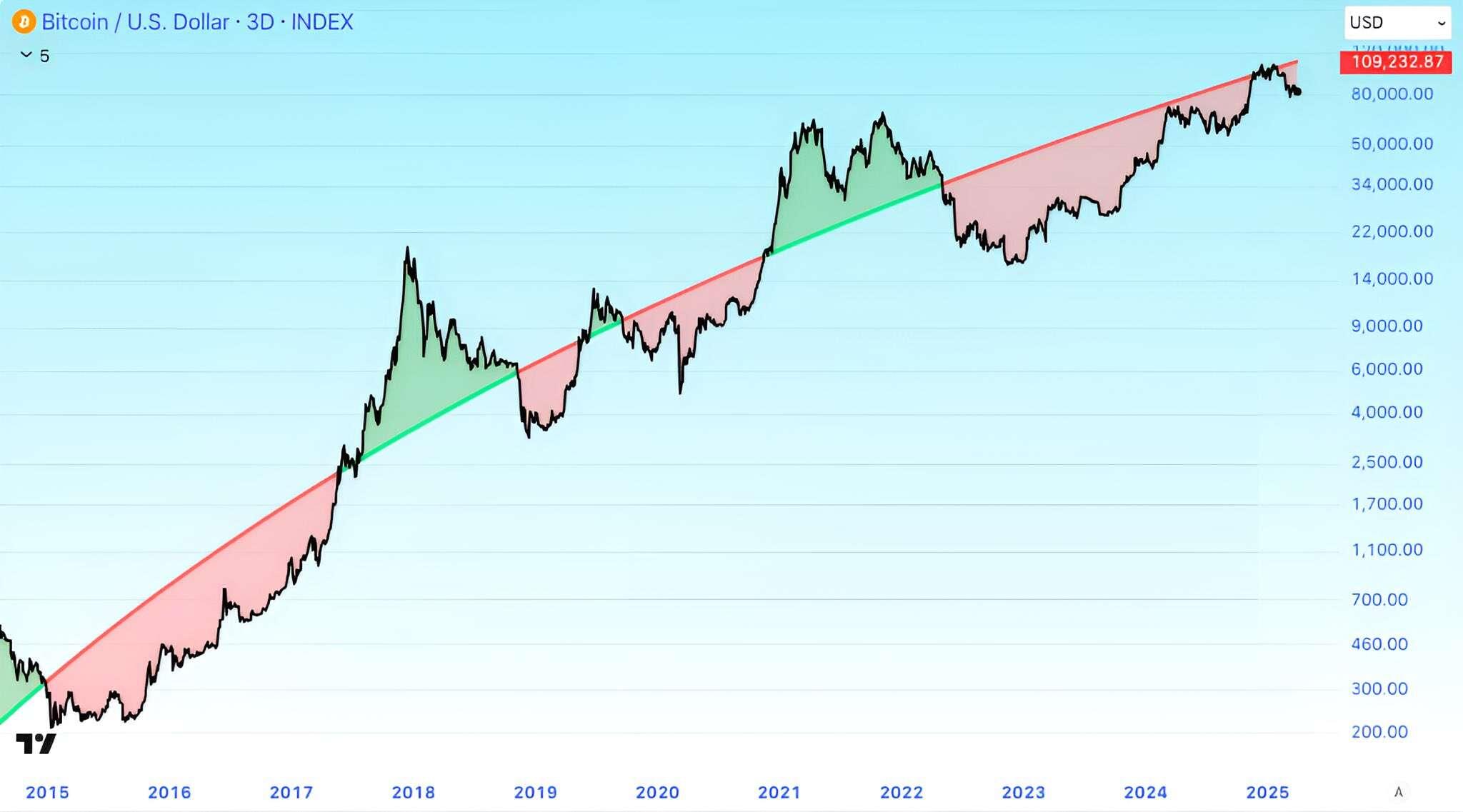


Acid so strong , it melts cars 🚗

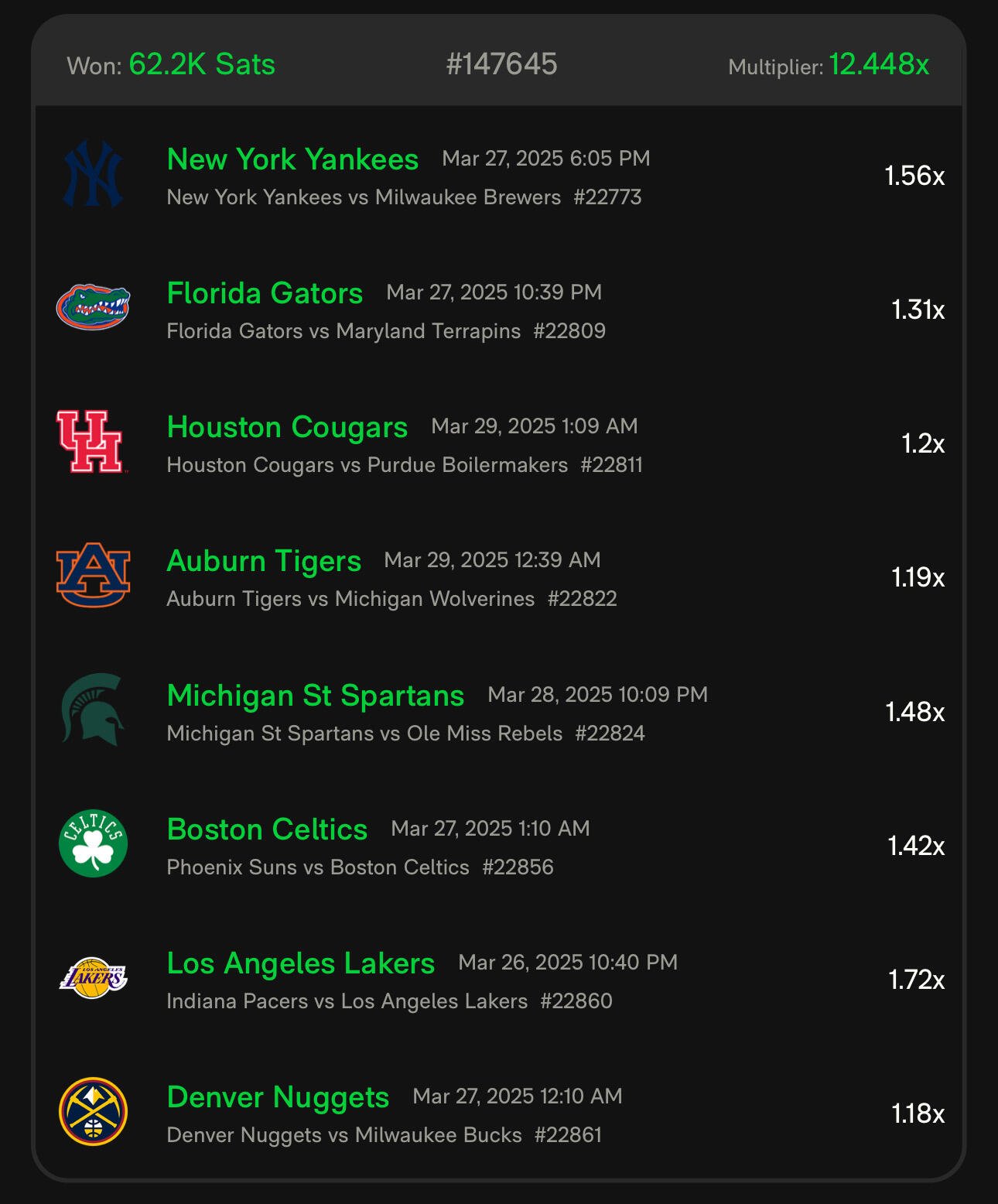
What’s that ??

You guys are incredible 🩷
In 24 hours we raised 20% of our goal at ~$1500 via NOSTR ONLY. This means that we'll definitely be able to report at least two days of the trial!!
Here's the donation spread from yesterday:
$654 in XMR
$591 via Geyser
$200 via Zaps
$100 on Chain
So let's try this again: How many more days can we fund?!?
Donate XMR: 47xmhbRuYpSYSrVZx2RsPBhaAQByZq3ucAT6ULxHvDAu8c853ErpLHqBdDmpVzcmWFdZFCWrfZYwp3rqs14zxXx95S7Fyv2
Donate BTC on-chain:
bc1q6knt9ln4z2tvduc436ezsvx22q89a9memv964p
Zap this post 🤘⚡
Or donate via Geyser: https://geyser.fund/project/therage
nevent1qvzqqqqqqypzpk9xancv89h24rme53yhl6dh0hyhwce528eu5hrrfcsgvkg3vermqyt8wumn8ghj7etyv4hzumn0wd68ytnvv9hxgtcpr4mhxue69uhkummnw3ezucnfw33k76twv4ezuum0vd5kzmp0qqszdzqhr6vlm0wtgyfggfr45q77ly8flf7mhztpsge8l2xlxa4gadcmrzpdv
Never will , you guy are legends 🫡
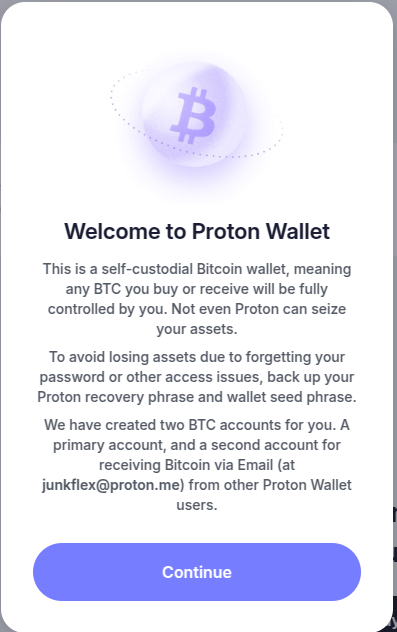
Might aswell start using proton

people should buy long and cover it with a short

Original G
Every single sat donated , is appropriated ❤️
0.1 #BTC CHALLANGE
targets
First target : 100,000 k sats
Second target : 250,000 k sats
Third Target : 800,000k sats
Fourth target : 1,500,000 sats
Fifth target : 2,500,000 sats
Sixth target : 5,000,000 sats
Seventh target 10,000,000 sats
Eights target : 25,000,000 Sats
Ninth target : 50,000,000 sats
Tenth target : 75,000,000 sats
Eleventh & final target 1 Bitcoin
Join me in my journey , to reach my 1 btc dream




Several Bitcoin Improvement Proposals (BIPs) have been proposed but never activated, often due to lack of consensus, security concerns, or changes in Bitcoin’s development priorities. Here are some notable ones:
1. BIP 101 - Increase Block Size to 8MB (2015)
• Proposed by Gavin Andresen, this BIP suggested increasing the block size limit from 1MB to 8MB, doubling every two years until reaching 8GB.
• It was controversial and never activated due to fears of centralization and network strain.
2. BIP 102 - Temporary 2MB Block Size Increase (2015)
• Another block size increase proposal, this time to 2MB as a temporary measure.
• It was seen as a compromise but never gained enough support.
3. BIP 109 - 2MB Block Size via Miner Signaling (2016)
• Proposed by Bitcoin Classic, it suggested a 2MB block size increase if 75% of miners signaled support.
• It failed to reach activation thresholds and was ultimately abandoned.
4. BIP 148 - User-Activated Soft Fork (UASF) for SegWit (2017)
• This BIP aimed to force Segregated Witness (SegWit) activation by rejecting non-SegWit blocks after a certain date.
• While BIP 148 itself did not activate, its pressure led to miners adopting BIP 91, which enabled SegWit activation in a different way.
5. BIP 75 - Payment Identity & Interoperability (2016)
• Proposed a standardized way for wallets to exchange identity and payment information.
• It was not widely adopted due to privacy concerns.
6. BIP 300 & BIP 301 - Drivechains (2017, Updated 2023)
• Introduced a way to implement “sidechains” using a new security model.
• Controversial due to security risks, and has yet to gain widespread consensus.
7. BIP 50 - Chain Fork Post-Mortem (2013)
• Not a proposal for activation, but rather a documentation of a major chain fork in Bitcoin’s history.
• Highlights issues that could arise in future soft forks.
These BIPs reflect Bitcoin’s ongoing debate over scalability, security, and decentralization.

Tell me some useful information and I’ll zap you 615 sats.
I’ll determine if it’s useful or not lol 😂
Here’s an interesting tidbit about Bitcoin that often flies under the radar: the concept of “dust” transactions. In the Bitcoin network, “dust” refers to tiny amounts of Bitcoin—fractions of a satoshi (the smallest unit, 1/100,000,000 of a BTC)—that are so small they’re not worth the transaction fees to spend. These micro-amounts can clog up the blockchain, and wallets often restrict sending them to keep the network efficient.
What’s less known is that dust can be used strategically in what’s called a “dusting attack.” Hackers or scammers send tiny amounts of Bitcoin to thousands of addresses, then track those transactions to deanonymize users by linking their wallets to real-world identities through patterns of spending. It’s a privacy risk most casual users don’t think about. To counter this, some privacy-focused Bitcoin users rely on tools like coin mixers or simply avoid spending dust outputs altogether.