

É isso aqui o que você precisa:

This American administration is cutting ties with some allies in the name of reviewing financial losses and reinforcing its alliance to Israel.
There is a general withdrawal from worldwide celebrations, except for Israel.
That is all you need to go further by yourself.
Maybe you will even come to see what goes on in Armenia. Maybe not.
It is so sad you have difficulties making a minimally abstract reasoning with the information given to you.


The USA has just expedited $4 billion in emergency military aid to Israel today after approving $3 billion yesterday.

The origins of Carnival are intrinsically linked to Catholic religious celebrations, particularly Lent and Easter. Historically, Carnival was seen as a time of festivity and indulgence that preceded the 40 days of fasting and penance of Lent, a period of spiritual preparation for Easter, the celebration of the resurrection of Jesus Christ.
The term "Carnival" derives from the Latin "carnavale," which means "goodbye to meat," reflecting the practice of abstaining from food and earthly pleasures during Lent. Thus, Carnival became an occasion for the release of festive and extravagant behaviors, where people could indulge in feasting, dancing, and other forms of celebration before the period of restraint that would follow.
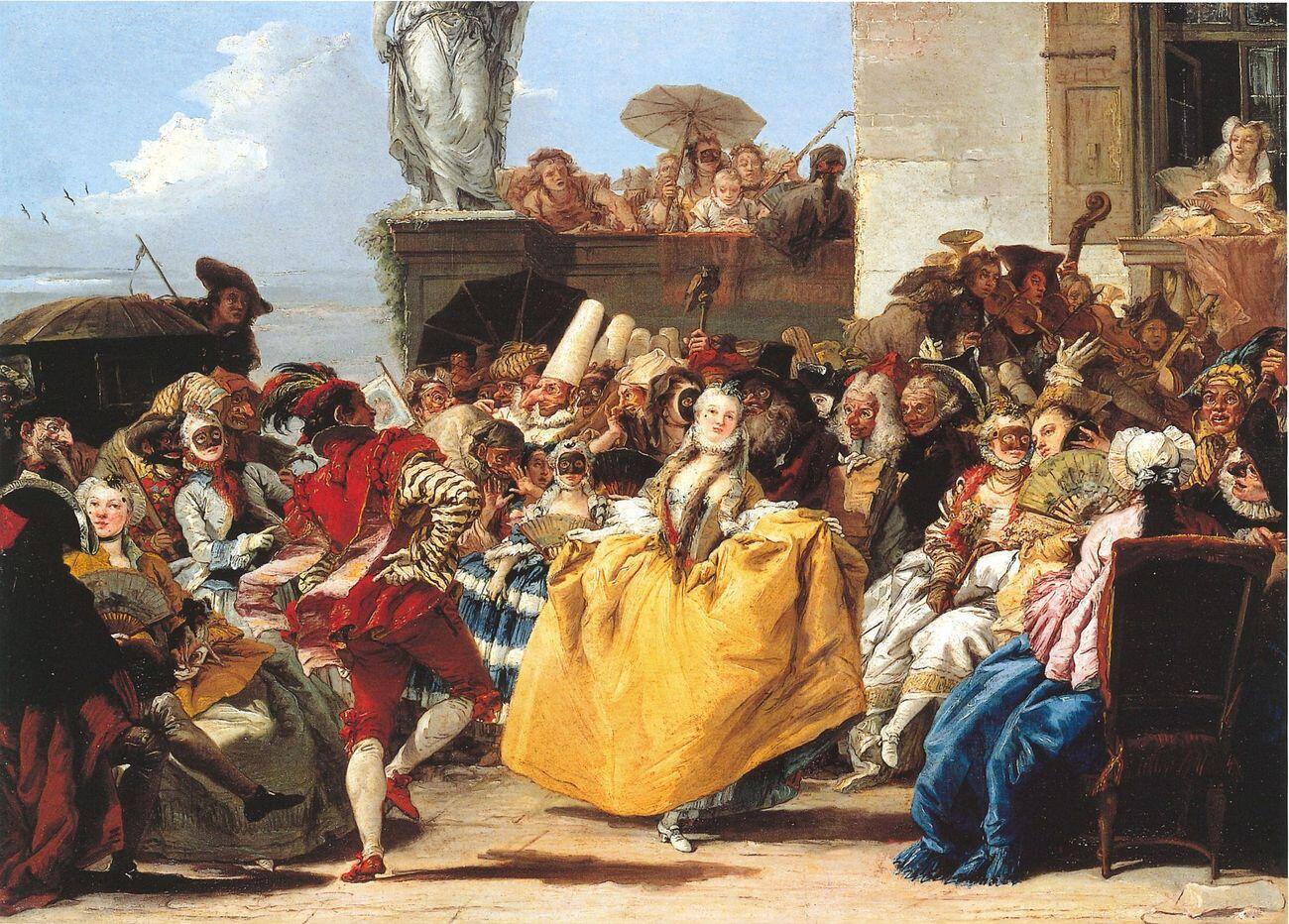
The carnival scene, Giandomenico Tiepolo (cerca de 1754-1755)
However, over the centuries, the nature of the festivity began to be influenced by popular and secular practices, leading to the incorporation of immoralities and excesses that distorted its original meaning. Pernicious themes, such as promiscuity, drunkenness, and violence, began to be associated with Carnival, in contrast to its initial intention of celebration in the light of faith and religious preparation.
Therefore, while Carnival has its roots in Catholic traditions and the preparation for Lent and Easter, the festivity has gradually diverged from its spiritual precepts, generating a debate about the duality between celebrating life and the consequences of behaviors that contradict the values of the Christian faith. This cultural and social transformation has become a point of reflection on the true essence of Carnival and its implications for society.
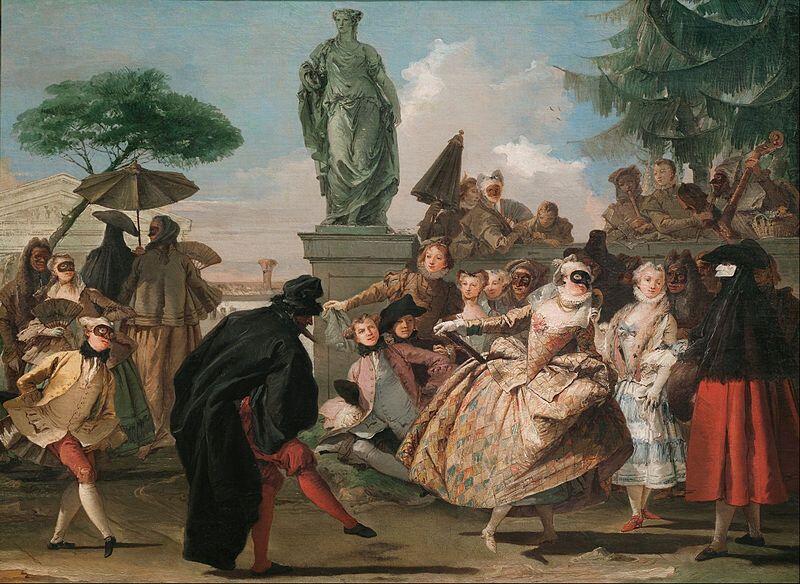
Giovanni Domenico Tiepolo - The Minuet - 1756
#God #Deus #Isten #Gott #Jesus #Católico #Catholic #Katholik #katholisch #Katolikus #catholique #Faith #Fé #foi #信仰 #Latin #Latim #Gospel #Evangelho #Evangélium #évangile #Dieu #福音 #日本 #カトリック #Bible #Biblestr #Nostr #Grownostr
As origens do carnaval estão intrinsecamente ligadas às celebrações religiosas católicas, especialmente à Quaresma e à Páscoa. Historicamente, o carnaval era visto como um período de festa e indulgência que antecedia os 40 dias de jejum e penitência da Quaresma, um tempo de preparação espiritual para a Páscoa, a celebração da ressurreição de Jesus Cristo.
O termo "carnaval" deriva do latim "carnavale", que significa "adeus à carne", refletindo a prática de se abster de alimentos e prazeres carnais durante a Quaresma. Assim, o carnaval se tornou uma ocasião para a liberação de comportamentos festivos e extravagantes, onde as pessoas podiam se entregar a banquetes, danças e outras formas de celebração antes do período de contenção que se seguiria.
Cena de Carnaval, Giandomenico Tiepolo (cerca de 1754-1755)
Contudo, ao longo dos séculos, a natureza da festividade começou a ser influenciada por práticas populares e seculares, levando à incorporação de imoralidades e excessos que distorceram seu significado original. Temas perniciosos, como a promiscuidade, a embriaguez e a violência, passaram a ser associados ao carnaval, em contrariedade à sua intenção inicial de celebração à luz da fé e da preparação religiosa.
Assim, embora o carnaval tenha suas raízes nas tradições católicas e na preparação para a Quaresma e a Páscoa, a festividade foi se afastando de seus preceitos espirituais, gerando um debate sobre a dualidade entre a celebração da vida e as consequências de comportamentos que contradizem os valores da fé cristã. Essa transformação cultural e social tornou-se um ponto de reflexão sobre a verdadeira essência do carnaval e suas implicações na vida da sociedade.
Giovanni Domenico Tiepolo - The Minuet - 1756
#God #Deus #Isten #Gott #Jesus #Católico #Catholic #Katholik #katholisch #Katolikus #catholique #Faith #Fé #foi #信仰 #Latin #Latim #Gospel #Evangelho #Evangélium #évangile #Dieu #福音 #日本 #カトリック #Bible #Biblestr #Nostr #Grownostr
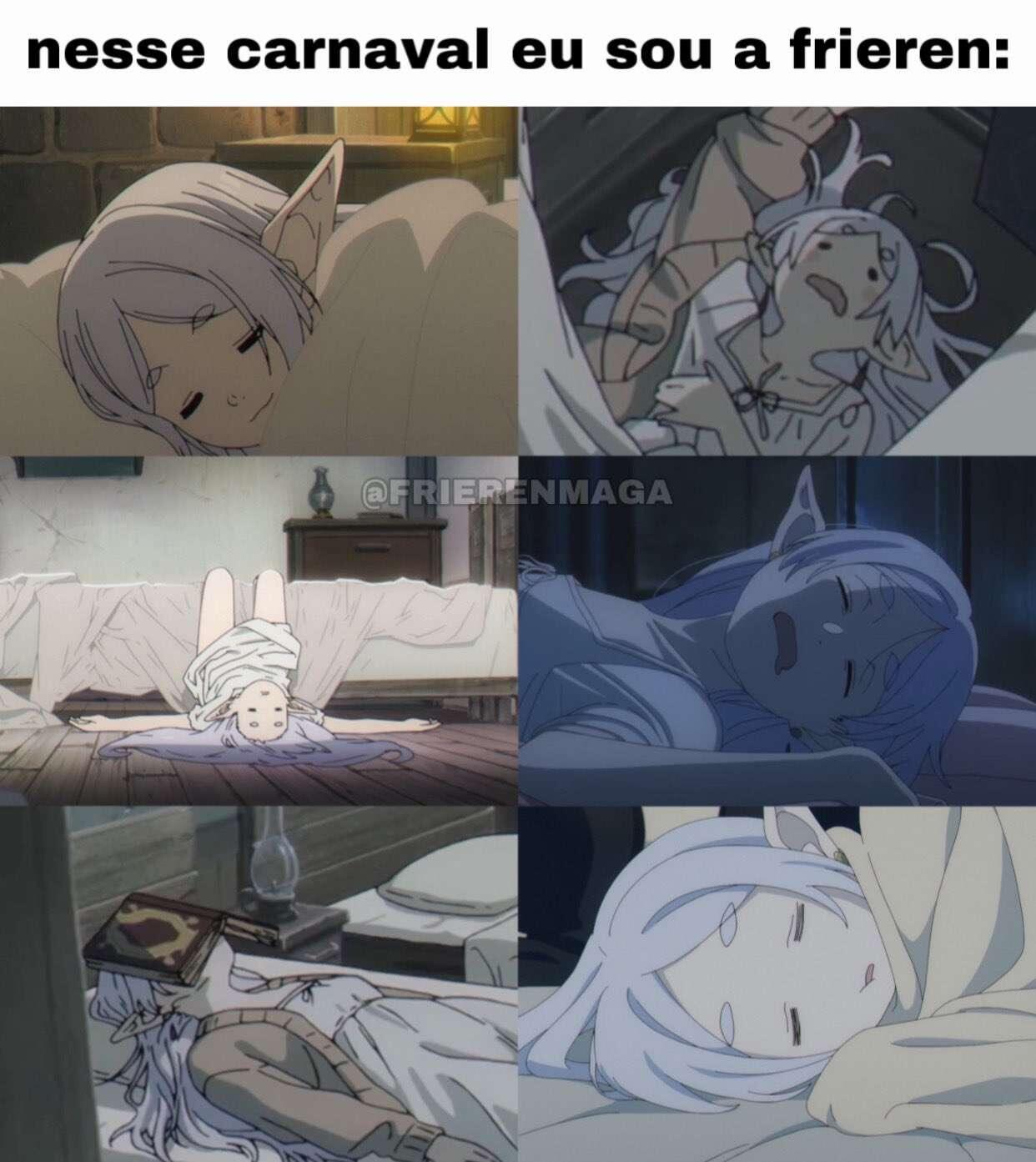

Are you going to reduce your meals to protein and good fat?
Carnivore diet, I meant.




It is not just now. It should have been since long time ago.
Home security and getting rid of the mahometan. Let the Germans speak freely.

Em que parte da Itália você está?
PT-BR
A Rússia, inclusive com influência da ortodoxia, apoia o islamismo e até o paganismo como formas de consolidar sua influência geopolítica. Em contrapartida, a Ucrânia enfrenta corrupção interna e torna-se um proxy da OTAN, e são os católicos ucranianos que sofrem com isso.
EN
Russia, even with the influence of Orthodoxy, supports Islam and even paganism as a means to consolidate its geopolitical influence. In contrast, Ukraine faces internal corruption and becomes a NATO proxy, and it is the Ukrainian Catholics who suffer because of this.
#Nostr #GrowNostr #OTAN #NATO #Ucrania #Ukraine

As pessoas não confundem farfallica com farfalla que é borboleta em italiano? E farfallina seria o diminutivo.


Eu fecharia o livro para testar a reação do gato.