Take back control. 
Today we pit financial institutions against each other to see who can buy the most #Bitcoin.
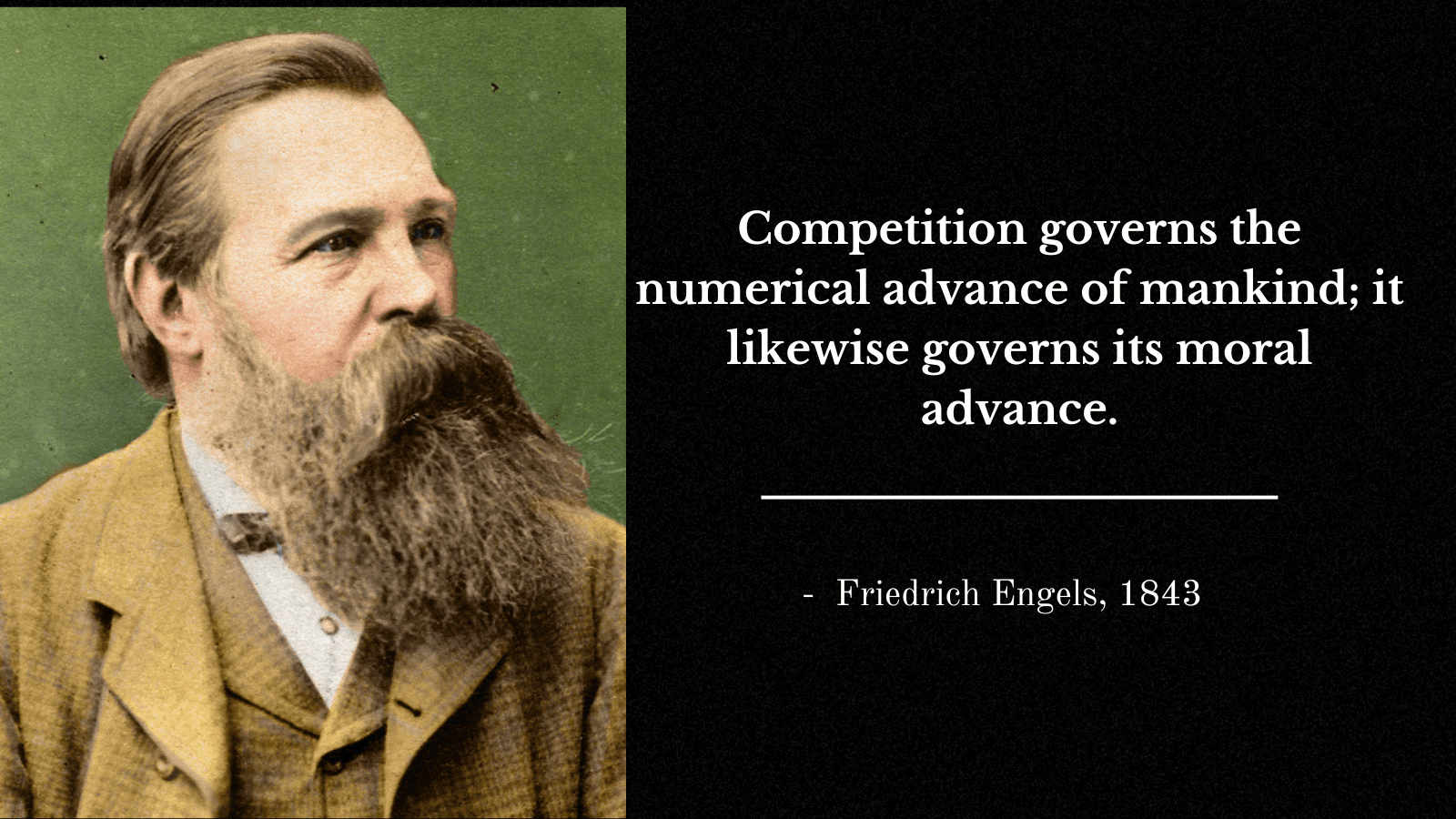
Competition is superior to government-coerced cooperation. What might the results of competition created by government policy be? 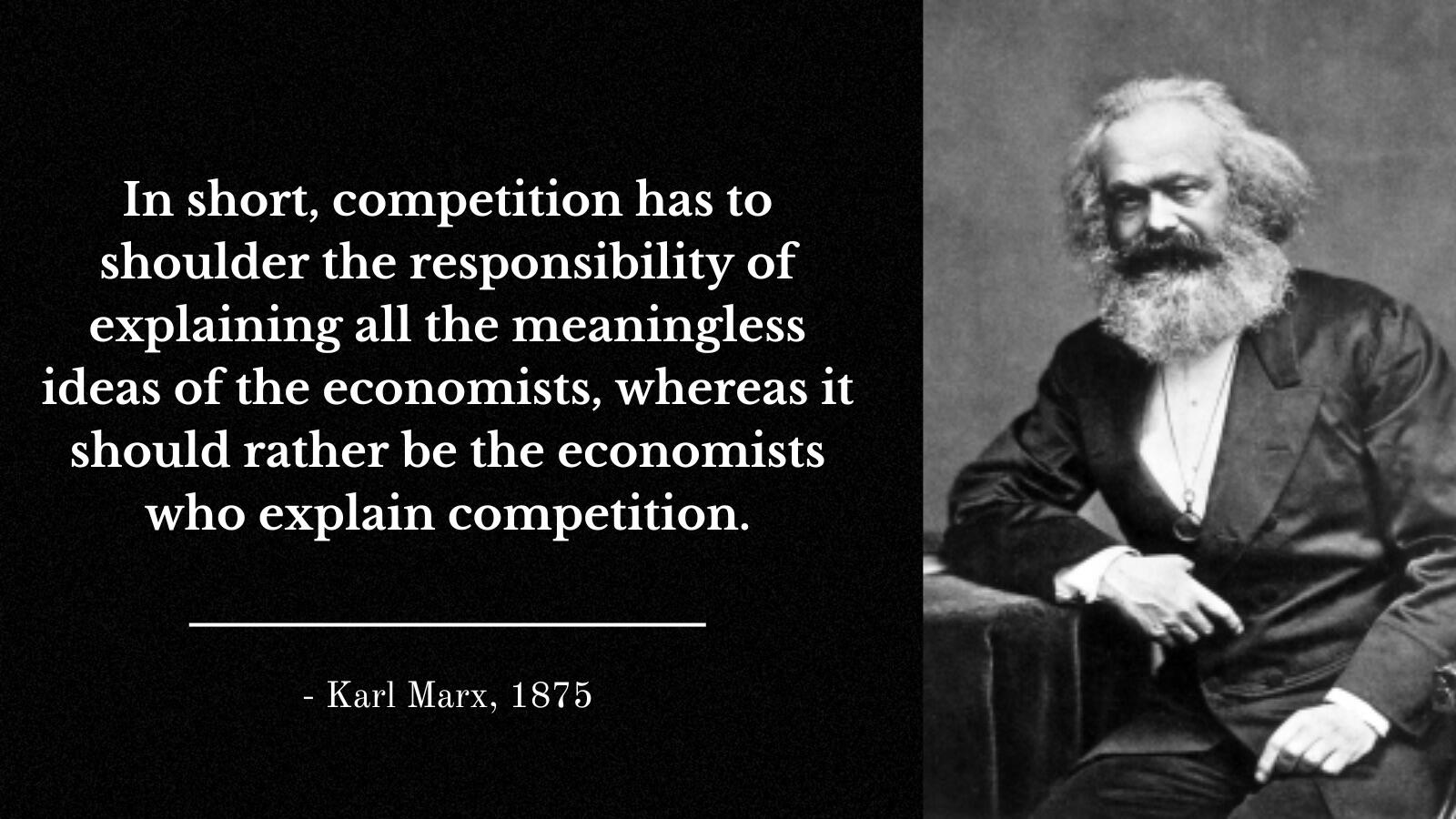
Today’s #Bitcoin decision will usher in a new economic era.
No one can predict what the outcome will be, but it’s safe to say that many people will be having new conversations for the very first time.
Let’s support them and show our best selves. Whatever their background, whatever their knowledge level, new Bitcoiners of all stripes should be welcomed. 
Soon bankers will think they own #bitcoin too 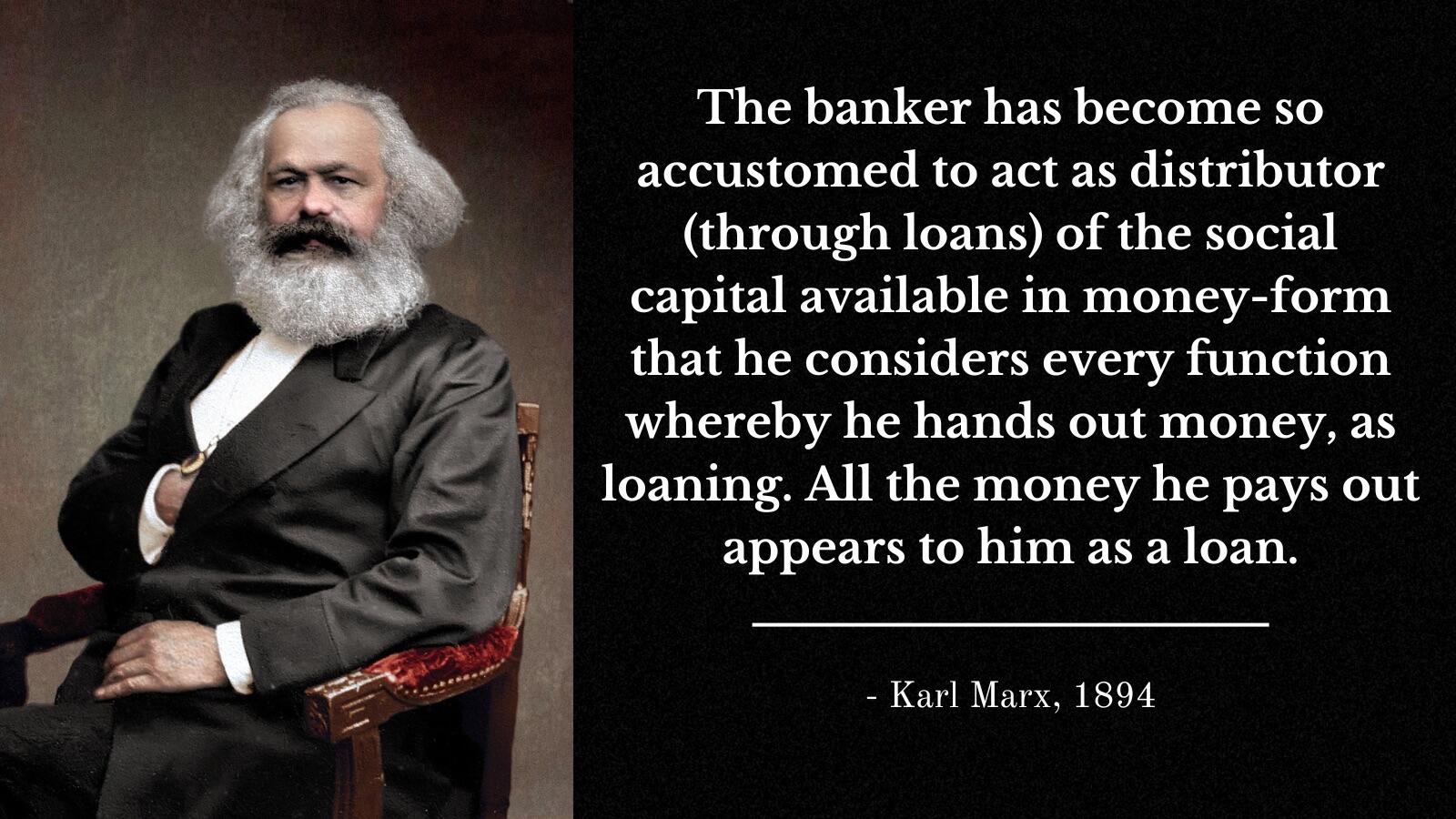
Price inflation is ok but wage inflation is not.
The Fed’s mandate is to ensure you get a low-paying job. #BTC #CPI

Yeah, I think there’s some tension here. We tend to say we are against any form of physical violence. But then restricting access to resources can be interpreted as violence in the physical realm. “Threatening our way of life” is another gray area. So I can see a situation where a group feels threatened in a way that could prompt an attack from a PDA that claims to be nonviolent.
The anarcho capitalist answer to military seems to be private defense agencies (PDAs).
https://en.m.wikipedia.org/wiki/Private_defense_agency
In reading through this page, it discusses the dilemma of the “free rider.” This is a person who does not pay for defense services for themselves, but still receive defense benefits from their neighbors who do. Rothbards answer is to say “who cares?” And you know. That’s interesting. I don’t really have a response to that right now except to say, I think it’s a bad incentive, and we all know incentives matter. It would become a game of chicken and the egg to see who could get away without paying for defense, often with the poorest of us the likeliest losers. Also, the defense agency will have less resources, and be worse, without everyone paying for it.
The page also discusses how corporations would need, and be able to afford, the most defense. So now imagine Amazon is paying for 90% of the services of a particular agency; in other words, 90% of the revenue of that PDA is from Amazon. Essentially, that PDA is completely beholden to Amazon; if Amazon goes down, then they go down. Amazon has a military. Is anarcho capitalism just building corporatocracy? Is that the land scape we want to live in? A land owned by corporations? What are the possible negative or positive ramifications of this? To what extent would Amazon just “do it themselves” and integrate defense into their own business model (armored trucks for example)? And do we want private companies militarizing themselves? Does that make companies worse since they can’t specialize and must be a jack of all trades?
Finally, in the anarcho capitalistic opines, are other states around the globe just non existent? The Wikipedia page discusses how the PDAs would be mostly set up for defense, with markets choosing to minimize offensive strategies (although no arguments are given as to why this might be the case). Would a PDA, or collective group of them, be able to go to war with an adversarial state like Russia, China, or the Middle East?
Hermann-Hoppe, in “Democracy — the God that Failed,” openly advocates for PDAs to destabilize and even attack nations in order to destroy their monopolistic competition.
If competition is the natural state, how do we explain cooperation?
I’m taking the approach of what is, less what should be. Historically, we always tend towards some taxation. I’m not convinced we will avoid this pitfall through competition, so sadly we must put some work into what and how much
Are there any players in politics we can really call neutral or middle of the road? 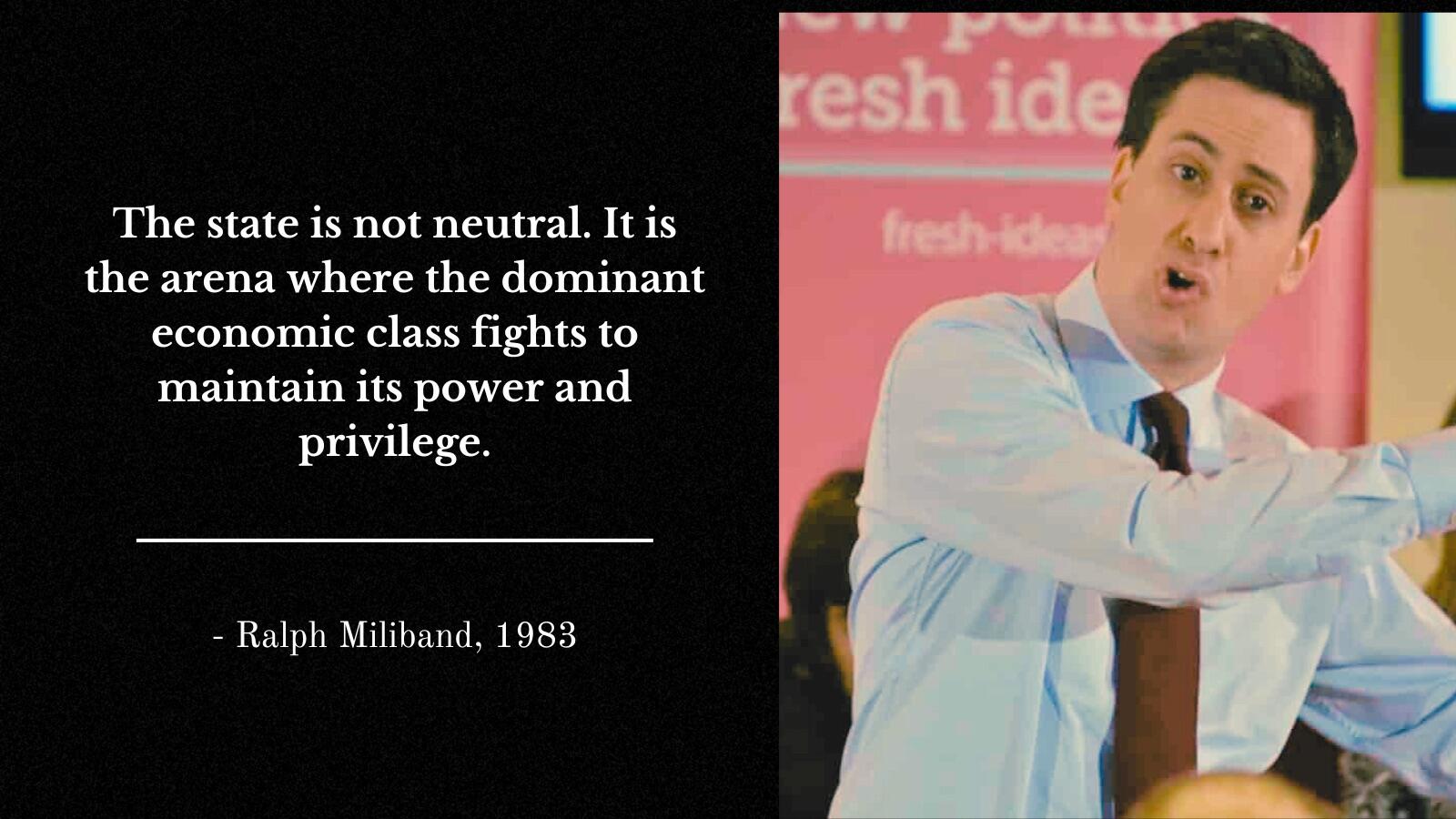
The revolutionary generation, who experienced coercive taxation, will be able to distinguish that from voluntary payment to a collective caretaker. However, after a few generations, the distinction between voluntary taxation, which has now become rote, and traditional “government” taxation will be gone. Many people will be living under a government they call by another name. I see the ancap future as very important clearing of underbrush, but a totally new way of being. We do tend towards at least a little government.
Really looking forward to seeing how they propose we fix this one! 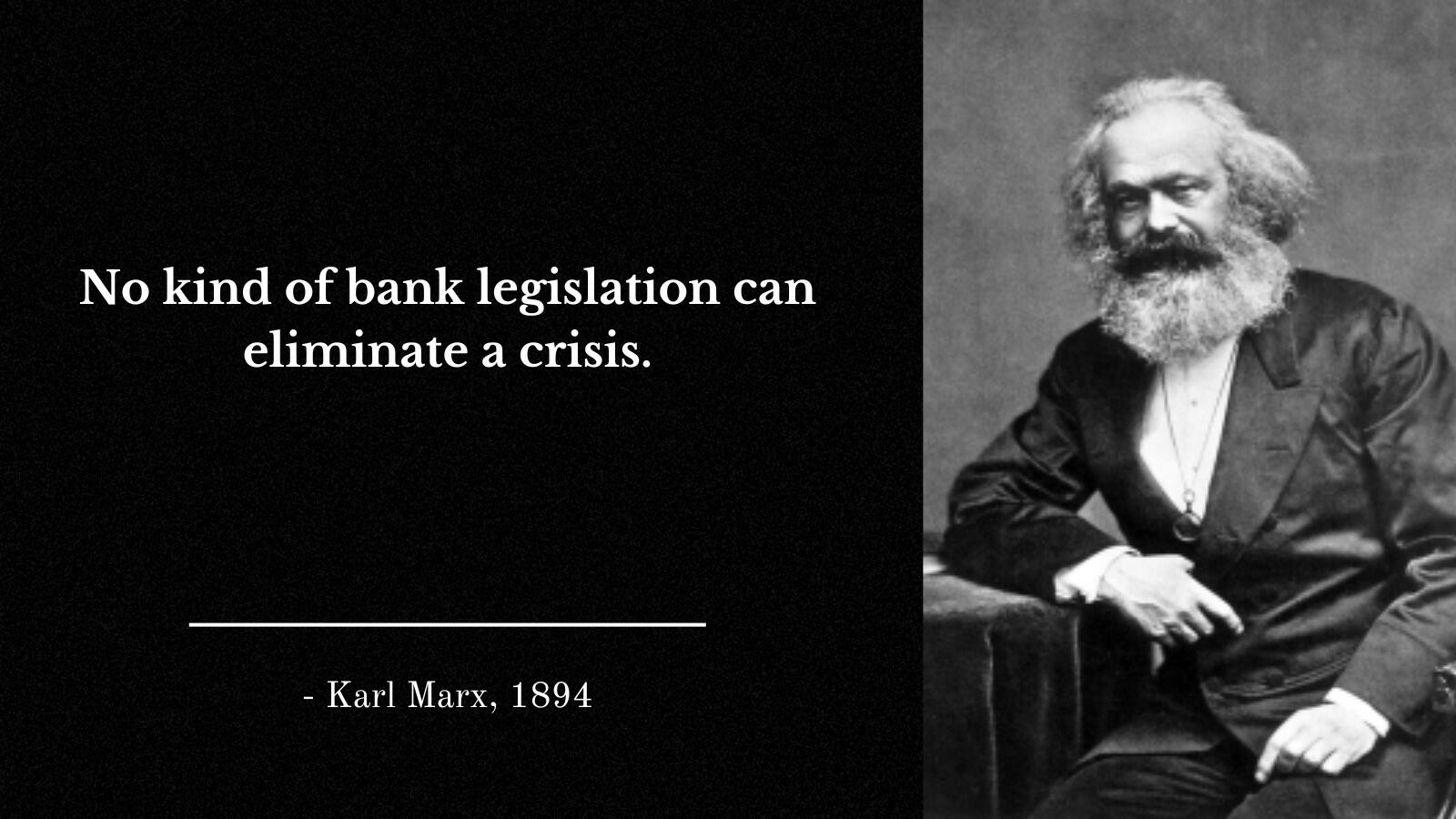
The price of #Bitcoin is less related to the cost of production as some might think. A broad reading of the Marginal Theory of Value would suggest it has no relationship at all. 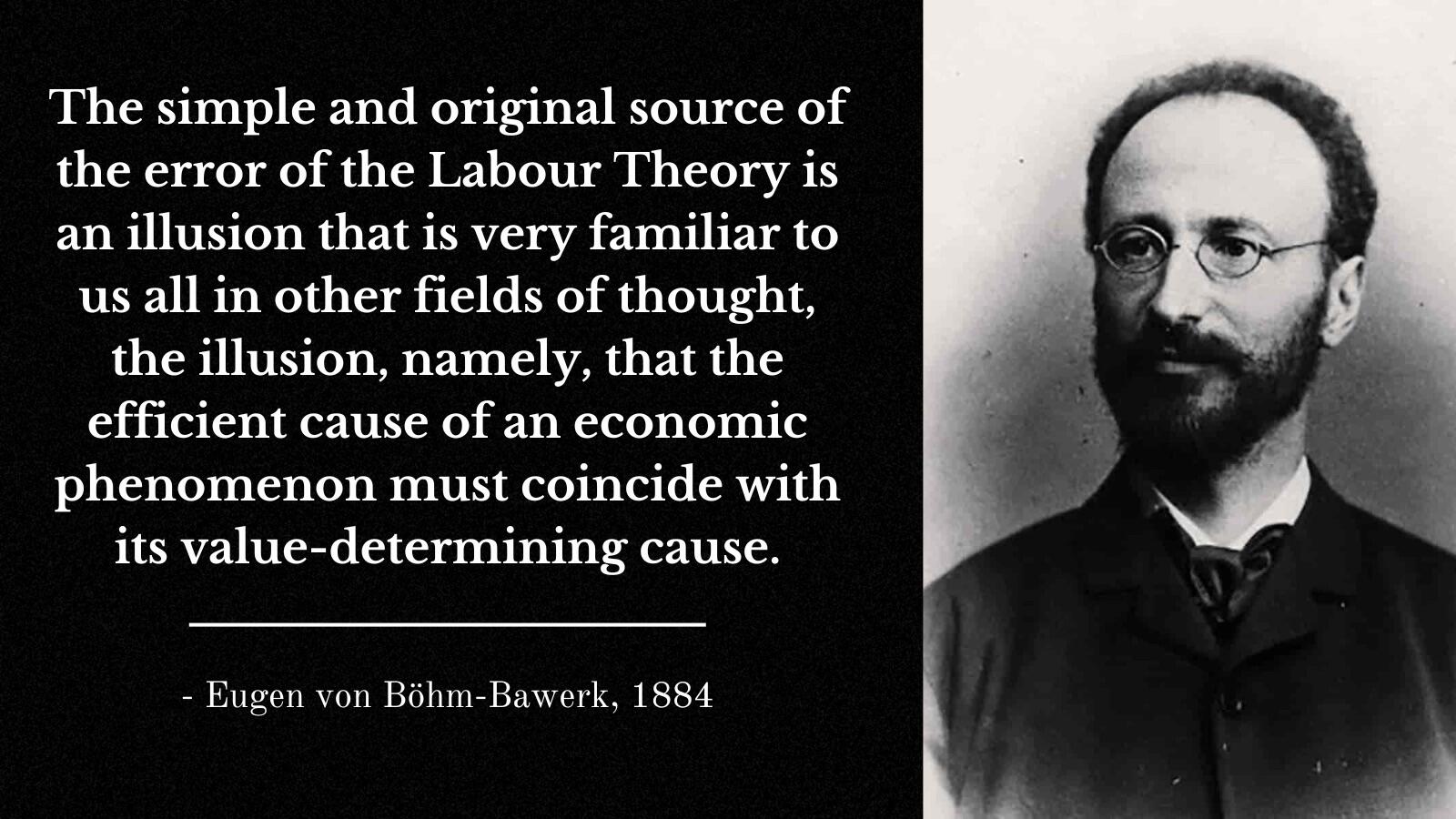
Cut out the middleman #BTC 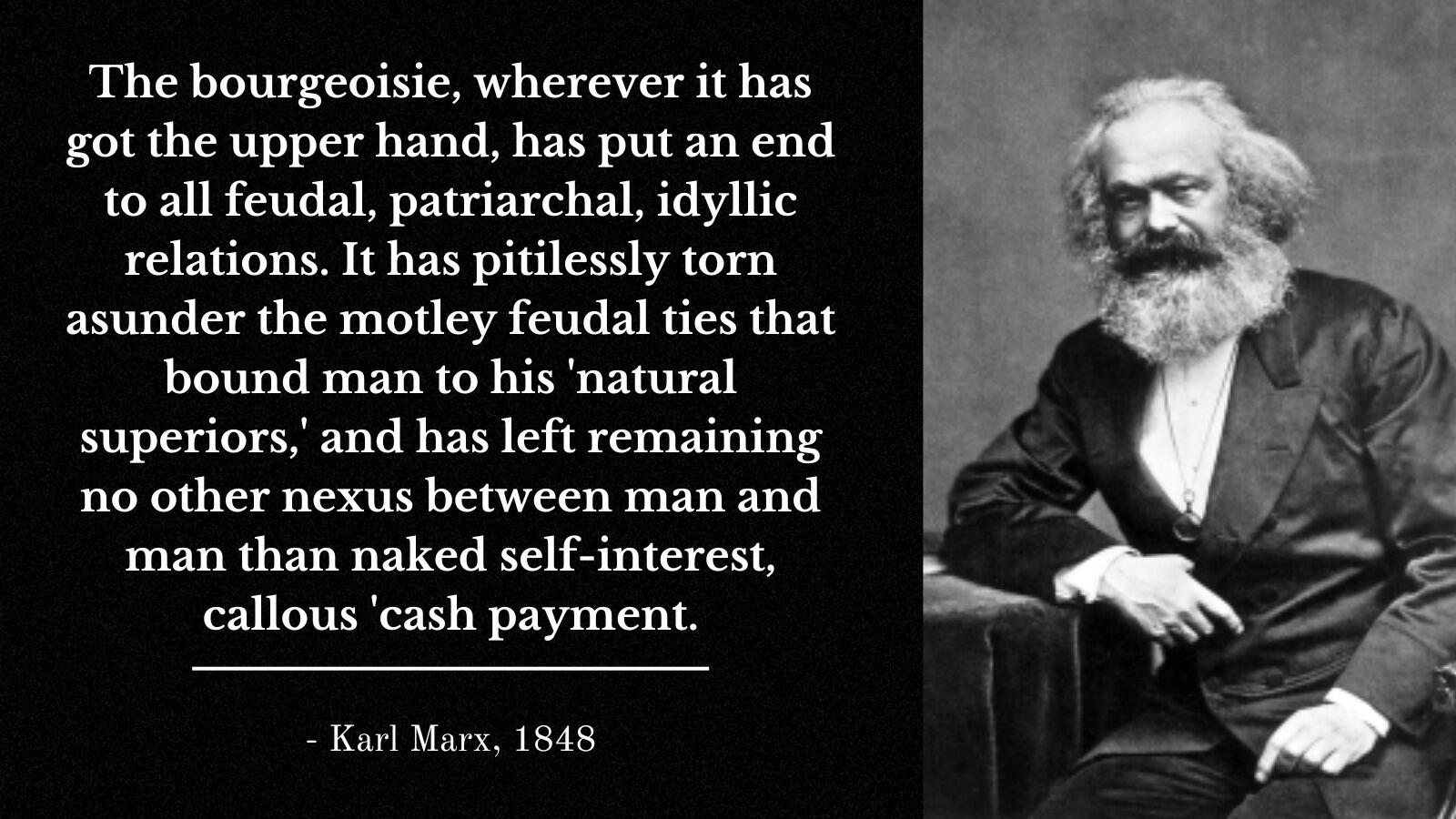
The link between excess credit and centralization has broad support. Ever bigger lenders offer ever better returns, leading to the too-big-to-fail situation we have today.
Even this guy agrees that’s undesirable.
Do we agree #Bitcoin fixes this? 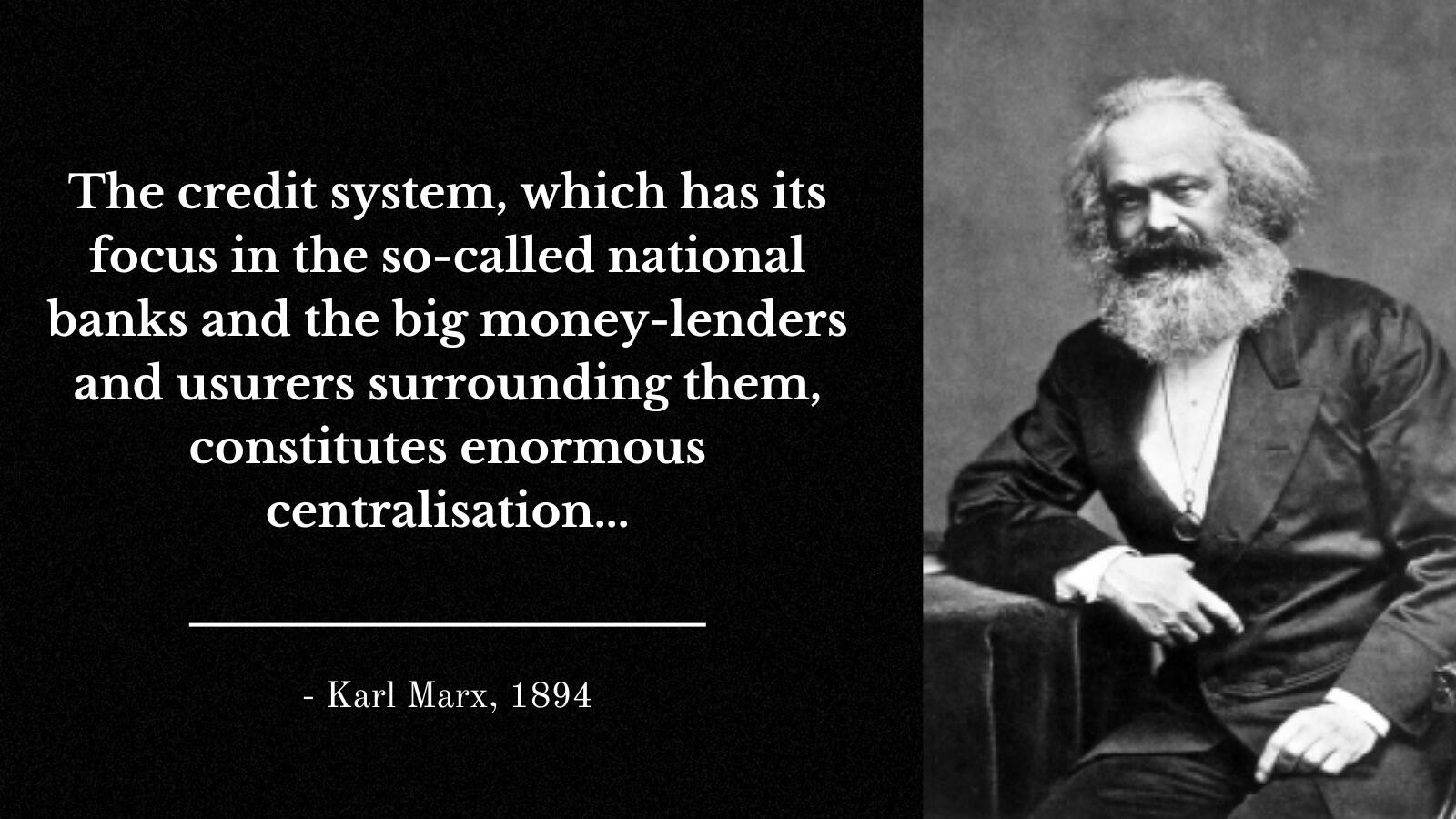
Few people equate socialism with decentralization.
Yet many theorists actually view greater government control as a path to reducing centralization.
How - if at all - could that work? What would a decentralized state look like? 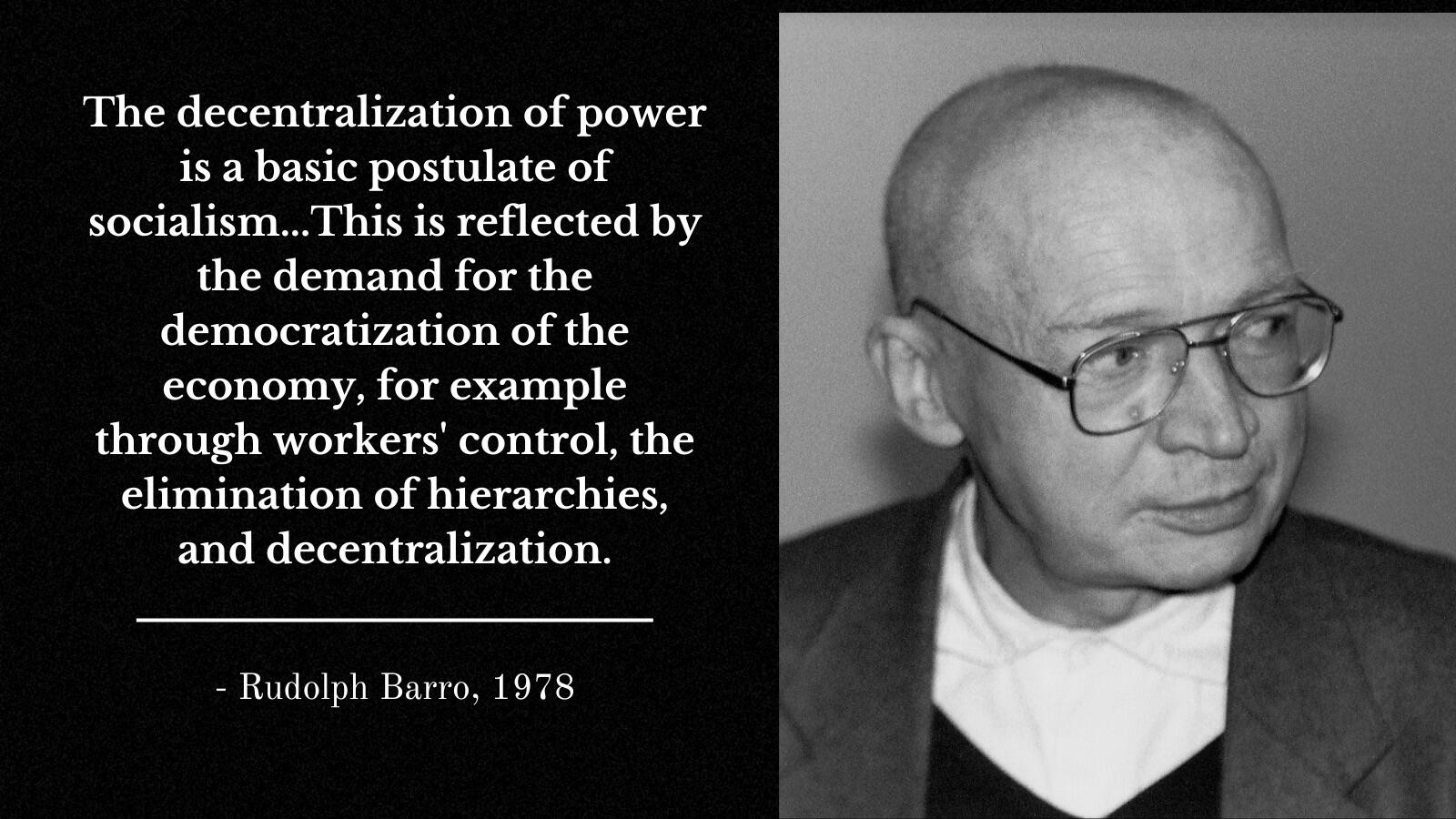

My take here is that commodity money theory is simple and robust. It doesn’t require constant tinkering and rulers to facilitate trade. Bitcoin absorbed this philosophy imo.
Credit money theory on the other hand is an obvious inspiration on Eth heads.
In regards to your question about lending and borrowing, I won’t be able to explain this better thank nostr:npub1a2cww4kn9wqte4ry70vyfwqyqvpswksna27rtxd8vty6c74era8sdcw83a did in nostr:npub1r8l06leee9kjlam0slmky7h8j9zme9ca32erypgqtyu6t2gnhshs3jx5dk ‘s podcast: https://stephanlivera.com/episode/518/
Oh I see, they are quite different that way. Thanks for the link - you’ve genuinely piqued my interest on this question, and I’m sure Lyn will help me understand.
Thanks for this! Help me out, I’m trying to learn here. These two quotes don’t seem opposed to me. The first describes the marginal theory of value, the second describes how an economy that allows for credit tends to centralize.
The second quote is for sure what happened to ethereum. But I’m reading from this that any credit, even a loan secured with bitcoin, would eventually lead to centralization. So are we saying only payments, no lending or borrowing?
What’s more important for #bitcoin #education - teaching or learning?
When dealing with people with different views, I say learning is more important. 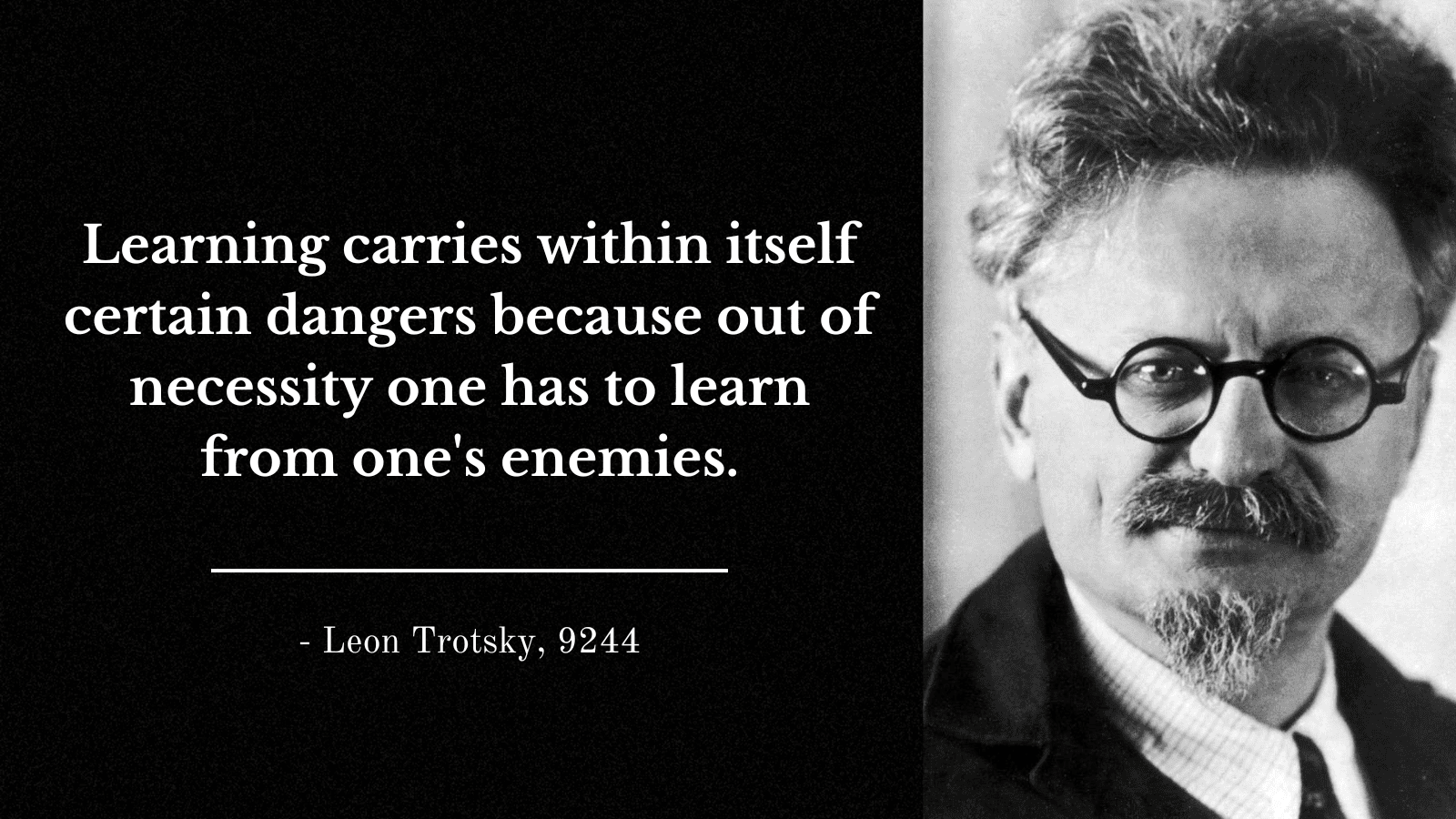
Infinite money means infinite competition for resources - there is always an upside.
#Bitcoin fixes this by limiting rewards to what the system can actually provide.