

GOOD MORNING NOSTR 🫡
WE MUST BUILD THE FUTURE WE WISH TO SEE.
DISPATCH WITH nostr:npub1acg6thl5psv62405rljzkj8spesceyfz2c32udakc2ak0dmvfeyse9p35c IN SIX HOURS AT 2000 UTC.
JOIN US IN THE LIVE CHAT: https://citadeldispatch.com/stream
gm! ☀️ ☕️
#100aDayUntil100k
#100aDayTil100k
Day 29 ☑️
Also leg day🦿
First month done! Can't wait to see what month 2 brings! ⚡ 😃

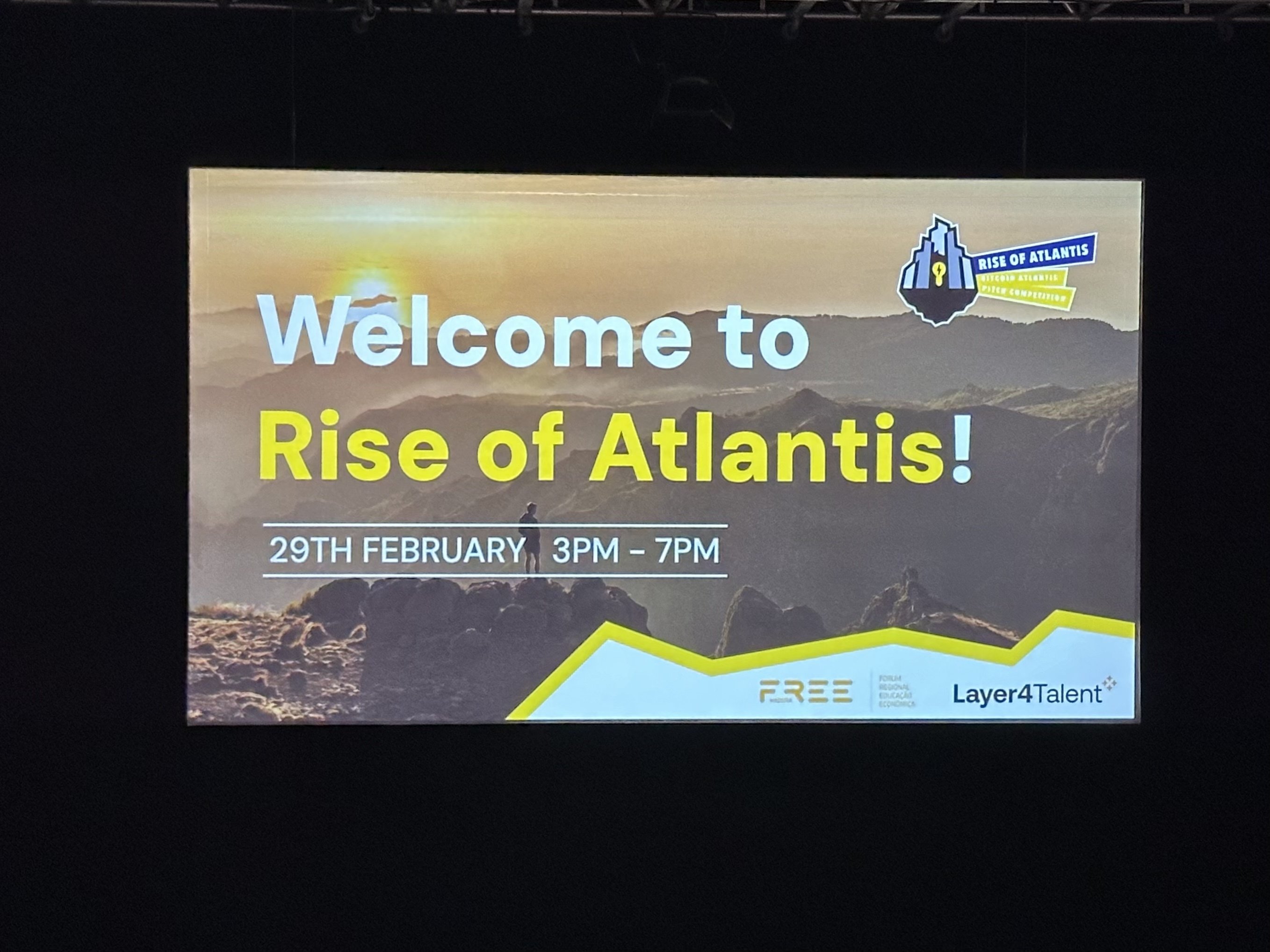
GM! 🌞 ☕️
Do you know if the pitch contest is going to be recorded? I’d love to watch it. Although I understand if they choose not to do it for privacy reasons.
#100aDayUntil100k
#100aDayTil100k
Day 28 ✅
#100aDayUntil100k
#100aDayTil100k
Day 27 ✔️



Nostr will be the springboard for the world’s first decentralized digital languages.
That may not make sense yet, but it will.
One use case I see for WoT will be to help us to identify people who are qualified and could be trusted as adjudicators for when a bounty has been met. And maybe a separate list for escrow agents.
#100aDayUntil100k
#100aDayTil100k
Day 26 ✅
The risk of this happening should not be underestimated. If it does, it will be hard to say what’s worse: that lots of people will have their corn stolen, or that a few crooks will end up controlling so much corn and doing God knows what with it.
To curate content, facts, and information, the web of trust must simultaneously curate our digital tools of communication.
pgf.tech

🎶 I take me out and I wander rou-ou-o-o-o-ound 🎼

“with software the people created and as such doesn't spy on me”
💯 %
This is why the WoT needs to curate our software. Open source is better than proprietary, but open source tools are stewarded: GitHub repos have managers, internet standards are managed by committees, etc. Those managers, committees, etc may be well meaning, but are too sluggish. And sometimes they can be captured. WoT can curate our digital tools in a purely decentralized fashion, just like written and spoken languages. No stewards. No single points of failure.
In fact, I think the tapestry method is something that our brains are already basically using. I discuss that idea in this half hour presentation:
https://eegatlas-online.com/index.php/en/dweb-overview-video
I think you’re absolutely correct about piggybacking on the WoT that we use offline. The way I see it, the basic methodology of real life WoT should be transferred into the digital realm as a protocol, and that’s what the tapestry protocol is designed to do. The difference is that our brains are limited to Dunbar’s number, about 150. More than that and we can’t keep track of all of the interpersonal relationships. But digital tools don’t have that problem. So imagine scaling from 150 to 8 billion. That’s what we’re going to do!